

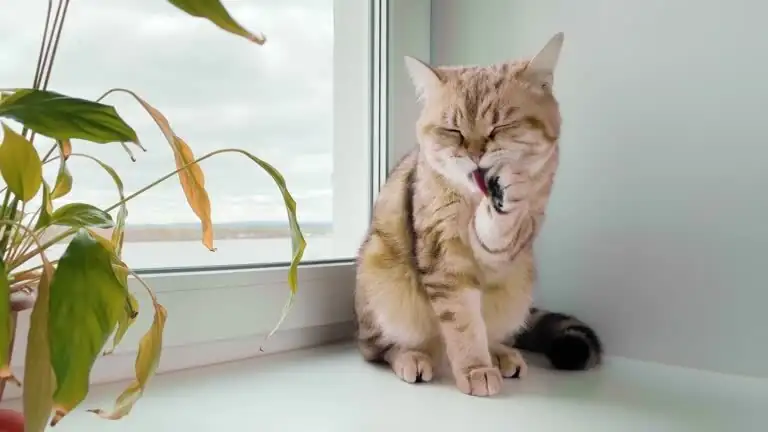
Imagine a velvet chorus of mini trumpets blooming on your windowsill while your cat naps a whisker away—that’s Streptocarpus (Cape primrose) at its best. This generous, long-blooming houseplant rewards bright light with waves of white, pink, red, blue, or purple flowers, and it plays remarkably well with pets when you set it up smartly. Here’s your pet-parent guide to keeping paws and petals equally happy.
Why Streptocarpus is a pet-parent’s dream
- Non-toxic to cats and dogs when grown as a houseplant.
- Compact, windowsill-friendly rosettes with elegant, upright flower stalks.
- Flowers for months (spring through autumn; some modern hybrids even in winter with strong light).
- Easy care once you get the watering rhythm and light right.
The non-toxicity note
Streptocarpus is generally regarded as non-toxic to cats and dogs. Still, any plant material can cause mild stomach upset if chewed or swallowed. Think of it like a nibble of salad your pet didn’t ask for.
What to do if your pet samples a leaf:
- Gently remove any remaining plant bits from their mouth.
- Offer fresh water and monitor for mild vomiting or soft stool.
- Call your vet if symptoms persist, your pet is very young/elderly, or you notice lethargy, repeated vomiting, or anything unusual.
Tip: Keep the plant’s label or take a photo of your Streptocarpus to share with your vet if needed.
Nibbler-proof placement ideas (without hiding the beauty)
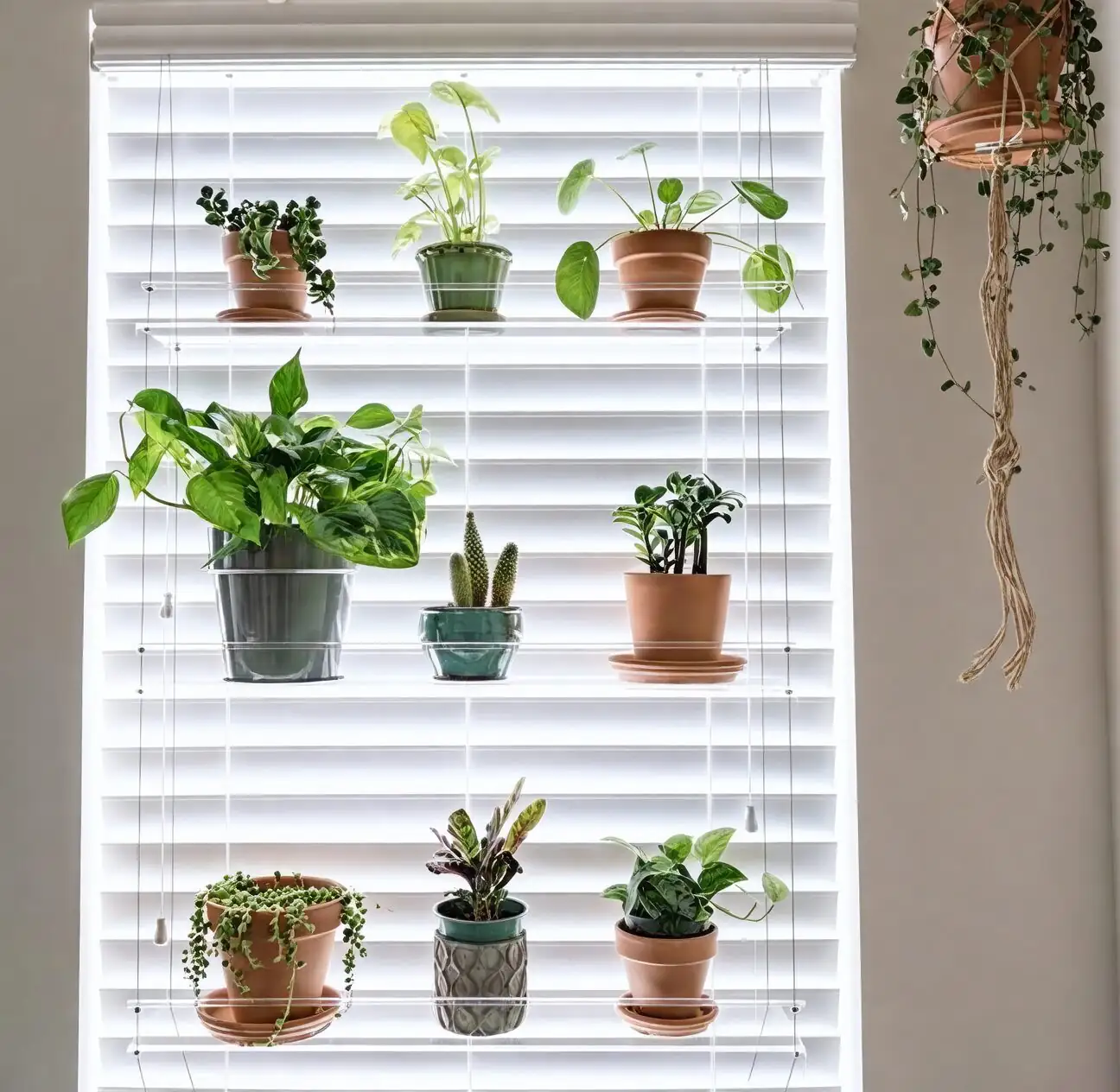
- The VIP windowsill: East-facing is ideal—bright, indirect morning light and easy to supervise.
- Float it up: Wall-mounted shelves or picture-ledge racks with a lip, installed out of springboard range from furniture.
- Plant perches: Tall, narrow stands in corners (cats are less tempted when there’s no nearby launchpad).
- Hanging planters near bright windows: Keep at least a paw-and-pounce distance from bookcases or sofas.
- “Peekaboo” cloches and mesh guards: Temporary covers while your pet learns the house rules, or during heavy bloom drop.
- Decoy greenery: Place a pot of cat grass nearby—many cats will choose their own salad bar and ignore your primrose.
Training nudge:
- A consistent “leave it,” followed by redirecting to a toy or cat grass, works wonders.
- For persistent diggers, a breathable top-dress of coarse pebbles around (not over) the crown discourages paws without sealing in moisture.
Care made simple (and pet-home friendly)
Light
- Best: Bright, indirect light to part sun/part shade. East windows are excellent.
- Summer: Provide light shade from harsh midday/afternoon sun.
- Winter: Move to a brighter spot; a little more direct sun helps keep the flowers coming.
Temperature and humidity
- Comfort zone: 12–24°C (54–75°F).
- Average room humidity is fine—avoid very dry, hot, stagnant air.
Soil and pot
- Use a free-draining houseplant mix with extra perlite so water never lingers at the roots or crown.
- A 10–15 cm (4–6 in) pot is typical; slightly root-restricted plants often flower better.
Watering (the crown-safe way)
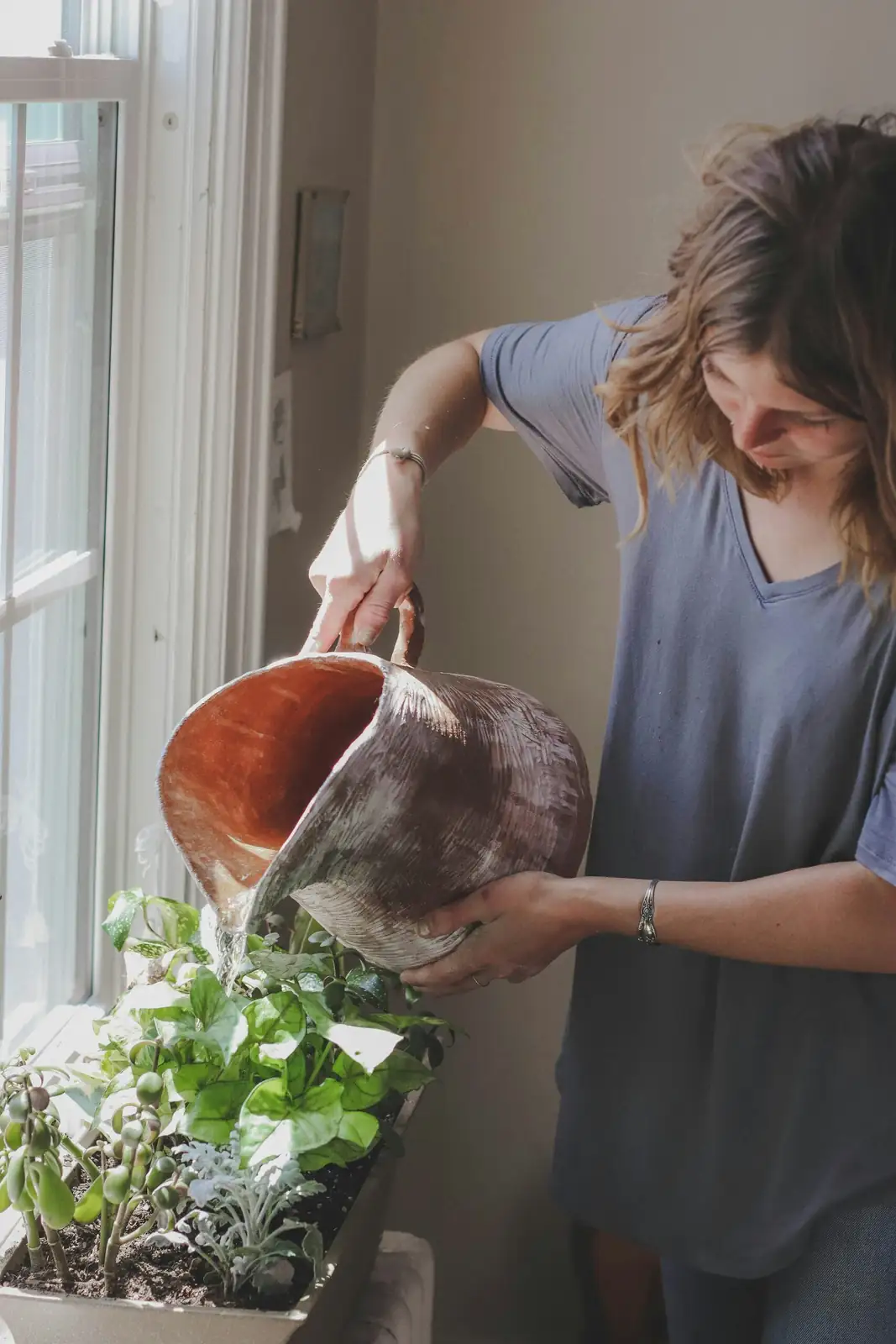
- Timing: Spring–autumn, water when the surface of the mix feels dry. In winter, let it approach almost dry between waterings.
- Method: Top or bottom water. If bottom-watering, stand the pot in a shallow tray for ~20 minutes, then remove and drain thoroughly.
- Golden rule: Avoid soggy soil and repeated wetting of the crown—this is the fast track to rot.
Feeding
- Spring through autumn: Feed about once a month with a high-potassium fertilizer for flowering plants (follow label directions).
Grooming and pruning
- Snip spent flower stems to keep blooms coming.
- In spring, remove older, tired leaves to improve airflow and tidy the rosette.
Repotting
- Repot in spring, only one size up. Don’t bury the crown; keep the plant slightly pot-bound for best flowering.
Year-round care snapshot
- Spring–autumn: Water when the surface dries; feed monthly; deadhead; tidy older leaves; repot in spring.
- Winter: Brighter window, water sparingly (nearly dry between), enjoy any bonus blooms.
Clean-up habits that keep paws and petals happy
- Petal patrol: Sweep or vacuum fallen petals and leaves so curious pets don’t play-snack on them.
- Dry zones: Wipe up spills from saucers and the floor to prevent slips and fungus gnat parties.
- Safe supplies: Store fertilizers and pesticides out of paw-reach; label your watering can if you mix feed.
- Airflow matters: A small fan on low or simply decluttering the windowsill reduces humidity pockets around the crown.
- Tray smarts: Use a stable, snug saucer—no tippy oversize trays pets can nose around.
Common issues and pet-safe fixes
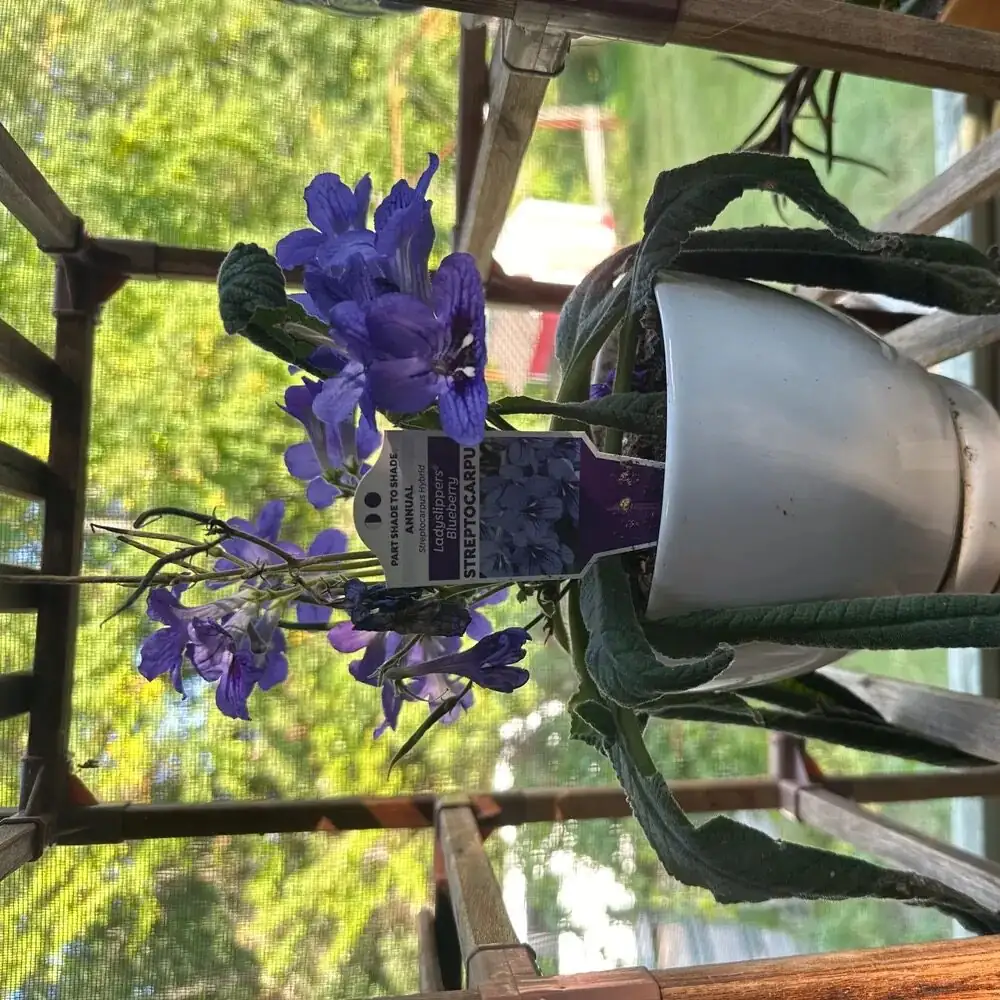
- Overwatering and dense soil lead to root/crown rot—use airy mix, drain fully, and keep the crown from staying wet.
- Pests: Mealybugs, aphids, and spider mites can appear.
- First aid: Isolate the plant. Dab mealybugs with cotton swabs dipped in 70% isopropyl alcohol. Rinse aphids and mites off in the sink with a gentle spray, shielding the crown.
- Follow-up: Use insecticidal soap or a light horticultural oil as directed. Keep pets away until the product is dry and the room is aired.
Propagating without pet chaos
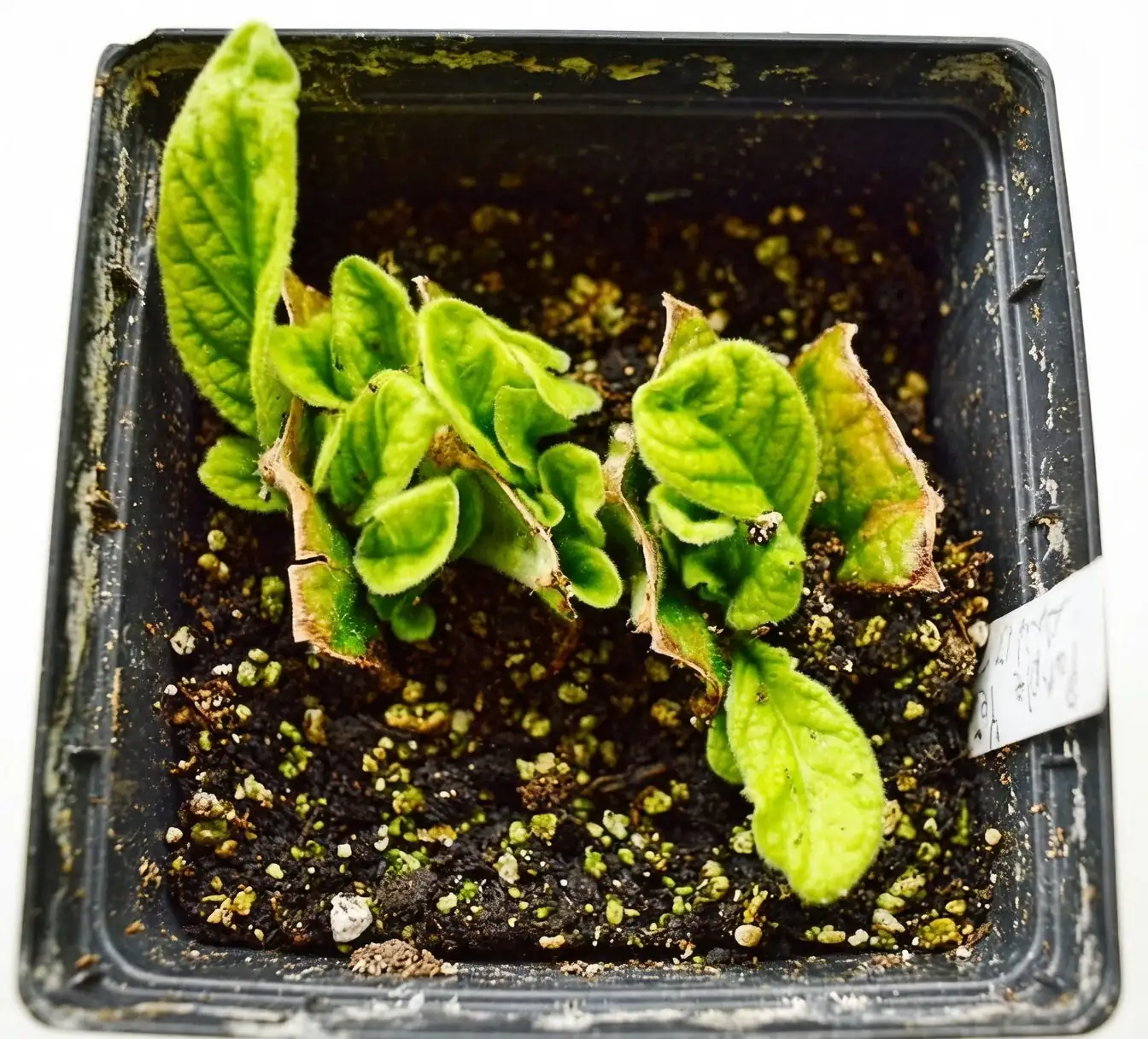
- Leaf cuttings (or leaf sections) root readily—one reason Streptocarpus is beloved for sharing.
- Set up a clear-lidded propagation box or place cuttings in a bright spot out of reach. A mesh cover keeps inquisitive noses out while maintaining humidity.
- Label clearly and avoid misting the crown of nearby mature plants.
Choosing a healthy plant
- Look for firm, unblemished, softly wrinkled leaves and several flower buds.
- Avoid pots that feel waterlogged, smell sour, or show soft/blackened areas at the crown.
Quick pet-parent FAQ
Is Streptocarpus safe for cats and dogs?
Yes—generally non-toxic. Ingestion may still cause mild stomach upset in some pets. Keep it placed wisely and clean up fallen petals.
What if my cat knocks it over?
Gently repot, refresh the top layer of mix if contaminated, and water lightly. Consider a heavier cachepot or a plant strap to secure the container.
Can it go outdoors in summer?
Only in frost-free conditions and shaded/bright-indirect spots. Bring it back inside well before temperatures dip—Streptocarpus is tender and not frost hardy.
Why isn’t it blooming?
Usually light is the culprit—move to a brighter window, especially in winter. Stay slightly pot-bound, feed monthly in the growing season, and deadhead.
Leaves look limp—overwatered or underwatered?
Check the mix. If it’s wet and the plant is wilting, that suggests rot risk—improve drainage and let it dry more between waterings. If bone dry, water thoroughly, then drain.
A little plant lore to love
Hailing from the shaded, rocky margins and forest edges of Southern Africa, Streptocarpus has adapted to bright, filtered light and excellent drainage—exactly what your windowsill can offer. Modern hybrids are bred to flower for as long as you’ll let them, and yes, a single leaf can become a handful of new plants for friends.
Fast facts for display and planning
- Botanical name: Streptocarpus (Cape primrose), family Gesneriaceae
- Size: Compact rosette, often content in a 4–6 inch pot; can reach up to about 24 × 24 in (60 × 60 cm) in ideal conditions
- Light: Bright indirect to part shade; east window is ideal
- Blooming: Spring through autumn; some bloom in winter with extra light
- Pet safety: Generally non-toxic to cats and dogs
Give Streptocarpus a bright, calm perch and a good watering routine, and it will sing in color for months—while your pet lounges nearby, blissfully unbothered. That’s the sweet spot: a home where paws and petals thrive together.