

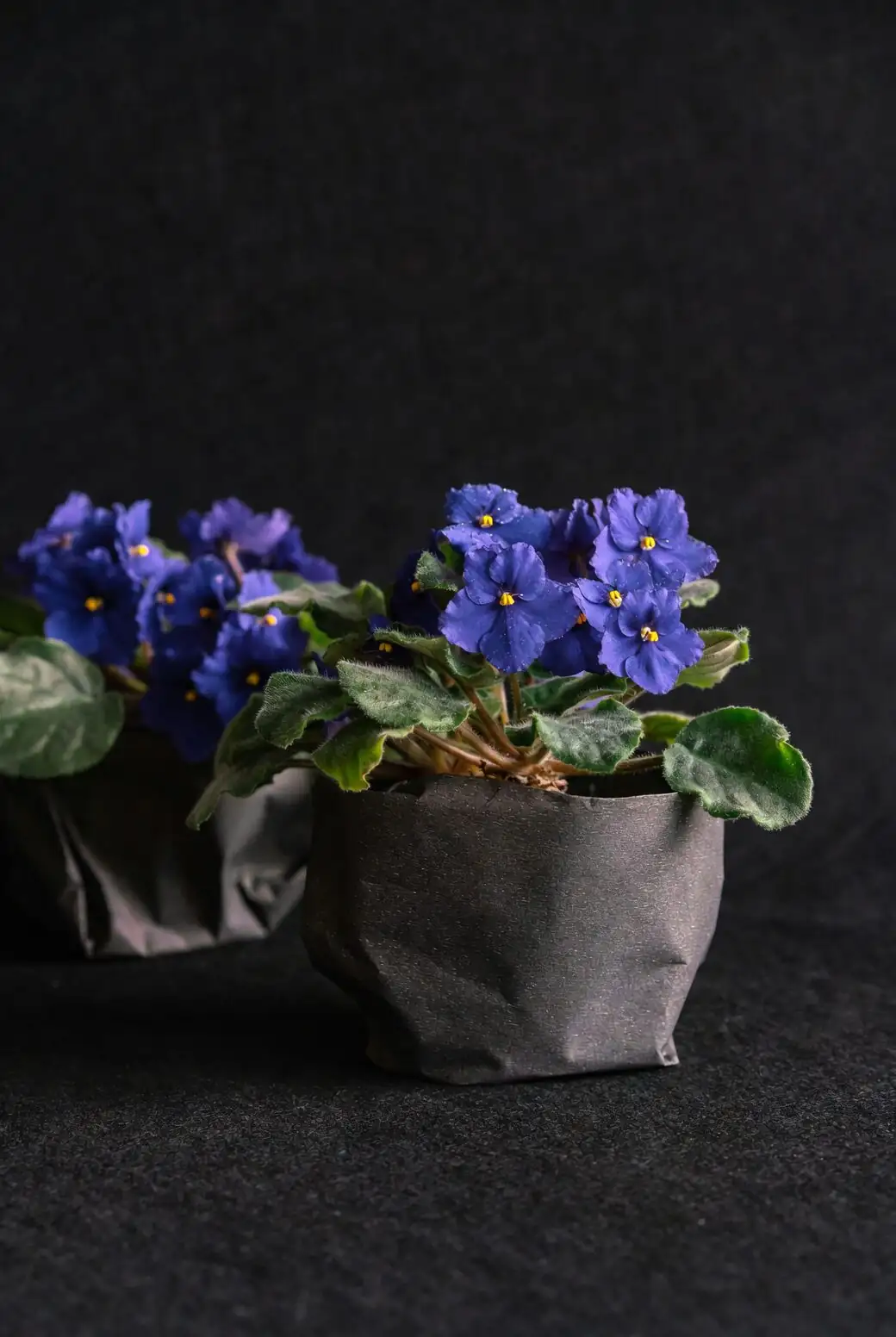
If your windowsill were a stage, Streptocarpus (Cape primrose) would be the tireless headliner—velvety trumpets in whites, pinks, blues, and purples floating above a rosette of softly wrinkled leaves, often for months on end. Better yet, this generous bloomer plays beautifully with others. With smart companion choices, a little quarantine discipline, and shared-care routines, you can curate a lively indoor garden that thrives under the same light and rewards you with layers of color and texture.
Why Streptocarpus makes a brilliant “anchor plant”
- Light matchmaker: Thrives in bright, indirect light to part shade—exactly the sweet spot many good housemates prefer. An east window is ideal; a lightly shaded south or west window also works. In winter, moving it to a brighter sill keeps blooms coming.
- Forgiving, not fussy: Moderate household humidity is usually fine (avoid very dry rooms), and typical indoor temperatures of 12–24°C (54–75°F) suit it well.
- Compact form, maximal color: A neat rosette, upright bloom stalks, and a palette that runs from pure white to saturated violet make it an easy design anchor.
- Long flowering: Most types bloom spring through autumn; some modern hybrids push on into winter in bright windows.
Origin story, briefly: Streptocarpus hails from shaded, rocky habitats and forest margins in Southern Africa, which explains its preference for bright but filtered light and airy, free-draining soil.
The shared-care sweet spot
Designing companions is easier when plants like the same routine. Here’s the Streptocarpus-centered care profile to match.
Light
- Best: Bright, indirect light; morning sun is great.
- Summer: Provide light shade from harsh midday rays.
- Winter: Shift to a brighter spot (some direct sun) to support flowering.
Temperature and humidity
- 12–24°C (54–75°F) is the comfort zone.
- Average indoor humidity is fine; avoid hot, stagnant air. A small fan on low nearby (not blasting the foliage) helps with airflow.
Soil and pots
- Use a free-draining potting mix—general houseplant mix lightened with coarse perlite is perfect.
- Pots of 10–15 cm (4–6 in) are typical. Keep Streptocarpus a little pot-bound for better bloom performance.
Water and feeding
- Water when the surface feels dry in spring through autumn; in winter, let the mix become almost dry between sips.
- Top- or bottom-water. For bottom-watering: stand the pot in a shallow tray of water for about 20 minutes, then remove and drain completely.
- Feed monthly in the growing/flowering season with a high-potassium fertilizer for flowering plants.
- Golden rule: Soggy mix and water lingering around the crown invite rot. Err on the airy side.
Grooming
- Deadhead: Remove spent flower stalks to keep waves of bloom coming.
- Spring spruce: Trim away older, tired leaves to open the plant and improve airflow.
Quarantine and integrated pest management (IPM): non-negotiables
Your collection is only as healthy as your newest plant. Streptocarpus is generally easy-going, but like many houseplants can host a few common pests.
Quarantine musts
- Isolate new arrivals for 2–4 weeks in a different room.
- Inspect with a bright light—check leaf undersides, petiole bases, and the crown.
- Wipe pots and saucers; refresh potting mix if a plant arrives soggy or sour-smelling.
- Tools and hands: Clean pruners with alcohol before/after use.
Watch-list pests
- Mealybugs: Cottony tufts in leaf axils or roots. Dab with isopropyl alcohol on a cotton swab; repeat weekly until gone.
- Aphids: Cluster on tender stems and flower stalks; use a gentle insecticidal soap, rinsing after it dries.
- Spider mites: Fine stippling or webbing in dry conditions; improve humidity and airflow, and treat with soap or horticultural oil on repeat cycles.
Most serious disease issues trace to overwatering and poor drainage—root/crown rot is the big one. Keep the mix airy, avoid repeatedly soaking the crown, and maintain airflow.
Pro tip: Place a yellow sticky card near your quarantine bench to catch winged visitors (useful for early aphid detection). Keep companions off this bench until newcomers pass inspection.
Companion shortlists that share Streptocarpus’ rhythm
Pick plants that appreciate bright, indirect light, moderate indoor humidity, and a not-soggy substrate. Then fine-tune by water tempo and growth habit.
Gesneriad cousins (natural allies)
These relatives echo Streptocarpus’ preferences and look great together.
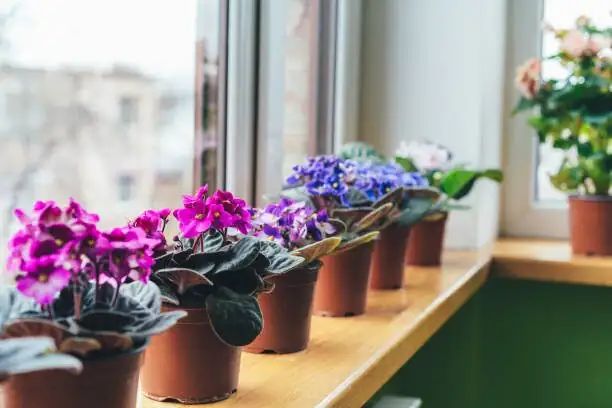
- African violets (Streptocarpus sect. Saintpaulia): Similar light and potting style; water when surface dries. Keep crowns airy; avoid splashing bloom clusters.
- Primulina (formerly Chirita): Likes bright, indirect light and a quick-draining mix; let the top dry slightly.
- Sinningia speciosa (florist gloxinia): Brighter windows suit it; prefers evenly moist but airy soil—group nearby but water individually.
Easygoing foliage foils
Add texture and form contrast without clashing on care.
- Peperomia caperata and relatives: Wrinkled leaves echo Streptocarpus’ soft texture; bright indirect light, lightly dry between waterings.
- Pilea involucrata or Pilea glauca: Gentle drinkers that enjoy the same window; avoid waterlogged pots.
- Rex and cane begonias: Love bright, indirect light; prefer airy, well-drained mix and moderate humidity.
Bloom partners
For layered color under the same light, stagger the bloomers.
- African violets: Keep a steady carousel of rossettes and flower forms.
- Nematanthus (goldfish plant) or Columnea: Trailing gesneriads with tubular blooms; give them equally bright, indirect light and good airflow.
Note: Ferns and calatheas often crave higher humidity and more consistent moisture; they’re stunning but can complicate the shared schedule. Group them separately if your room air is on the dry side.
Color and texture recipes for one window
Design your “set list” with foliage and flower harmonies.
Cool violet set (east window)
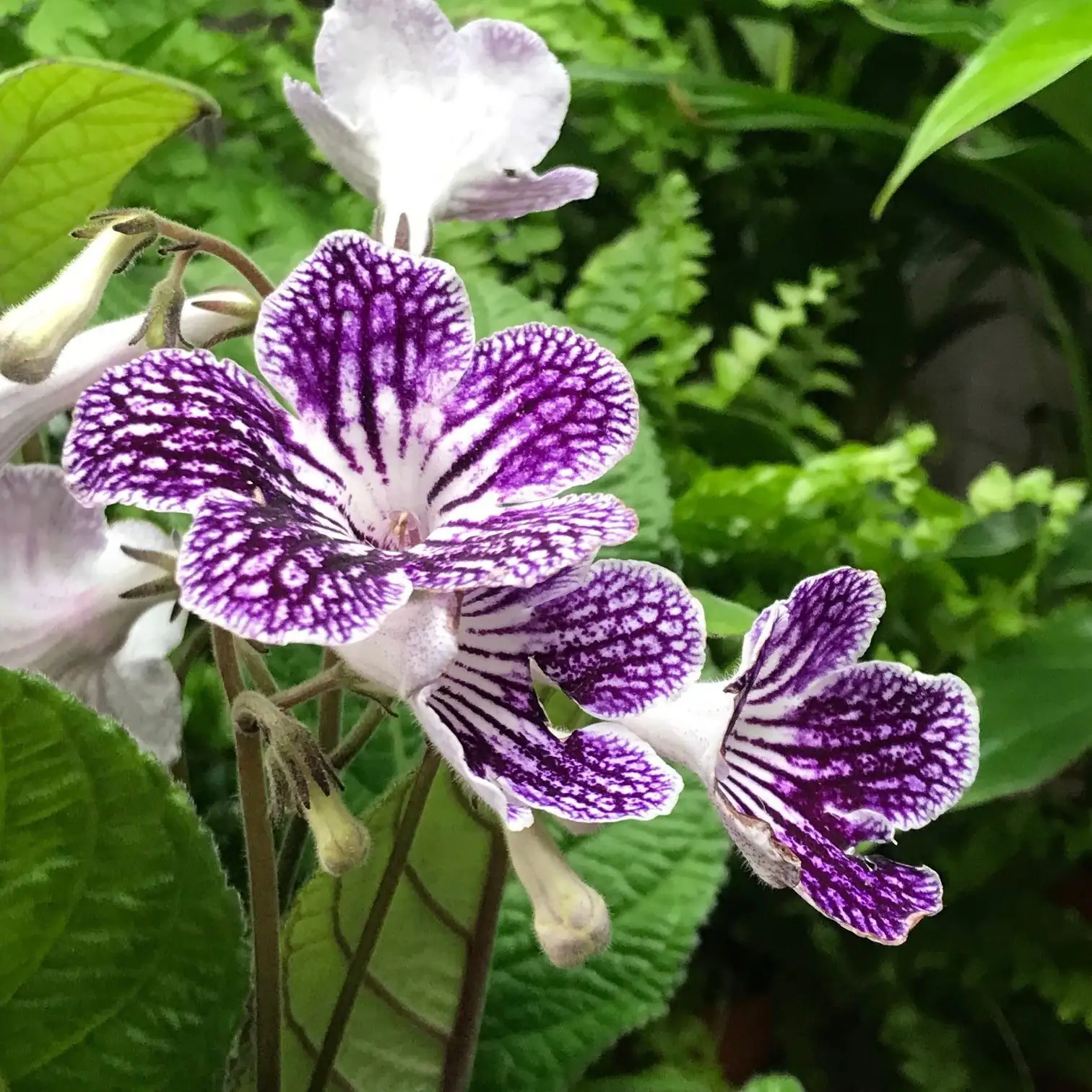
- Streptocarpus in blues/purples with patterned throats
- Peperomia caperata ‘Frost’ (silvered, corrugated leaves)
- African violet with pale lavender blooms for tonal layering
- Accent: Pilea glauca cascading like a soft gray scarf
Why it works: All savor bright morning light; foliage textures shift from velvety to corrugated to bead-like, while the palette stays cool and cohesive.
Bicolor spotlight (shaded south window)
- Streptocarpus bicolors (white petals with violet margins)
- Rex begonia ‘Escargot’ or ‘Moonlight’ for dramatic swirls
- Primulina with patterned leaves for graphic foliage
Why it works: High-contrast leaves echo the patterned throats of the blooms; shared light needs keep care simple.
Jewel-box mix (winter bright spot)
- Streptocarpus modern hybrid willing to flower in winter
- African violet with double pinks
- Nematanthus ‘Tropicana’ (orange “goldfish” flowers) for warm sparks
Why it works: In winter’s brighter window, all three reward you with off-season color; keep watering slightly lighter for Streptocarpus between flower flushes.
Layout and logistics for group success
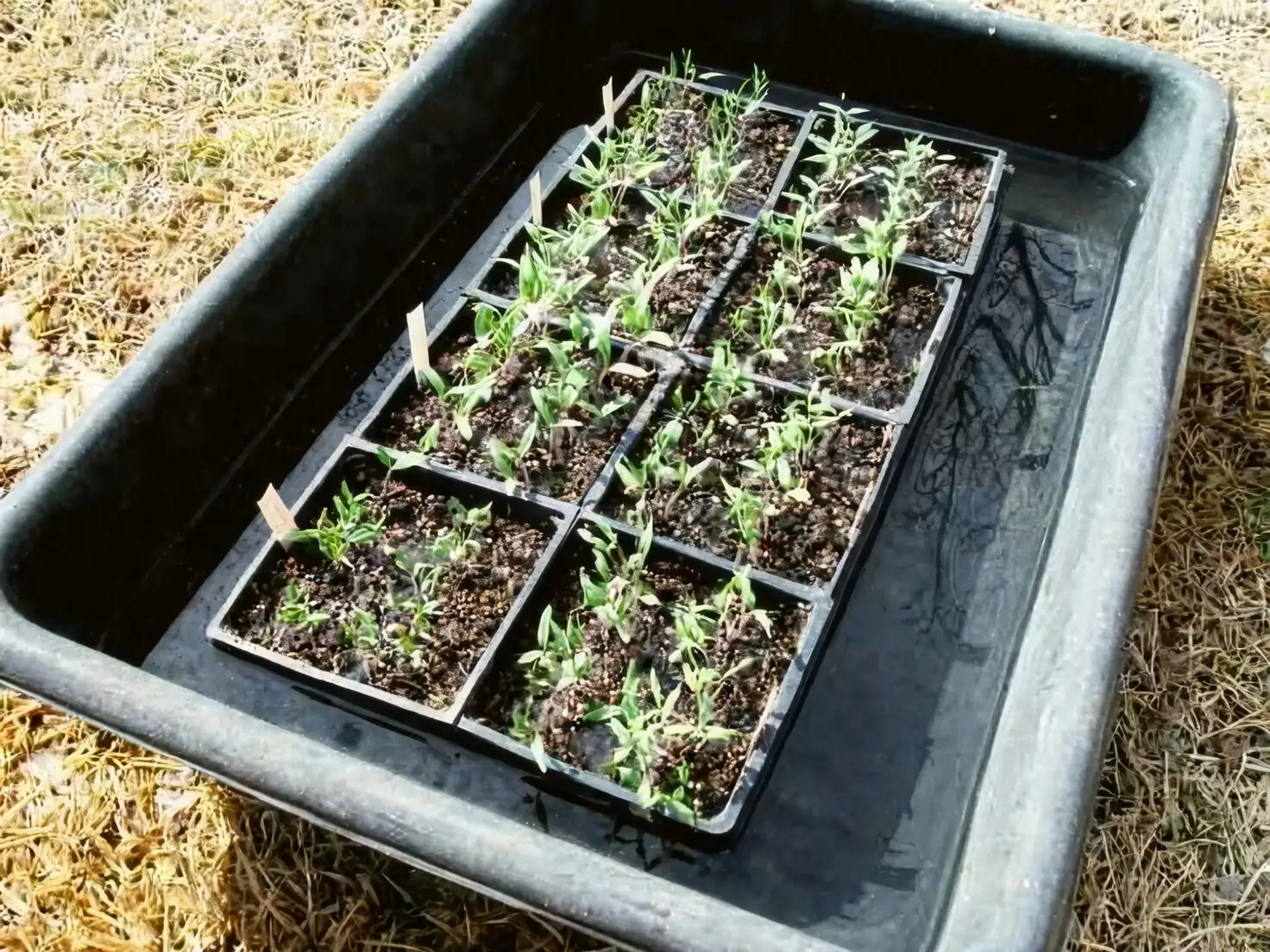
- Trays with training wheels: Bottom-water Streptocarpus by standing pots on a shallow tray for 20 minutes, then remove to drain. Do the same for companion pots that enjoy this method; others can sit beside the tray to avoid overdoing it.
- Air lanes: Leave a finger’s width between rosettes; avoid leaf-on-leaf traffic to reduce humidity pockets that can invite rot.
- Light leveling: Place lower-growing companions at the front of the sill and taller or trailing plants at the edges so everyone stays in bright, indirect light.
- Cachepots and risers: Use individual cachepots or pot feet to tailor drainage and prevent anyone from sitting in runoff.
- Pot discipline: Resist upsizing Streptocarpus; a slightly snug pot means more flowers.
Seasonal tune‑ups (whole group)
- Spring–autumn
- Water when the surface dries; feed monthly with a high‑potassium flowering fertilizer.
- Deadhead Streptocarpus and groom companions.
- Repot Streptocarpus in spring into a slightly larger pot with a free‑draining mix; keep it lightly root‑restricted.
- Winter
- Water sparingly for Streptocarpus (nearly dry between waterings).
- Slide the group to a brighter sill with more direct sun to sustain flowering.
- Keep air moving gently; avoid hot, stagnant spots.
Quick propagation for instant companions
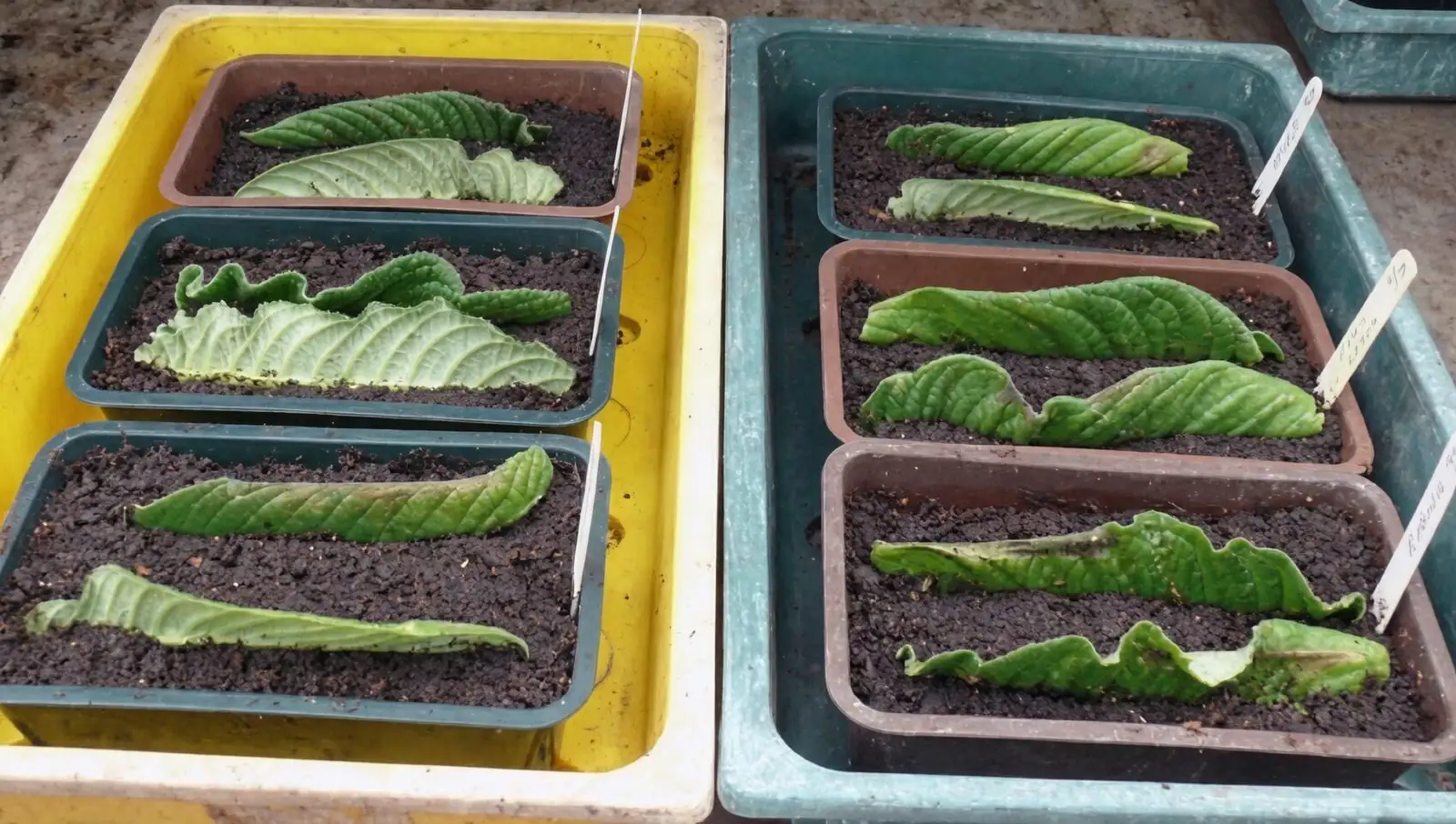
- Leaf cuttings: A single Streptocarpus leaf can become multiple new plants by slicing into sections and rooting in a light, perlite-rich mix. Share starts with friends to build a coordinated windowsill collection.
- Division: Mature clumps can be carefully split during spring repotting.
Safety note for pet homes
Cape primrose is generally regarded as non‑toxic to cats and dogs, though any plant chewing can cause mild stomach upset. Display out of reach if your pets are nibblers.
Troubleshooting at a glance
- Wilting or collapse with a dark, mushy crown: Often rot from overwatering or heavy soil. Refresh mix to something airier and water only when the surface dries.
- Fewer blooms: Move to brighter light (especially in winter), and ensure monthly feeding during the active season.
- Pests (mealybugs, aphids, spider mites): Isolate, treat promptly with alcohol swabs or insecticidal soap, and improve airflow.
With Streptocarpus as your anchor, companion-planting becomes both easier and more rewarding. Curate by shared light and watering rhythm, insist on quarantine, and layer textures and colors like a stylist dressing a set. The result: a windowsill that sings—season after season.