

If you’ve been told Streptocarpus (Cape primrose) is a dim-corner, big-pot, “pour water into the crown” kind of plant, forget it. These velvet-leaved charmers from southern Africa are flower factories when you flip a few key switches: bright-but-gentle light, breezy spacing, a free-draining mix, and watering that keeps the crown dry. Do that, and those trumpet blooms will queue up from spring through autumn—and many modern hybrids will keep the show going right through winter on a bright windowsill.
Meet Streptocarpus: compact plant, supersized bloom power
- What it is: Streptocarpus (Cape primrose), a Gesneriad cousin of African violets
- Look: Neat rosette of softly wrinkled, lance-shaped green leaves; slim stems topped with velvety, trumpet-shaped flowers
- Colors: White, pink, red, blue, and purple—often with bicolors or patterned throats
- Size: Commonly up to about 60 × 60 cm (24 × 24 in) in a pot, depending on cultivar
- Blooming season: Usually spring through autumn; some cultivars flower in winter with sufficient light
- Origin vibe: Southern Africa, especially shaded, rocky habitats and forest margins—think bright, filtered light, fresh air, quick-draining nooks
Bad advice to ditch—and what to do instead
Myth 1: “Bigger pot = bigger plant”
- Why it fails: Overpotting keeps mix wet for too long, starving roots of air and inviting root/crown rot.
- Do this instead:
- Use a small pot with drainage—typically 10–15 cm (4–6 in).
- Repot only one size up in spring and keep it a little pot-bound to boost flowering.
Myth 2: “It loves a dark corner”
- Why it fails: Low light = leaves stretch, buds stall, and flowering sputters.
- Do this instead:
- Aim for bright, indirect light to part sun/part shade.
- An east window is ideal; a lightly shaded south or west window also works.
- In winter, move to a brighter spot with more direct sun to sustain blooms.
Myth 3: “Soak the crown when you water”
- Why it fails: Repeated crown wetting is a fast track to rot.
- Do this instead:
- Water from the top around the pot’s rim—or bottom-water for about 20 minutes—then drain thoroughly.
- Keep water from lingering around the crown.
Myth 4: “Any heavy houseplant soil is fine”
- Why it fails: Tight, soggy mixes suffocate roots and stall growth.
- Do this instead:
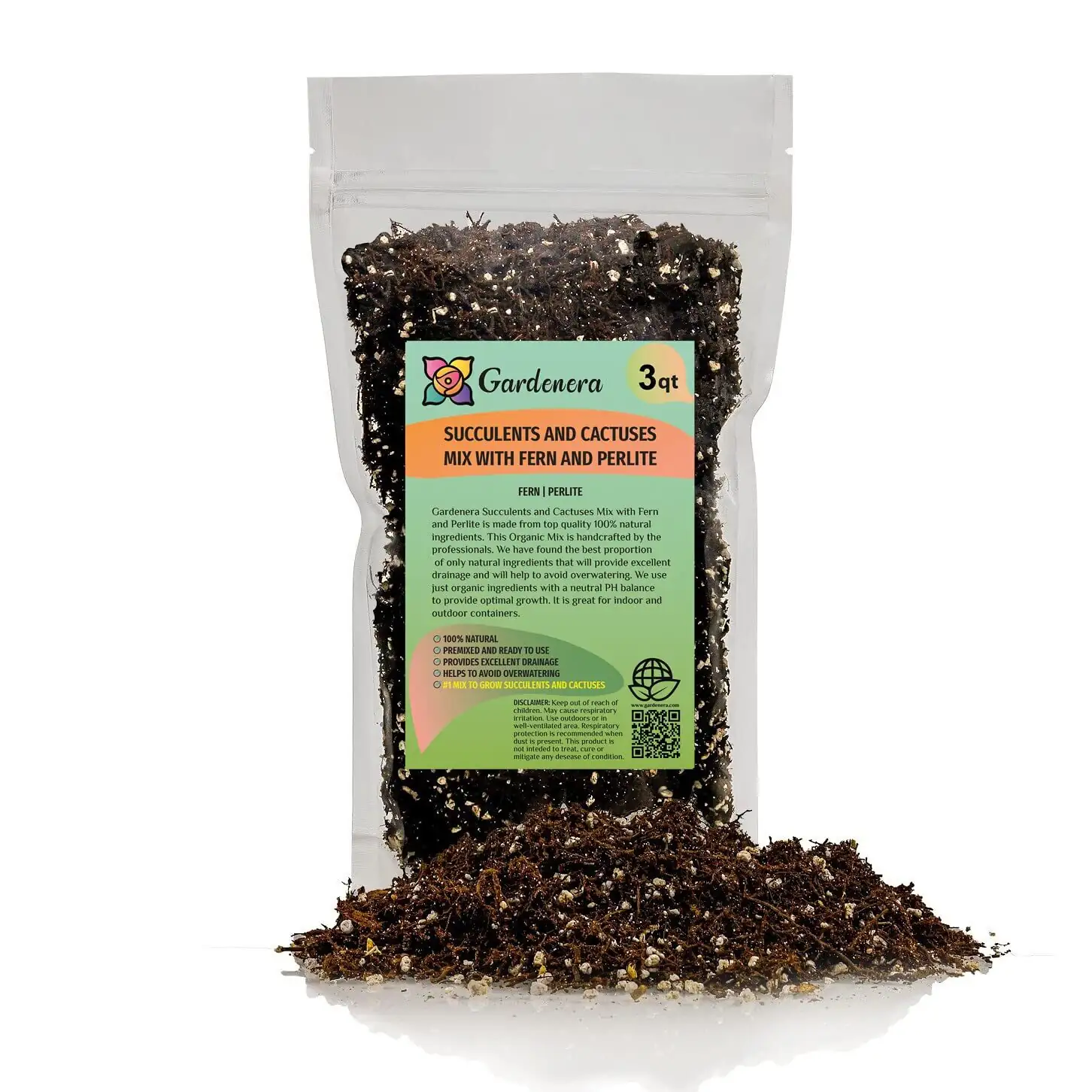
- Use a free-draining houseplant or general-purpose mix amended with perlite so water never sits around the roots/crown.
Myth 5: “Still, warm air is cozy”
- Why it fails: Hot, stagnant conditions stress the plant and invite pests.
- Do this instead:
- Provide gentle airflow and moderate household humidity; avoid very dry air and heat build-up.
Quick wins that supercharge flowering
Light: the safe “sunrise” setting
- East-facing windows are gold-standard.
- South/west exposures are fine with light shade, especially in summer.
- Winter trick: a brighter windowsill with more direct sun helps maintain winter flowering in modern hybrids.
Airflow and grooming: keep it breezy
- Space plants so leaves aren’t crowded.
- Snip off spent flower stems to push new buds.
- In spring, remove older, tired leaves to open the rosette and improve airflow.
Mix and pot: fast-drain formula
- Potting recipe: a free-draining houseplant or general-purpose mix plus extra perlite for lift.
- Pot size: 10–15 cm (4–6 in) with a drainage hole; repot slightly larger each spring.
- Why it works: airy roots = steady growth, fewer rots, more flowers.
Watering: moist, not murky
- Spring–autumn: water when the surface of the mix feels dry; drain fully.
- Winter: let the mix become almost dry between waterings.
- Bottom-watering? Perfect—stand the pot in a tray for about 20 minutes, then remove and drain. Keep the crown dry.
Feeding: flower fuel, not foliage fog
- From spring to autumn, feed about once a month with a high-potassium fertilizer formulated for flowering plants. Follow the label.
Comfort zone
- Temperature: 12–24°C (54–75°F).
- Humidity: moderate household levels are usually fine; avoid hot, stagnant air.
- Hardiness: tender—treat as a houseplant unless you live frost-free (roughly USDA 10–12).
A simple seasonal routine
Spring to autumn
- Light: bright, indirect; light shade from strong summer sun.
- Water: when the surface dries; drain thoroughly.
- Feed: monthly, high-potassium formula.
- Groom: deadhead faded stems; remove an occasional older leaf for airflow.
- Repot: in spring, one pot size up only.
Winter
- Light: move to the brightest window; allow more direct sun.
- Water: sparingly; let the mix become almost dry between waterings.
- Pause or lighten feeding if flowering slows.
Repotting—without regret
- Timing: spring.
- How: tip the plant out; tease away a little old mix; set into a slightly larger pot with fresh, free-draining mix.
- Goal: lightly root-restricted, not cramped—this balance encourages more blooms.
Propagation you’ll actually love to do
- Easiest method: leaf cuttings (including leaf sections).
- How-to:
- Take a healthy mature leaf.
- Option: cut the leaf into sections.
- Insert the base or cut edge into a light, free-draining mix.
- Keep barely moist and bright (no direct hot sun).
- Pot up plantlets once they’re sturdy.
- You can also divide mature clumps during spring repotting.
Troubleshooting: fast diagnoses, faster fixes
- Wilting with wet soil, soft crown: likely rot from overwatering or crown-soaking. Unpot, trim mushy roots, repot in fresh airy mix, and keep the crown dry.
- Buds aborting or few flowers: increase light (east window or brighter winter spot), keep the plant slightly pot-bound, and feed monthly with high-potassium fertilizer.
- Leaves crisping or bleaching: too much hot direct sun; add light shade or move slightly back.
- Pests (mealybugs, aphids, spider mites): improve airflow and isolate. Treat promptly with a gentle insecticidal soap, repeating as needed.
Buying smart
- Choose plants with firm, unblemished leaves and multiple buds.
- Avoid waterlogged pots, sour smells, or any soft/blackened area at the crown.
Safety notes
- Generally regarded as non-toxic to cats and dogs, though nibbling can still cause mild stomach upset.
Why this plant repays good habits
- Many modern Streptocarpus hybrids are bred for marathon blooming and can flower almost year-round with strong indoor light.
- A single leaf can yield a whole tray of baby plants—sharing is practically built in.
In short: give your Cape primrose a bright-but-gentle perch, a light and airy potting mix in a modest pot, fresh air around the leaves, and crown-safe watering. Swap those three “quick wins” in for the old myths, and you’ll trade guesswork for a long, colorful cascade of flowers.