


On a cool morning in the Drakensberg foothills, mist slicks the rock faces and drips through ferny forest margins. Tucked into ledges where soil is little more than a suggestion, a rosette of softly wrinkled leaves catches the light that filters between branches. Then, as if levitating from the shadows, slim stems lift velvet trumpets—white, lilac, magenta, inky blue—into the open air. This is Streptocarpus, the Cape primrose: a shade-born cliff-dweller from southern Africa that learned to bloom in the margins and, in time, charmed its way onto bright windowsills around the world.
Born of shade and stone: how habitat shaped the plant
A rock-hugger’s design
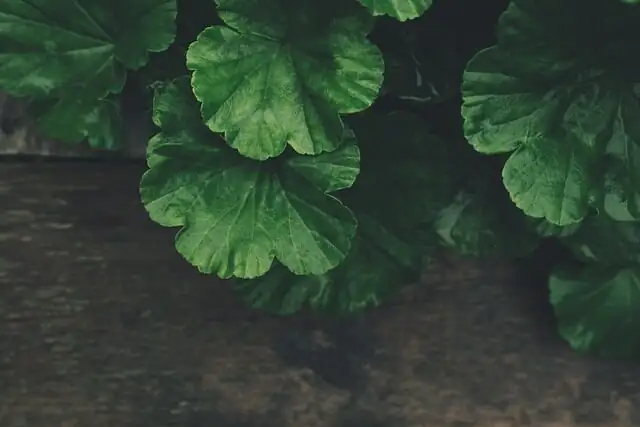
- Wrinkled leaves as strategy: In dappled, low-angle light beneath canopies and along rocky ravines, Streptocarpus builds softly textured, faintly corrugated leaves. That gentle puckering increases surface area for photosynthesis while helping the leaf flex rather than tear during spells of dryness. The texture also shuttles dew and drizzle toward the crown and roots where water is most useful.
- The rosette advantage: A tidy basal rosette hugs the cool boundary layer right above stone, conserving moisture and shielding the crown from hot, desiccating air. On sparsely soiled ledges and forest margins, that close-to-the-rock posture is survival.
- Roots for the in-between: In nature, water drains fast through leaf litter and crevices. Streptocarpus roots expect excellent drainage and brief wet-dry cycles—one reason the plant rebels at waterlogged potting mixes indoors.
Why the flowers rise on airy stems
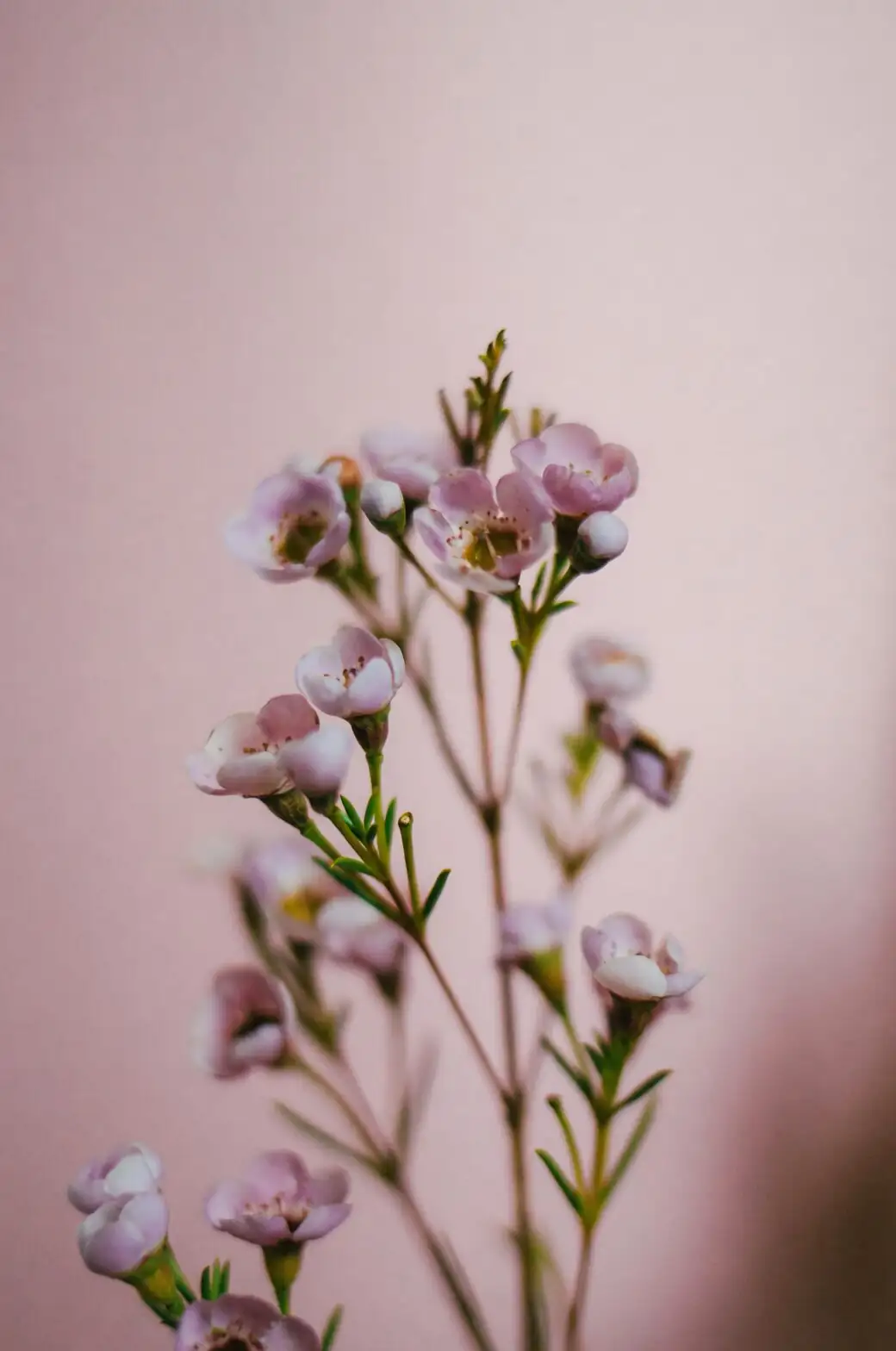
- In the shade, visibility is everything. Slender peduncles lift the blooms into brighter air currents, where passing insects can find them and where stray sunbeams can turn velvet petals into beacons.
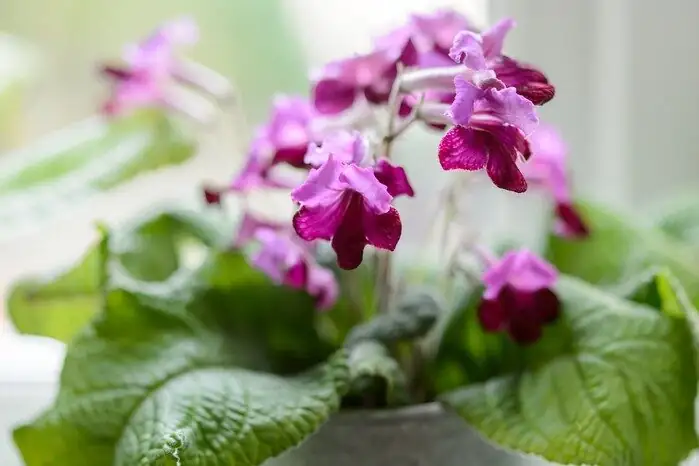
- The flowers themselves are trumpet- to funnel-shaped and soft to the touch, most often in white, pink, red, blue, and purple—many with bi-color edges or intricately patterned throats that strike like ink on silk.
From ravines to drawing rooms: discovery and devotion
European botanists encountered Streptocarpus in the early 19th century in South Africa’s cool, shaded habitats, eventually formalizing the genus in 1828. The name nods to its signature spiraling seedpods—streptos (twisted) + carpos (fruit).
Victorian glasshouses took to the plant’s luminous, long-blooming habit, and breeders began teasing out new colors and patterns. The 20th century deepened the fascination: field botanists kept adding to the roster from southern and eastern Africa’s mountains and forest margins, while hybridizers shaped compact, free-flowering forms perfect for windowsills. Today, modern cultivars can flower almost nonstop in strong indoor light—some even bloom through winter if given brighter conditions.
Meet the plant in bloom: what to expect
- Habit and size: A compact, rosette-forming houseplant with upright flower stalks; typically up to about 60 × 60 cm (24 × 24 in) in a pot, depending on the cultivar and conditions.
- Foliage: Lance-shaped, softly textured, distinctly wrinkled green leaves in a basal clump.
- Flowers: Velvet, trumpet- to funnel-shaped blooms poised above the leaves on slender stems; white, pink, red, blue, or purple, often bicolored or with fancy throats.
- Season: Many types flower from spring through autumn; select modern hybrids can bloom in winter with sufficient light.
Getting the habitat right at home
Think: bright shade, quick drainage, and a rhythm of moisture that never lingers at the crown.
- Light
- Bright, indirect light to part shade is ideal.
- An east window suits perfectly; a lightly shaded south or west window also works.
- In winter, move to a brighter sill with a bit more direct sun to sustain blooms.
- Temperature and humidity
- 12–24°C (54–75°F).
- Moderate household humidity is fine; avoid very dry air and hot, stagnant corners.
- Soil and pot
- Use a free-draining houseplant mix (or general potting mix) amended with perlite so water never sits around the roots/crown.
- A 10–15 cm (4–6 in) pot is typical. Keep it slightly pot-bound to encourage better flowering.
- Watering
- Water when the surface of the mix feels dry from spring to autumn.
- In winter, let the mix become almost dry between waterings.
- Top- or bottom-water. For bottom-watering, stand the pot in a tray for about 20 minutes, then remove and drain thoroughly.
- The golden rule: avoid overwatering and never let water linger at the crown—root/crown rot is the chief enemy.
- Feeding
- From spring through autumn, feed about once a month with a high-potassium fertilizer formulated for flowering plants.
- Grooming
- Snip off spent flower stems to keep new buds coming.
- In spring, remove older, tired leaves to open the rosette and improve airflow.
- Hardiness and placement
- Tender and not frost hardy; suitable outdoors year-round only in frost-free climates (about USDA Zone 10–12).
- Indoors, a bright windowsill with light shade from harsh summer sun is perfect.
Propagation: the joy of many from one
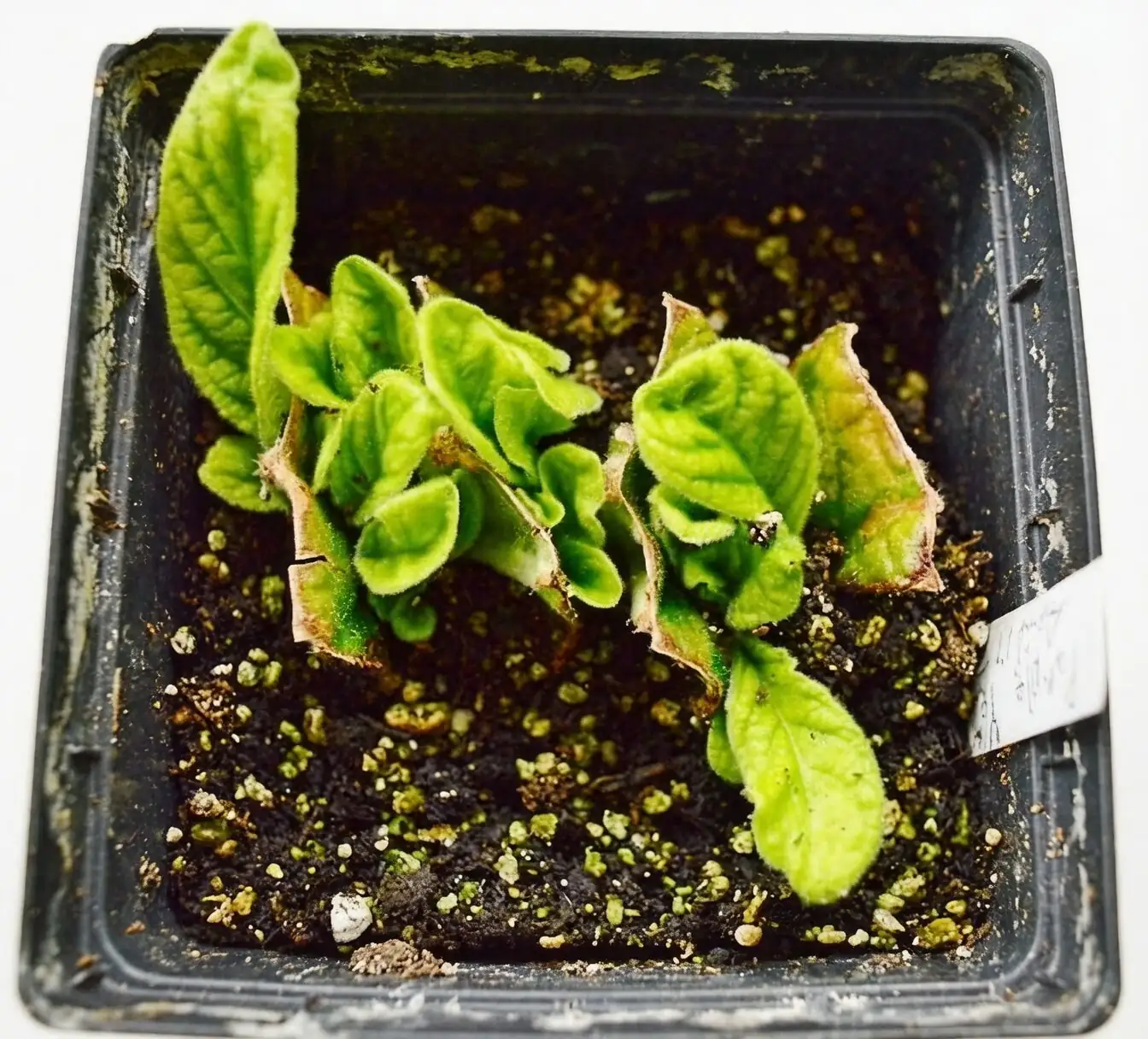
Streptocarpus is famously generous about sharing.
- Leaf cuttings
- Take a healthy leaf and cut it into sections across the midrib.
- Insert sections (cut edge down) into a lightly moist, free-draining mix.
- Keep warm and bright but out of direct sun; maintain gentle humidity without soaking the medium.
- Tiny plantlets will emerge along the cut edge.
- Division
- At spring repotting, gently divide a mature clump and replant each piece in fresh, well-draining mix.
A year with Cape primrose: a simple rhythm
- Spring–autumn
- Water when the surface dries; feed monthly.
- Deadhead; trim a few older leaves as fresh growth appears.
- Repot in spring, stepping up only slightly in pot size.
- Winter
- Water sparingly; allow the mix to become almost dry between drinks.
- Shift to a brighter window to maintain flowering if days are short.
Pests, problems, and peace of mind
- Watch for mealybugs, aphids, and spider mites; good airflow and regular checks keep them in line.
- Most serious issues trace back to overwatering—especially in heavy soil or when water pools at the crown. Aim for quick drainage and a crown that dries promptly after watering.
- Pet safety: Generally regarded as non-toxic to cats and dogs, though any plant chewing can cause mild stomach upset.
Flower language, if you must
There’s no deep, centuries-old tradition assigning symbolic meaning to Streptocarpus. Any “flower language” attached today is a modern reading from gardeners and florists. If we borrow meaning from its life story, two ideas fit:
- Resilience in the margins: It thrives on ledges and in forest light that others overlook.
- Generosity in shade: Given modest care, it answers with a cascade of blooms for months on end—even in the low-lit seasons if you brighten its window.
Quick reasons to fall in love
- Heavy flowering on a compact plant that’s tailor-made for bright windowsills
- Velvet trumpets in a painter’s palette of colors, often with striking patterned throats
- Forgiving care: bright indirect light, a freely draining mix, and mindful watering
- Shareable by the leaf—one cutting can yield a small chorus of new plants
- With modern hybrids, flowering can extend almost year-round under strong indoor light
From shaded ravines to city sills, Streptocarpus hasn’t changed its tune—just its stage. Give it bright, indirect light and a quick-draining home, and this rock-born virtuoso will keep lifting its velvet notes above the leaves, playing on long after most houseplants have gone quiet.