

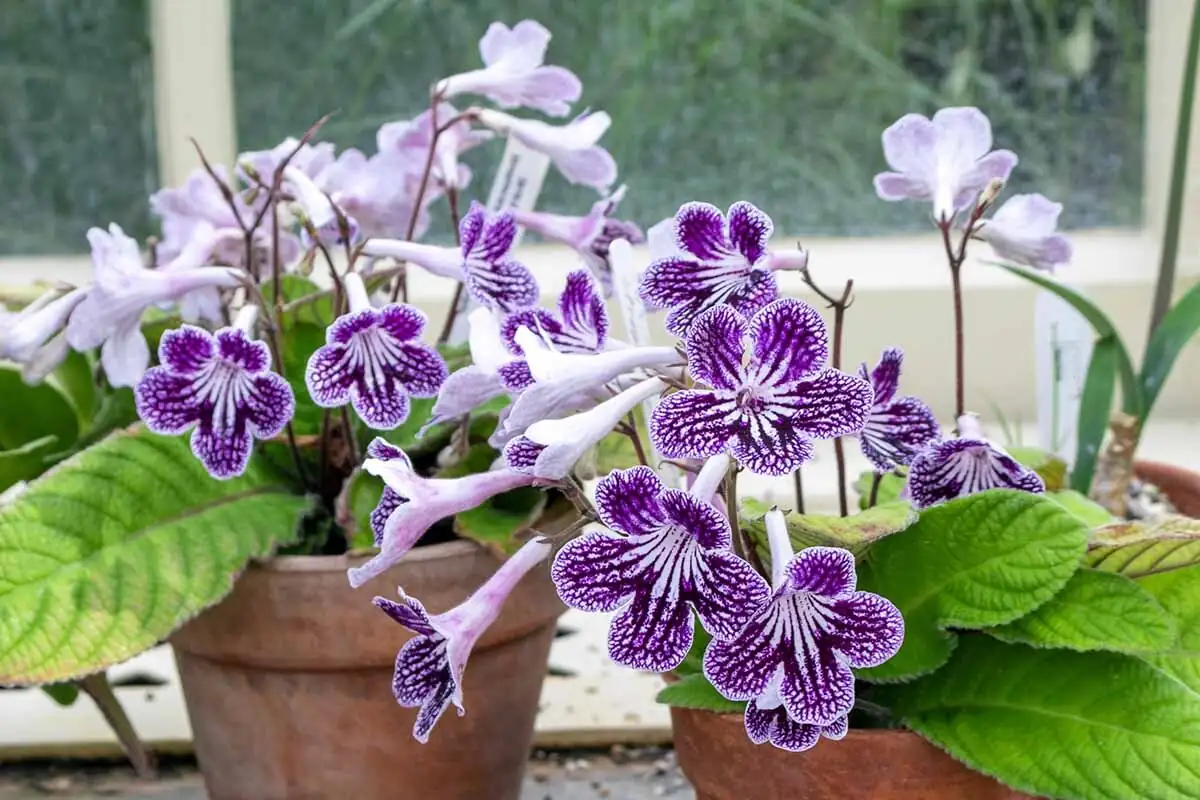
If you’ve ever wished for a houseplant that behaves like a friendly, colorful fountain, meet Streptocarpus—Cape primrose. With the right light, a breathable potting mix, and a simple bottom-watering routine, these velvety-leaved charmers will throw blooms for months on end. Here’s your season-by-season game plan to keep the show rolling, with special focus on bright indirect light, winter brightening, and the potting mix tweaks that make nonstop flowering feel almost effortless.
Meet Streptocarpus: your generous windowsill bloomer
- What it is: Streptocarpus (Cape primrose; 海角苣苔) is a compact, rosette-forming Gesneriad from southern Africa’s shaded, rocky habitats and forest margins.
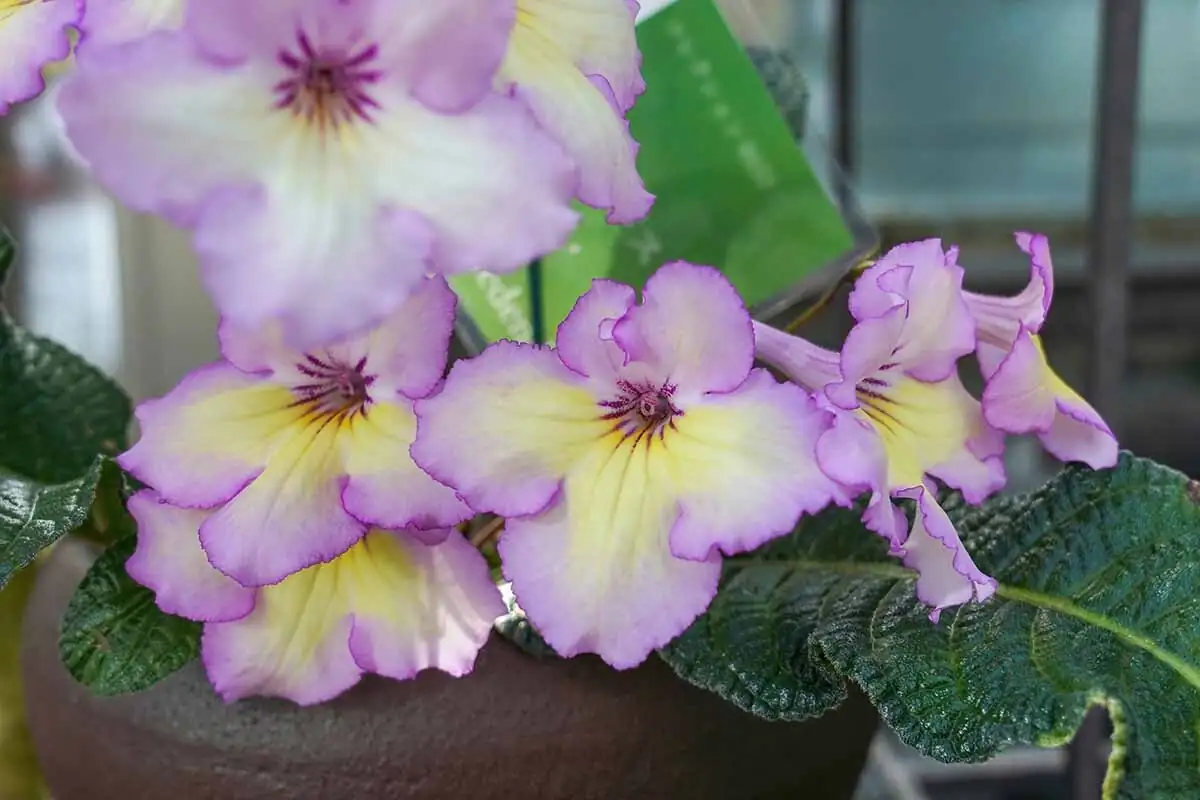
- Look and size: Softly wrinkled, lance-shaped leaves form a tidy clump. Flowers are velvety trumpets in white, pink, red, blue, or purple (often bicolored or with patterned throats), held above the foliage. Many stay compact, typically topping out around 24 × 24 in (60 × 60 cm) in a pot depending on the cultivar.
- Blooming rhythm: Most flower spring through autumn; modern hybrids can keep going into winter if you give them brighter light.
The nonstop-bloom formula (quick start)
- Light: Bright, indirect light is the sweet spot. An east window is ideal; a lightly shaded south or west window also works. In winter, move to your brightest sill—some direct sun is helpful then.
- Water: Keep soil moist but never soggy. Bottom-water for about 20 minutes, then drain thoroughly. Water when the surface feels dry in spring–autumn; let the mix become nearly dry between winter waterings.
- Potting mix: Use a free-draining houseplant mix improved with extra perlite so water never lingers around the roots or crown.
- Temperature and air: 54–75°F (12–24°C). Normal household humidity is fine; avoid hot, stagnant air. Gentle airflow is a plus.
- Feeding: From spring to autumn, feed about once a month with a high-potassium fertilizer for flowering plants.
- Grooming: Deadhead promptly and remove older leaves in spring to keep the plant tidy and blooming hard.
Season-by-season care game plan
Spring: reset and ramp up
- Light
- Park it in bright, indirect light—an east window is perfect now.
- If the plant stretched over winter, scoot it closer to the glass or add a sheer-filtered south/west exposure.
- Water
- Resume a steady rhythm: water when the surface feels dry. Bottom-water 15–20 minutes, then drain thoroughly.
- Use room-temperature water; avoid repeatedly soaking the crown.
- Feeding
- Start monthly feeding with a high-potassium bloom fertilizer.
- Potting mix and repotting
- Repot in spring if roots are circling or the mix has compacted. Choose a pot just one size up (often 4–6 in / 10–15 cm total is plenty).
- Mix tweak: blend standard houseplant mix with 30–50% perlite. Optional: a small pinch of fine bark for extra porosity.
- Plant with the crown slightly above the soil line.
- Grooming and propagation
- Snip off spent flower stems at the base.
- Remove a few tired outer leaves to improve airflow.
- Take leaf cuttings (whole leaves or leaf sections) to start new plants.
Summer: bloom on, avoid heat fatigue
- Light
- Keep bright, indirect light; filter harsh afternoon sun on south/west windows with a sheer.
- Watch the leaves: pale/yellowish-green suggests too much sun; deep, lush green with long leaves can hint at not enough light for best flowering.
- Water
- Warm rooms mean quicker drying—check more often, but still avoid keeping the mix constantly wet.
- Bottom-water; never let the pot stand in water after soaking.
- Air and temperature
- Aim for good airflow; a gentle fan keeps conditions fresh and discourages pests.
- Avoid hot, stagnant spots—Streptocarpus resent overheated rooms.
- Feeding
- Keep to the monthly high-potassium feed.
- Pest patrol
- Check undersides for mealybugs, aphids, or spider mites. Wipe leaves gently and treat early if you see trouble.
Autumn: hold the color, prep for shorter days
- Light
- Days are shortening—edge the plant closer to a bright window. Clean glass and pull back curtains during the day.
- Water
- Begin spacing waterings slightly; allow the surface to dry before each soak.
- Feeding
- Continue monthly feeding until late autumn as long as growth and bloom persist.
- Grooming
- Keep deadheading to direct energy to fresh spikes.
- Take a last round of leaf cuttings if you want backups for winter.
Winter: brighter days indoors and mindful watering
- Light
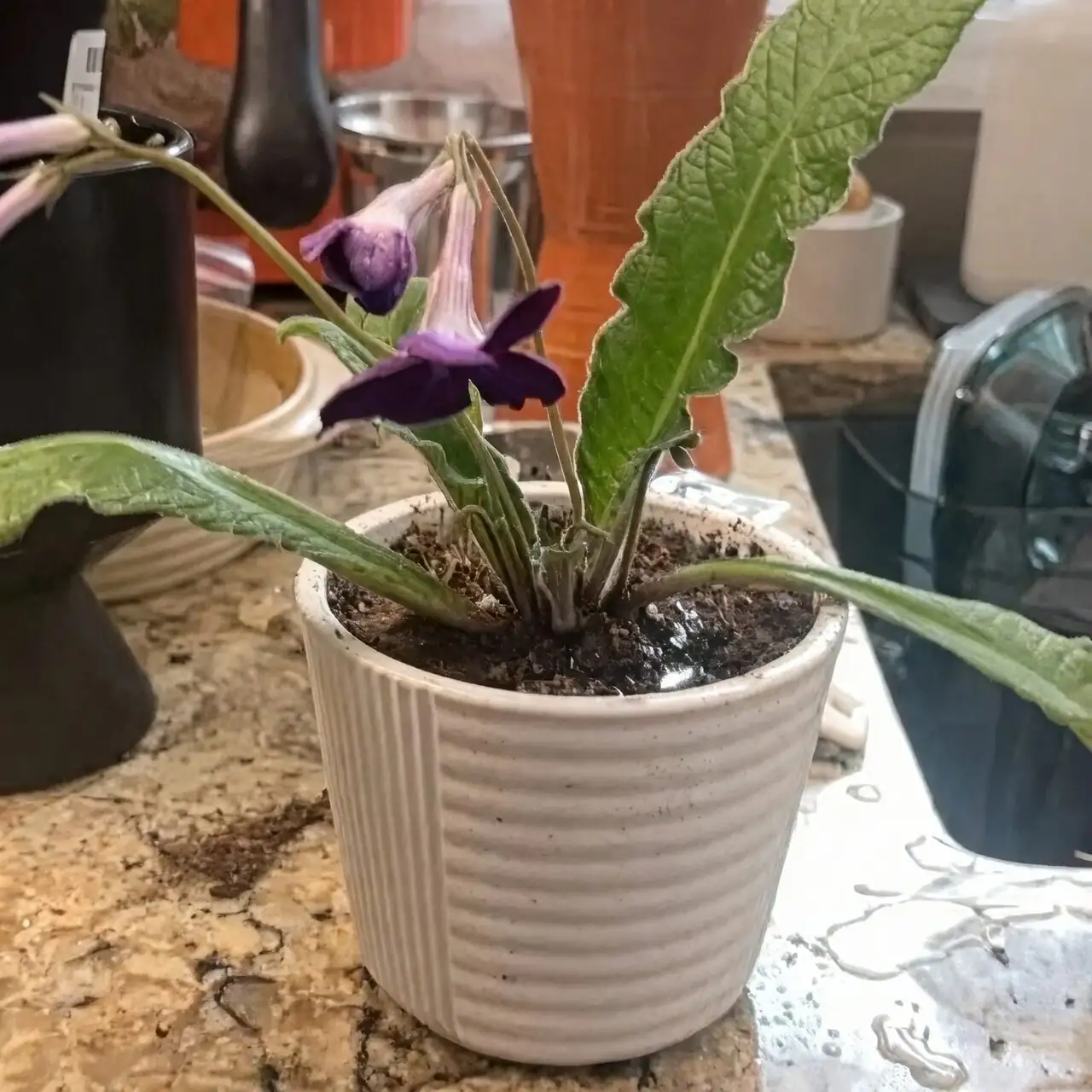
- Move to the brightest window you have; an unobstructed south-facing sill is welcome now.
- If natural light is limited, use a small LED grow light for 10–12 hours daily to encourage winter blooms in modern hybrids.
- Water
- Let the mix become almost dry between waterings; then bottom-water for 15–20 minutes and drain completely.
- Avoid splashing the crown in cool rooms.
- Feeding
- Pause fertilizer until spring. If your plant is blooming heavily despite short days, prioritize light over extra feed.
- Comfort
- Maintain 54–75°F (12–24°C). Keep away from cold drafts and from scorching, dry radiator air.
- If the air is very dry, use a pebble tray near (not touching) the pot for a gentle humidity boost.
Bottom-watering, perfected
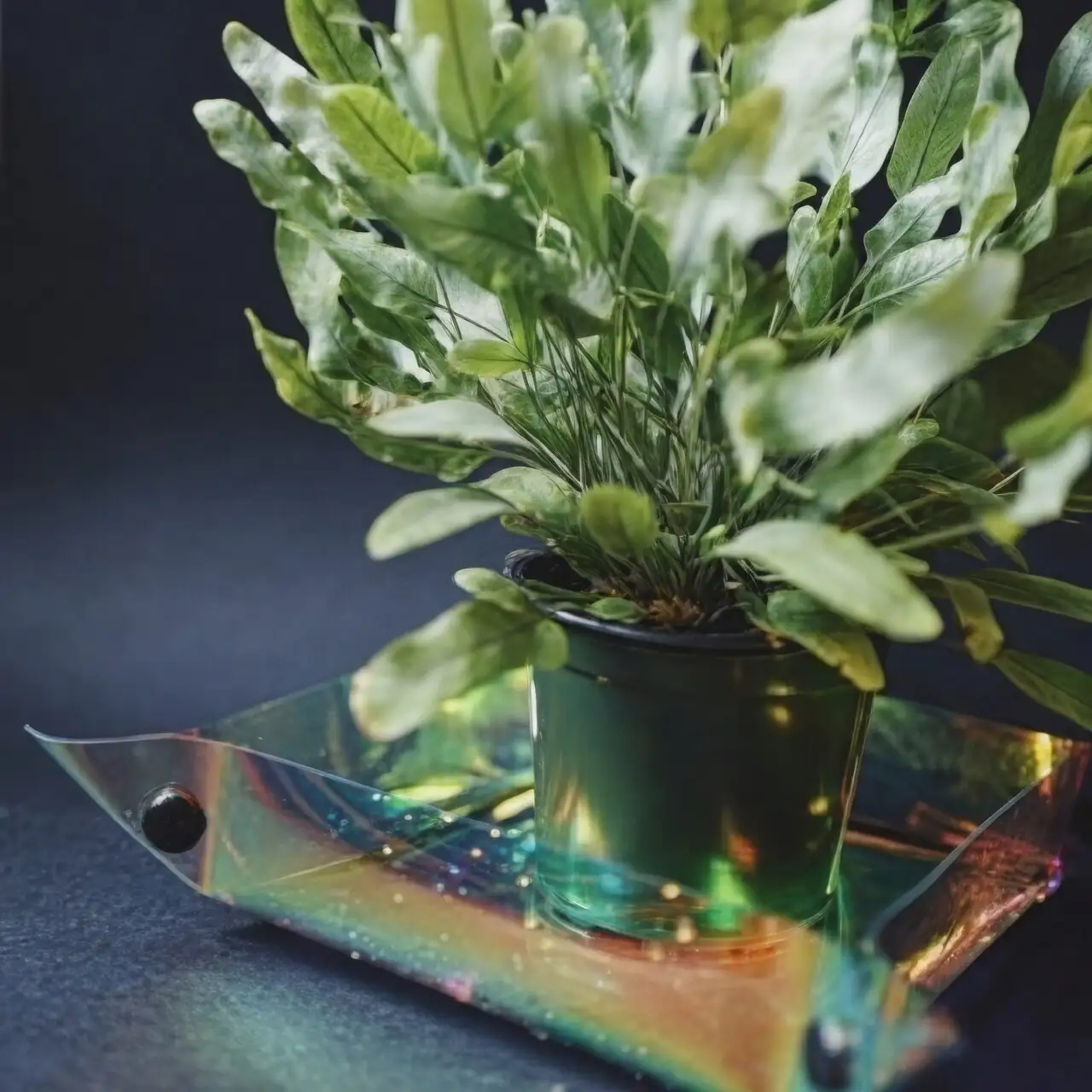
- Check first: Press the mix—if the top 1–2 cm (about ½–¾ in) is dry, it’s time.
- Soak: Set the pot in a tray of room-temperature water for 15–20 minutes.
- Drain: Remove and let excess water run off fully. Never leave the pot sitting in water.
- Reset: Empty the saucer. Repeat only when the surface again feels dry (or nearly dry in winter).
- Pro tip: Keep a “dry crown zone.” When top-watering is unavoidable, water the soil edge, not the crown or leaf bases.
Potting mix tweaks that keep blooms coming
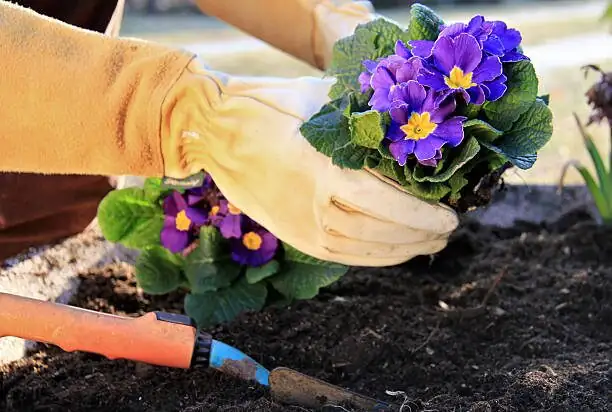
- Core recipe
- 1 part high-quality houseplant mix (peat-free works well)
- 1 part perlite (go up to 1.5 parts for heavy-handed waterers)
- Optional: a small handful of fine orchid bark for extra air pockets
- Why it works
- Fast-draining structure prevents the root/crown rot that Streptocarpus are prone to if kept soggy.
- Airy media let roots breathe, fueling continuous flower production.
- Pot choice
- Slightly snug pots concentrate the root system and spur better blooming. Resist the urge to overpot.
- Ensure generous drainage holes; use a saucer only for timed soaks.
Light like a pro: reading the leaves
- Best bloom light: Bright, indirect; morning sun is golden.
- Too little light: Leaves stretch long and deep green; flower count dips.
- Too much light: Leaves turn yellowish-green or develop scorch at the edges; back off or filter the sun.
- Winter trick: Simply moving one window closer—or cleaning the glass—can make the difference between buds stalling and buds opening.
Troubleshooting at a glance
- Wilting with wet soil or a soft crown
- Likely overwatering or poor drainage. Refresh to a freer-draining mix, let the plant dry slightly between waterings, and avoid wetting the crown.
- No flowers, just leaves
- Boost light to bright indirect, keep the plant a bit pot-bound, and resume monthly high-potassium feed in the growing season.
- Crispy leaf edges
- Air is too dry or too hot/stagnant. Improve airflow, move from hot glass, and use a nearby pebble tray.
- Sticky residue or cottony tufts
- Aphids or mealybugs. Treat early and improve airflow.
- Sudden bud drop
- Often light-related in winter; brighten the spot or add a small grow light.
Quick propagation (share the joy)
- Leaf cuttings
- Take a healthy leaf, slice the midrib away, and press the sections into a lightly moistened, airy mix. Keep warm and bright out of direct sun.
- Dividing mature clumps
- During spring repotting, tease apart offsets and pot each into a small, free-draining mix. Keep modestly moist until reestablished.
Safety, placement, and hardiness
- Pet-friendly: Generally regarded as non-toxic to cats and dogs, though nibbling can cause mild stomach upset.
- Best placement: A bright indoor windowsill with light shade from hot summer sun; brighter sill in winter to support flowers.
- Hardiness: Tender; treat as an indoor plant unless you live in a frost-free climate (roughly USDA 10–12).
With a bright window, a featherlight potting mix, and the simple rhythm of soak-then-drain bottom-watering, Streptocarpus will reward you with velvety blooms for months. Tune the light a notch brighter in winter, keep the crown dry, and enjoy the long, colorful encore.