

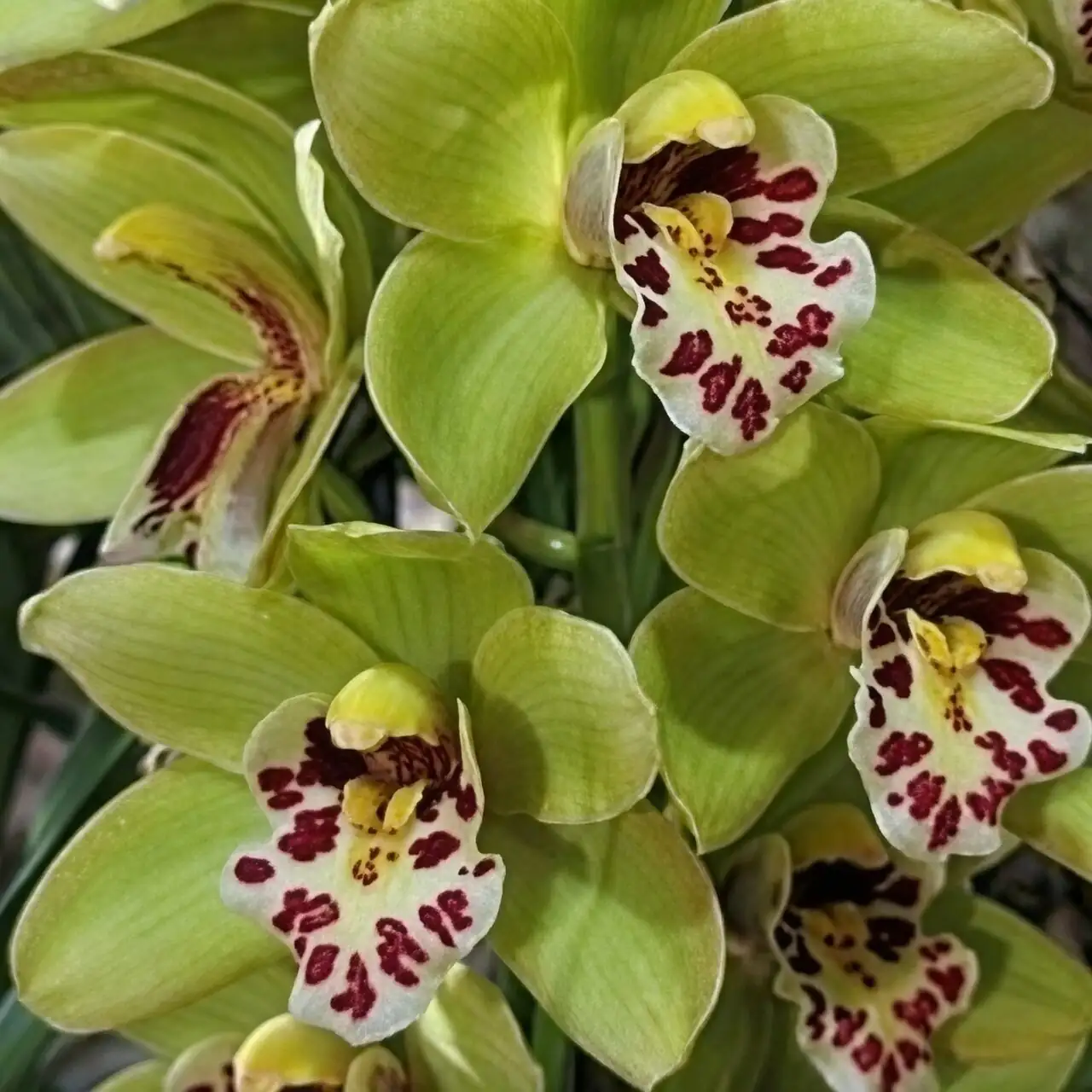
If your Miniature Cymbidium Orchid has gorgeous leaves but refuses to bloom, you’re not alone. Most failures trace back to four friendly-sounding mistakes: dim light, warm nights, soggy media, and pots that are way too big. Here’s your fast, myth-busting roadmap to more spikes and longer shows—without turning your home into a lab.
The fast myth‑buster guide
Myth 1: “Orchids like gentle, low light.”
- Reality: Mini cymbidiums are bright-light lovers. Indoors, aim for the brightest spot you can manage without midday scorch—think an east window with morning sun or a south/west window filtered by a sheer.
- Tell-tale signs:
- Not enough light: leaves are deep, lush green with no spikes.
- Too much direct midday sun: yellowing or crisp edges, especially through hot glass.
- Course correction:
- Nudge the plant closer to a bright window; let it enjoy gentle morning sun.
- Use a sheer curtain at midday to prevent leaf scorch.
- Leaves should be a healthy medium green, not dark forest green.
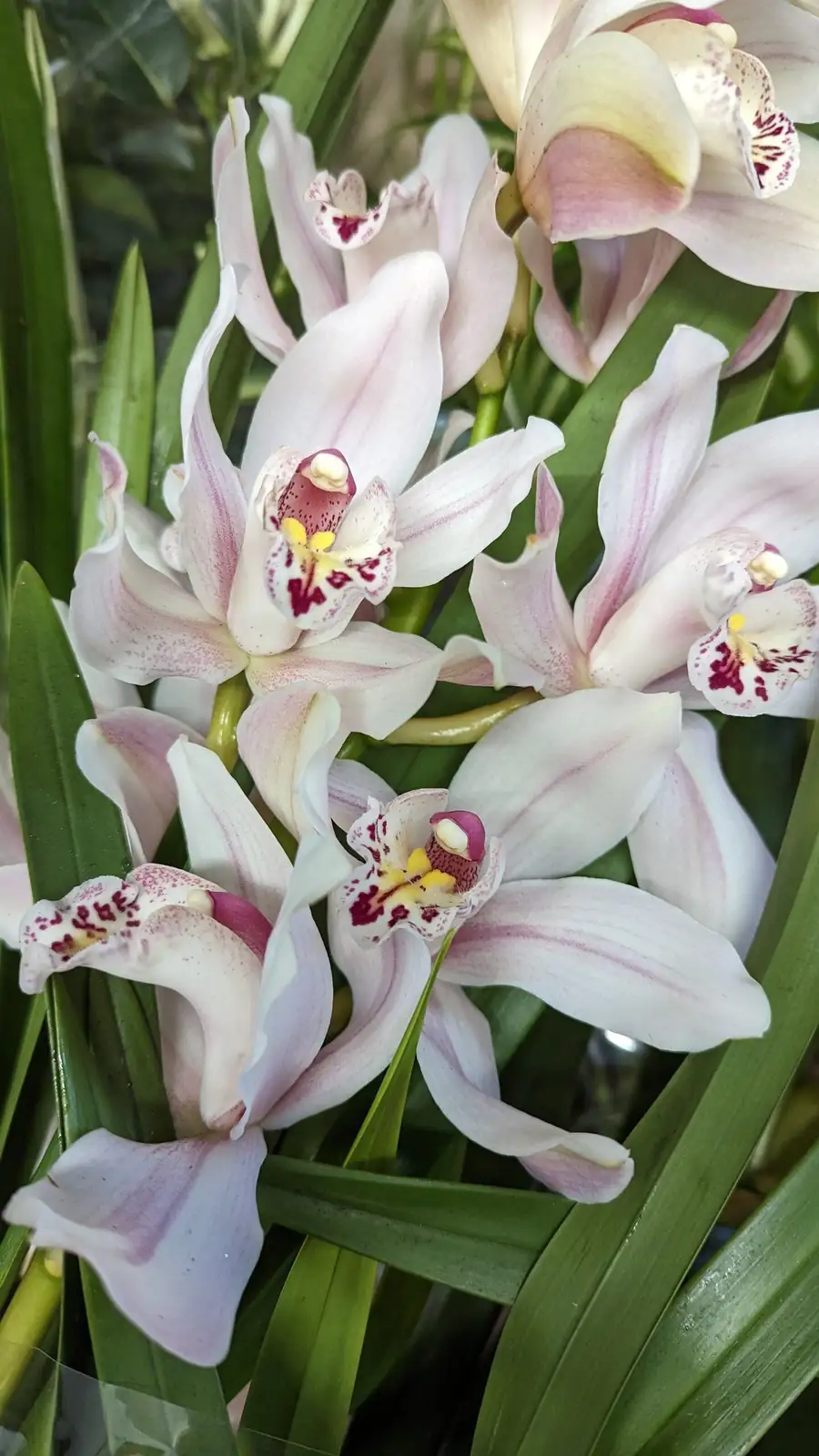
Myth 2: “Warm and cozy nights make orchids bloom.”
- Reality: Flowers need a chill cue. Cool nights in late summer to autumn flip the bloom switch.
- Target: about 10–13°C (50–55°F) at night for several weeks, with bright days.
- Course correction:
- Park it on a bright, cool windowsill or in an unheated but frost‑free sunroom.
- Keep it away from radiators, heating vents, and hot, dry drafts.
- In mild climates, plants can summer outside in bright shade—bring them in before nights drop below about 10°C (50°F), then continue the cool‑night routine indoors.
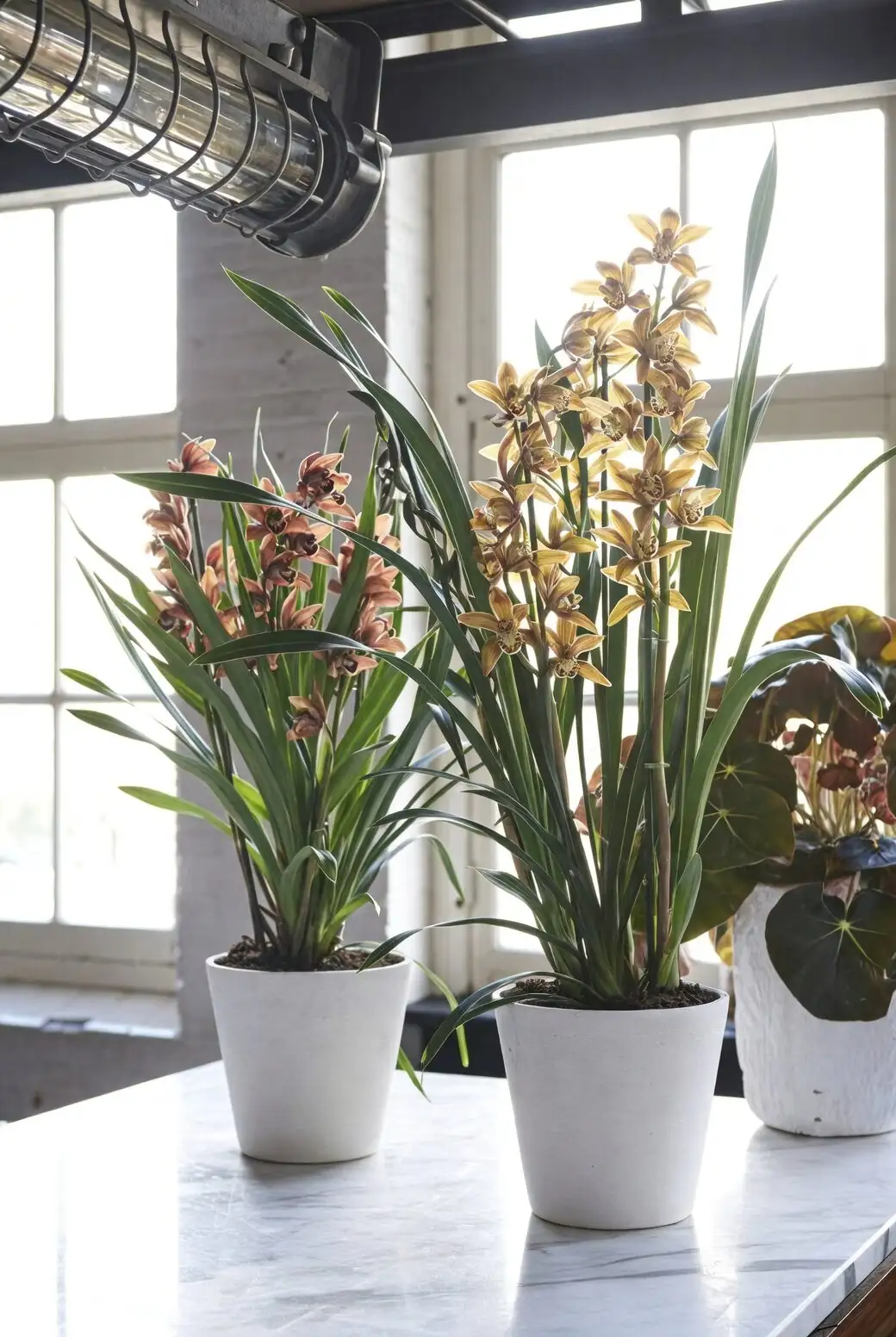
Myth 3: “More water = happier roots.”
- Reality: Soggy media suffocate roots and invite rot; cymbidiums want thorough drinks followed by excellent drainage.
- Course correction:
- Water: Soak the mix fully, then let excess drain away. Keep the mix evenly moist in active growth, but let the top layer dry slightly between waterings. Reduce in winter.
- Mix: Use a free‑draining, bark‑based orchid mix with add‑ins like perlite and/or charcoal. Avoid heavy soils.
- Never leave the pot standing in water; empty cache pots and saucers.
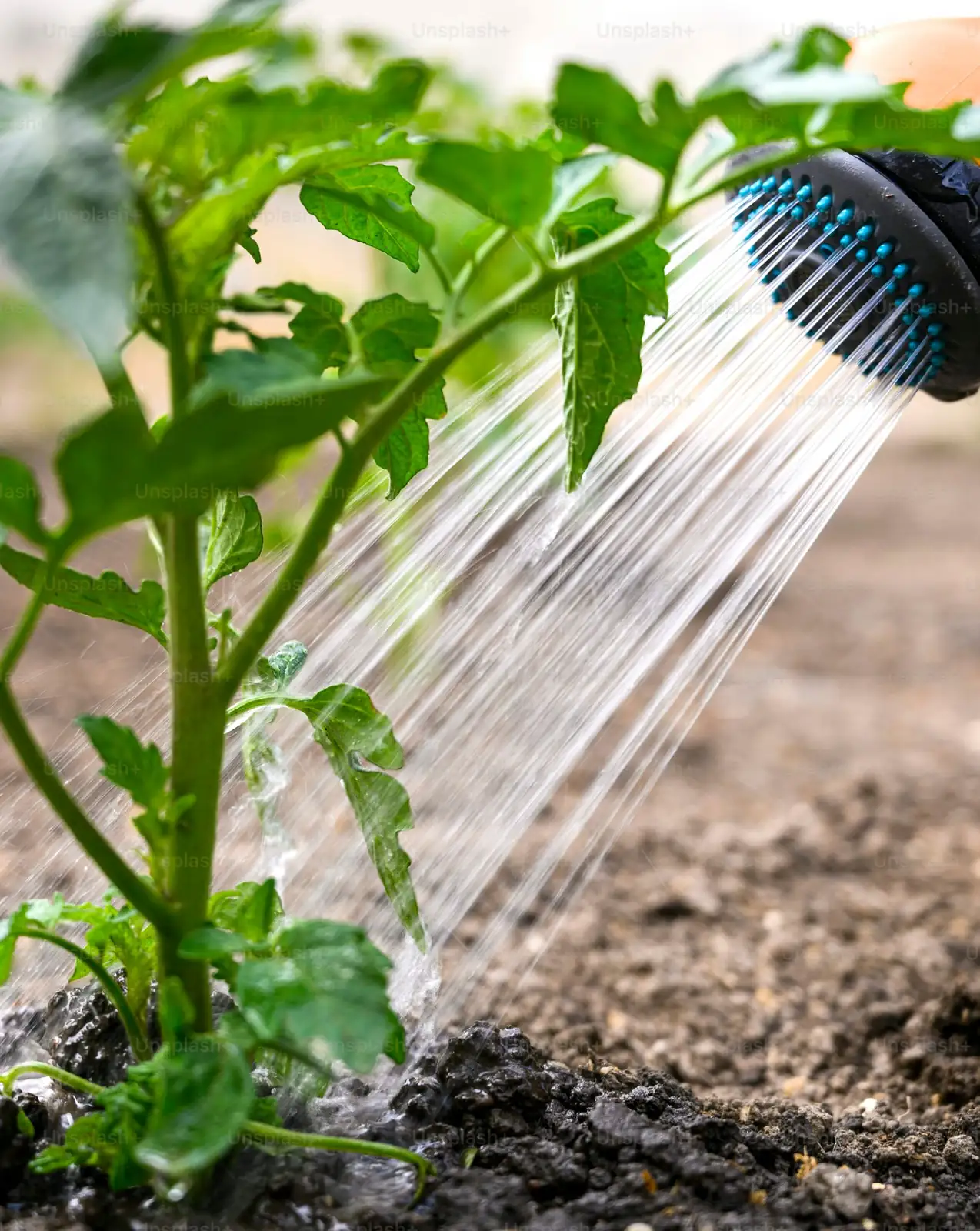
Myth 4: “A bigger pot means more blooms.”
- Reality: Oversized pots stay wet too long and stall growth. Mini cymbidiums prefer a snug fit.
- Course correction:
- Choose a pot just large enough to accommodate the current root mass plus a little room for new growth.
- Repot every 2–3 years (ideally after flowering or as new growth begins) or whenever the mix breaks down.
Meet the plant in a minute
- Name: Miniature Cymbidium Orchid (Cymbidium hybrids, miniature cultivars), Orchidaceae
- Habit: Compact, clumping sympodial orchid with pseudobulbs; evergreen, arching strap leaves
- Size: About 30–60 cm (12–24 in) tall
- Flowers: Waxy, long‑lasting blooms on upright to gently arching spikes; typically winter to spring
Your easy weekly rhythm
- Light check: Keep it in bright, indirect light with gentle morning sun. Adjust seasonally as the sun shifts.
- Water: In growth, water thoroughly then allow the top of the mix to dry slightly. In cool, dark periods, water less.
- Feed: Every 2–4 weeks in active growth with a balanced orchid fertilizer at half strength. Ease off in winter unless you see new growth.
- Air and humidity: 40–60% humidity with gentle airflow. Avoid stale, wet air and avoid bone‑dry rooms.
- Temperature: Best overall growth between 10–24°C (50–75°F). In late summer–autumn, aim for those cooler nights (10–13°C / 50–55°F) to initiate spikes.
Quick diagnostics and fixes
- Plump leaves but wrinkled pseudobulbs: The mix may be staying too wet for roots (rot) or too dry between waterings. Unpot to inspect roots; healthy ones are firm. Trim rot, refresh mix, and adjust watering cadence.
- Bud blast (buds yellow, drop): Nights too warm, air too dry, or sudden changes. Move to a cooler, bright spot with steadier conditions; avoid heater drafts.
- Slow, leafy growth and no spikes: Light too low or nights too warm. Increase brightness (without midday scorch) and introduce the autumn cool‑night routine.
- Leaf tips browning: Salt buildup or underwatering. Flush the pot with plain water monthly and recalibrate your watering to keep the mix evenly moist in growth.
Repotting and division, simplified
- When: Every 2–3 years, after flowering or as new growth begins, or when the mix breaks down.
- How:
- Gently remove old mix; trim dead roots.
- Seat the plant so the newest growths have space to advance.
- Use fresh, airy bark‑based mix; firm lightly so the plant doesn’t wobble.
- Division: Only when the clump is mature. Each division should have several pseudobulbs and healthy roots for a strong restart.
Pests, diseases, and what to do
- Usual suspects: Scale, mealybugs, spider mites, and aphids.
- Response: Isolate, then use horticultural soap or horticultural oil, repeating as needed. Improve airflow.
- Disease watch: Root rot follows stale, broken‑down, or waterlogged media. Repot into fresh, free‑draining mix and reset your watering.
Indoors vs. outdoors
- Indoors: A bright, cool windowsill or frost‑free sunroom is ideal. Keep away from heating vents and hot drafts.
- Outdoors: Only in mild, frost‑free climates (roughly USDA Zone 10–11). Provide bright light with protection from harsh midday sun. Protect from temperatures below 0°C (32°F) and bring inside before nights dip below about 10°C (50°F).
Safety note
- Generally considered non‑toxic to cats and dogs and low risk to people. Any plant chewing can cause mild stomach upset.
Symbolism and “flower language”
- Orchids traditionally symbolize elegance, admiration, and refined beauty, with cymbidiums widely exchanged as celebratory gifts. In East Asian culture, cymbidiums have been praised for centuries in poetry and art as emblems of nobility and cultivated taste. Treat “flower language” as cultural storytelling rather than botany—beautiful context for gifting, but it won’t replace bright light and cool nights for real‑world blooms.
Mini cheat sheet (pin this)
- Light: Bright, indirect; gentle morning sun OK. Avoid harsh midday sun through glass.
- Temps: Grow at 10–24°C (50–75°F). For spikes, give nights around 10–13°C (50–55°F) in late summer–autumn.
- Humidity: 40–60% with gentle airflow.
- Water: Drench, drain, then let the top of the mix dry slightly; never leave standing in water.
- Feed: Balanced orchid fertilizer at half strength every 2–4 weeks in active growth.
- Potting: Snug pot; bark‑based, free‑draining mix. Repot every 2–3 years.
- Season notes: Spring–summer brighter light, regular water, light feeding. Late summer–autumn keep light bright and nights cool to initiate spikes. Winter stay cool and bright; water less; support developing spikes if needed.
Bust the myths, set the scene, and your mini cymbidium will return the favor with those classic, long‑lasting spikes right on schedule.