

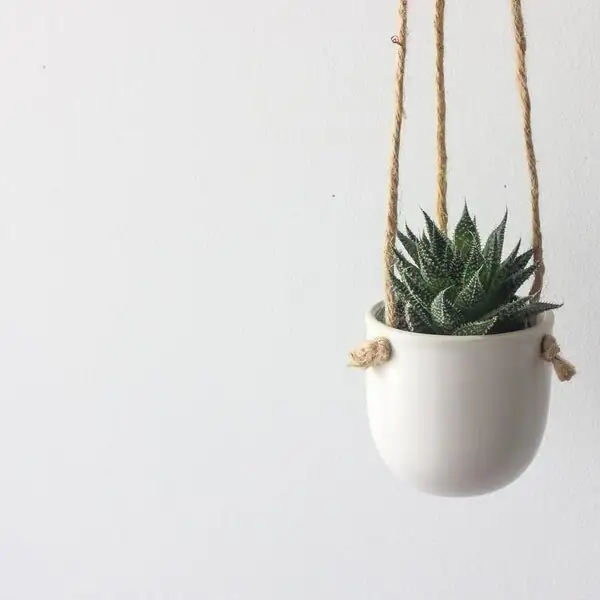
Imagine a slim, matte-white pot catching the first rays of morning sun, a gentle arc of cymbidium leaves poised like calligraphy strokes, and a ribbon of smooth river pebbles glistening beneath. Miniature Cymbidium orchids can be the quiet showpiece of a minimalist room—provided their stage honors airflow, drainage, and those all-important cool autumn nights. This guide blends styling and science so your minis look curated and bloom on cue.
Meet the Plant: Compact Sculpture, Big Presence
- Botanical ID: Cymbidium hybrids (miniature cultivars); Family: Orchidaceae
- Origin: Horticultural hybrids bred for compact growth; the genus is native mainly to Asia and Australia
- Size and habit: 30–60 cm (12–24 in) tall; clumping, sympodial with graceful, strap-like evergreen leaves emerging from pseudobulbs
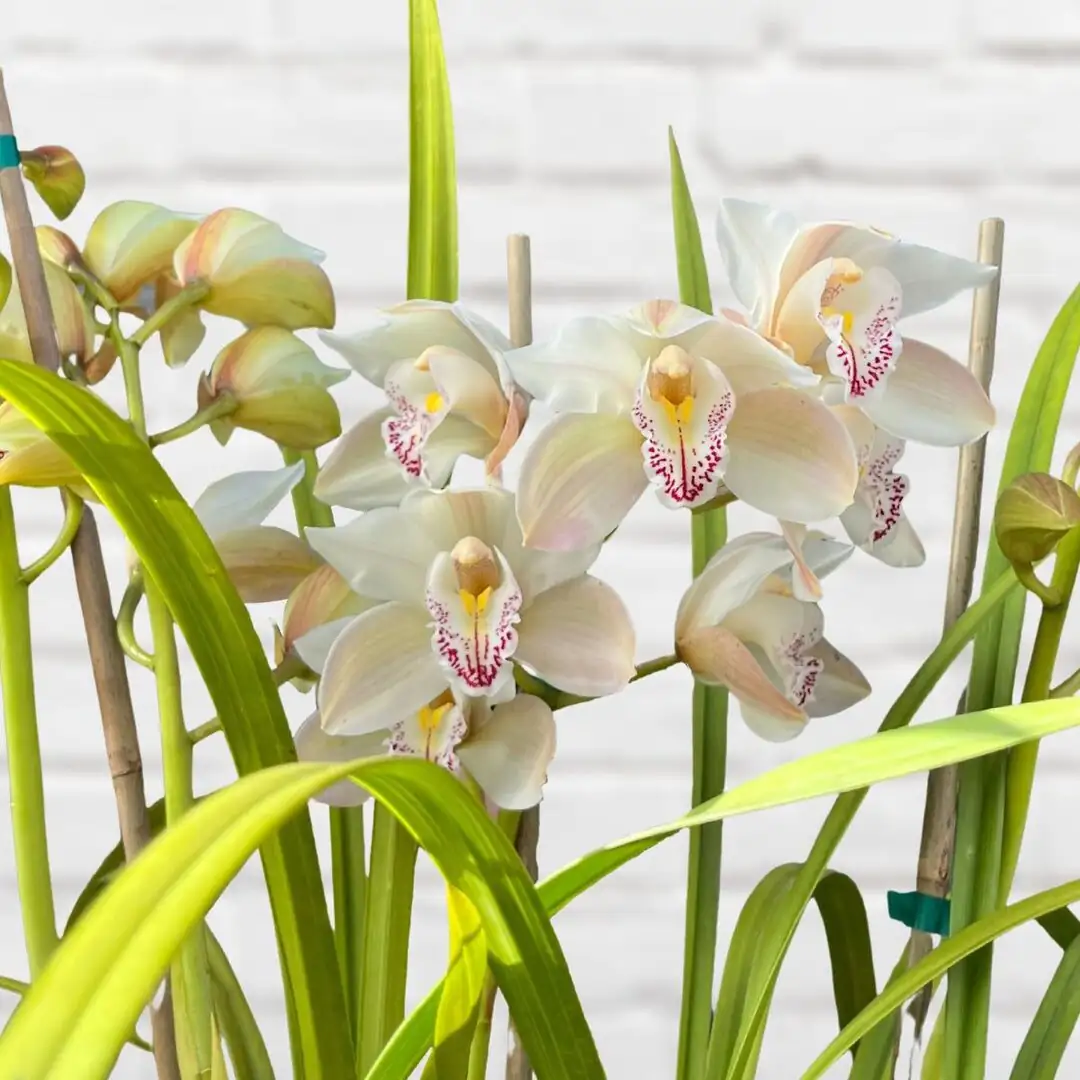
- Flowers: Waxy, long-lasting blooms on upright to gently arching spikes; typically winter to spring (varies by cultivar and care)
- Key to blooms: Bright light plus noticeably cooler nights in late summer to autumn
The Minimalist Stage Set: Pots, Palettes, and Proportion
Minimalism isn’t just a look—it’s practical plant design.
Choose a pot that breathes (and drains)
- Use a snug pot with a drainage hole. Oversized containers stay wet too long and risk root rot.
- If you love sleek cachepots with no holes, double-pot: keep the orchid in its slotted nursery pot and drop it into the decorative vessel. Lift out to water, drain thoroughly, then return.
- Materials: Unglazed or softly glazed ceramic, concrete, or stoneware suit a clean aesthetic and help stabilize taller flower spikes.
Curate a restrained palette
- Classic pairings: matte white, soft grey, or inky charcoal pots with black bamboo stakes and clear clips.
- Let negative space do the work. A single mini cymbidium can command a whole console when the lines are clean and clutter is minimal.
Elevate with quiet lines
- Low, narrow trays or linear stands keep leaves and spikes in view without visual noise.
- Pot feet or a slim cork riser under the cachepot subtly boosts airflow and keeps surfaces dry.
Pebble Trays That Work—and Look Good
A well-designed pebble tray adds a subtle humidity bump and a polished finish.
How to build a display-ready tray
- Choose a shallow ceramic or metal tray a bit wider than your pot.
- Rinse river pebbles; spread them in a single layer.
- Add water to just below the top of the stones—the pot’s base must stay above water.
- Set the potted orchid on the pebbles; wipe the tray edge for that gallery finish.
Design note:
- Keep the stone palette limited—charcoal, bone, or pale granite hues—so the foliage and flowers hold the eye.
- Pebble trays are companions, not terrariums. Miniature cymbidiums appreciate humidity around 40–60% and, crucially, fresh air. Avoid glass cloches or sealed displays that trap stale, wet air.
Light Choreography: Soft Morning Sun, Bright Days
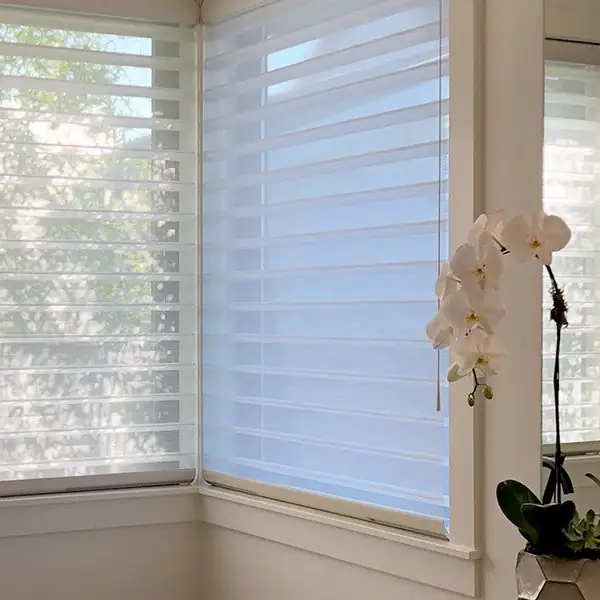
- Best light: Bright, indirect light; gentle morning sun is welcome. An east-facing window is ideal.
- Avoid: Harsh midday sun magnified through glass—this can scorch leaves.
- Styling tip: Sheer curtains dial strong light down to “soft studio” levels without losing brightness.
- Rotate the plant every couple of weeks for even growth, keeping the minimal silhouette balanced.
Temperature: The Elegance Is in the Evening
- Comfortable growth: 10–24°C (50–75°F)
- To trigger spikes: Provide cooler nights about 10–13°C (50–55°F) for several weeks in late summer to autumn.
- Where design meets function:
- A cool windowsill, an unheated but frost-free sunroom, or a bright foyer often runs cooler at night.
- Keep plants away from radiators, heating vents, and hot, dry drafts.
- In mild, frost-free climates (roughly USDA 10–11), you can summer the plant outdoors for light and airflow, then bring it in before nights dip below about 10°C (50°F). Never expose to frost.
Watering and Feeding, Styled for Success
- Watering rhythm:
- Drench the mix thoroughly, then let it drain completely—never leave the pot standing in water.
- During active growth, keep the bark-based mix evenly moist but let the top layer dry slightly between waterings.
- Water less in cooler, darker months.
- Fertilizer:
- Use a balanced orchid fertilizer at half strength every 2–4 weeks during active growth.
- Reduce or pause feeding in winter unless you see fresh growth.
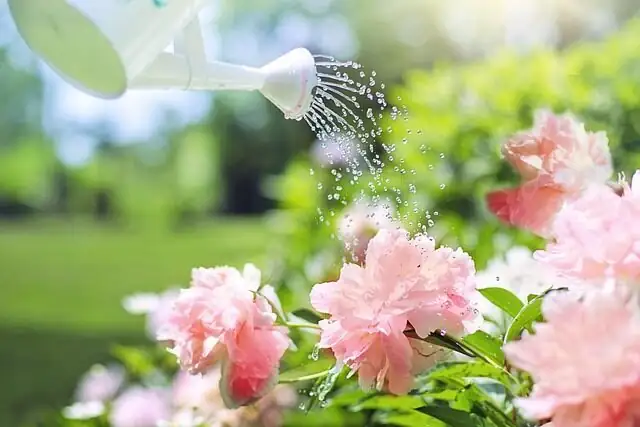
- Designer’s move: Water at a sink with a gooseneck watering can, allow full drainage, then polish the cachepot before returning it to its pebble tray.
Airflow Is a Design Element
- Think “gallery air,” not “greenhouse fog.” Gentle airflow keeps leaves dry and roots healthy.
- Space plants so leaves don’t overlap heavily; this preserves each specimen’s sculptural line.
- A quiet, oscillating fan on low across the room can be invisible to the eye but invaluable to the plant.
Repotting and Grooming for Clean Lines
- Repot every 2–3 years, ideally after flowering or as new growth begins, or when the bark mix breaks down.
- Use a fresh, airy orchid mix (bark-based with perlite and/or charcoal).
- After blooms fade, cut spent spikes near the base. Only remove leaves that are dead or yellowing.
- Support developing spikes with slender stakes; keep ties discreet to maintain the minimalist look.
Four Styled Setups to Try
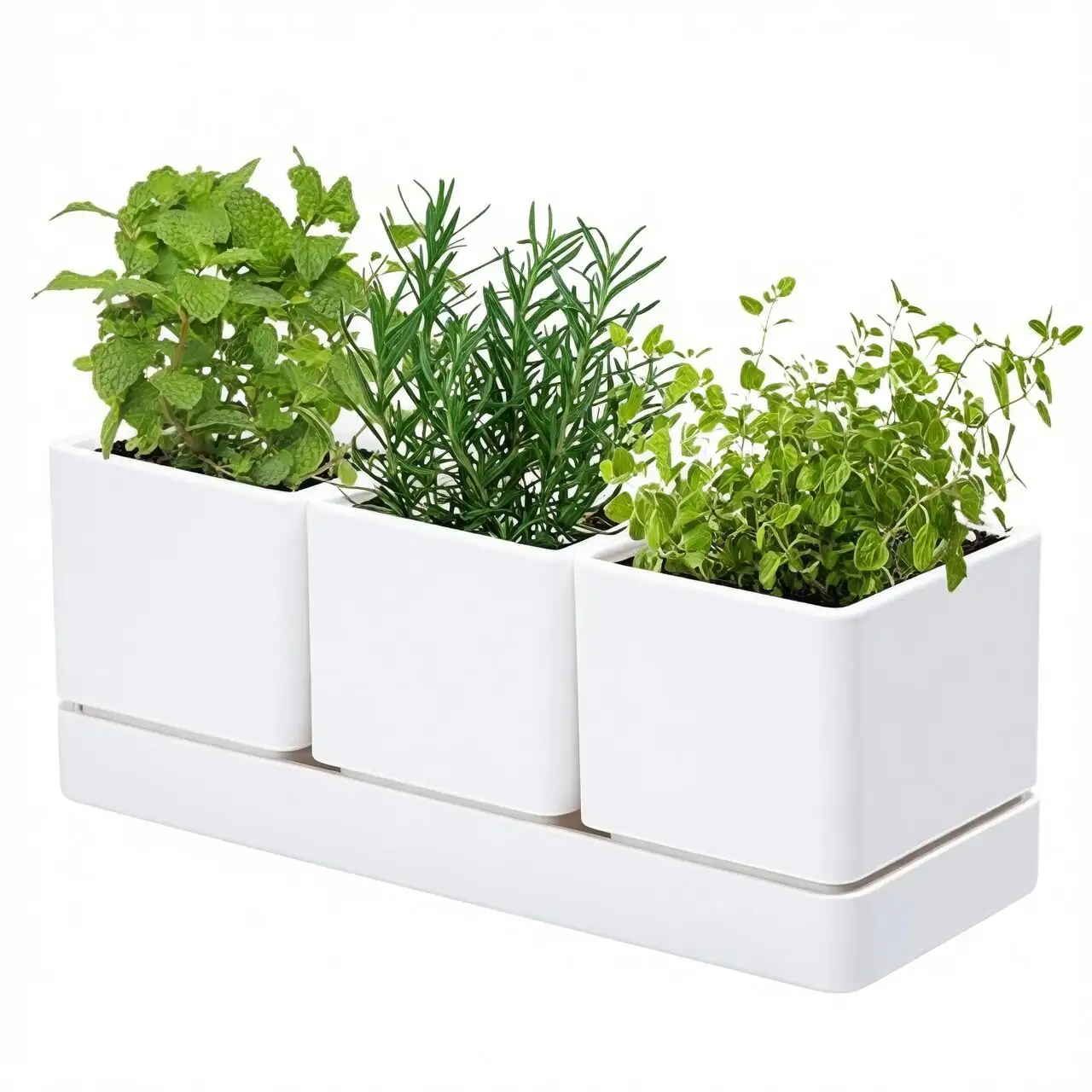
1) East-Window Trio
- Three minis in matte white cylinders on a single, long charcoal pebble tray.
- Morning sun through sheers; a slim fan across the room for movement.
2) Solo Statement on Stone
- One mini in a sand-colored pot on a low stone plinth, river-pebble saucer beneath.
- Perfect for a bright, cool hallway that drops to 10–13°C (50–55°F) on autumn nights.
3) Floating Shelf Spotlight
- A single shelf at eye level near an east or bright north window.
- Negative space all around; a small, hidden cork riser improves drainage and shadowlines.
4) Cachepot Sleight of Hand
- Keep the orchid in a ventilated nursery pot nested inside a minimalist, drainage-free vessel.
- Lift, water, drain, and return—no mess, no compromise.
Troubleshooting: Keep the Calm, Fix the Cause
- No blooms indoors?
- Most often: nights never got cool enough. Aim for 10–13°C (50–55°F) for several weeks in late summer–autumn with bright days.
- Leaf scorch or yellow patches?
- Too much direct midday sun through glass. Soften with sheers or pull the plant slightly back.
- Buds shriveling and dropping?
- Sudden drafts, dry heat, or big temperature swings. Move away from vents and heating sources; maintain steady moisture.
- Roots browning and mushy?
- Mix is too wet or broken down. Repot into fresh, bark-based mix; water thoroughly but let excess drain; never sit in water.
- Pests (scale, mealybugs, spider mites, aphids):
- Wipe leaves, improve airflow, and treat with horticultural soap or oil. Repeat as needed.
Safety, Gifts, and Longevity
- Generally considered non-toxic to cats and dogs and low risk to people, though chewing any plant can cause mild stomach upset.
- Blooms are famously long-lasting, making minis excellent gift orchids and centerpieces that won’t fade overnight.
A Simple Seasonal Checklist
- Spring–summer: Bright light; regular watering; half-strength feeding every 2–4 weeks.
- Late summer–autumn: Keep light bright and provide cool nights (10–13°C / 50–55°F) for several weeks to initiate spikes.
- Winter: Bright and cool; water less; support and enjoy developing spikes.
Quick FAQ
- Why won’t my miniature cymbidium bloom?
- It likely missed the cool-night trigger. Maintain bright light and aim for 10–13°C (50–55°F) nights for several weeks in autumn, away from indoor heat sources.
- Can I grow it outdoors?
- Only in mild, frost-free climates. In most places, summer it outdoors for light and airflow, then bring it in before nights fall below about 10°C (50°F). Protect from any frost.
- Do pebble trays really help humidity?
- Modestly, yes—especially right around the plant. They’re most effective paired with good room airflow and proper watering.
Symbolism, Briefly (and Beautifully)
Orchids have long signified elegance, admiration, and refined beauty—qualities that cymbidiums carry with poise. In gift-giving and decor, they mark celebrations with a quiet assurance: lasting blooms, graceful lines, and the promise of renewal each cool autumn when the nights dip and spikes begin again.
The minimalist secret with miniature cymbidiums is simple: curate the scene, but let biology lead. Bright mornings, airy roots, fresh breezes, and a whisper of cool at night—do this, and your plant will return the favor with weeks of luminous, architectural bloom.