

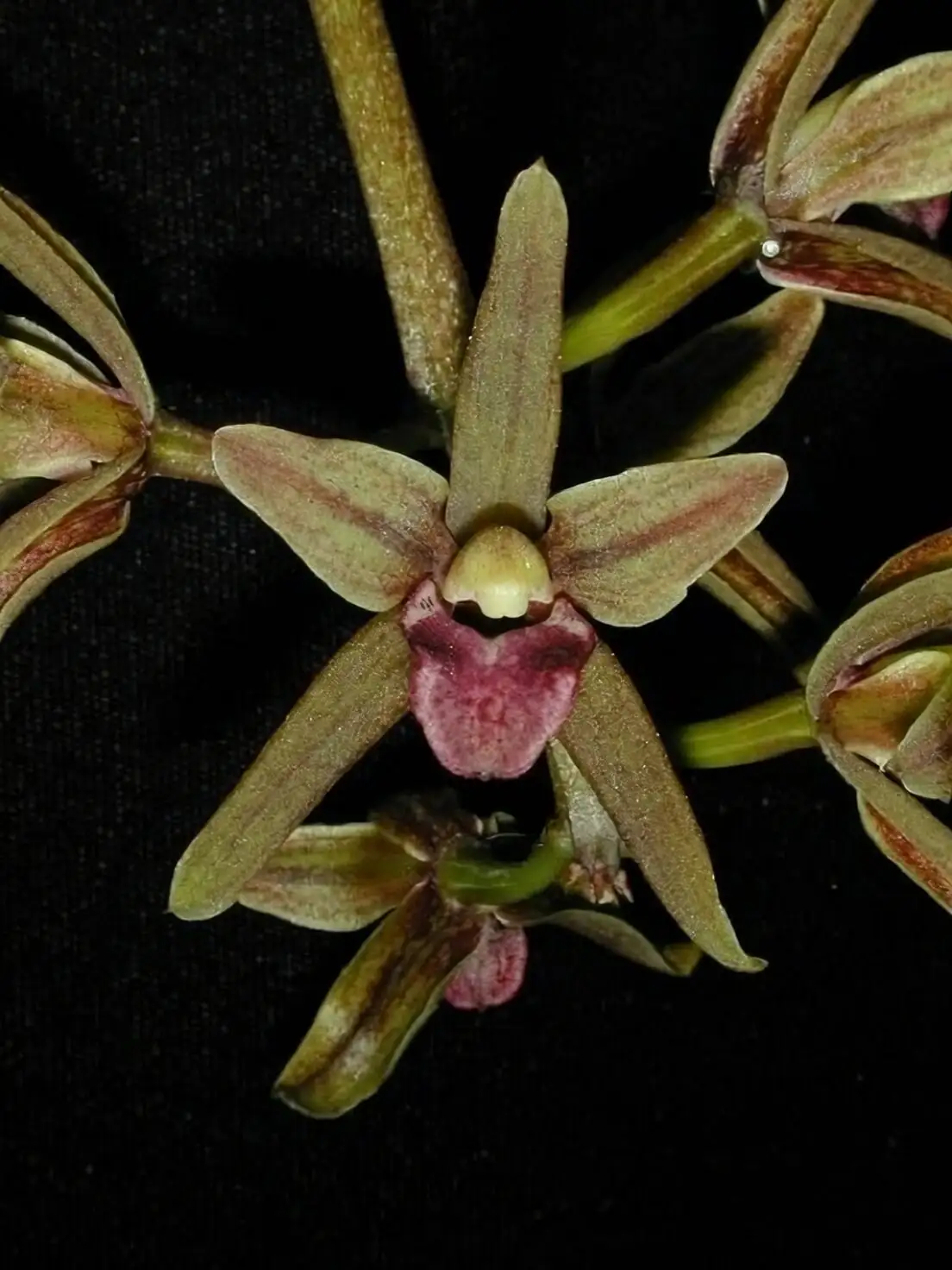
Imagine a glossy little orchestra of flowers bowing on elegant, arching stems—a performance that can last for weeks. That’s the everyday magic of the Miniature Cymbidium Orchid (Cymbidium hybrids, miniature cultivars). Compact enough for a windowsill but grand enough for a standing ovation, these orchids pair classic cymbidium drama with a tidy footprint and surprisingly forgiving manners.
Meet the plant
- Botanical: Cymbidium hybrids (miniature cultivars) — family Orchidaceae
- Also called: Miniature Cymbidium, Mini Cymbidium
- Origin story: Horticultural hybrids bred to stay compact; the genus Cymbidium is native mainly to Asia and Australia
- Size and style: 30–60 cm (12–24 in) tall, clumping and compact with evergreen, strap-like leaves from plump pseudobulbs
- Bloom vibe: Waxy, long-lasting flowers on upright to gently arching spikes; strongest flowering comes with bright light and cooler nights
- Typical flowering season: Winter to spring (varies by cultivar and care)
The curiosity cabinet: four delightful quirks
1) Flowers with “lipstick that doesn’t smudge”
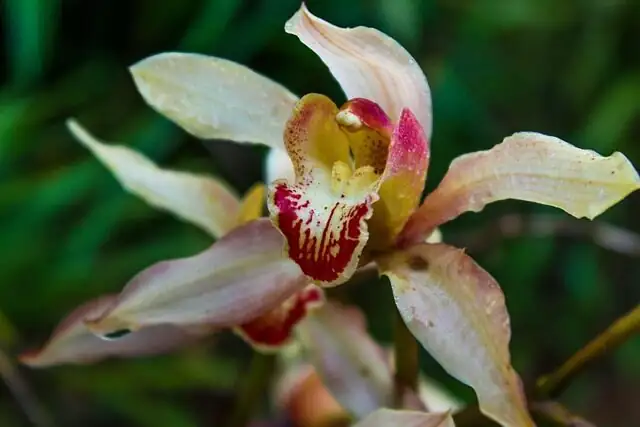
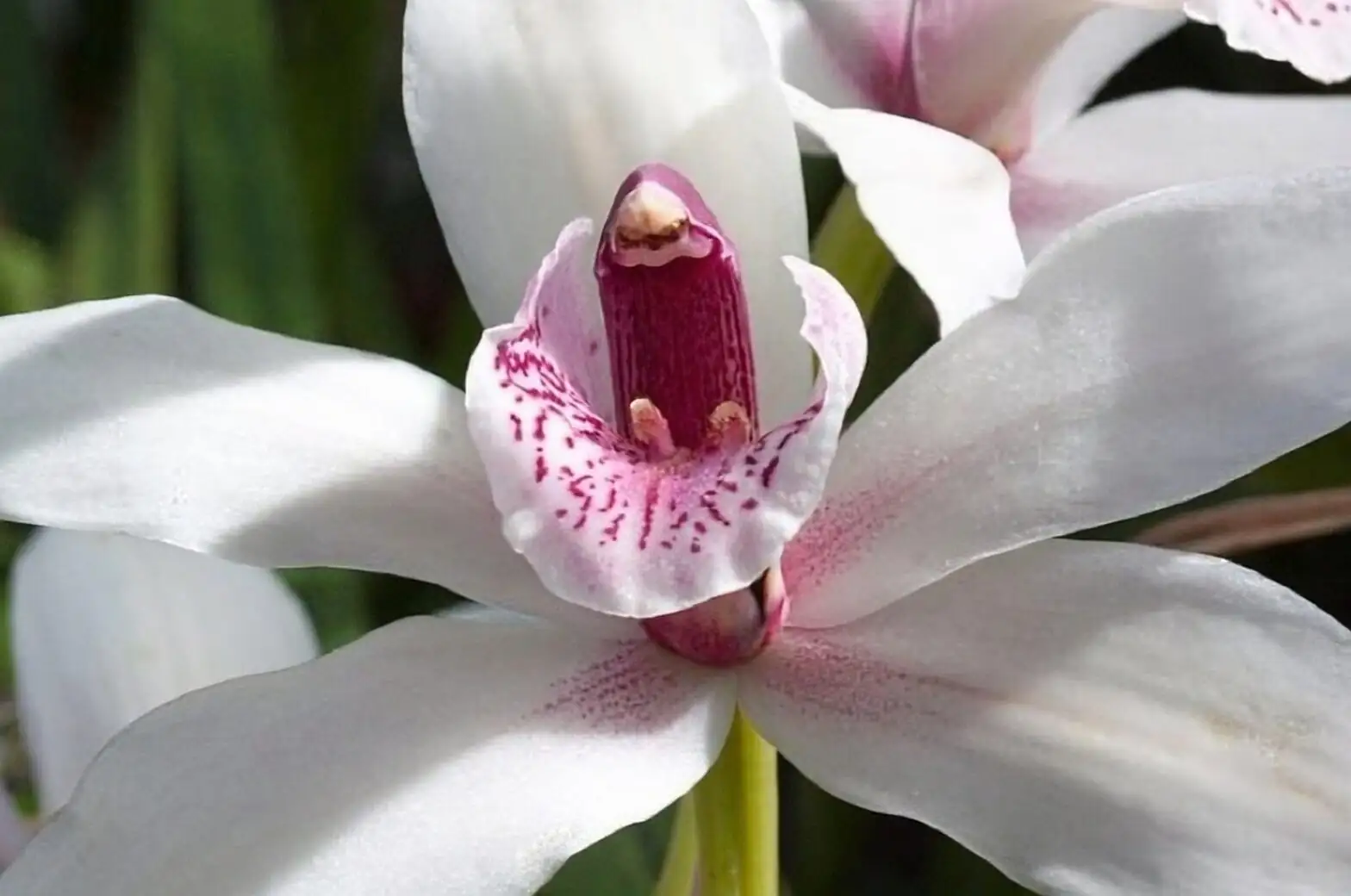
Mini cymbidiums produce durable, waxy blooms that hold for weeks—sometimes longer. Those arching spikes are the perfect runway to show off the flowers’ sheen. Bonus tip: cool, bright conditions help buds develop into a fuller, longer display.
2) Pseudobulbs: the plant’s lunchboxes
Those rounded “bulbs” at the base aren’t bulbs at all but pseudobulbs—storage organs that stash water and nutrients. Plump = happy. If they wrinkle deeply, the plant is telling you it’s too dry or the roots aren’t thriving in the mix.
3) Arching spikes that love a gentle hand
Most minis send up graceful, upright-to-arching spikes from the base of their pseudobulbs. Rotate the pot weekly for even light and use soft clips to support developing spikes, especially as buds swell.
4) Why gentle airflow matters (a lot)
Think “fresh-breeze spa,” not wind tunnel. A light, steady movement of air:
- Reduces stale, damp conditions that lead to rot
- Discourages pests like scale, mealybugs, and mites
- Helps leaves and media dry predictably between waterings
Place the plant away from radiators, heating vents, and hot, dry blasts.
Light, temperature, and humidity: the bloom-trigger trio
Light
- Bright, indirect light is best. Gentle morning sun is usually fine.
- Avoid harsh midday sun through glass, which can scorch leaves.
- If foliage is a very deep green and flowering lags, it’s often a “more light, please” signal—without tipping into direct, burning rays.
Temperature
- Happy growth zone: 10–24°C (50–75°F)
- Flower trigger: In late summer to autumn, aim for noticeably cooler nights—about 10–13°C (50–55°F) for several weeks.
- Not frost-hardy. Protect from temperatures below 0°C (32°F).
Humidity
- Target 40–60% with good airflow.
- Use a pebble tray or humidifier in dry rooms—but never create a muggy, stagnant pocket of air.
Watering and feeding without the drama
- Watering rhythm: Soak thoroughly, then drain completely. During active growth, keep the mix evenly moist but allow the top to dry slightly between waterings. Reduce in cooler, darker periods.
- The big no: Don’t let the pot sit in water; avoid constantly soggy media.
- Feeding: Use a balanced orchid fertilizer at half strength every 2–4 weeks during active growth. Reduce or pause in winter unless the plant is clearly producing new growth.
Potting mix, pots, and repotting
- Mix: Free-draining, bark-based orchid mix with perlite and/or charcoal. Avoid heavy garden soil—it suffocates roots and invites rot.
- Pot size: Snug is good; oversized pots stay wet too long.
- Repot every 2–3 years, ideally after flowering or as new growth begins, or any time the mix breaks down.
- Division: The go-to propagation method—each division should have several pseudobulbs with healthy roots.
Your seasonal cheat sheet
- Spring–summer: Bright light, regular watering, light feeding.
- Late summer–autumn: Keep light bright and introduce cooler nights (10–13°C / 50–55°F) for several weeks to kickstart spikes.
- Winter: Bright and cool. Water a bit less, and support developing spikes if needed.
Where they’re happiest indoors
- A bright, cool windowsill or an unheated but frost-free sunroom.
- Keep away from radiators, heating vents, and hot, dry drafts.
- Maintain gentle airflow—an oscillating fan on low across the room works well.
Health check: pests, diseases, and the fresh-air fix
- Common pests: Scale, mealybugs, spider mites, and aphids. Treat with horticultural soap or horticultural oil; repeat as needed.
- Root rot is the big baddie: Usually from stale, broken-down, or waterlogged media. Repot into fresh, airy mix and adjust watering. Gentle airflow helps prevent these issues.
Safe for pets?
Generally considered non-toxic to cats and dogs and low risk to people. Still, any plant nibbling can cause mild stomach upset—so discourage taste tests.
Buying guide: pick a winner
- Choose firm, plump pseudobulbs and clean, medium- to deep-green leaves.
- Walk away from plants with black spotting, mushy bulbs, or a sour-smelling mix.
- For the longest show, choose a plant with developing spikes or buds rather than fully open blooms.
Symbolism and story
Orchids have long symbolized elegance, admiration, and refined beauty—Cymbidiums, in particular, are classic “gift orchids.” In East Asia they’ve been cultivated and celebrated for centuries, prized for their poise and longevity. Miniature cymbidiums are a modern twist: the result of selective breeding that keeps the timeless cymbidium look while staying delightfully compact for indoor living.
About flower language: Much of today’s “orchid language” blends historical floriography (Victorian-era symbolism) with cultural traditions from Asia, where cymbidiums are esteemed for grace and honor. While modern meanings can be fluid, gifting a mini cymbidium still reads as a compliment to someone’s taste and character.
Quick FAQ
- Why won’t my miniature cymbidium bloom indoors?
- Most often, it never got those cool nights. In late summer to autumn, aim for 10–13°C (50–55°F) at night for several weeks, always with bright light and away from heat sources.
- Can I grow it outdoors?
- Only in mild, frost-free climates (roughly USDA Zone 10–11) with protection. Elsewhere, you can summer it outside in bright, indirect light and bring it in before temperatures drop below about 10°C (50°F). Protect from any frost.
Fun facts to share
- Cymbidium blooms are among the longest-lasting of commonly grown orchids.
- Miniature cymbidiums were bred to suit windowsills while keeping the classic cymbidium flower-spike look.
Mini cymbidiums are like a sleek city apartment with a secret garden inside: compact, serene, and full of quiet spectacle. Give them bright light, cool nights, and that gentle, ever-so-fresh breeze—and they’ll thank you with arches of waxy blossoms that outlast the season.