

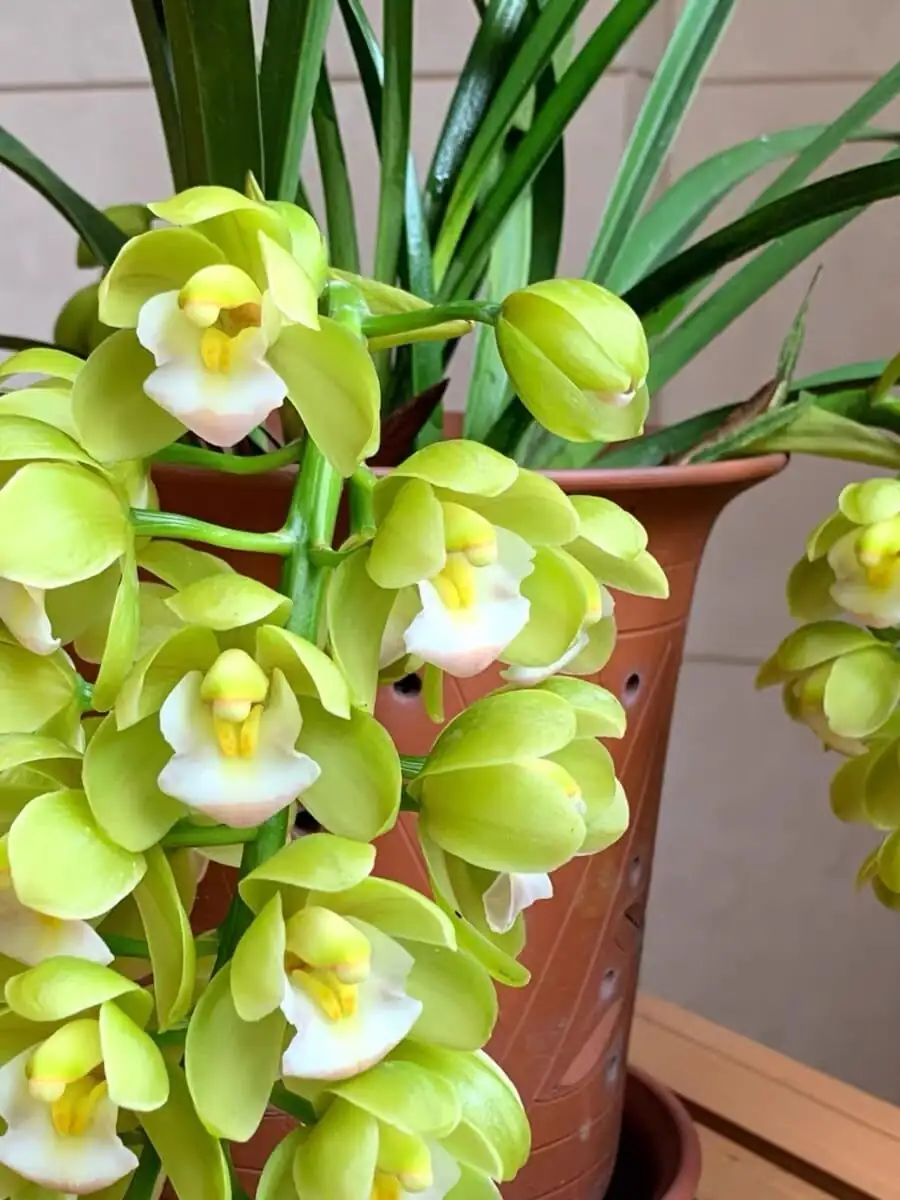
A miniature Cymbidium that flowers on a windowsill is a small miracle of microclimate. The trick isn’t fancy fertilizer or mysterious orchid lore—it’s timing and temperature. Give these compact hybrids bright days followed by genuinely cool nights in late summer through autumn, and you flip the plant’s internal switch from leaf-making to spike-setting. Miss that nightly cool-down, and you may grow a gorgeous tuft of leaves with no blooms. Here’s the science, the timing, and the practical, stress-free ways to make it happen at home.
Why cool nights matter: the science behind the bloom trigger
Cymbidium hybrids (miniature cultivars) evolved from a lineage that experiences warm, bright days and brisk nights. That day–night contrast (often called “DIF”) isn’t just a comfort preference—it reshapes plant physiology:
- Carbohydrate balance: Bright days build sugars; cooler nights slow respiration, conserving those sugars. With energy “in the bank,” miniature cymbidiums can afford to initiate flowers.
- Hormonal signaling: Temperature differentials influence the plant’s hormone and gene-expression patterns toward floral induction rather than continued leaf and pseudobulb growth.
- Resource routing: Mature pseudobulbs act like savings accounts. When nights turn cool late in the season, stored resources get redirected into spike primordia at the base of the newest bulbs.
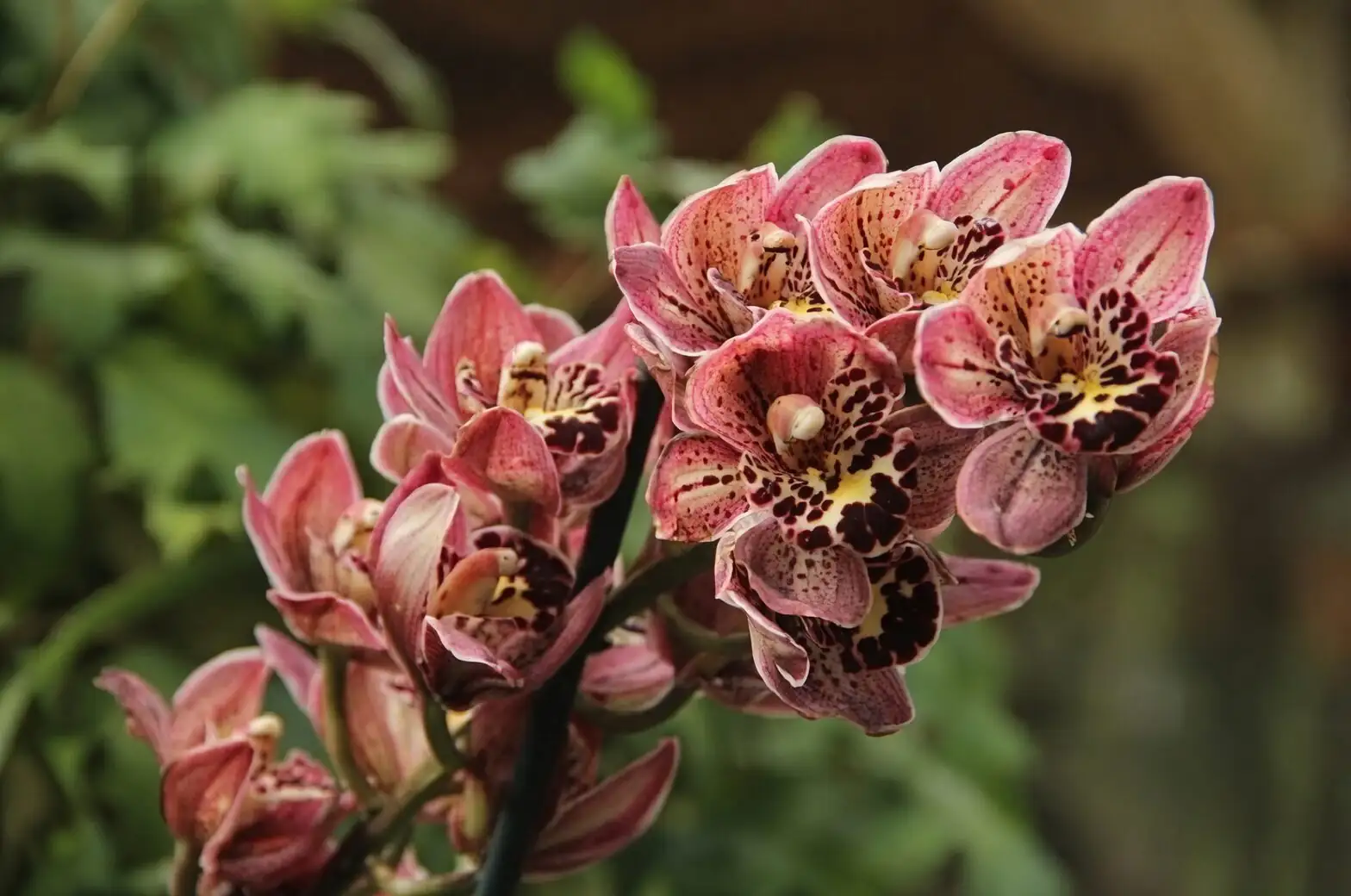
What counts as “noticeably cooler”?
- Aim for bright days with temperatures up to about 24°C (75°F).
- Nights should drop to about 10–13°C (50–55°F) in autumn for several weeks.
- That 10–15°F nightly drop is the reliable signal that miniature cymbidiums understand.
Miniature cultivars are a bit more forgiving than standard cymbidiums and may cope with slightly warmer conditions, but the 50–55°F night target remains the most dependable path to spiking.

How long should the cool-down last?
Hold those cool nights for several weeks in late summer–autumn. Many growers see the first signs of spikes after a month or so of consistent nights at 10–13°C (50–55°F), though timing varies by cultivar and light. Keep nights on the cool side into early winter to support developing spikes.
When to start cooling (late summer to autumn)
Think “after the big summer growth push, before deep winter.”
- Northern Hemisphere cue: Late August through October, as nights naturally begin to dip.
- Plant cue: New growths have mostly matured and leaves feel firm; pseudobulbs are plumping up.
- Practical cue: Day highs are still pleasant indoors, but you can arrange nightly cool pockets near windows without risking frost.
Ramping strategy:
- Week 1–2: Edge the plant closer to the glass at night or slightly crack a window to shave 2–3°C (3–5°F) off room temperature.
- Week 3+: Maintain consistent 10–13°C (50–55°F) nights. Consistency beats dramatic swings.
Windowsill playbook: how to create cool nights without stressing the plant
Choose the right spot
- Best exposures: Bright, cool windows—east for gentle morning sun or bright north light. South/west windows can work if you use sheer curtains to avoid harsh midday sun through glass.
- Keep away from radiators, heating vents, and hot, dry drafts. Even a perfect night temperature is undone by a heat blast at dawn.
Use the “glass chill” at night
- Move the plant 10–30 cm (4–12 in) from the windowpane at night. Glass radiates heat outward, creating a cooler boundary layer right where you need it.
- Create a “cool pocket” by lowering a curtain or blind behind the plant at night, which isolates it from room heat while allowing fresh air near the pane.
Gentle ventilation
- If safe and seasonally appropriate, crack the window slightly after sunset and close it before sunrise. This can produce a reliable 3–7°C (5–12°F) drop compared with room temperature.
- Add a small, quiet fan on low nearby to keep air moving (not blasting). Gentle airflow helps prevent stale, damp conditions that promote rot.

Monitor, don’t guess
- Place a min–max thermometer or a digital temperature/humidity sensor at leaf height. Check the true low before adjusting your routine.
- Target humidity around 40–60%. If indoor air is very dry, a nearby humidity tray (pebbles + water, pot perched above waterline) can help without waterlogging the mix.
Watering and feeding during the cool-down
- Water thoroughly, let it drain completely, and allow the top of the bark mix to dry slightly between waterings. Cooler, darker weeks need fewer waterings.
- Water earlier in the day so foliage and crown are dry by night. Cold + constantly wet media is a root-rot trap.
- Feed lightly with a balanced orchid fertilizer at half strength every 2–4 weeks during active growth; reduce feeding as growth slows into winter.
Light levels that support spiking
- “Bright, indirect” is the goal indoors. Gentle morning sun is fine; avoid harsh midday sun through glass.
- Leaf color should be a healthy medium to deep green. Very dark green suggests it’s too dim; yellowing or scorched tips indicate too much direct sun.
Warm-climate or apartment hacks
- Coolest room at night: An unheated but frost-free spare room or a bright, cool sunroom is ideal.
- Balcony shuffle: If nights are above freezing but can reach 10–13°C (50–55°F), place plants outdoors overnight and bring them in before day warms or any frost risk. Protect from wind and direct midnight-to-morning sun.
- Thermal “pocket”: At night, lower insulating shades, position the plant near the pane, and close the room door to trap a cooler microclimate.
Note: Miniature cymbidiums are not frost-hardy. Protect from temperatures below 0°C (32°F).
Recognizing success—and avoiding pitfalls
Signs of spike initiation
- Look for firm nubs emerging low at the base of the most recent pseudobulb, often sheathed and slightly more rounded than a leaf shoot.
- As spikes extend, keep light bright and nights cool to prevent bud blast.
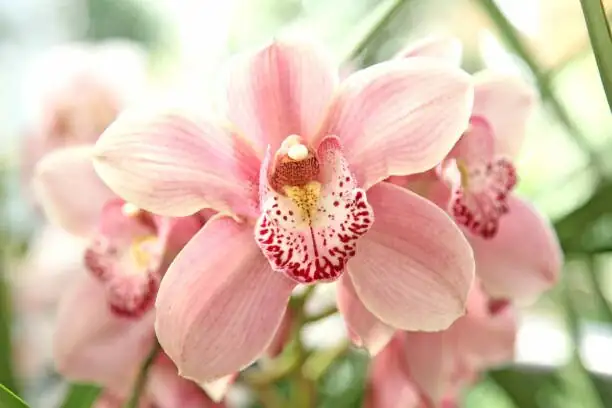
Common mistakes to avoid
- Warm nights in autumn: The top reason plants don’t spike indoors.
- Overwatering in cool conditions: Leads to root rot in bark that stays soggy.
- Harsh midday sun through glass: Can scorch leaves, then plants sulk instead of spiking.
- Heat sources nearby: Radiators, hot vents, or constant warm drafts undo your night-time efforts.
Bud health
- Once buds form, avoid extreme temperature swings and very low humidity. Keep gentle airflow to discourage fungal spotting.
A simple seasonal windowsill calendar
- Spring–summer
- Bright light; regular watering; light feeding every 2–4 weeks.
- Day temps comfortably within 10–24°C (50–75°F).
- Build strong leaves and plump pseudobulbs—the energy your plant will spend on flowers later.
- Late summer–autumn
- Maintain bright light.
- Start and hold cool nights about 10–13°C (50–55°F) for several weeks to initiate spikes.
- Water slightly less as growth slows; never let the mix stay sodden.
- Winter to early spring
- Keep conditions cool and bright.
- Water less frequently but thoroughly; support developing spikes if they arch.
- Enjoy long-lasting, waxy blooms.
Miniature Cymbidium essentials at a glance
- Size and habit: Compact, clumping orchids with strap-like evergreen leaves (30–60 cm tall).
- Potting: Free-draining, bark-based orchid mix; repot every 2–3 years or when media breaks down.
- Humidity: 40–60% with gentle airflow.
- Safety: Generally non-toxic to cats and dogs.
- Pests: Watch for scale, mealybugs, spider mites, and aphids; treat early with horticultural soap or oil.
A brief note on symbolism
Orchids have long symbolized elegance, admiration, and refined beauty. Cymbidiums, celebrated for their poised sprays and exceptional flower longevity, are classic gift orchids in many cultures. While “flower language” (花语) is a modern, often romantic shorthand rather than a strict historical code, the association fits: a well-bloomed cymbidium—especially a miniature that performs on a humble windowsill—doesn’t shout. It whispers excellence and care.
—
Set your miniature cymbidium up with bright days and reliably cool nights as summer wanes, and you’re speaking its native dialect. Do that gently, week by week, and your windowsill will answer back in winter with polished spikes of long-lasting bloom.