

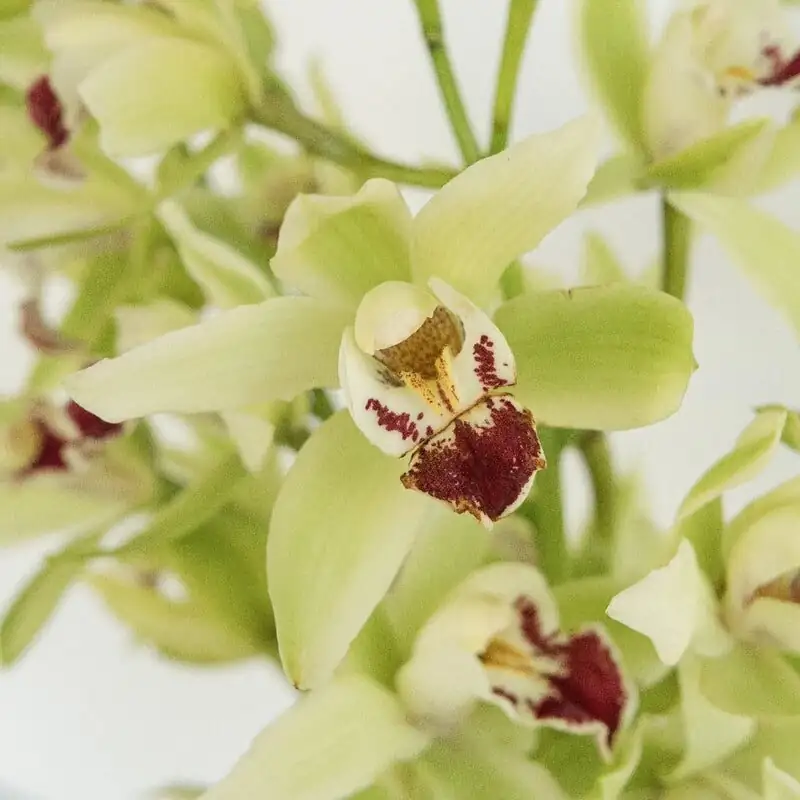
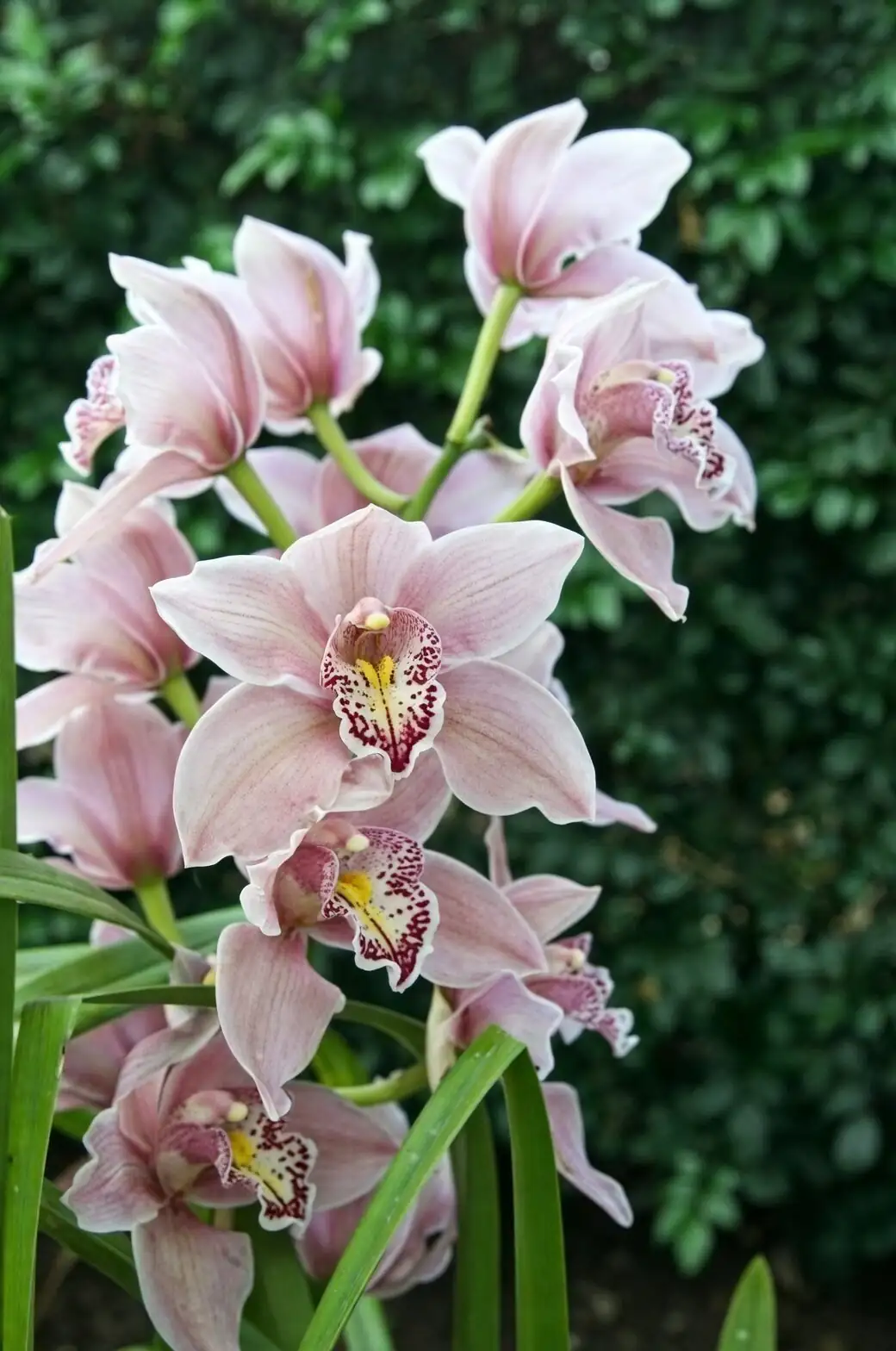
Miniature Cymbidiums are the window-sill cymbidiums with full-size attitude—compact clumps of glossy, straplike leaves that send up elegant, waxy flower spikes in winter to spring. They’re forgiving day-to-day, yet there’s one simple seasonal secret that transforms them from “nice foliage” into steady bloomers: cool nights. Here’s your step-by-step blueprint that demystifies light, watering, humidity, and that bloom-triggering temperature drop.
Meet your plant
- Name: Miniature Cymbidium Orchid (Cymbidium hybrids, miniature cultivars), family Orchidaceae
- Origin: Horticultural hybrids bred for compact growth; the Cymbidium genus is native mainly to Asia and Australia
- Size: 30–60 cm (12–24 in) tall; evergreen, clumping, with pseudobulbs
- Why people love them: Long-lasting, showy, cymbidium-style blooms on a plant that fits a windowsill
The quick-start care blueprint (read this first)
1) Light: Bright, indirect light all day; gentle morning sun is fine. Avoid harsh midday sun through glass.
2) Watering rhythm: Soak the potting mix thoroughly, then drain completely. Keep evenly moist in active growth; let the top of the mix dry slightly between waterings. Reduce in cooler, darker periods.
3) Humidity and airflow: Aim for 40–60% humidity with gentle air movement. Avoid stale, wet air and desert-dry rooms.
4) Temperature sweet spot: Best growth at 10–24°C (50–75°F).
5) The cool-night trick: In late summer to autumn, give nights around 10–13°C (50–55°F) for several weeks to trigger spikes.
6) Potting mix: Free-draining, bark-based orchid mix with perlite/charcoal; snug pot, never heavy soil.
Light, decoded
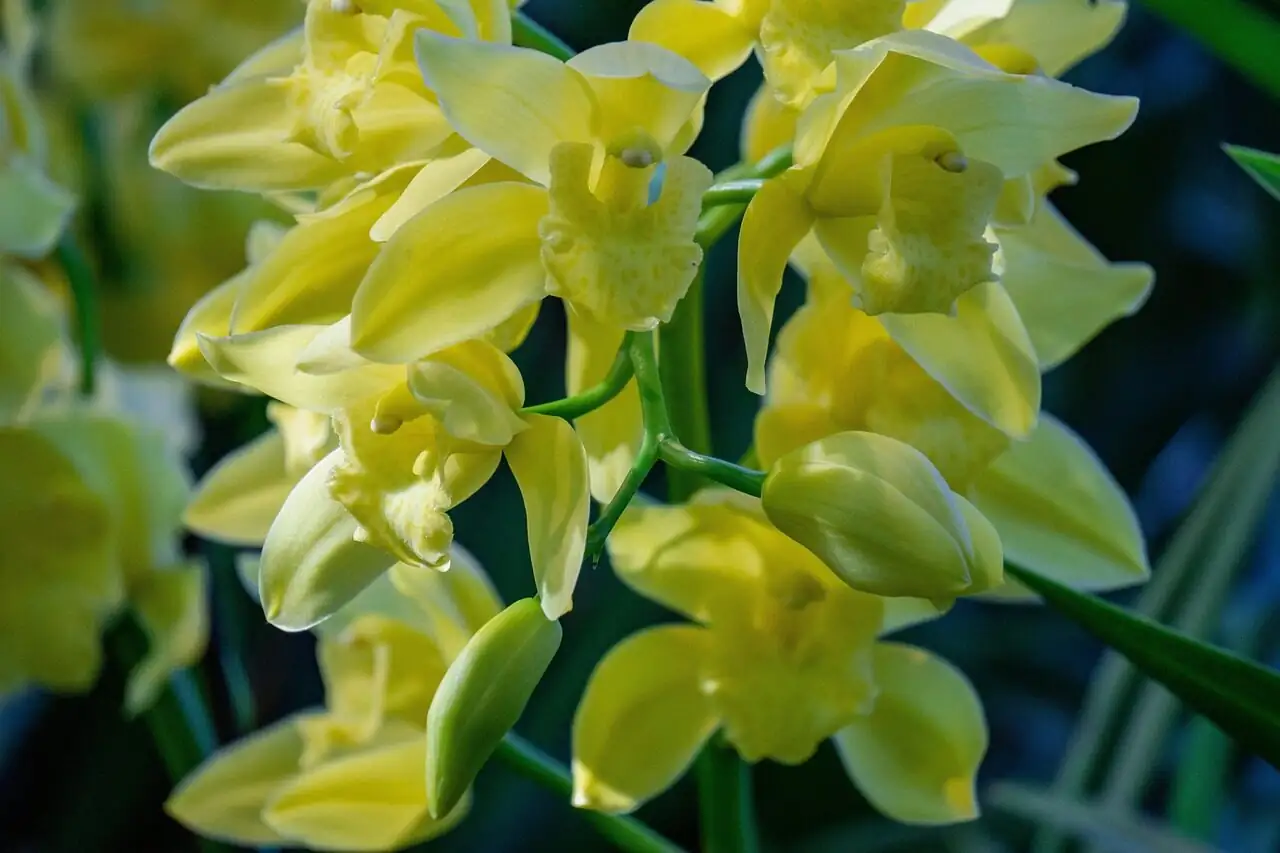
- Where to place it:
- East window: ideal bright mornings.
- Bright south/west window with a sheer curtain: great, but buffer midday glare.
- Unheated but frost-free sunroom: excellent if bright.
- Leaf-readers’ guide:
- Medium golden-green: just right.
- Dark green: not enough light—move closer to brightness.
- Yellowing or reddening, or leaves hot to the touch: too much direct sun.
- Pro tip: Indoors, aim for long stretches of bright, indirect light. Harsh midday rays through glass can scorch.
Watering rhythm you can trust
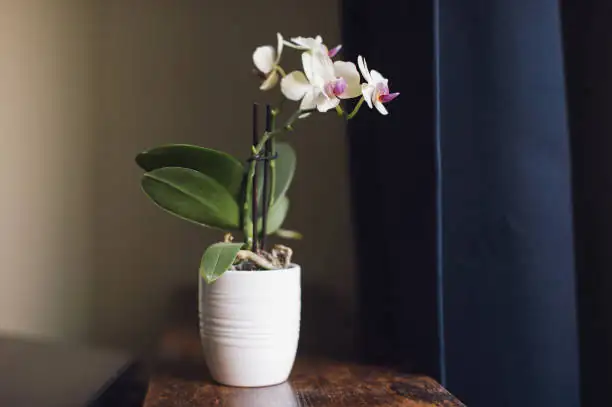
- The soak-and-drain method:
- Water until the mix is fully wet and water runs from the drainage holes.
- Let it drain completely—never let the pot stand in water.
- Frequency cues:
- Spring–summer (active growth): keep evenly moist but not soggy. Let the top of the mix dry slightly between waterings.
- Winter or low light: water less often, but don’t let it bone-dry.
- Simple gauge: Push a bamboo skewer deep into the mix. If it comes out cool and slightly damp, wait a bit; if mostly dry, it’s time to water.
- Red flags:
- Constantly soggy media = risk of root rot.
- Shriveling pseudobulbs = often underwatering or stale, broken-down mix.
Humidity and airflow made easy
- Target 40–60% humidity.
- How to achieve it:
- Pebble tray with water (pot sits on pebbles, never in water).
- Small room humidifier nearby.
- Group plants loosely to raise local humidity.
- Airflow matters: Gentle air movement helps prevent pests and rot—avoid sealing the plant in a humid “bubble.”
The cool-night trick that makes blooms happen
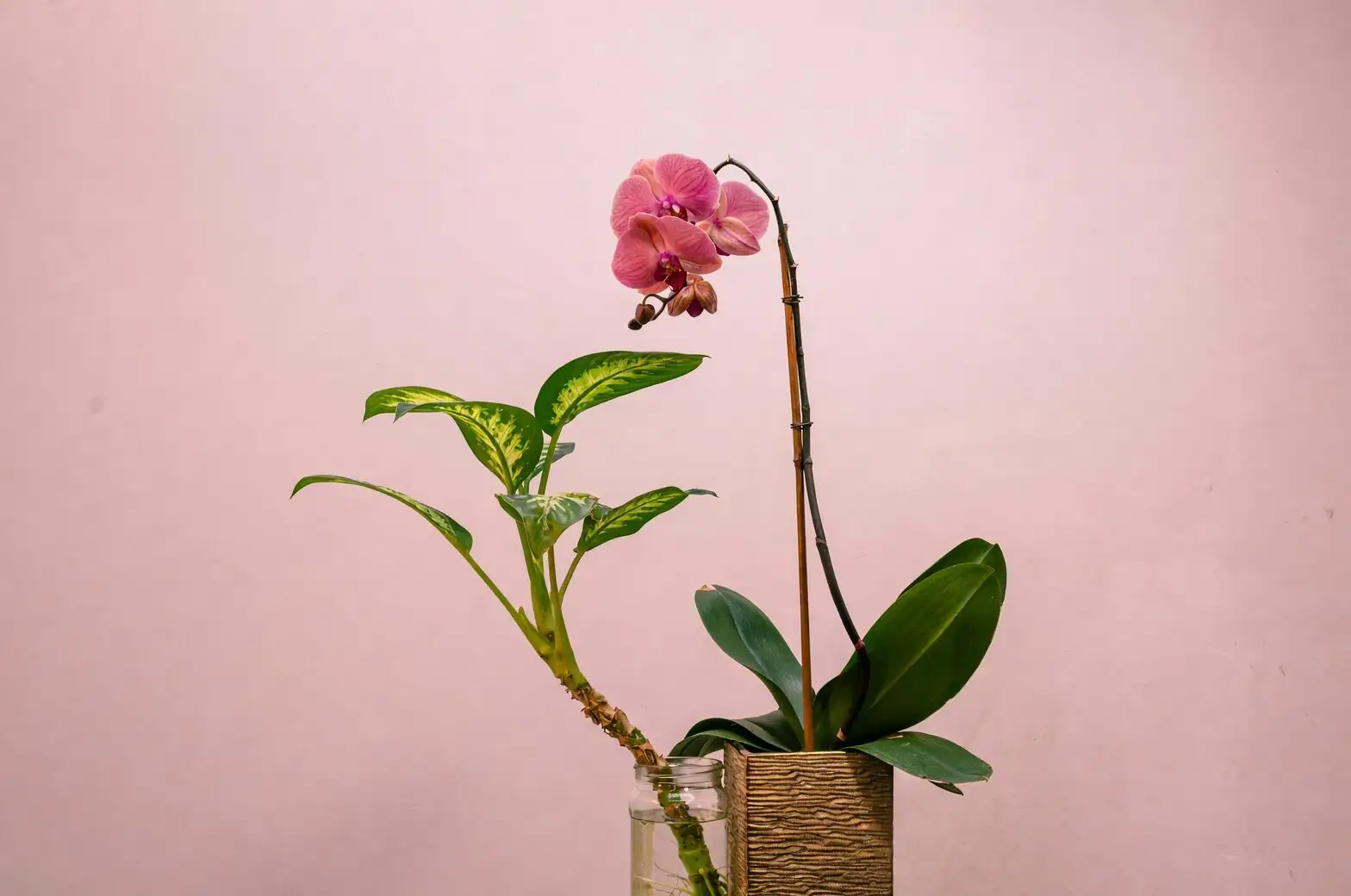
Miniature Cymbidiums bloom best after a period of bright days and distinctly cooler nights.
- Timing: Late summer to autumn.
- Goal: Night temperatures around 10–13°C (50–55°F) for several weeks.
- How to do it:
- Use a bright, cool windowsill, an unheated but frost-free sunroom, or open a window at night if conditions are safe.
- Keep away from radiators, heating vents, or hot, dry drafts.
- While you’re cooling:
- Keep light bright.
- Keep watering steady but never soggy.
- Feed lightly (see fertilizer section).
- After spikes form:
- Keep conditions cool and bright.
- Stake or support gently if spikes arch.
Feeding, the simple way
- During active growth: Balanced orchid fertilizer at half strength every 2–4 weeks.
- Winter: Reduce or pause unless the plant is clearly pushing new growth.
- Always fertilize onto a pre-moistened mix to avoid root tip burn.
Potting mix, repotting, and division
- Mix: Free-draining orchid bark blend with perlite/charcoal. Avoid regular potting soil.
- Pot size: Snug is better; oversized pots stay wet too long.
- When to repot:
- Every 2–3 years, ideally after flowering or as new growth begins.
- Or sooner if the mix breaks down, drains poorly, or roots are crammed and unhappy.
- How to repot (quick steps):
1) Gently remove plant; tease away old, broken-down mix.
2) Trim dead roots; keep firm, healthy ones.
3) Set the plant so the newest growths have room to expand.
4) Backfill with fresh, airy bark mix; tap the pot to settle.
5) Water lightly the first week, then resume normal care.
- Division (when clumps are mature):
- Each division should have several pseudobulbs plus healthy roots.
- Divide after flowering for least disruption.
A friendly seasonal calendar
- Spring–summer:
- Bright light, regular watering, light feeding.
- Outdoors only in mild, frost-free climates; otherwise a bright indoor spot.
- Late summer–autumn:
- Keep light bright and introduce cool nights (10–13°C / 50–55°F) for several weeks to initiate spikes.
- Winter:
- Keep cool and bright.
- Water less often but don’t let it dry to dust.
- Support developing spikes if needed.
- Flowering season: Typically winter to spring, varying by cultivar and conditions.
Placement and hardiness
- Indoors: A bright, cool windowsill or an unheated, frost-free sunroom is perfect. Keep away from heaters and hot drafts.
- Outdoors: Only in mild, frost-free climates (roughly USDA Zone 10–11) with protection. In most regions, summer outside is okay but bring it in before temperatures drop below about 10°C (50°F). Never expose to frost.
After flowering
- Cut the spent flower spike near its base.
- Don’t remove healthy green leaves—they’re food factories for next year’s blooms.
- Keep light bright; continue moderate watering and light feeding in growth.
Troubleshooting: fast diagnostics
- No blooms indoors:
- Most common cause: No cool-night period in late summer–autumn.
- Also check: Light too low, plant near a heater, or feeding stopped during growth.
- Leaf tips browning:
- Often low humidity or salts buildup; ensure good humidity and water thoroughly.
- Leaves scorched or reddish:
- Too much direct sun, especially midday through glass—add sheer curtain.
- Pseudobulbs shriveling:
- Underwatering, poor roots, or old, sour mix—inspect roots and refresh mix.
- Bud blast (buds shrivel/fall):
- Sudden temperature swings, very dry air, or drafts. Stabilize conditions and humidity.
Pests and diseases
- Usual suspects: Scale, mealybugs, spider mites, aphids.
- First response: Isolate, increase airflow, and wipe/rinse affected areas.
- Treatments: Horticultural soap or horticultural oil as labeled.
- Root rot watch: Stale, broken-down, or waterlogged media invite trouble—repot into fresh, airy bark and adjust watering.
Buying guide (for the longest show)
- Choose plants with firm, plump pseudobulbs and clean green leaves.
- Avoid black spotting, mushy bulbs, or a sour smell from the pot.
- For maximum bloom time at home, pick a plant with developing spikes or buds, not one already fully open.
Safety
- Generally considered non-toxic to cats and dogs and low risk to people. Chewing any plant may cause mild stomach upset.
Backstory, uses, and a note on symbolism
- A bit of history: Cymbidiums have been cherished across Asia for centuries and remain cornerstones of modern orchid growing. Miniature cymbidiums were bred to deliver that classic cymbidium elegance in a compact, windowsill-friendly size.
- Uses: Ornamental flowering houseplant and a popular gift; blooms are long-lasting and suitable for cut arrangements.
- Symbolism (flower “language”): Orchids have long symbolized elegance, admiration, and refined beauty. While meanings vary by culture and era, cymbidiums in particular are favored as celebratory “gift orchids”—their poised, enduring blooms often stand for respect and well-wishing rather than romance alone.
FAQ
- Why won’t my miniature cymbidium bloom indoors?
Bright light plus cool nights in late summer to autumn is the key. Aim for night temperatures around 10–13°C (50–55°F) for several weeks while keeping the plant away from indoor heat sources.
- Can I grow it outdoors?
Only in mild, frost-free climates. In most regions, you can summer it outside in bright, protected conditions but bring it back in before temperatures drop below about 10°C (50°F), and protect it from any frost.
Fun facts
- Cymbidium blooms are among the longest-lasting orchid flowers—often showy for weeks.
- Miniature cymbidiums were bred to bring full cymbidium charm to everyday spaces like windowsills.
With bright, indirect light, a steady soak-and-drain watering rhythm, comfortable humidity, and that deliberate dip to cool nights in autumn, your compact cymbidium will graduate from good greenery to a winter-spring bloom machine.