

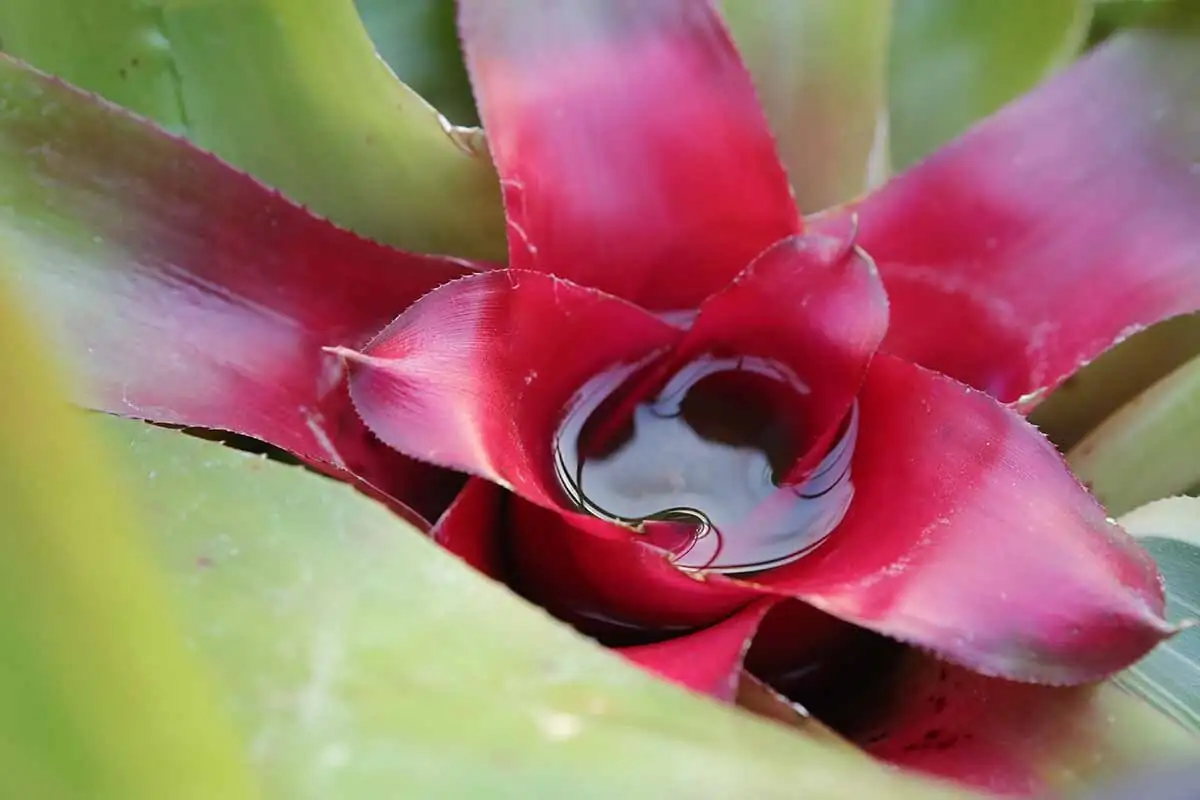
Think of bromeliads as living fountains. Some hold a little pool right in their leafy rosette; others skip the cup and prefer a quick drink at their roots. Get the watering right, and those vivid bracts stay showy for weeks to months while pups queue up to continue the display. Here’s your hands-on, season-savvy guide for both cup-forming “tank” types (Guzmania, Vriesea, many Aechmea) and non-tank bromeliads.
Meet your bromeliad: tank vs. non-tank at a glance
- Cup-forming (“tank”) bromeliads
- Leaves make a vase-like reservoir in the center. Keep a small amount of clean water in this cup and refresh it regularly.
- Still need a lightly moistened, free-draining mix at the roots.
- Non-tank bromeliads
- Don’t hold water in the rosette. Water the potting mix, then let it drain and partially dry before the next drink.
- Common non-tank houseplant types include earth stars (Cryptanthus) and some terrestrial forms.
Tip: Most popular indoor bromeliads are naturally epiphytic. In nature they anchor to trees; their roots like air, not a swamp. That’s your north star for watering.
The golden rule: drainage, drainage, drainage
- Use an airy, bark-based mix (for example: orchid bark + perlite/pumice + a bit of peat-free compost or coco coir; optional horticultural charcoal).
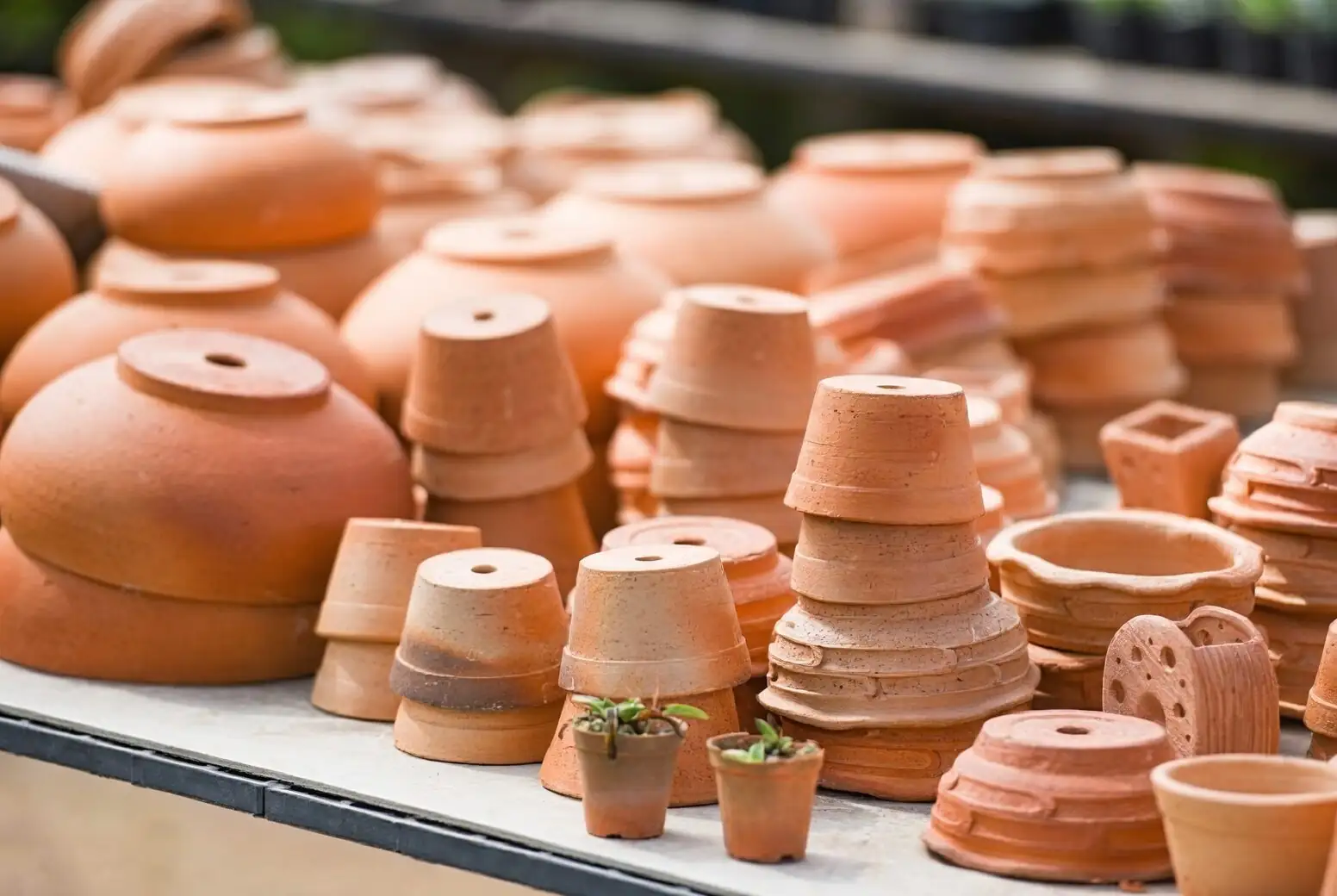
- Pot small and snug with generous drainage holes. Terracotta is a plus. Never park the pot in a saucer of runoff.
- Water with room‑temperature water. Discard all excess—no exceptions.
- Light: bright, indirect (a little gentle morning sun is fine). More light + warmth = faster drying; shade + cool temps = slow drying.
Watering cup-forming bromeliads (Guzmania, Vriesea, many Aechmea)
How much water goes in the cup?
- Keep a small pool—about 1/3 to 1/2 full—of clean water in the central cup.
- Refresh about weekly so it never stagnates; in cooler or dimmer periods, reduce or even empty the cup to lower rot risk.
Step-by-step routine
- Refresh the cup
- Tilt the plant over a sink to pour out old water and debris.
- Rinse by running a gentle stream through the rosette to flush salts, then refill the cup to about one-third to halfway.
- Moisten the mix (lightly)
- Pour a small amount around the base to dampen the top layer until the first drips exit the drainage holes.
- Allow the mix to dry partially before the next light watering. Never keep the mix soggy.
- Monthly flush
- Once every 3–4 weeks, thoroughly flush the cup and rosette to prevent mineral buildup and funky odors.
Water quality matters
- Best: rainwater, distilled, or filtered. Tap is often fine, but if you see a white ring or residue in the cup or brown tips, switch to lower-mineral water.
- Avoid softened water (too saline).
Fertilizer finesse
- Feed sparingly in active growth: balanced fertilizer at about 1/4 strength every 4–6 weeks.
- If you ever add feed to the cup, make it extra‑dilute and flush the cup the next day to avoid burning sensitive tissues or dulling bract color.
Watering non-tank bromeliads (e.g., many Cryptanthus and terrestrial forms)
The soak-and-drain method
- Check dryness
- Water when the top 2–3 cm (about 1 inch) of mix is dry and the pot feels light.
- Water thoroughly
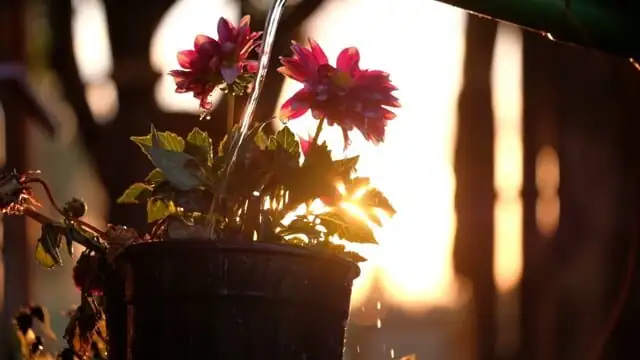
- Water until excess drains freely; discard runoff. Do not water again until the mix is approaching dry.
- Keep it airy
- Non-tank types still hate heavy, water-retentive soils. The same barky, open mix applies.
Optional humidity assist
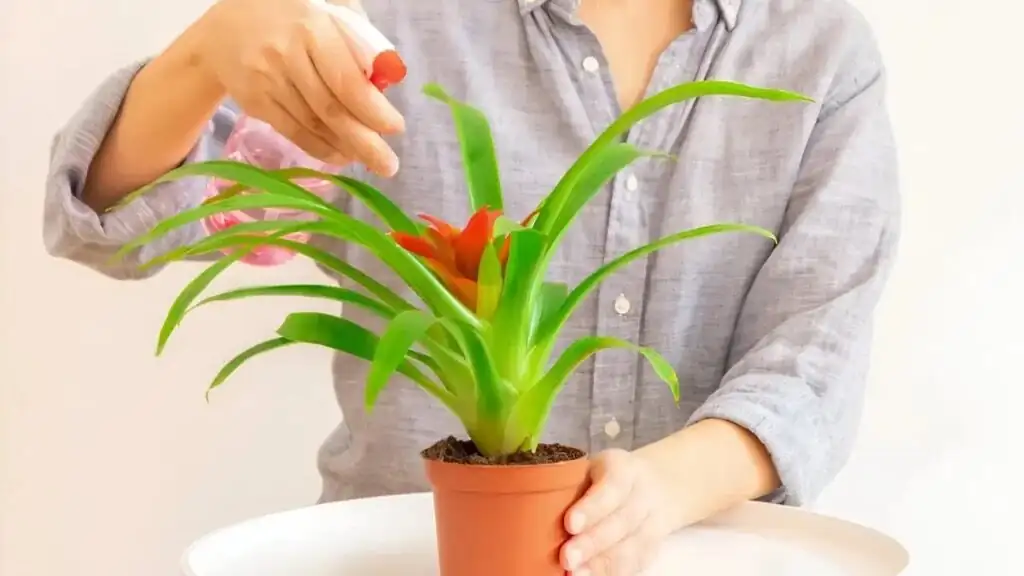
- Moderate to high humidity (around 50–70%) helps reduce brown tips. Use a humidifier, group plants, or place near a bright kitchen/bath if light is adequate. Light, occasional misting is fine; avoid soaking crowns in cool, low light.
Season-by-season watering playbook
Spring
- Light and warmth return; growth picks up.
- Cup-formers: resume keeping a small pool in the cup; refresh weekly.
- Non-tank: increase watering frequency slightly as drying speeds up.
- Start light feeding (1/4 strength, every 4–6 weeks).
Summer
- Heat = faster evaporation.
- Cup-formers: top up the cup a bit more often and refresh weekly; ensure good airflow.
- Non-tank: check dryness more frequently; water thoroughly, then drain.
- Shield from harsh midday sun that can scorch leaves or fade bracts.
Autumn
- Growth slows as days shorten.
- Begin spacing out waterings. Let the mix dry a bit more between drinks.
- Cup-formers: reduce water level in the cup; refresh less often as needed.
Winter
- Aim for bright, filtered light and warmth (ideally 18–28°C / 64–82°F). Protect from drafts and any temperature below 10°C / 50°F.
- Cup-formers: in cool or low-light rooms, keep the cup minimally filled or even empty; instead, lightly moisten the mix to avoid crown rot.
- Non-tank: water sparingly—root zones stay wet longer in winter.
- Hold fertilizer until days lengthen again.
Common mistakes to avoid
- Letting cup water stagnate
- Fix: empty and refresh weekly; flush monthly. Reduce or empty the cup in cool, dim seasons.
- Overwatering the potting mix
- Fix: use an airy bark-based mix; water lightly for cup-formers, and allow partial drying for all types.
- Parking pots in water
- Fix: always empty cachepots and saucers soon after watering.
- Heavy, peat-dense soils
- Fix: repot into an orchid-style, fast-draining blend.
- Overfeeding
- Fix: 1/4-strength, infrequent feed. Skip strong fertilizer in the cup and always flush after foliar or cup feedings.
- Cold, wet crowns
- Fix: water early in the day, ensure airflow, and reduce cup water in winter.
- Using ice cubes
- Fix: room-temperature water only.
Troubleshooting: what the leaves are telling you
- Central blackening or sour smell
- Likely crown rot from stagnant cup water or cold, wet conditions. Dump the cup, improve warmth and airflow, and let the mix partially dry.
- Crispy brown tips
- Low humidity or mineral buildup. Raise humidity and switch to lower-mineral water; flush the cup and mix.
- Pale, washed-out bracts
- Insufficient light or overfeeding. Move to brighter, filtered light and feed less.
- Scorched patches or faded color
- Too much direct midday sun. Shift to bright, indirect light.
- Pests (mealybugs, scale, spider mites)
- Wipe with a damp cloth, treat early, and keep airflow up. Check leaf bases and the cup.
Quick placement and care reminders
- Light: bright, indirect; a dash of gentle morning sun is fine.
- Temperature: 18–28°C (64–82°F). Protect from cold drafts; never below 10°C (50°F).
- Humidity: moderate to high (around 50–70%). More humidity = fewer brown tips.
- Repotting: only when crowded or unstable, typically every 1–2 years, into a small pot with airy mix.
- After flowering: many bromeliads are monocarpic—mother rosette will slowly decline, but pups will carry on.
A note on symbolism
Bromeliads are often linked with hospitality and tropical cheer—fitting for plants that literally bring their own “welcome drink” in the cup. The symbolism likely stems from their vibrant, long-lasting bracts that “host” color in a room and, in nature, even shelter tiny creatures in their tanks.
Bring it all together: keep the roots airy, the cup fresh (but seasonally sensible), and the light bright and filtered. Do that, and your Guzmania, Vriesea, Aechmea, and their cousins will keep the vacation vibes going at home—no plane ticket required.