


If winter still has a grip and you crave a saturated splash of color, few plants deliver like Pericallis × hybrida—better known at the shop as florist’s cineraria or simply “cineraria.” Those luminous blues, purples, and pinks form a neat dome of daisies above a plush mound of leaves. The trick to getting a long, polished show at home? Start with a perfect specimen, bring it home safely, then keep it cool, bright, and evenly moist. Here’s your friendly, florist-grade buyer’s guide.
Meet the plant in a minute
- Name: Pericallis × hybrida (often sold as “Cineraria”; formerly placed in Senecio/Cineraria)
- Family: Asteraceae
- Habit and size: Compact, mounded; typically 20–45 cm (8–18 in) tall and wide
- Colors: Vivid purples, pinks, blues, and bicolors; true blues are a standout
- Peak season: Winter to spring (can extend into late spring with excellent care)
- Golden rule for longevity: Very bright light + cool temperatures (ideally 10–15°C / 50–59°F)
How to pick a long‑lasting plant at the store
1) Demand the perfect dome
You want a plant that looks like a tidy hemisphere—full, evenly rounded, and well-filled with flower stems. Avoid:
- Lopsided plants with gaps in the canopy
- Loosened, stretched flower stalks (often a heat or low-light signal)
2) Use the bud-to-bloom sweet spot
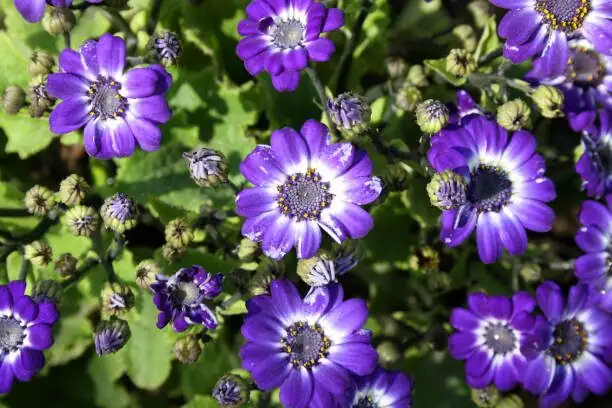
For the longest display, choose a plant with roughly 1/4–1/3 of the flowers open and the rest in tight buds. That “not yet at peak” stage gives you weeks of color still to come.
- Look for intact petals with rich, even color
- Skip plants that are shedding pollen or dropping petals—those are past their prime
3) Read the foliage (it never lies)
Florist’s cineraria should have thick, plentiful, triangular leaves with gentle waves, forming a dense green mound.
- Green flags: Deep, sturdy green; leaves that feel substantial
- Red flags: Pale, thin, or floppy leaves (often heat/low light), curled or scorched edges (too much direct, harsh sun), or a loose base that hints at legginess
4) Insist on pest‑free, disease‑free leaves
Give a quick but thorough inspection:
- Undersides of leaves and flower buds: no aphid clusters, no whitefly adults fluttering, no sticky honeydew
- Leaf surfaces: no powdery, talc-like film (mildew), no fuzzy gray molds on petals or leaf edges (Botrytis)
- Stems and leaves: no fine webbing (spider mites)
5) Check pot weight and drainage
- Lift the pot: it should feel evenly moist, not waterlogged or heavy as a brick
- Look for a pot with drainage holes
- Gently peek at the drain holes: roots should be healthy and light-colored, not brown and mushy
6) Color cues that matter
Blue selections are particularly prized; whatever color you choose, look for even tones across the dome and fresh, unblemished daisies.
7) Right-size pots, no repotting rush
These are commonly finished in 12–15 cm (4.7–5.9 in) pots, also seen in 15–20 cm (6–8 in). A snug, well-rooted plant often holds a tighter, neater display. Avoid upsizing once you buy; oversized, wet pots are a fast track to root rot.
Get it home like a pro: safe, clean transport
- Time your trip: Buy last, go straight home. Avoid hot cars and freezing windchill.
- Protect from temperature swings: Ideal travel temps fall within about 5–21°C (41–70°F). Never leave it in a sunbaked car or an icy trunk.
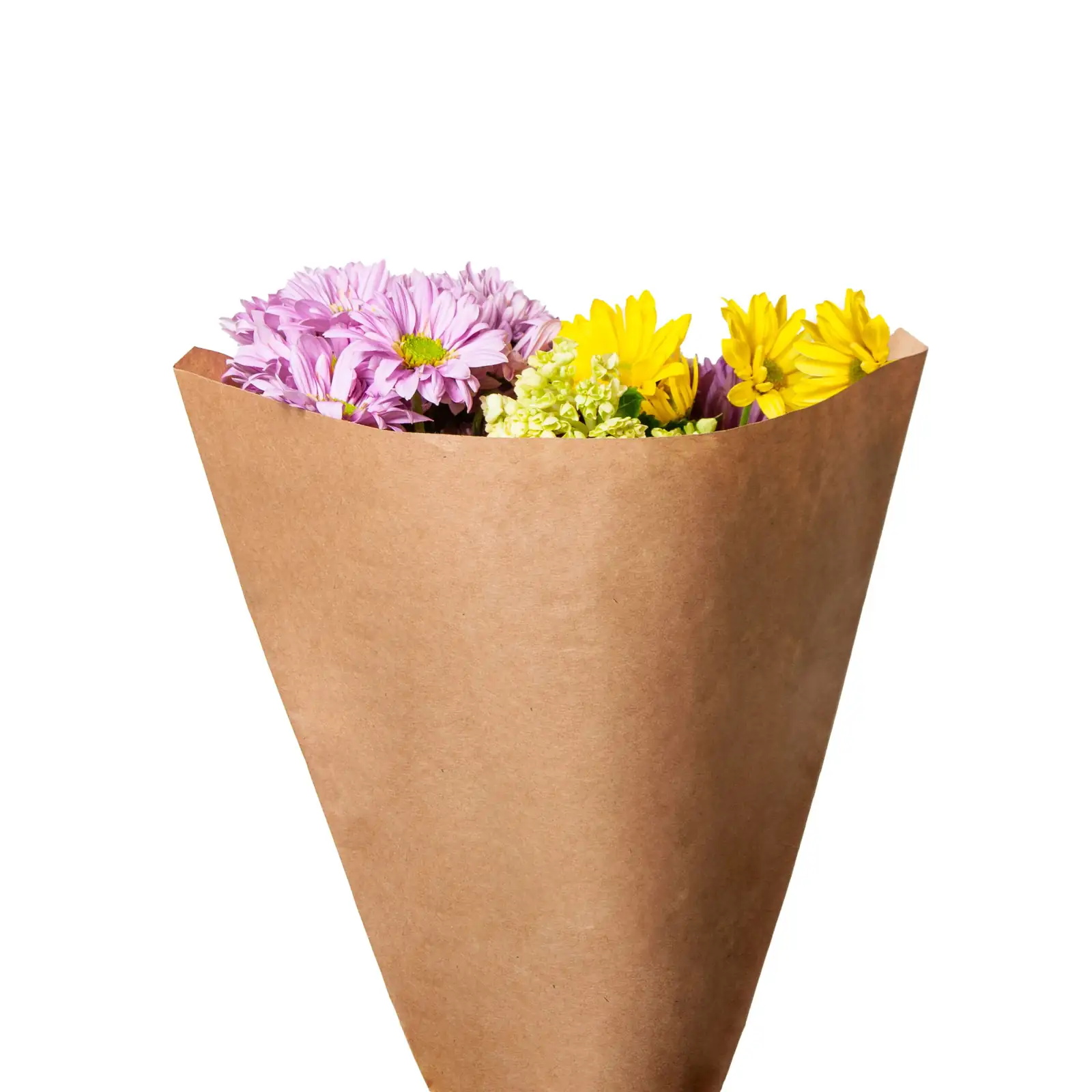
- Sleeve smartly: A breathable paper sleeve or a loose bag protects blooms from drafts without trapping condensation—tight plastic around wet flowers can invite gray mold.
- Keep it upright and stable: Place the pot snugly in a box on the car floor; secure with a seatbelt if needed.
- Dry ride: Don’t let flowers get splashed. Wet petals + stagnant air = Botrytis risks.
Set it up for a marathon bloom, not a sprint
Light and temperature: cool and bright wins
- Indoors: Park it at your brightest window—east or south-facing is great—with filtered or very bright light. Avoid harsh midday beams that can scorch leaves.
- Temperature: Aim for 10–15°C (50–59°F). Try not to exceed 20°C (68°F) for long; heat stretches stems and shortens the show.
- Draft sense: Keep away from radiators, heater vents, or hot drafts; a lightly cool, airy room is ideal.
The rotation routine near windows
This is the secret to an even dome and synchronized blooming.
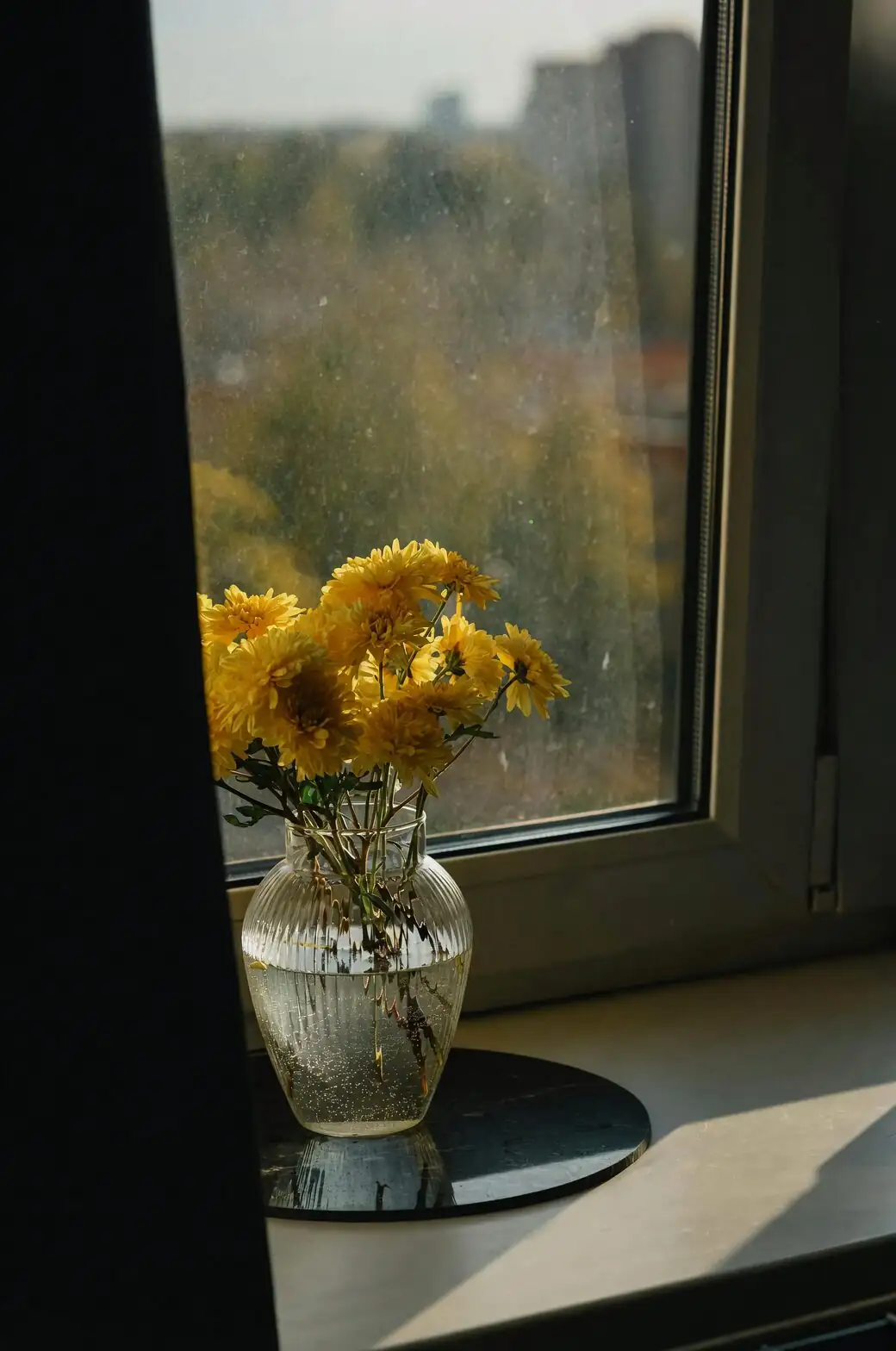
- Daily placement: Keep the plant at the window by day to fuel buds. If you display it deeper in the room for an evening, return it to the window each morning.
- Quarter-turn rule: Rotate the pot about 90 degrees every 2–3 days so all sides get equal light, preventing lopsided growth.
- Bud-first spotlight: Early in the cycle, aim the bud-heaviest side toward the light to bring it along evenly.
- Microclimate tip: Crack a window slightly for fresh air on mild days, but shield the plant from direct cold drafts.
Watering rhythm: steady, even moisture
- Method: Water when the surface of the mix just begins to dry; keep the root zone evenly moist but never swampy.
- Frequency: Often around twice per week in bright, cool conditions—adjust to your room’s light and temperature.
- Technique: Water the mix, not the flowers; empty saucers so roots don’t sit in water.
- Watch-outs: Underwatered plants wilt quickly; overwatered ones go soft and invite disease.
Gentle feeding and simple grooming
- Feeding: If you’ll keep it for more than a couple of weeks, feed lightly every 2 weeks with a diluted balanced liquid fertilizer. Avoid excess nitrogen, which makes weak, disease-prone growth.
- Deadheading: Snip spent stems to keep it tidy and extend the show.
- Second wind (optional): After the main flush, cut stems back to 10–15 cm (4–6 in) and keep it cool, bright, and evenly moist. You may get a smaller encore in good conditions.
Air and humidity
- Aim for moderate humidity plus good airflow; avoid stagnant, steamy corners.
- Don’t mist flowers. Damp petals are prime targets for gray mold.
Repotting?
Unnecessary for most buyers. These are seasonal container stars; enjoy the bloom, then replace next season.
Quick troubleshooting
- Getting leggy with thin leaves: It’s too warm and/or too dim. Move to very bright light and keep it cool (ideally 10–15°C).
- Flowers fizzling fast: Heat is the usual culprit. Shift to a brighter, cooler spot and deadhead promptly.
- Wilting: If the pot is light and the mix is dry—water thoroughly. If it’s heavy and soggy—improve drainage, empty the saucer, and allow the surface to dry slightly before the next watering.
- Powdery mildew or gray mold: Remove affected parts, increase airflow, keep flowers dry, and avoid crowding other plants.
- Aphids, whitefly, or spider mites: Isolate the plant. Treat the undersides of leaves with a targeted approach (e.g., insecticidal soap), taking care to avoid soaking the blooms.
Safety and a small note on symbolism
- Safety: Guidance varies by source; it’s best practice to keep this plant away from pets and children, avoid ingestion, and wash hands after handling.
- Symbolism: Florist’s cineraria is often linked with a bright, steady kind of cheer—fitting for a plant that lights up late winter windowsills. Its reputation for “lasting joy” likely grew from its dense domes of color that hold for weeks in cool, bright rooms.
Your quick in‑store checklist
- Even, dome-shaped canopy
- About 1/4–1/3 blooms open; plenty of tight buds
- Thick, deep-green leaves; no pale or floppy growth
- No pests, honeydew, mildew, or gray fuzz
- Pot feels moist but not heavy; drainage holes present
- Flowers vivid, petals intact; not shedding pollen
Buy with that list, bring it home cool and steady, then keep it bright and crisp—you’ll be rewarded with one of the longest, cleanest color shows of the cool season.