

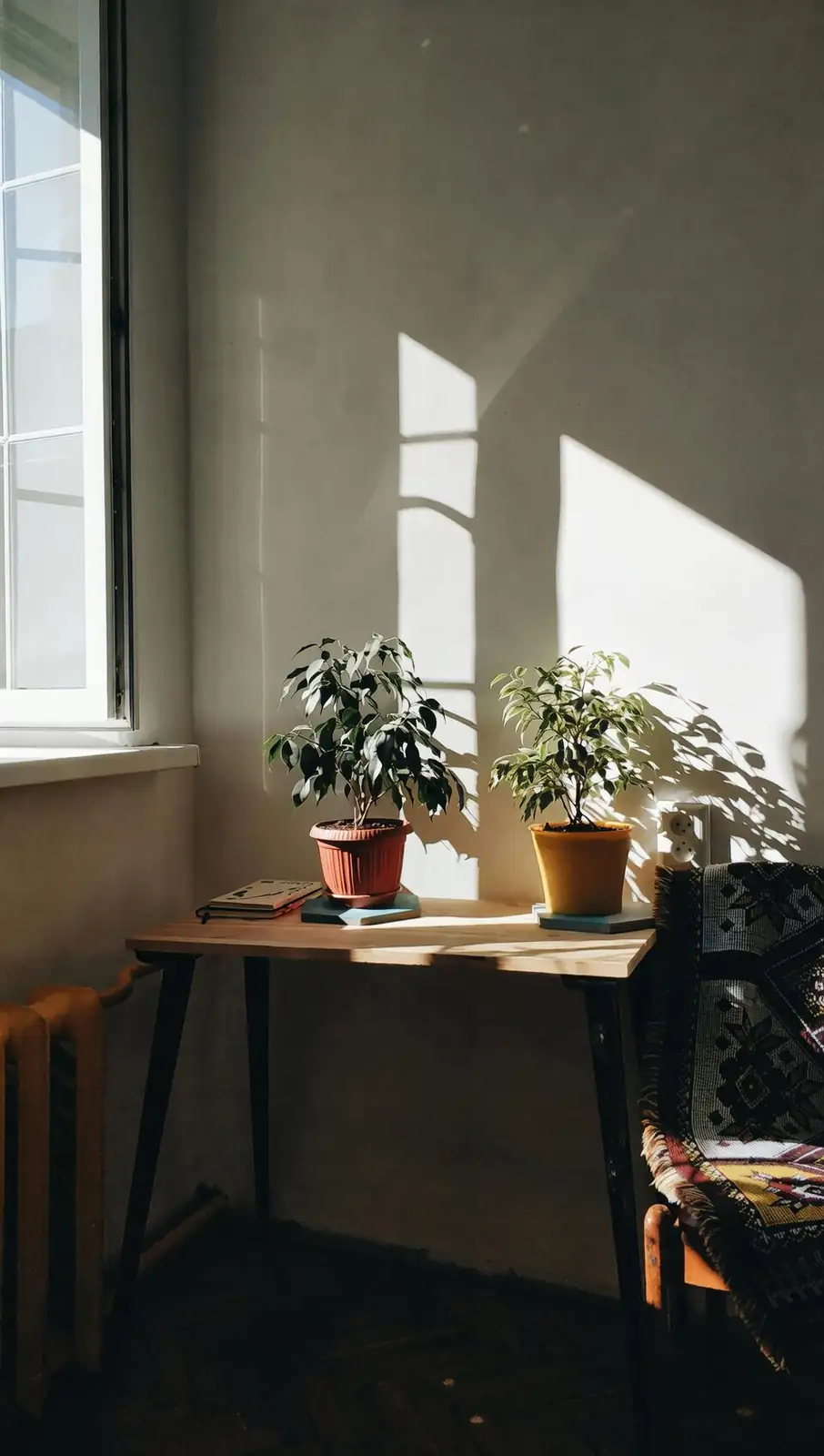
Meet the florist’s cineraria (Pericallis × hybrida): that cool-season showstopper with an impossibly perfect dome of velvety leaves topped by a galaxy of daisies in saturated blues, purples, and pinks. It looks like a plant designed by confectioners—and it has two simple asks if you want it to stay pristine for weeks: keep it cool and keep the blooms dry. Gray mold (Botrytis) is the nemesis of those silky petals, but you can outsmart it with a few microclimate tweaks—gentle fans, smart spacing, dialed-in humidity, and a “dry-watering” routine that pampers roots while snubbing spores.
Here’s your game plan.
The gray-mold playbook (and why microclimate wins)
- What triggers Botrytis: cool, stagnant air plus free moisture sitting on petals/leaves for hours. In dense canopies, spores often start on spent blossoms and then leap to healthy tissue.
- Your counterstrategy: very bright light, cool temperatures, steady but unsoggy root moisture, and moving air that dries surfaces quickly—without turning your plant into a wind tunnel.
Pro tip: Cineraria actually prefers cool conditions. The sweet spot for compact growth and long bloom is about 10–15°C (50–59°F), with bright light. Warm rooms make it stretch and fade faster.
Light and temperature: set the stage for a longer show
- Light: Bright is nonnegotiable. Park it at an east or bright south window. Outdoors in cool weather, give morning sun and afternoon shade; protect from harsh midday rays that can scorch leaves.
- Temperature targets:
- Ideal: 10–15°C (50–59°F)
- Acceptable range: 5–21°C (41–70°F)
- Avoid: sustained heat above 20°C (68°F), frost, or near-freezing drafts on leaves and blooms.
- Night tip: If a chilly window sweats and drips, pull the plant 15–30 cm (6–12 in) away at night so petals don’t get dripped on.
Air that barely moves—but never stalls
Gentle, continuous airflow is your invisible fungicide.

- The “barely trembling leaf” rule: Run a small oscillating or USB fan on the lowest setting so the foliage just whispers—leaves should move slightly, not flap.
- Placement: 1–2 m (3–6 ft) away, angled to skim across the plant rather than blast it. Keep it away from heater vents or radiators (hot, dry blasts shorten bloom life).
- Ventilate daily: Crack a window for 10–15 minutes each morning to swap out humid air. Outdoor displays? Choose a sheltered but airy spot and protect from rain.
Spacing that stops spore bridges
Think of spacing as social distancing for petals.
- Give at least a hand’s width between pots so leaves aren’t touching.
- Pull the plant a few centimeters off walls and window glass to prevent damp, still “pockets” where Botrytis thrives.
- Grouping plants? Fine for room ambiance, but don’t crowd the cineraria canopy. Air should flow freely through and around it.
Humidity targets that favor flowers
Cineraria likes moderate humidity with good airflow. For most homes:
- Aim for roughly 40–55% RH by day. Try to keep canopy humidity under ~65–70% overnight (spores love long, clammy nights).
- Avoid constantly wet microclimates: no misting, no humidifiers blowing straight at the blooms.
- If your home is very dry, raise room humidity slightly—use a room humidifier placed across the room (not under or over the plant) and keep air moving. Skip pebble trays tucked directly under the floral dome; they concentrate moisture where spores want it.
Master the “dry-watering” technique
Keep roots evenly moist while keeping petals and leaf surfaces dry. That’s the art.
- When to water: Let the mix surface dry slightly, then water. In bloom, many homes land around twice weekly—but adjust to your light and temperature.
- How to water:
1) Water early in the day so surfaces dry before night.
2) Use a narrow-spout watering can and tuck the spout under the leaf canopy; water the soil line, not the blooms.
3) Or bottom-water: set the pot in 2–3 cm (about 1 in) of water for 10–15 minutes, then lift, drain thoroughly, and empty the saucer. No standing water.
4) Keep the top centimeter just shy of soggy. A thin top-dressing of inert grit or perlite around the crown can help keep the surface drier and reduce splash.
- What to avoid: Overhead sprinkling, late-day watering, and waterlogged compost. Underwatering causes quick wilting; overwatering invites rot and mold.
Sanitation: remove the launchpads
Botrytis usually starts on spent tissues.
- Deadhead promptly: Snip off fading blooms and any soggy petals, and remove them from the area. Don’t compost indoors.
- Tidy daily: Brush off fallen petals from the leaf canopy and pot rim.
- Tools clean, hands clean: A quick wipe with alcohol prevents spreading spores while you groom.
Feeding for sturdier growth (not soft, sappy tissue)
- Light but regular feeding during active growth: every two weeks with a diluted balanced liquid fertilizer works well.
- As buds form, one or two feeds with a bloom-leaning formula (e.g., slightly higher K and P) can support flowering.
- Avoid excess nitrogen; it makes soft growth that’s more disease-prone.
- Stop feeding as the flowering phase winds down.
Quick daily-and-weekly rhythm
- Daily: Check soil moisture with your finger, lift a leaf to feel airflow, remove spent petals, and ensure no condensation is dripping from glass.
- 2–3 times per week: Water with the dry-watering method; rotate the pot for even light.
- Weekly: Inspect for gray flecks on petals, soft spots, or fuzzy gray growth; check under leaves for aphids or whitefly as spring warms.
If trouble appears

- First response: Remove affected blooms or leaves immediately, improve airflow, and ease back on watering until the surface dries slightly between waterings.
- Persistent issues: Use a fungicide labeled for Botrytis on ornamentals as directed, and keep blooms dry throughout treatment.
- Common pests: Aphids are frequent visitors in spring; whitefly and spider mites can show in warm, dry rooms. Manage early and keep air moving.
Outdoor displays during cool weather
Pericallis × hybrida shines on cool patios and balconies:

- Morning sun, bright shade later; shelter from rain so flowers don’t stay wet.
- Bring inside if frost threatens. Keep the airflow habit even outdoors—sheltered but breezy beats boxed-in corners.
Why this plant stays compact and breathtaking in cool, bright spots
Cool temperatures plus high light keep the foliage mound tight and the floral dome dense. Warmth stretches stems and shortens the party. Pair that cool-bright combo with your microclimate hacks—gentle fan, smart spacing, moderated humidity, and dry-watering—and you’ll double down on both architecture and longevity.
Flower language and meaning—beyond the pretty face
Florist’s cineraria is often associated with lasting joy and cheerful endurance, a fitting nod to its ability to light up the gloomiest late-winter windowsill. As with most “flower language,” this symbolism is a blend of Victorian-era sentiment and modern marketing rather than a single ancient tradition. Still, it captures something real about the plant: when kept cool and well-tended, its clear, saturated colors feel like a promise that spring is truly on the way.
Fast-reference essentials
- Light: Very bright; morning sun is gold. Avoid harsh midday scorch.
- Temperature: Best at 10–15°C (50–59°F); avoid sustained heat above 20°C (68°F). Frost-tender.
- Humidity: Moderate with airflow; keep surfaces dry and canopy RH from staying high overnight.
- Water: Evenly moist, never soggy. Keep blooms dry. Empty saucers.
- Airflow: Gentle and continuous; leaves just tremble.
- Spacing: Hand’s width between pots; no leaf-to-leaf touching.
- Sanitation: Deadhead promptly; remove fallen petals.
- Safety: Best kept away from pets and small children; avoid ingestion and wash hands after handling.
With a few well-aimed microclimate tweaks, Pericallis × hybrida becomes delightfully low-drama: cool, bright, gently breezy, and spotlessly dry where it counts—the petals. Keep that rhythm, and the bloom dome stays camera-ready far longer than you’d expect.