

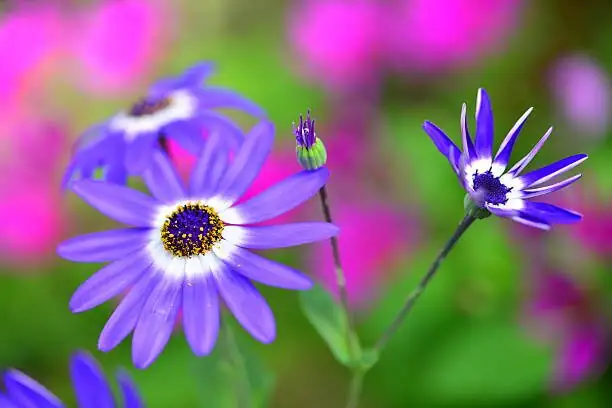
Think of florist’s cineraria as winter’s confetti: a tight green mound suddenly bursting with vivid daisies—electric blues, royal purples, sugary pinks, often ringed like little targets. It looks lavish, but it’s actually a cool-season minimalist at heart: bright light, fresh air, and steady moisture are what keep it compact and dazzling. With a few sustainable tweaks—peat-free potting, reusing gear, composting well—you can stretch the show and shrink the footprint.
Here’s your eco-forward game plan for Pericallis × hybrida.
Know your plant, craft your climate
- What it loves: very bright light and cool air—about 10–15°C (50–59°F) is the sweet spot. Think bright porch, chilly window, or a sheltered balcony in cool weather.
- What it hates: heat. Warm rooms (above ~20°C / 68°F) cause lanky stems, thinner leaves, and a quick finish.
- Watering style: keep the mix evenly moist, never swamped. Empty saucers; soggy roots invite trouble.
- Outdoor placement in cool spells: morning sun with afternoon shade; avoid harsh midday rays that can scorch.
- Reality check: it’s a short-lived, frost-tender, seasonal pot star. Enjoy it, then either coax a second act or compost and regrow next season.
Go peat‑free without compromise
Traditional cineraria mixes leaned on peat for fluff and moisture-holding. You can match that performance—minus the peat.
- A reliable peat-free blend for cineraria:
- 40% coir (rinsed, pre-moistened)
- 30–40% fine composted bark or mature leaf mold
- 15–20% perlite or pumice for air pockets
- A small handful of coarse sand for stability (optional)
- Mix goals:
- Loose, fertile, and free-draining
- Holds moisture but dries slightly at the surface between waterings
- Water wisely:
- Water at the base; avoid wetting flowers (damp petals = gray mold risk).
- Bottom-water during bud and bloom if splash is hard to avoid—then drain thoroughly.
Reuse, not refuse: pots, trays, and potting mix
- Reusing pots and trays:
- Scrub off residues; wash in hot, soapy water; rinse; then air-dry in sun. This cuts down on mildew and gray mold risk.
- If a plant had disease, step up sanitation: a quick 10% household bleach rinse or a 3% hydrogen peroxide soak, followed by a clear-water rinse and dry.
- Reusing potting mix:
- For disease-prone bloomers like cineraria, don’t reuse the exact mix for your next cineraria cycle.
- Do sift and repurpose into outdoor containers for tough ornamentals, or add to the compost to rebuild soil elsewhere.
Encourage a second flush (the low‑impact way)
You can ask for an encore—just keep expectations modest.
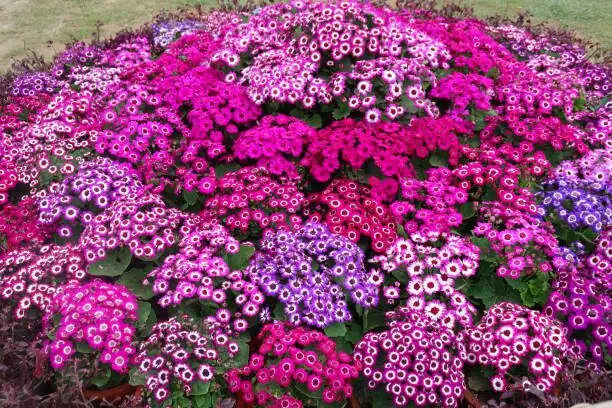
- During the main show: deadhead spent blooms regularly to keep things tidy and delay the finale.
- After the first flush:
- Cut stems back to about 10–15 cm (4–6 in).
- Park the pot in a cool, very bright spot with good airflow.
- Keep moisture even; feed lightly (go easy on nitrogen; one or two bloom-leaning feeds are enough).
- What to expect: sometimes a smaller, shorter encore in cool conditions. If heat moves in or the plant looks tired, it’s greener to compost and plan a fresh crop from seed.
Balcony hardening: chisel your microclimate
Moving from indoor cosiness to fresh air takes a gentle hand.
- 5–7 day acclimation:
- Day 1–2: bright shade outdoors for a few hours; bring in at night.
- Day 3–4: add morning sun exposure; protect from wind.
- Day 5–7: extend time outside; still shield from midday sun.
- Temperature guardrails:
- Protect from frost and near‑freezing chills; flowers and leaves can be damaged by a cold snap.
- Ideal outdoor spells are cool, not cold: think fresh spring air, not a freezing night.
- Placement:
- Morning sun, afternoon shade; out of wind tunnels; away from hot glass or radiators.
- Rotate pots so the dome stays even and compact.
Composting spent plants responsibly
- Compost it if:
- The plant is healthy (no powdery mildew, no gray mold, no heavy pest infestation). Chop into smaller pieces for quicker breakdown.
- Don’t compost at home if:
- You see gray mold (fuzzy) or powdery mildew; send to municipal green waste (hotter piles) or bag for trash.
- Safety first:
- Toxicity guidance for “cineraria” has varied over time; avoid ingestion and keep all parts away from pets and small children.
- Wear gloves and wash hands after handling. Remove plastic tags and ties.
Plan next season from seed (satisfying and sustainable)
You can raise a new round of color with modest inputs and no peat.
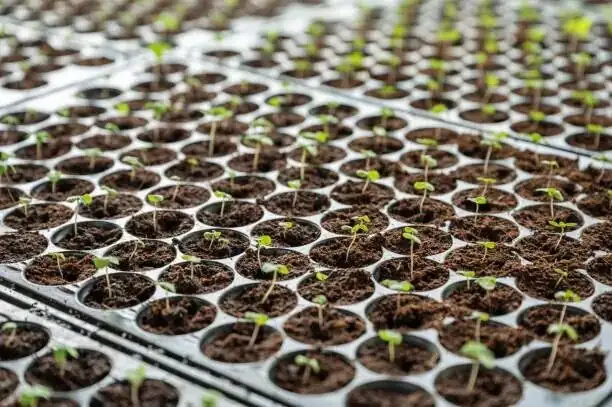
- Sow window for late‑winter bloom: late summer to autumn (often August–October).
- How to sow:
- Use a fine‑textured, peat‑free seed mix. Fill clean cell trays or small pots.
- Surface‑sow—do not cover. The seeds need light.
- Bottom‑water and keep evenly moist; a clear cover or humidity dome helps, with daily airing.
- Warmth for germination: about 21–24°C (70–75°F). Expect sprouts in 1–2 weeks.
- Potting on:
- Prick out at 3–4 true leaves into small pots (~6 cm / 2.4 in), stepping up as roots fill.
- Grow on bright and cool once seedlings are established; strong light prevents stretch.
- Timing:
- From sowing to flowers is often 3–5 months under good conditions.
- Notes for seed-savers:
- Many named hybrids don’t come true from seed. Embrace surprises, or buy fresh seed if you want specific colors.
- To reduce cross‑pollination, give seed plants some isolation.
- Energy‑smart tips:
- Use efficient LED grow lights if needed; run them close and cool.
- Reuse clean trays and labels; choose peat‑free plugs.
Low‑impact pest and disease management
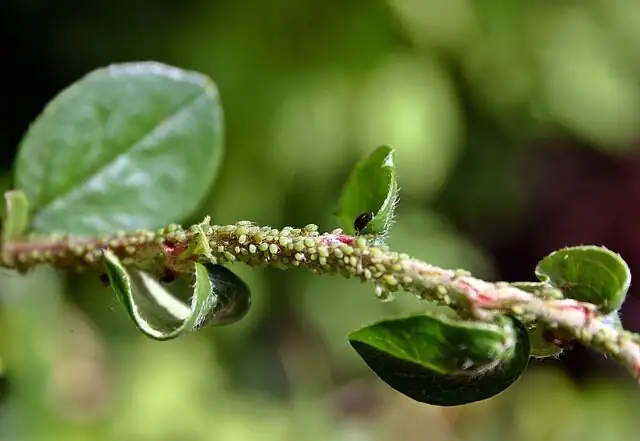
- Most likely visitors: aphids in spring; whitefly or spider mites in warm, dry rooms.
- First response: rinse or wipe pests off, then improve airflow.
- Follow up: insecticidal soap or horticultural oil used carefully; repeat as needed.
- Mildew and gray mold (Botrytis):
- Prevention is king: keep it cool and bright, space plants, and avoid wetting blooms.
- Remove any affected parts promptly; don’t compost them at home.
- Water and air:
- Steady, even moisture with free drainage plus fresh air is the simplest long‑term “medicine.”
Buy better, waste less
- Choose naturally compact, dome‑shaped plants with thick, clean leaves.
- Best stage: about one‑quarter to one‑third of flowers open, plenty of buds to come.
- Skip: waterlogged pots, plants shedding lots of pollen, or any with mildew, gray fuzz, or sticky aphids.
A circular cineraria calendar
- Late summer–autumn: surface‑sow peat‑free; germinate warm; pot on; then grow cool and bright.
- Winter–spring: main display. Keep the room cool (ideally 10–15°C / 50–59°F), give very bright light, water evenly, and deadhead.
- After bloom: try a cut‑back for a petite second flush in cool conditions—or compost and reset for next season.
- Year‑round habit: clean and reuse pots; compost healthy trimmings; keep a small stash of peat‑free mix ready.
Flower language, thoughtfully
Florist’s cineraria is often linked with lasting joy and an enduring kind of cheer—the sort that brightens the year’s gray edge. That symbolism likely grew from its seasonal timing: it blooms when days are short and chilly, turning windowsills into little festivals of color. In other words, it’s not just pretty; it’s a reminder that brightness can be thoughtful—cool rooms over warm blasts, peat‑free mixes over peat, reuse over toss. Let the message linger long after the petals fall.
Blue is rare among indoor bloomers, cool air is the plant’s superpower, and sustainability keeps both shining. Grow it bright, keep it cool, and make every part of its short life cycle count.