

When winter still nips at the windowsill, Pericallis × hybrida—better known in English as Florist’s Cineraria and in Chinese as 瓜叶菊—arrives like a dome of bottled spring. Its electric blues, royal purples, and candy brights pack into a perfect mound of daisies over plush green leaves. No wonder its flower language is “lasting joy.” But where did that meaning come from, and how do you gift and place it so the joy truly lasts? Let’s step into its story, from historical traditions to modern feng shui.
Why “lasting joy”? The roots of the flower language
A cool-season star born for giving
- In the era of cool greenhouses and winter parlor displays, Florist’s Cineraria became a classic gift plant precisely because it shines when the world is gray. Unlike cut flowers, a well-grown potted cineraria keeps blooming for weeks in a cool, bright room—so the cheer it brings actually lasts.
- Its bloom timing is key: tight, rounded plants burst into color from winter to spring, symbolically bridging the end of dormancy and the first notes of renewal. That dependable bridge between seasons is what people began to call “lasting joy.”
The poetry of late-winter bloom
- Across cultures, flowers that dare to brighten the cold months are read as emblems of resilience and hope. Pericallis × hybrida isn’t a frost-lover, but it peaks while the air is still crisp—an uplifting, enduring presence when we need it most.
- Its flower canopy is dense and all-at-once: hundreds of small, steady lights rather than one quick flare. The message is gentle but profound—happiness that is steady, shared, and sustained.
A quick identity note for plant lovers
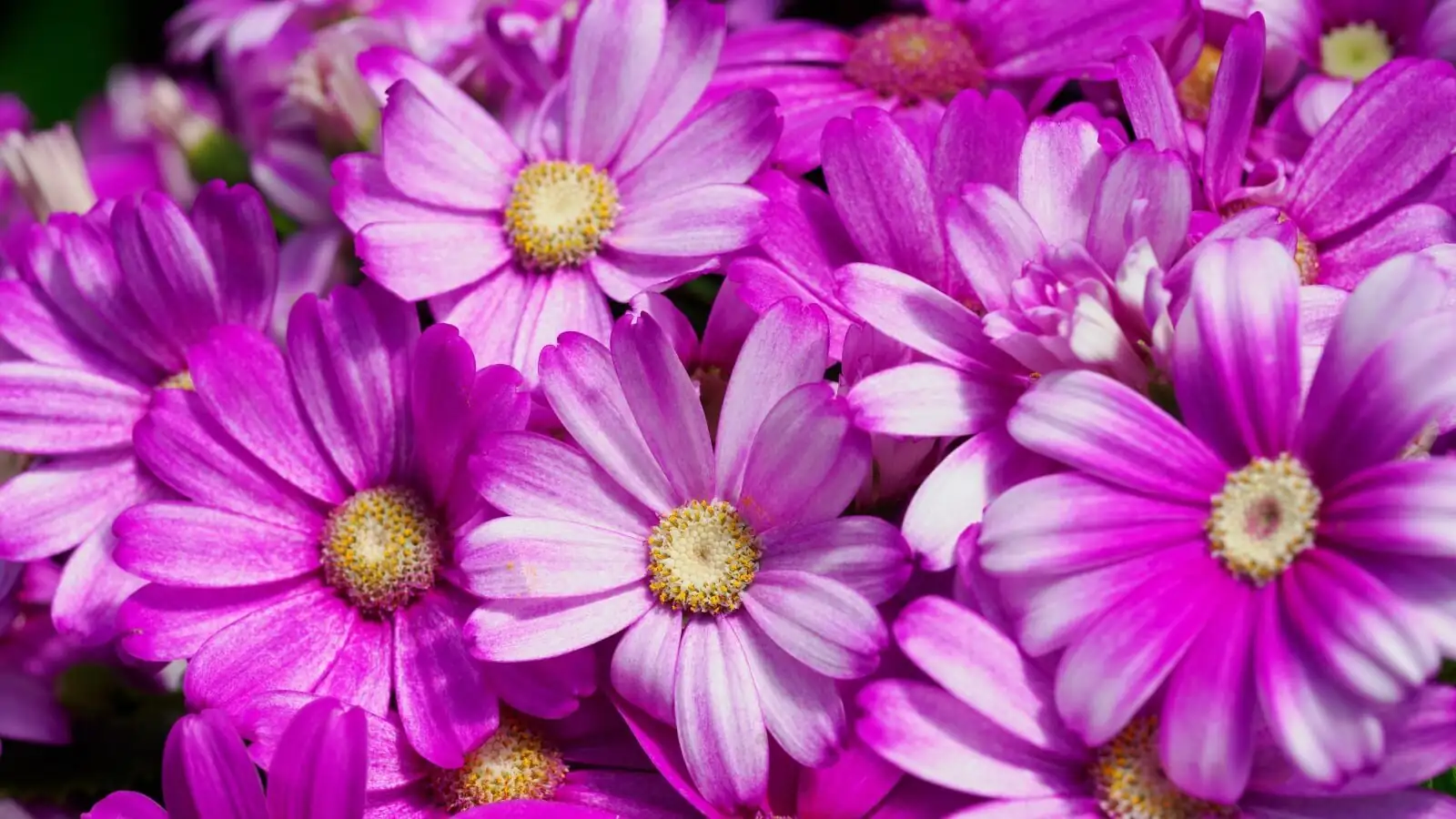
- Today’s florist “cineraria” is Pericallis × hybrida, a garden hybrid derived mainly from Canary Islands species (Macaronesia). You may still see older names like Cineraria or Senecio in trade and vintage books, but modern horticulture places it in the genus Pericallis.
- Family: Asteraceae. Habit: compact, mounded, and gift-ready.
Cultural significance now: color, celebration, and everyday cheer
- An end-of-winter favorite in markets and flower shops, 瓜叶菊 is a go-to for brightening homes before spring fully arrives. It’s an ideal pick-me-up for seasonal festivals, winter birthdays, or simply to say “hang in there—spring is coming.”
- Color storytelling adds nuance to the gift:
- Blue: calm, clarity, and a rare, almost luminous cool-tone centerpiece among indoor bloomers.
- Purple: admiration, dignity, a touch of luxe.
- Pink: affection, warmth, and friendly optimism.
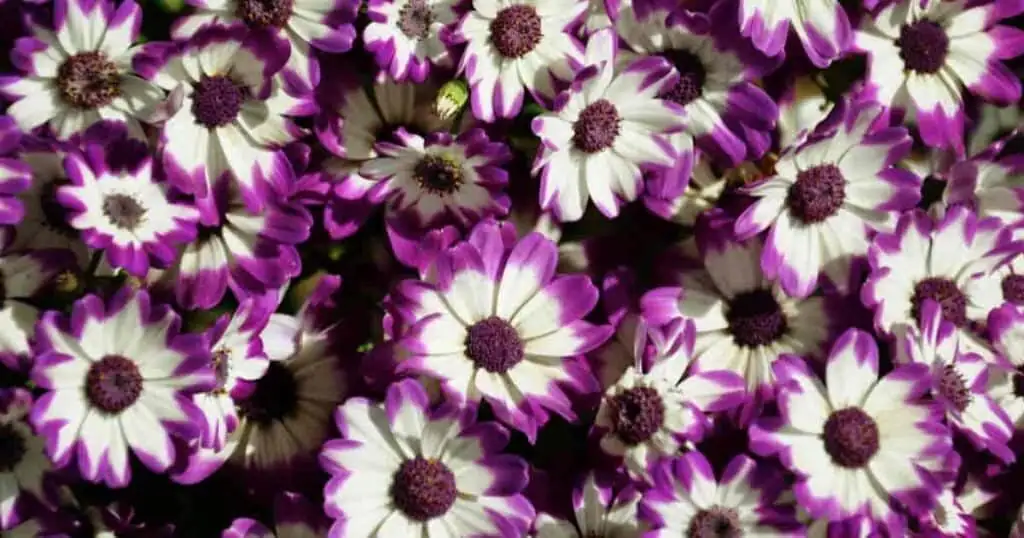
- Bicolors: playful, celebratory, and festive.
- Cultural tip: For joyous occasions in many East Asian contexts, families often favor bright, lively colors over pure white.
Modern gifting etiquette: how to make the joy last
When to gift
- Winter-to-early-spring milestones: new home, recovery and well-wishes, job transitions, seasonal festivals, or any “fresh start” moment.
- Offices and lobbies: a cheerful, cool-season welcome that thrives away from hot radiators.
How to choose a great plant
- Look for an evenly domed, naturally compact shape with thick, unblemished leaves.
- Ideal stage: roughly one-quarter to one-third of the flowers open, with plenty of tight buds for weeks of color.
- Skip plants that feel waterlogged, shed lots of pollen, or show signs of powdery mildew, gray mold, or aphids.
The small care card that changes everything
Slip a simple note with your gift:
- Light: Very bright is essential—an east or south window is ideal. Keep away from hot drafts or radiators.
- Temperature: Cool is key. Best at 10–15°C (50–59°F). Sustained heat above ~20°C (68°F) shortens the show and makes stems leggy.
- Water: Keep the potting mix evenly moist, never soggy. Let the surface dry slightly between waterings and empty saucers.
- Air: Fresh air and gentle airflow help reduce mildew and gray mold. Try not to wet the flowers when watering.
Safety note: As with many plants once sold as “cineraria” or under Senecio, guidance on toxicity varies—best to keep out of reach of pets and small children and avoid ingestion. Wash hands after handling.
Feng shui placements for uplifting energy (and a thriving plant)
Think of Pericallis as a vessel of bright, restorative qi—perfect for recharging a space when sunlight is scarce. Place it where its needs align with the energy you want to cultivate.

- General rule for health and happiness:
- Put it where it lives best: a cool, very bright spot away from heat sources. Morning sun with cool air is ideal.
- Rotate the pot weekly for a balanced, symmetrical dome.
- East (Family and Health):
- Best everyday placement. Morning sun supports compact growth, and the lush mound reinforces vitality and steady renewal.
- Southeast (Wealth and Abundance):
- Choose deep purples or magentas to underscore abundance. Keep it bright and cool to extend bloom longevity.
- South (Fame and Reputation):
- Use pinks or red-toned bicolors to echo Fire energy. Provide bright light but prevent overheating behind glass; a sheer curtain or some distance from the pane helps.
- North (Career and Life Path):
- Blue cultivars resonate with calm focus. North windows can be dim in winter—supplement with bright adjacency to an east window or periodic time in stronger light to maintain compact growth.
- Entryway and social spaces:
- A welcoming burst of color that lifts mood. Avoid hot blasts from vents; if the entry is cool and bright, it’s perfect.
Micro-placements that help qi (and the plant):
- Keep it several feet from radiators or heaters.
- Elevate slightly on a stand for a “floating dome” effect that reads as buoyant joy.
- Group with other cool-season plants for a fresh, garden-like vignette and steady humidity—while keeping flowers dry to prevent gray mold.
What keeps the joy going: quick grower’s notes
- Sunlight: Very bright light indoors; outdoors in cool weather, give morning sun and afternoon shade. Avoid harsh midday scorch.
- Temperature: Prefers 5–21°C (41–70°F); best displays at 10–15°C (50–59°F). Protect from frost.
- Watering: Evenly moist, never waterlogged. Underwatering wilts fast; overwatering invites root rot.
- Feeding: Light, regular feeding during growth and bloom (every couple of weeks, diluted). Avoid excess nitrogen; stop feeding as flowering finishes.
- Grooming: Deadhead to keep it tidy. After the main flush, trimming stems back to 10–15 cm (4–6 in) in a cool, bright spot can induce a smaller second round.
- Pests and diseases: Watch for aphids in spring; maintain airflow to reduce powdery mildew and gray mold. Keep pots draining freely.
A tiny taxonomy-and-time travel aside
- Why “cineraria” if it’s Pericallis? Many florist plants once rode under older names in trade; today the familiar gift plant is Pericallis × hybrida. Its standout true blues and jewel tones are part of why it still rules the cool-season aisle.
- From seed to bloom takes roughly 3–5 months under good conditions—one reason winter displays are often grown by specialists and sold “ready for the party.”
Bringing it all together: the etiquette of “lasting joy”
- Pair the plant with a handwritten note about the meaning—joy that endures through the last cold stretch of the year.
- Choose colors with intention: blue for calm clarity, purple for admiration, pink for warmth, bicolors for celebration.
- Offer the care card and a saucer the recipient can empty easily.
- Place thoughtfully for feng shui and plant health: bright, cool, away from heat.
- Remember it’s a seasonal treasure—admire it fully now, and if the room is cool and bright, it may even give you an encore.
Pericallis × hybrida doesn’t shout; it steadies. In the long tail of winter, that round, luminous dome says, “Joy isn’t a spark—it’s a flame we tend.” Gift it where the light is generous and the air is cool, and you’ll see why its flower language settled on the simplest, most generous promise: lasting joy.