

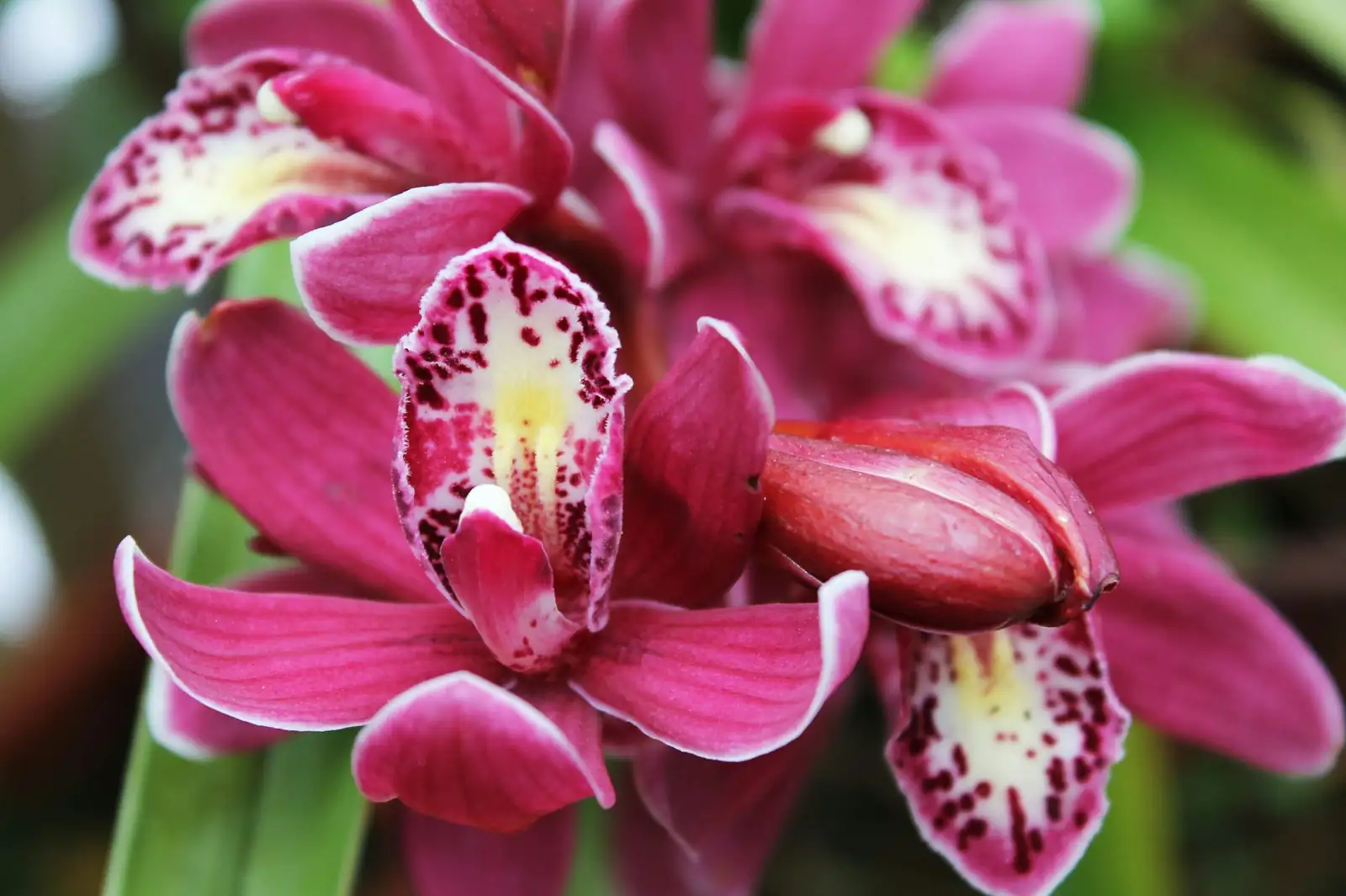
Think of Cymbidium goeringii—Chinese Cymbidium, the “Spring Orchid”—as the whispering perfume in a quiet room. Its blooms aren’t shouty or oversized; instead, a few waxy, starry flowers arrive from winter into spring and flood the air with a rich, sweet scent that collectors rank among the finest in the plant world. If you’re shopping for one, a sharp eye at the bench makes all the difference. Below is a buyer’s checklist to pick a thriving plant (and keep it that way), plus how to match growth vigor and fragrance potential to your conditions.
Meet the plant in two lines
- Habit: Clump-forming, cool-growing sympodial orchid with small pseudobulbs and neat, grassy evergreen leaves.
- Size and season: Typically 20–40 cm tall, blooming winter to spring with intensely fragrant flowers in green to yellow-green tones.
The buyer’s checklist: what to look for at first glance
1) Pseudobulbs: firm is non-negotiable
- Choose plants with plump, firm pseudobulbs; these are the energy batteries.
- Pass on wrinkled, shriveled, or mushy bulbs (a sign of dehydration or rot).
- Bonus points: a clump of 3–5 growths offers better momentum and more reliable flowering than a single shoot.
2) Roots: active tips mean easy establishment
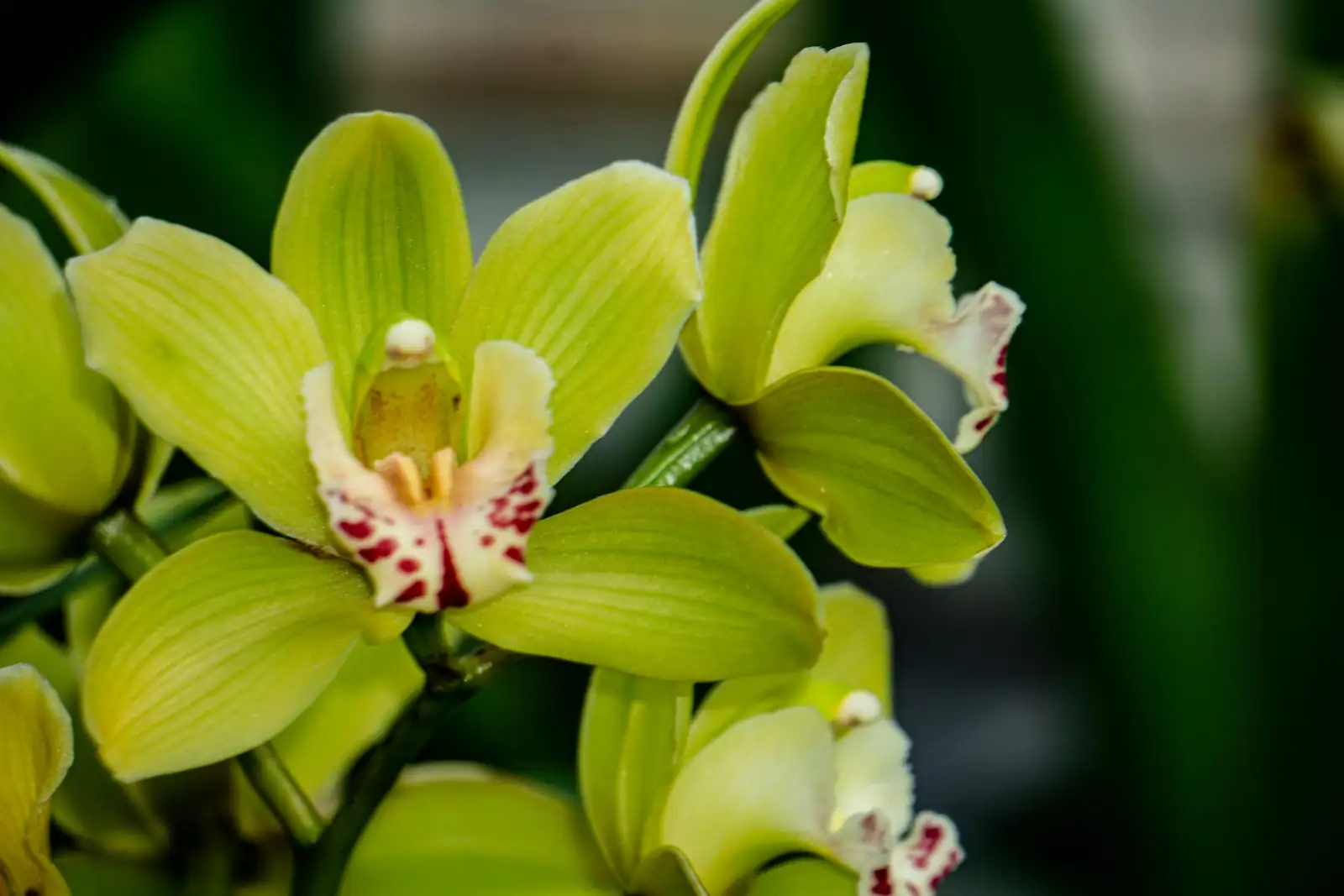
- Slide the pot slightly or look through drainage holes for creamy-white to green roots with fresh, pale tips.
- Avoid pots that smell sour, swampy, or alcoholic—this usually signals a suffocating, decomposing mix.
- Seasonal clue: If you can, buy when at least one strong new growth is emerging—establishment will be quicker.
3) Foliage: clean, deep-green, and unspotted
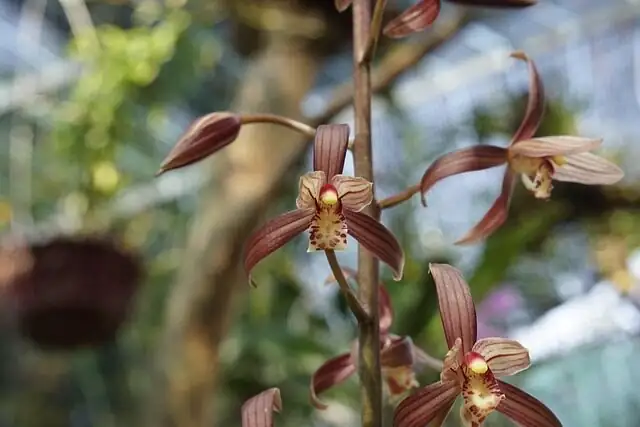
- Leaves should be neat, arching to upright, with a deep-green sheen—no black or tan spots, no sticky residue, and no frayed, sunburnt patches.
- Check the newest leaf bases and the crown; any mushy tissue there is a deal-breaker.
4) Mix and pot: airy, sweet-smelling, and fast-draining
- The gold standard is an open, free-draining blend that never stays waterlogged. Common ingredients include composted bark/wood chips, coconut coir, moss, leaf mold or peat, charcoal, pumice, brick chips, and vermiculite.
- Lift the pot: it should feel light for its size. A heavy, sodden pot is a red flag.
- Trend to note: Some experts use mostly inorganic, granular blends (e.g., pumice- and Kanuma-based layers). These can work brilliantly if rinsed well (to remove dust) and paired with careful watering and strong airflow.
Vigor vs. fragrance: choose for your conditions
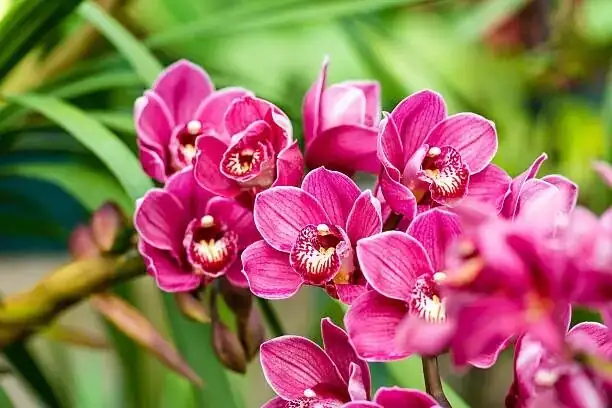
C. goeringii is famous for perfume, but clones vary in vigor, and your microclimate determines how much fragrance you’ll actually enjoy.
If your setup is cool, humid, and airy
- You can indulge in fragrance-first selections or heirloom/collector cultivars with refined flowers or leaves.
- Why it works: Flower-bud initiation is encouraged by cool nights around 12–13°C, steady humidity, and bright, filtered light. Under these conditions, you’ll coax maximum scent from winter-to-spring blooms.

If you grow hot, dry, or on a bright indoor windowsill
- Prioritize vigorous, green-leaf forms and larger, multi-growth clumps. These shrug off stress better and rebound faster from heat or low humidity.
- Manage expectations: Growth may pause above 35°C and fragrance can be muted in very dry air. Boost humidity and soften the light for best results.
If winters are short or indoor-only
- Choose robust plants with several growths and focus on cultural consistency. You’ll still get superb fragrance, but bud set relies on cooler, bright-shade conditions—consider a bright, cool window or balcony with gentle sun and good airflow.
Pro tip: Fragrance intensity is not just genetics—it’s also culture. Cooler bright days, good hydration without sogginess, and clean air movement amplify scent; erratic watering and stale, wet media do the opposite.
Light, temperature, humidity: the sweet spot
Light
- Bright shade to dappled/filtered light.
- Summer: about 60–80% shade to avoid leaf scorch.
- Winter: brighter positioning is welcome, but typical sunny windowsills can be too harsh and dry unless you soften the light and raise humidity.
Temperature
- Ideal: 15–25°C. Growth slows above 35°C.
- Resilience: brief, protected dips to about -8 to -5°C if kept drier; not for prolonged freezes.
- Buds: cool periods around 12–13°C often encourage flower initiation.
Humidity and airflow
- Baseline: 50–60% works; during active growth, 80–90% can be ideal.
- Always pair higher humidity with steady air movement to prevent leaf spot and rot.
Watering: make-or-break technique
- Rhythm: More in summer growth; less in winter. Protect from heavy rain and never let the potting mix stay soggy.
- Seasonal finesse:
- Autumn: water in the morning so leaves and crown dry promptly.
- Winter: water around midday on sunny days.
- Use clean water. If using tap water, let it sit so chlorine dissipates and warm to room temperature.
- Avoid letting water pool in the crown, and don’t splash dirty runoff on leaves.
Feeding: light and regular—then pause
- During active growth, apply a very dilute fertilizer every 2–3 weeks.
- Many growers pair a gentle nitrogen source with a bloom-supporting feed (e.g., monopotassium phosphate) at low concentration.
- Skip feeding in winter and around flowering, and never fertilize on overcast/rainy days. Keep fertilizer solution out of the plant’s center.
Potting, repotting, and division
When and how to repot
- Every 2–3 years, ideally before new roots elongate—often around March or around September.
- Let the medium dry slightly beforehand to reduce breakage. Remove old mix, rinse roots, and trim dead tissue.
- Many pot 3–5 shoots together for a fuller, more stable clump.
Pot and mix setups that work
- Pot: deep, well-drained container with a coarse drainage layer (shards or brick chips). Leave about 2 cm of headspace.
- Airy organic blend (example): medium bark + pumice/brick chips + a touch of coconut coir or moss for moisture + charcoal. Adjust to your climate: finer, moister in dry climates; coarser in humid ones.
- Inorganic, granular style (trend): layered large-to-small particles (e.g., pumice/Kanuma/perlite), rinsed to remove dust. Excellent airflow, careful watering, and steady humidity are mandatory.
- After potting: water thoroughly, then keep the plant in bright shade until established.
Division
- Best with modest divisions of 2–3 growths. Dust cuts with sulfur, and allow brief air-drying of roots before potting. Recover in bright shade with good airflow.
Health checks and troubleshooting
- Leaf spot and soft rot are the big threats in muggy, stagnant setups. Signs include spotting on new growths, basal decay, or white fungal growth on the medium.
- Prevention: strong airflow, fast-draining media, and avoiding prolonged wetness.
- If needed, use an orchid-appropriate fungicide in line with local guidance.
- Bud blast triggers: heat spikes, very dry air, sudden drought after overwatering, or stale, soggy media.
Safety note: Cymbidium orchids aren’t widely cited as seriously toxic, but chewing can cause mild stomach upset—keep out of reach of nibbling pets.
A seasonal playbook (at a glance)
- Summer: 60–80% shade; water more but shield from heavy rain; keep air moving.
- Autumn: avoid rain-soaking; water in the morning; begin easing toward cooler nights.
- Winter: brighter placement with gentle sun; water less at midday on sunny days; fragrance season begins.
- Feeding: ultra-dilute every 2–3 weeks during growth; pause in winter and around flowering.
- Repot/divide: every 2–3 years, typically March or around September before roots run.
Culture and meaning: the quiet power behind the perfume
- Symbolism: Often associated with purity, elegance, and refined character—the “gentleperson” of orchids. The idea traces to centuries of East Asian aesthetics that prized inner virtue over showy display, mirroring the plant’s modest flowers and profound scent.
- History and legend: Lauded in classical writings for extraordinary fragrance; prized as a cultivated potted orchid where the grower’s art balances light, moisture, and air to reveal its best self.
Quick answers to common questions
- What potting mix is best in a pot?
- An airy, fast-draining blend that holds a touch of moisture but never stays wet. Popular ingredients include leaf mold, peat, moss, coconut coir, charcoal, pumice, brick chips, and vermiculite. Some experts succeed with mostly moss or granular inorganic mixes—success depends on excellent airflow and disciplined watering.
- Why is my plant shrinking with fewer leaves?
- Roots likely lack air. Chronic overwatering (or bone-dry spells), strong unfiltered sun, and low humidity can cause decline. Provide filtered light, breathable media, and higher humidity during growth (often 80–90%), with steady air movement. Many windowsills are too bright and dry without shade and humidity support.
Final buying takeaway
- Firm pseudobulbs, active roots, clean leaves, and a sweet-smelling, airy mix—that’s your winning quartet.
- If your conditions are cool, humid, and well-ventilated, lean into fragrance-first and collector forms. If you battle heat or dry air, prioritize vigorous, multi-growth clumps and keep culture steady.
- Do that, and this “quiet” orchid will steal the show the moment its winter perfume arrives.