

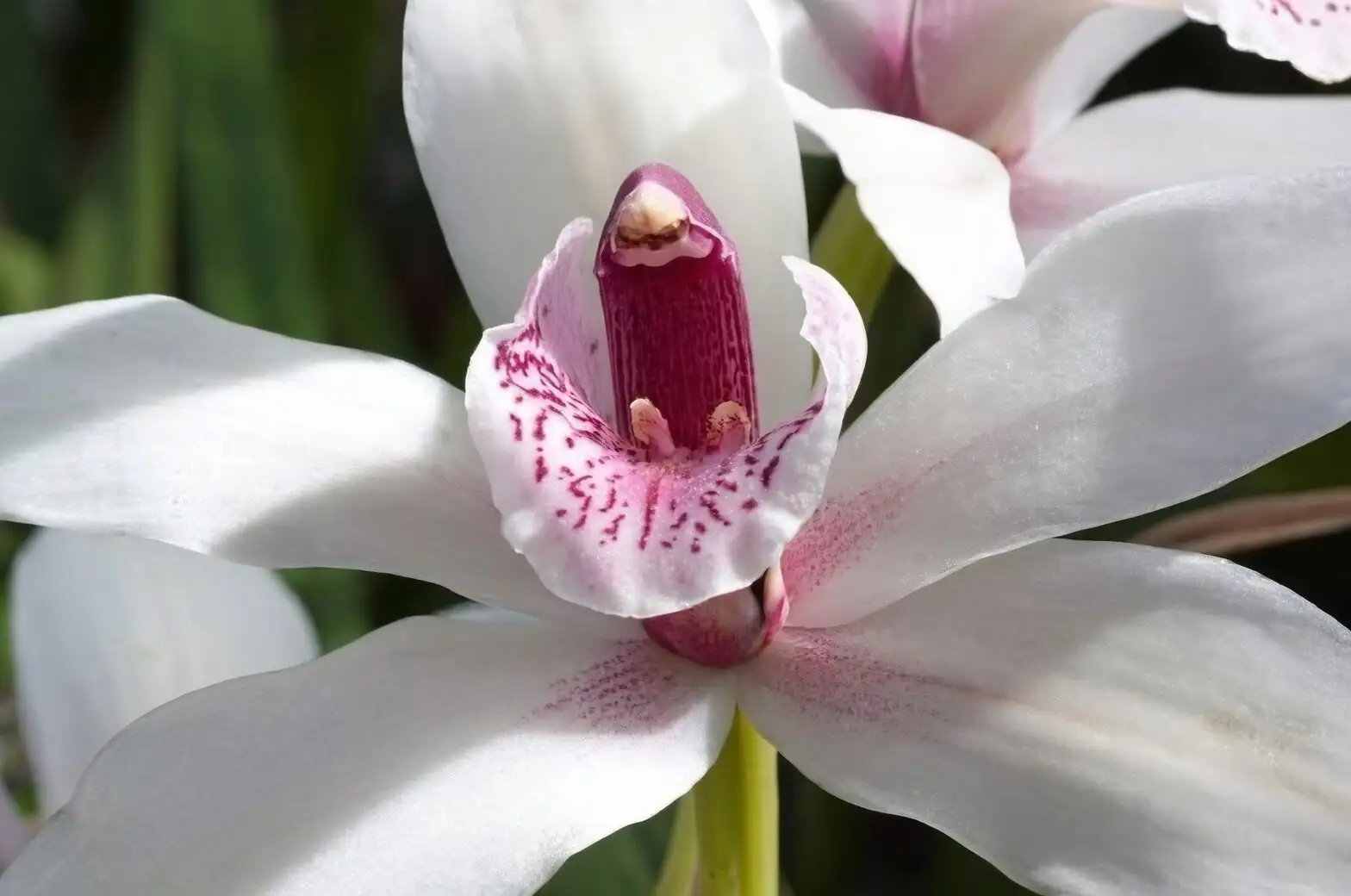
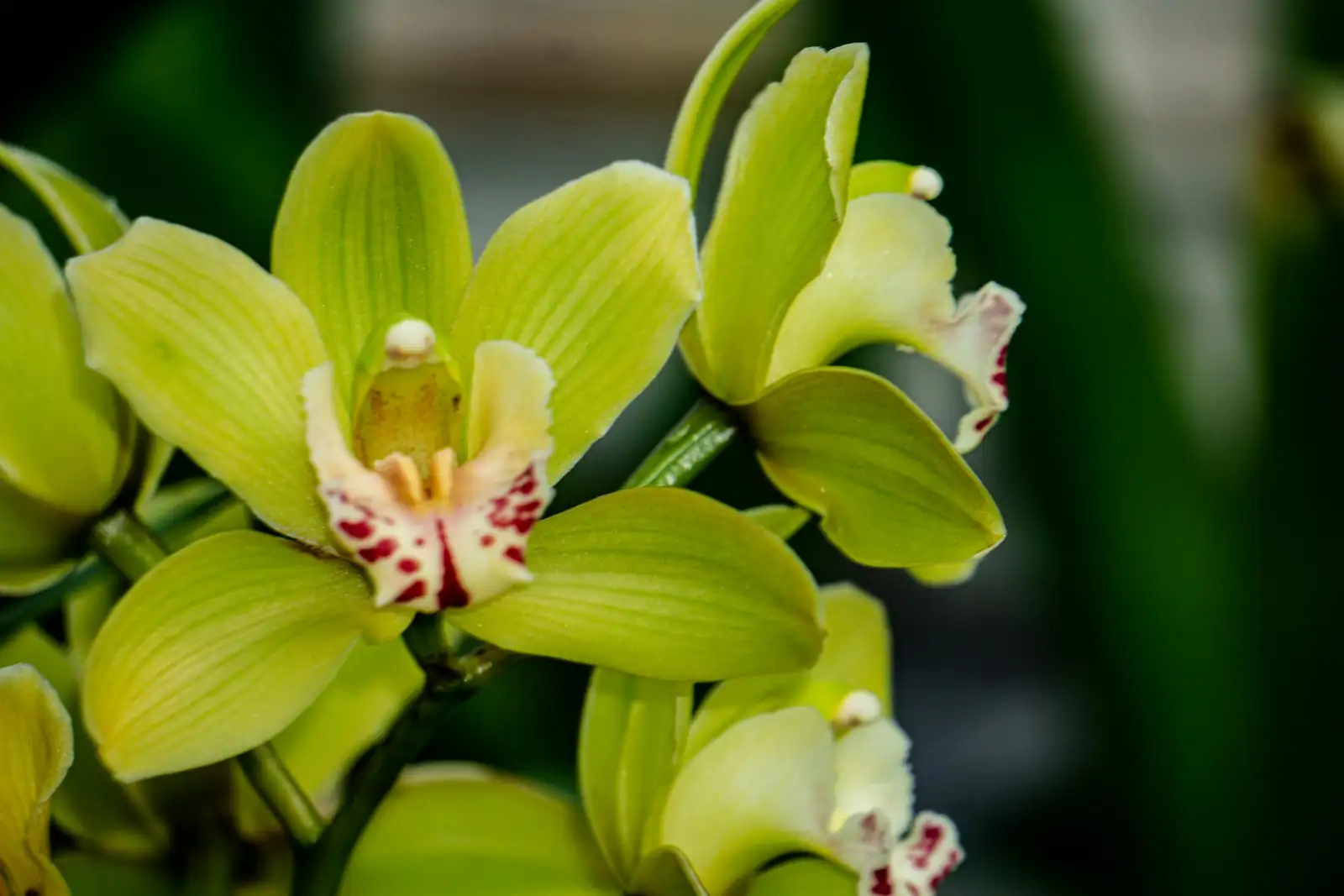
Imagine a still, gray morning. On the windowsill, a cluster of narrow, glossy leaves gathers the pale light, and from their base rise a few starry blooms—waxen, greenish-gold—and suddenly the room is sweeter, clearer, almost lifted. That is Cymbidium goeringii in winter: quiet presence, radiant perfume.
This is your guide to savoring that fragrance—when it’s most expressive, how to coax it on the air, and ways to pair it with tea or a page-turning pause.
Meet the winter perfumer
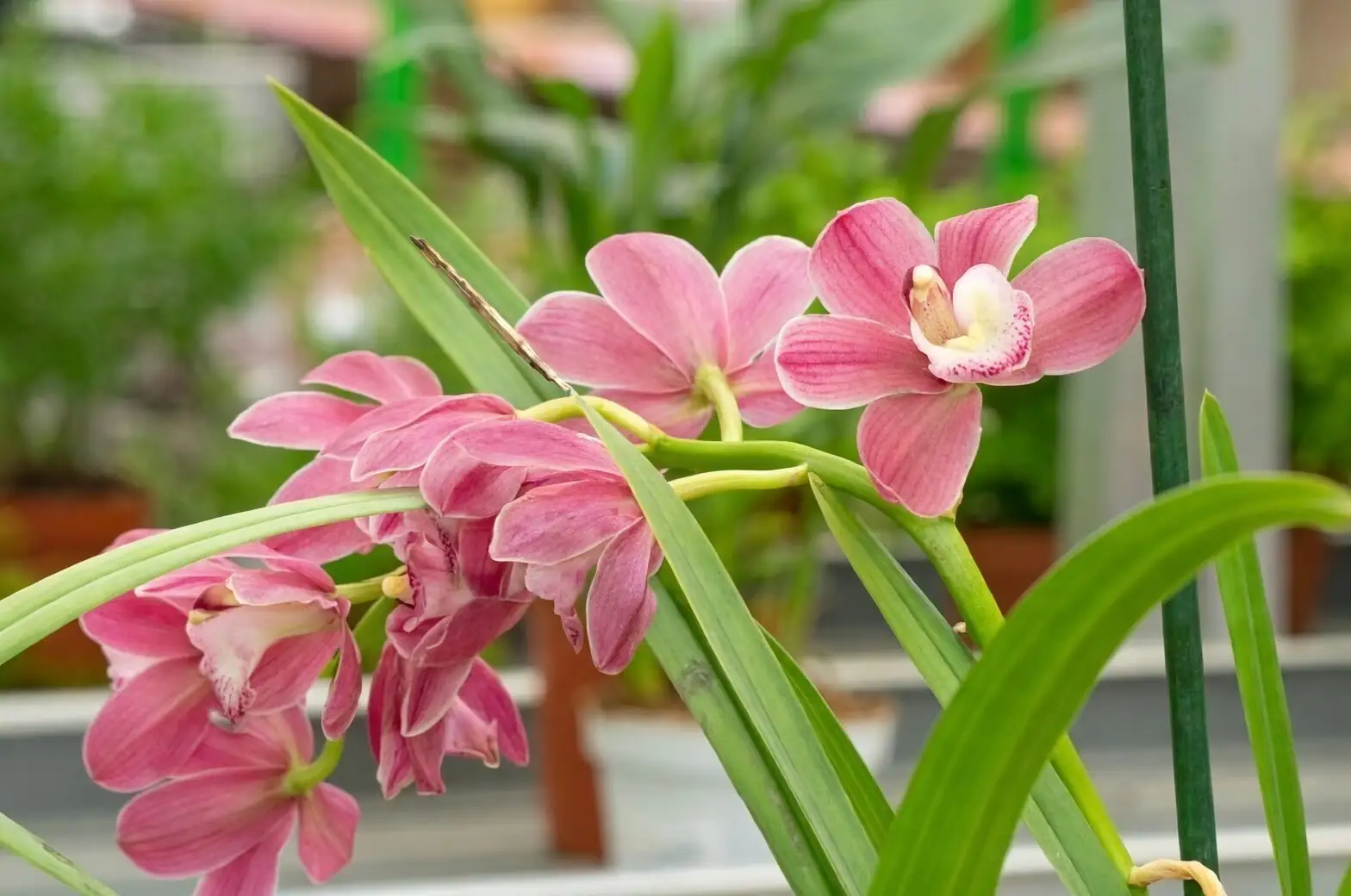
- Identity: Cymbidium goeringii (often called Chinese Cymbidium or Spring Orchid), a classic of East Asian orchid culture from China, Japan, and the Korean Peninsula.
- Habit: Compact, clump-forming plants, typically 20–40 cm tall, with narrow, deep-green, arching leaves.
- Flowers: A few waxy, star-shaped blossoms, usually greenish to yellow-green with subtle markings—famous for a rich, sweet perfume.
- Season: Blooms from winter into spring, right when a home most benefits from a soft, living scent.
When the fragrance peaks: time-of-day cues
Like many fragrant orchids, C. goeringii’s perfume is shaped by light, temperature, and humidity. Aim for cool-bright winter conditions and track the sweet spot.
- Late morning on sunny days (roughly 9:30 a.m.–noon)
- The room has brightened and warmed slightly; flowers wake up and begin releasing volatiles more generously.
- Target indoor temperatures of about 15–20°C (59–68°F).
- Midday to early afternoon (noon–2 p.m.)
- Often the day’s most expressive window, especially with gentle winter sun and humidity around 60–70%.
- If your space is dry, a small humidifier set low can help—just keep air moving.
- After dusk
- The scent usually softens, becoming more intimate than expansive. Ideal for a quiet corner, a lamp, and a cup of tea.
Tip: Keep a simple “scent log” for a week—note time, light, temperature, and humidity. You’ll quickly find the daily crest in your own home.
Setting the stage: light, placement, and airflow that carry scent

C. goeringii loves bright shade and fresh air; so does its fragrance. The goal is a gentle current that wafts scent without chilling the plant.
Light that flatters perfume
- Indoors in winter, choose a bright window or balcony with softened light.
- East windows are excellent for morning sun; south/west need a sheer curtain at midday.
- Avoid harsh, direct rays that can desiccate blooms or overheat the pot.
Airflow that lifts aroma (without stress)
- Create a soft cross-breeze:
- Crack a window 2–3 cm (an inch or so) for 10–15 minutes late morning on fair days.
- Or set a small fan 1.5–2 m (5–6 ft) away on low, oscillating past—but not directly at—the blooms.
- Maintain a winter baseline humidity near 60–70% with steady airflow to prevent stagnation.
- Avoid strong drafts or blasts of heat that can strip moisture from flowers and mute scent.
Positioning for the nose and the room
- Seat-level magic: Place the pot so flowers sit near nose height when you’re reading or writing. The scent unfolds like a soft halo within arm’s length.
- Threshold effect: Set it near a doorway or the turn of a stair where a natural current gathers—each pass becomes a scented moment.
- Keep pots airy: Use a well-drained, open mix (bark/wood chips, moss or coir, charcoal, pumice/brick chips) and never let the medium stay soggy. Perfume starts with healthy roots.
Scent-forward care during bloom
The sweeter the plant’s comfort, the clearer its perfume.
- Watering
- Winter: less frequent. Water around midday on sunny days so the plant dries gently before evening chill.
- Use clean, room-temperature water; let tap water stand so chlorine dissipates.
- Never let water pool in the crown; avoid splashing dirty water on leaves.
- Feeding
- Hold fertilizer in winter and around flowering. Resume very dilute feeding every 2–3 weeks only once active growth returns.
- Temperature
- Ideal general range: 15–25°C (59–77°F). Buds appreciate cool-bright conditions; growth slows above 35°C (95°F).
- Humidity and air
- Aim for 60–70% humidity in winter with continuous, gentle airflow. Stagnant, muggy air risks disease and dulls the experience.
- Light
- Bright shade or filtered sun. Avoid harsh midday rays but keep the plant bright—dim rooms flatten both flower and fragrance.
Tea pairings for a winter perfume
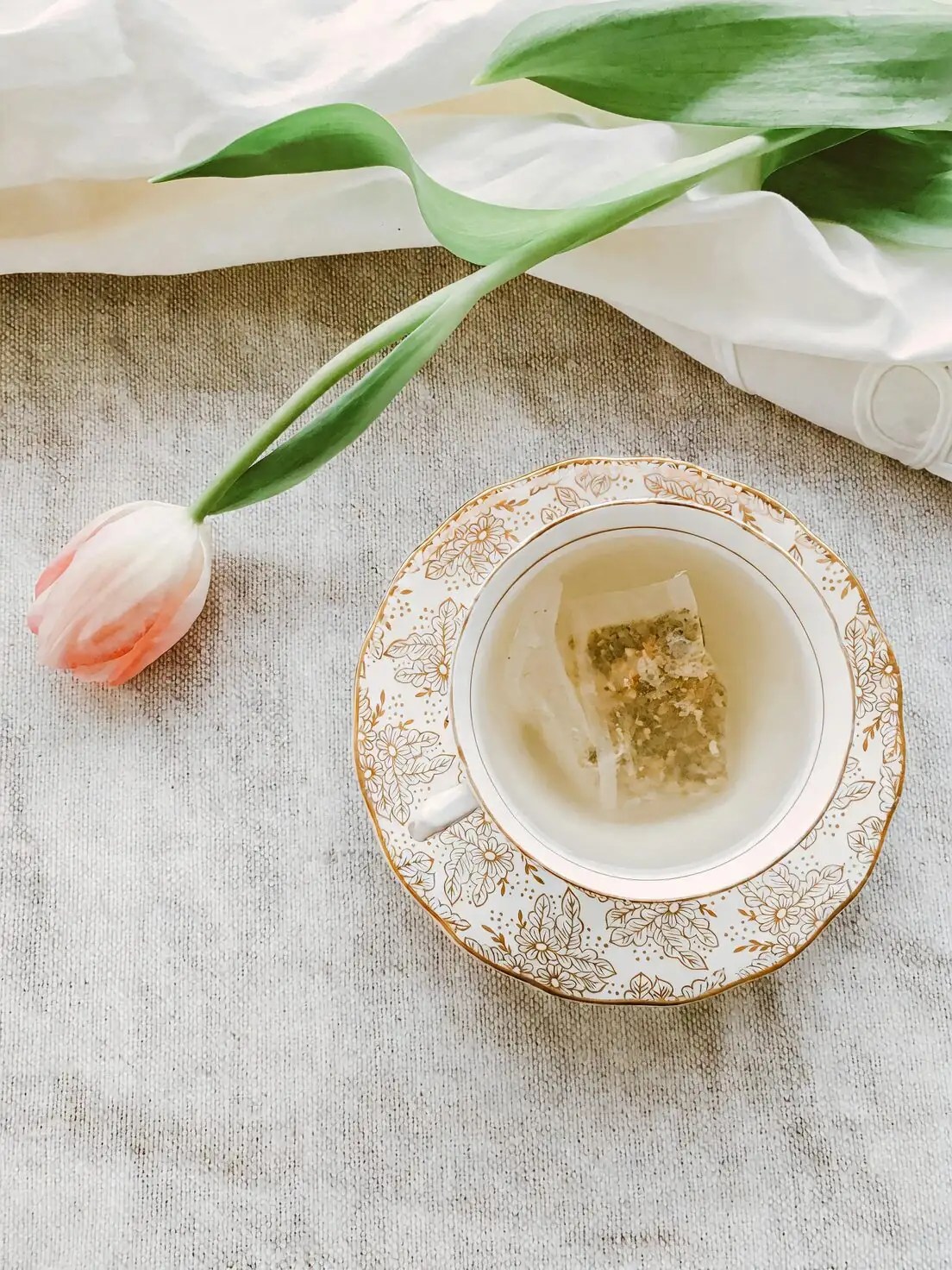
The orchid’s fragrance is refined and sweet; pair it with teas that echo delicacy rather than overwhelm.
- For clarity and lift
- White tea (e.g., Silver Needle) — porcelain-clean, lets the floral notes shine.
- Lightly oxidized oolong (e.g., Baozhong, lightly floral Tie Guan Yin) — a soft duet with the orchid’s sweetness.
- For warmth and calm
- Gentle green tea (e.g., Dragon Well/Longjing or a mellow sencha) — grassy sweetness harmonizes with the orchid’s calm tone.
- Lightly roasted hojicha — to sip when you prefer the orchid to provide the floral notes while the tea stays toasty and subtle.
- Serving tips
- Keep water temperatures and steep times conservative; over-extracted tea can drown nuance.
- Unscented teas are best; avoid competing fragrances and strongly aromatic blends.
Reading companions: quiet pages for a quiet bloom
Pair the orchid’s winter voice with:
- A slim poetry collection—short forms let you pause and breathe between sips and scents.
- A quiet nature diary or garden essay—slow enough to notice the fragrance rising and falling.
- A personal notebook—jot a few lines about what you smell, the light, even the day’s weather; scent is a beautiful memory-keeper.
A simple winter ritual
- Late morning
- Open the curtain to bright, filtered light.
- Crack a window briefly or start the fan on low.
- Bring the pot to your reading table; place blooms within easy reach of your breath.
- Prepare tea
- Choose a delicate, unscented tea and a small cup. Brew lightly.
- Sit and notice
- First inhale: cool-green and sweet.
- Second: how the room changes as air moves.
- Third: close your eyes; let the fragrance anchor you to the season.
Troubleshooting a faint or missing scent
- Light too low or too harsh?
- Move to bright shade; soften midday sun with a sheer.
- Air too still or too dry?
- Add a very gentle cross-breeze; lift winter humidity toward ~60–70%.
- Temperature off?
- Keep the room in the 15–20°C band during bloom for balanced release.
- Overwatering or sour medium?
- Ensure an airy, fast-draining mix; never let it stay soggy. If the pot smells sour, plan to repot after flowering (commonly every 2–3 years).
- Fertilizer timing?
- Pause feeding in winter and while flowers are open; resume very diluted feed only with new growth.
A note on symbolism
Across East Asian traditions, this “spring orchid” has long symbolized purity, elegance, and refined character—a quiet beauty with a strong inner presence. Its fragrance arrives not with fanfare but with composure, which is partly why winter bloom feels like a conversation in a library: gentle, resonant, unforgettable.
Safety and serenity
Cymbidium orchids are not widely cited as seriously toxic to people or pets, but ingestion may cause mild stomach upset. Keep them out of reach of nibblers so both plant and peace remain intact.
—
In the hush of winter, Cymbidium goeringii does what few flowers can: it turns a room into an instrument the air plays. Set the light, stir the breeze, warm a cup—then let the perfume do the rest.