


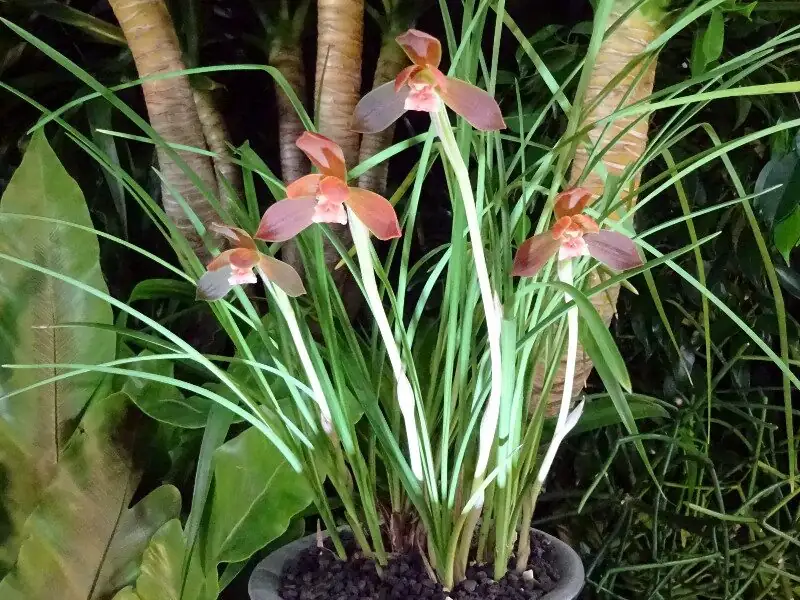
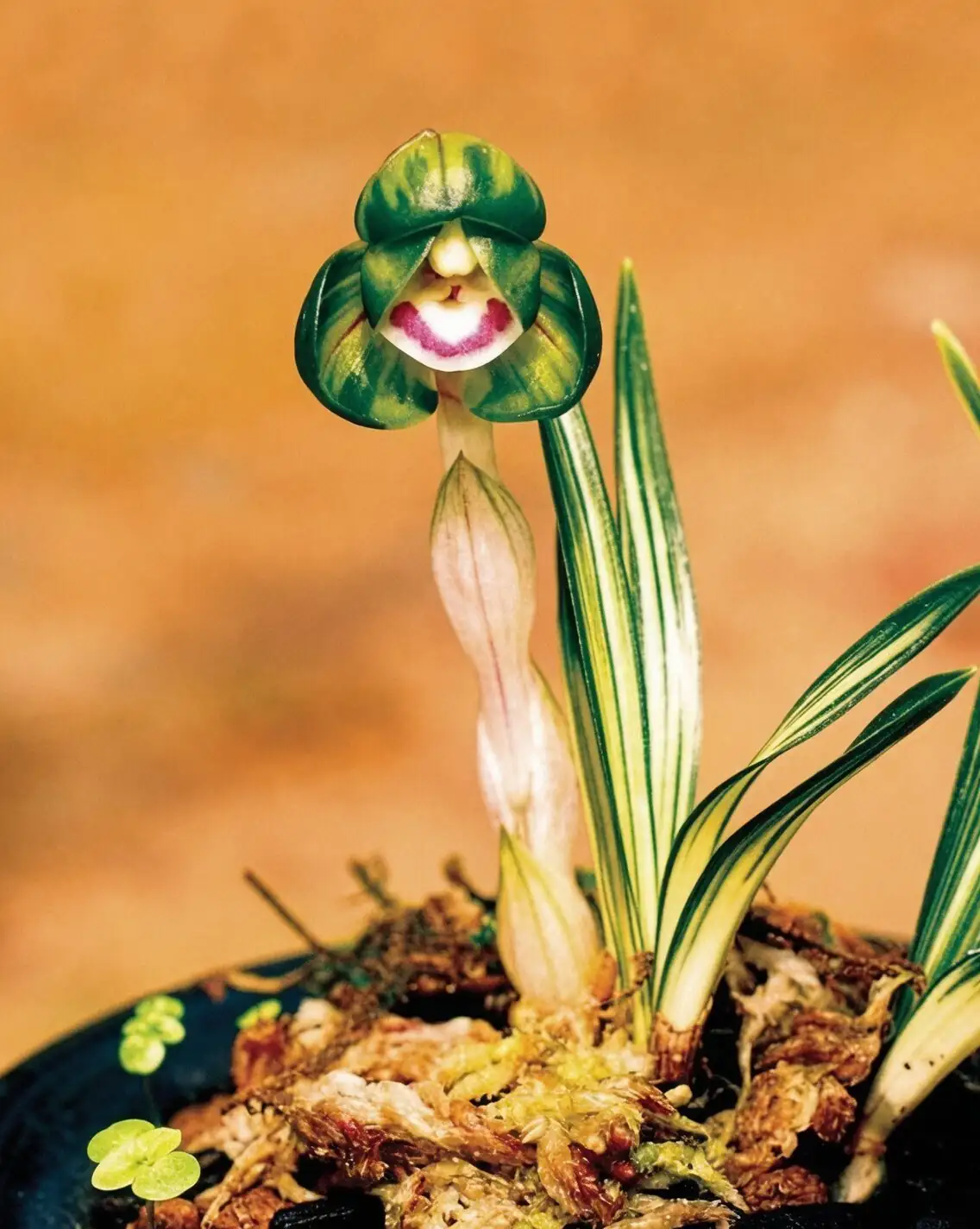
Breathe in: Cymbidium goeringii—the Chinese Cymbidium, or chunlan—smells like spring’s first secret. Compact, grassy clumps. Waxy, starry winter-to-spring blooms. A perfume that lingers like memory. The trick to keeping this classic East Asian orchid happy is rhythm—light, water, air—tuned month by month. Here’s your concise, confidence-boosting checklist.
Note: Written for a temperate Northern Hemisphere schedule. In the Southern Hemisphere, shift months by six.
Quick setup for success
- Light: Bright shade to dappled light; avoid harsh midday sun. In summer, target 60%–80% shade. In winter, a bright, draft-free windowsill or balcony with gentle sun.
- Temperature: Sweet spot 15–25°C (59–77°F). Growth slows above 35°C (95°F). Brief dips to about -8 to -5°C (18–23°F) are tolerable if drier and protected. Flower-bud initiation is often nudged at 12–13°C (54–55°F).
- Humidity + airflow: Aim for 50%–60% baseline; during active growth, 80%–90% is ideal if air moves well. In winter, many growers keep 60%–70% with gentle circulation.
- Potting mix: Very airy and fast-draining. Use a blend such as moss/bark/leaf mold with charcoal and pumice or brick chips; or a granular setup (e.g., pumice/kanuma/perlite) that stays open and never waterlogged.
- Habit: Clump-forming, cool-growing, potted orchid; sensitive to waterlogging; famed for strongly fragrant winter–spring flowers.
The month-by-month checklist
January
- Light: Bright, filtered light indoors; avoid hot glass at midday.
- Water: Midday sips only, on sunny days. Keep mix just barely moist; no soggy crowns.
- Feed: Pause fertilizer (flowering/rest period).
- Air: Keep humidity ~60%–70% with gentle airflow.
February
- Light: As above; rotate the pot for even growth.
- Water: Midday, lightly; allow the top layer to just dry between waterings.
- Feed: Still paused if buds/flowers present.
- Task: Inspect for spots/soft rot; remove spent blooms cleanly when done.
March
- Light: Brighter late-winter sun is fine if softened; avoid scorch.
- Water: Gradually increase as new growth swells.
- Feed: Resume ultra-dilute fertilizer every 2–3 weeks once flowering finishes and new growth starts.
- Repot window: Excellent time before new roots run—every 2–3 years, or if mix is breaking down.
April
- Light: Bright shade; introduce more outdoor air if frost risk has passed.
- Water: Evenly moist, never stagnant. Use clean, room‑temp water.
- Feed: Ultra-dilute every 2–3 weeks; skip on overcast/rainy days.
- Air: Raise humidity (70%–85%) with good movement.
May
- Light: Filtered; strengthen shade screens in anticipation of heat.
- Water: Steady, thorough waterings; let excess drain fast.
- Feed: Continue ultra-dilute, 2–3‑weekly.
- Task: Shield from heavy rains; splashy, dirty water invites leaf spot.
June
- Light: Summer target—60%–80% shade.
- Water: More frequent, but don’t let the potting mass stay wet for long. Protect from downpours.
- Feed: Ultra-dilute, 2–3‑weekly.
- Heat watch: Above 35°C (95°F), add shade, airflow, and evaporative cool.
July
- Light: Maintain 60%–80% shade; no midday sun.
- Water: Regular, thorough soaks with full drainage; avoid standing water in leaf bases.
- Feed: Ultra-dilute, 2–3‑weekly.
- Air: High humidity (80%–90%) is fine if air is lively; otherwise, leaf spot risk rises.
August
- Light: As July; keep it cool and moving.
- Water: Slightly moderate if nights turn warm and muggy; never bone-dry.
- Feed: Continue ultra-dilute unless the plant slows in heat.
- Task: Avoid rain-soaking; tidy any yellowed tips.
September
- Light: Late summer/early autumn brightness with gentle shade; cooler nights are welcome.
- Water: Shift to morning watering to dry leaves early.
- Feed: Wind down feeding by late month (bud setting may begin).
- Repot window: Another good moment—before new roots sprint.
- Note: Bud initiation is encouraged around 12–13°C (54–55°F) nights.
October
- Light: Bright shade; sun is gentler but still avoid scorch.
- Water: Morning, modest volumes; keep crowns dry.
- Feed: Generally stop now (avoid around flowering).
- Air: Maintain 60%–70% humidity with movement; cool, fresh nights are helpful.
November
- Light: Move toward a bright indoor spot with soft sun.
- Water: Light, morning sips spaced out; let the top layer dry slightly.
- Feed: None.
- Cold care: Brief chills are tolerated if kept drier and protected; avoid prolonged freezes.
December
- Light: Brightest safe indoor light; no harsh midday beams.
- Water: Midday sips on sunny days only; minimal in dull, cold spells.
- Feed: None.
- Enjoy: Fragrant buds and blooms often begin; keep conditions steady.
Watering cues that never fail
- Your north star: moist but airy. The mix should breathe and drain immediately; no standing water, no soggy cores.
- Seasonal timing: autumn mornings, winter middays on sunny days. In summer, water earlier in the day so leaves dry with airflow.
- Quality counts: Use clean, low-residue water; let tap water stand to off‑gas chlorine and warm to room temperature.
- Hygiene: Don’t splash dirty water onto leaves; never let water pool in the crown.
Fertilizer, the ultra-dilute way
- What: Very dilute feed every 2–3 weeks during active growth only.
- When to pause: In winter and around flowering.
- How: Apply on bright days to damp media; keep fertilizer solution out of the plant’s center.
- Mix philosophy: Light, consistent nudges outperform heavy doses. Some growers pair weak nitrogen with a bloom-supporting formula at low concentration during growth—still ultra-dilute.
Repot and divide: a calm, clean ritual
- Rhythm: Every 2–3 years, ideally in March or around September—before new roots lengthen.
- Steps:
- Let the mix dry slightly to reduce root breakage.
- Unpot, rinse, trim dead tissue; discard weak, spent shoots.
- Divide modestly (often 2–3 growths per piece). Dust cuts with sulfur.
- Pot 3–5 shoots together for a fuller clump in a deep, free‑draining pot with coarse drainage at the base.
- Spread roots, firm gently, leave ~2 cm (0.8 in) headspace, water through, then recover in bright shade with good airflow.
Fast troubleshooting
- Leaf spot/soft rot: Usually stagnant air + persistent wetness. Increase airflow, avoid rain‑soaked foliage, keep media airy; use an orchid‑safe fungicide if needed.
- Shrinking clump, fewer leaves: Often light too harsh or humidity too low, or roots suffocating in soggy/broken media. Reset to bright shade, airy mix, higher humidity with movement.
- Light stress: Healthy foliage is deep green to slightly yellow‑green. Pale yellow or burned arches = too much sun.
- Heat stalls: Above 35°C (95°F), growth slows. Add shade, evaporative cooling, and extra air.
A note on meaning and allure
In East Asian tradition, this “spring orchid” embodies purity, elegance, and refined character—quiet beauty with real depth. Its fame rests not on flashy displays but on a few perfectly poised, starry flowers whose fragrance seems larger than the bloom itself. The symbolism arose from centuries of appreciation in poetry, painting, and scholar’s studios, where subtle scent and graceful leaves signaled cultivated taste more than ostentation.
Before you bring one home
Choose plants with firm, plump pseudobulbs and clean, unspotted leaves. Skip any pot that smells sour or stays soggy. A plant with active roots and one strong new growth is a head start.
Grow it like a conversation: offer shade and air in summer, gentle light and restraint in winter, and whisper-soft feeding through the growing months. Do that, and Cymbidium goeringii will answer with perfume and poise when the year is at its quietest.