

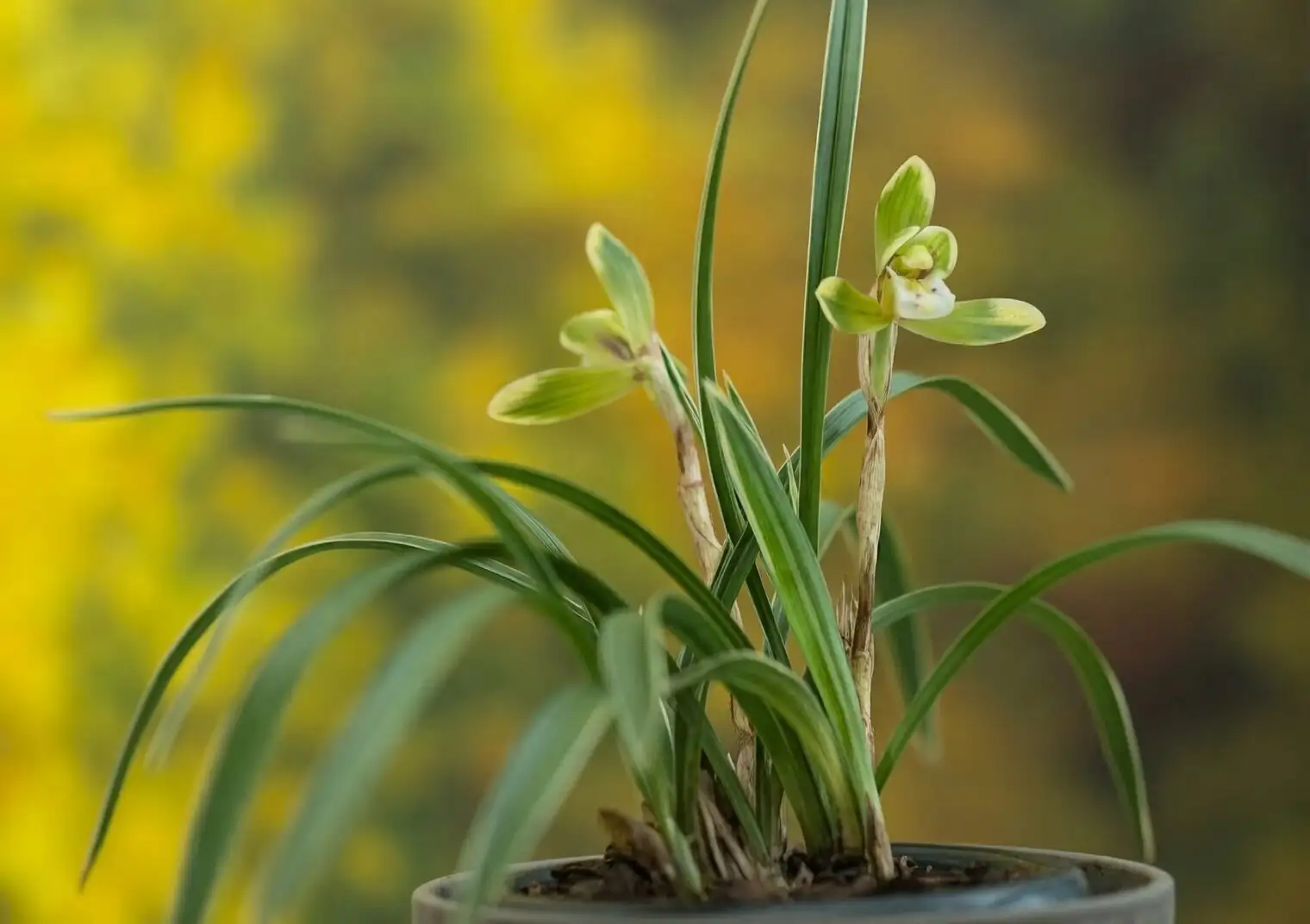
If you’ve ever fallen for the quiet elegance and perfume of Chinese cymbidium (Cymbidium goeringii), you know this orchid isn’t about flash—it’s about restraint. Think of growing it as tuning three dials in tandem: moisture, airflow, and filtered light. Turn any one too far, and the balance slips; set them just right through the seasons, and you’re rewarded with winter-to-spring flowers that smell like a private garden at dawn.
Meet Cymbidium goeringii at a glance
- Origin: China, Japan, and the Korean Peninsula
- Habit: Cool-growing, clump-forming sympodial orchid with neat, grassy leaves
- Size: Typically 20–40 cm tall in pots
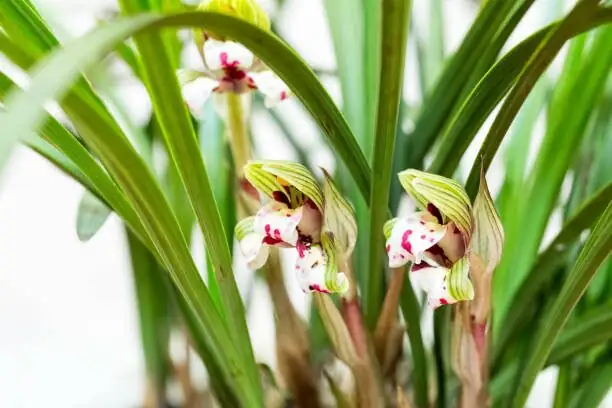
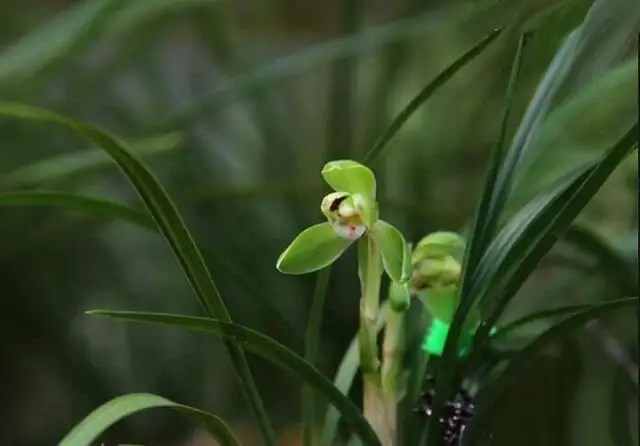
- Flowers: Waxy, starry, usually greenish to yellow-green, intensely fragrant
- Light: Bright shade to gentle, filtered sun; summer shade 60–80%
- Temperature: Prefers 15–25°C; brief dips to about -8 to -5°C tolerated if drier and protected
- Sweet spot for buds: Cool nights around 12–13°C encourage flower initiation
The three dials: moisture, airflow, filtered light
- Moisture: Keep the root zone evenly moist but never stagnant. This plant is sensitive to waterlogging—wet and stale is a fast track to rot.
- Airflow: Fresh, moving air is a non-negotiable. It reduces leaf spot, dries surfaces after watering, and lets you keep humidity higher without trouble.
- Filtered light: Bright, soft light is ideal. Aim for 60–80% shade in summer; in winter, move to a brighter spot with gentle sun.
Tip: On a balcony or porch, pair a shade cloth and a small fan. Indoors, use sheer curtains and keep plants spaced so leaves don’t touch.
Season-by-season guide
Spring (post-bloom to new growth)
- Light: Bright shade; let morning sun kiss the leaves, but filter the rest.
- Water: Resume steady watering as growth resumes. Keep the mix airy and just moist; never sopping.
- Airflow/Humidity: 50–60% is a workable baseline; increase toward 70% with good air circulation as new shoots extend.
- Feeding: Begin ultra-dilute fertilizer every 2–3 weeks during active growth. Think “tea-weak,” and always water first with plain water before feeding.
- Tasks: Inspect roots and mix; plan repotting/division before new roots elongate—often around March if timing aligns.
Summer (vigorous growth under protection)
- Shade: 60–80% shade. Dappled light is your friend; avoid harsh midday sun.
- Water: Water more often but protect from heavy rain and never let the pot sit in runoff. After hot spells, let surfaces dry quickly with airflow.
- Humidity/Air: During active growth, 80–90% humidity can be excellent if air is moving. A clip-on fan can be a lifesaver in muggy weather.
- Temperature: Growth slows above 35°C; increase shade and airflow to keep the canopy cooler.
- Feeding: Continue ultra-dilute feed every 2–3 weeks on bright, settled days. Do not fertilize on overcast or rainy days.
Autumn (tightening care and priming buds)
- Light: Keep bright, filtered light—think soft, slanted sun in early/late hours.
- Water: Shift to morning watering. Avoid rain-soaking; leaf-spot risk rises as nights cool.
- Bud set: Aim for cool nights around 12–13°C to encourage flower initiation. This temperature cue is key.
- Feeding: Continue very light feeding while growth is active, then taper off as the plant slows.
Winter (slow growth, scent in the air)
- Placement: Indoors or in a protected, bright, airy spot. A bright windowsill or balcony with gentle winter sun works—soften the light if it’s intense.
- Water: Water less. Time it for midday on sunny days so leaves and crowns dry before evening. Use clean, room-temperature water.
- Humidity/Air: Around 60–70% with steady airflow is a common target. Avoid stagnant corners.
- Feeding: Hold fertilizer in winter and around flowering. Enjoy the perfume.
Watering, the make-or-break
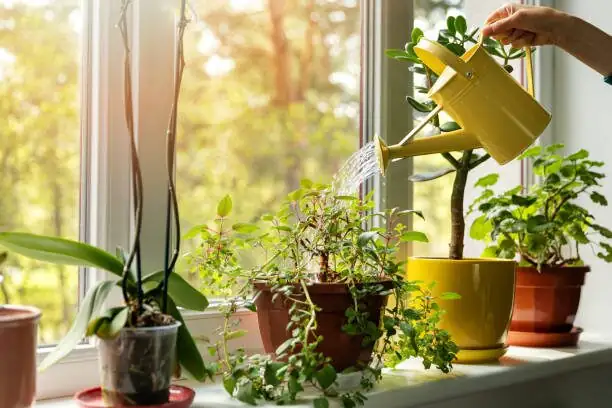
- Technique: Thoroughly moisten the medium, then let excess drain completely. Never leave water pooled in the crown or in saucers.
- Water quality: Use clean water; if using tap, let it sit so chlorine dissipates and the water warms to room temperature.
- Seasonal timing:
- Summer: More frequent watering, but protect from downpours.
- Autumn: Morning watering; avoid soaking in cool, rainy spells.
- Winter: Midday watering on sunny days; reduce frequency.
Fertilizer: the ultra-dilute rule
- Frequency: Every 2–3 weeks during active growth only; pause in winter and around flowering.
- Strength: Very dilute—err on the side of “barely there.”
- Formulation: Many growers pair a gentle nitrogen source with a bloom-supporting feed like monopotassium phosphate at low concentration. Keep solution out of the plant’s center and never fertilize on gray, overcast days.
Potting mix and containers
- Goal: Airy, fast-draining, never soggy. Roots want oxygen as much as moisture.
- Common ingredients: Leaf mold, peat, moss, composted bark/wood chips, coconut coir, charcoal, pumice, brick chips, vermiculite (adjust to local availability).
- Moss-heavy setups: Possible for experienced growers only—airflow must be excellent and watering tightly controlled.
- Granular option: Many enthusiasts succeed with porous, volcanic-based media (e.g., graded pumice or Kanuma-style components) layered coarse-to-fine to maintain drainage and aeration.
- Pots: Deep, well-drained pots with a coarse layer at the base (shards/brick chips) to keep the bottom sweet.
Repotting and division
- Timing: Every 2–3 years, ideally before new roots extend—often March or around September.
- Method:
- Let the mix dry slightly to reduce breakage.
- Remove old medium, rinse roots, trim dead tissue.
- Divide modestly (2–3 growths per division). Dust cuts with sulfur.
- Spread roots over a small central mound, firm gently, and leave about 2 cm headspace.
- Water thoroughly and recover in bright shade with good air.
- Tip: On weak plants, reduce excess flower buds during repotting to help recovery.
Light and placement, indoors and out
- Outdoors: A shaded, breezy spot for much of the year—never in blasting midday sun.
- Indoors: Bright but softened light; typical sunny sills are often too bright and too dry unless you add humidity and a sheer curtain.
- Seasonal tweak:
- Summer: 60–80% shade
- Winter: Brighter, gentle sun is fine if humidity is supported
Temperature and hardiness
- Ideal range: 15–25°C for steady growth.
- Cool cue: Nights around 12–13°C encourage bud initiation.
- Extremes: Brief dips to about -8 to -5°C can be tolerated if drier and protected; avoid prolonged freezes and long spells above 35°C.
Humidity and airflow
- Baseline: 50–60% is workable; winter often 60–70%.
- Peak growth: 80–90% humidity is fine if air is moving—stagnant, wet air invites trouble.
- Tools: Small fans, plant spacing, and breathable media prevent the “wet blanket” effect.
Health, safety, and troubleshooting
- Leaf spot and soft rot: Favored by stagnant, soggy setups—especially with lingering surface wetness. Improve airflow, keep media airy, and lower humidity during muggy, still weather. If needed, use an orchid-appropriate fungicide per label.
- Telltales of stress:
- Shrinking clumps or fewer leaves: Often from root suffocation (overwet or bone-dry), poor water quality, or light that’s too strong or too dim. Rebalance the three dials.
- Limp leaves with sour-smelling pot: Mix has gone stale—repot and increase aeration.
- Pet safety: Not widely cited as seriously toxic, but nibbling may cause mild stomach upset—keep away from pets that like to chew.
Culture, history, and flower language
For centuries, this “spring orchid” has been a byword for quiet virtue in East Asia, celebrated not for flamboyance but for poise and scent. Its symbolism—purity, elegance, and refined character—grew from the classic ideal of the cultivated scholar who values inner strength over showy display. The perfume is central to this meaning: you often notice it before you spot the flower, a reminder that depth and presence outlast bright color. In this light, the plant’s care philosophy makes sense—discipline, balance, and patience bring the most exquisite reward.
Quick seasonal checklist
- Spring: Resume steady watering; start ultra-dilute feeding every 2–3 weeks; repot/divide if due.
- Summer: 60–80% shade; water more with strong airflow; protect from heavy rain; feed ultra-dilute.
- Autumn: Morning water; avoid rain-soaking; aim for 12–13°C nights to set buds; taper feed as growth slows.
- Winter: Brighter placement; water less, at midday on sunny days; pause fertilizer; keep 60–70% humidity with airflow.
Balance those three dials—moisture, airflow, filtered light—and Cymbidium goeringii will answer with one of the finest fragrances in the plant world. Quiet plant, resounding presence.