

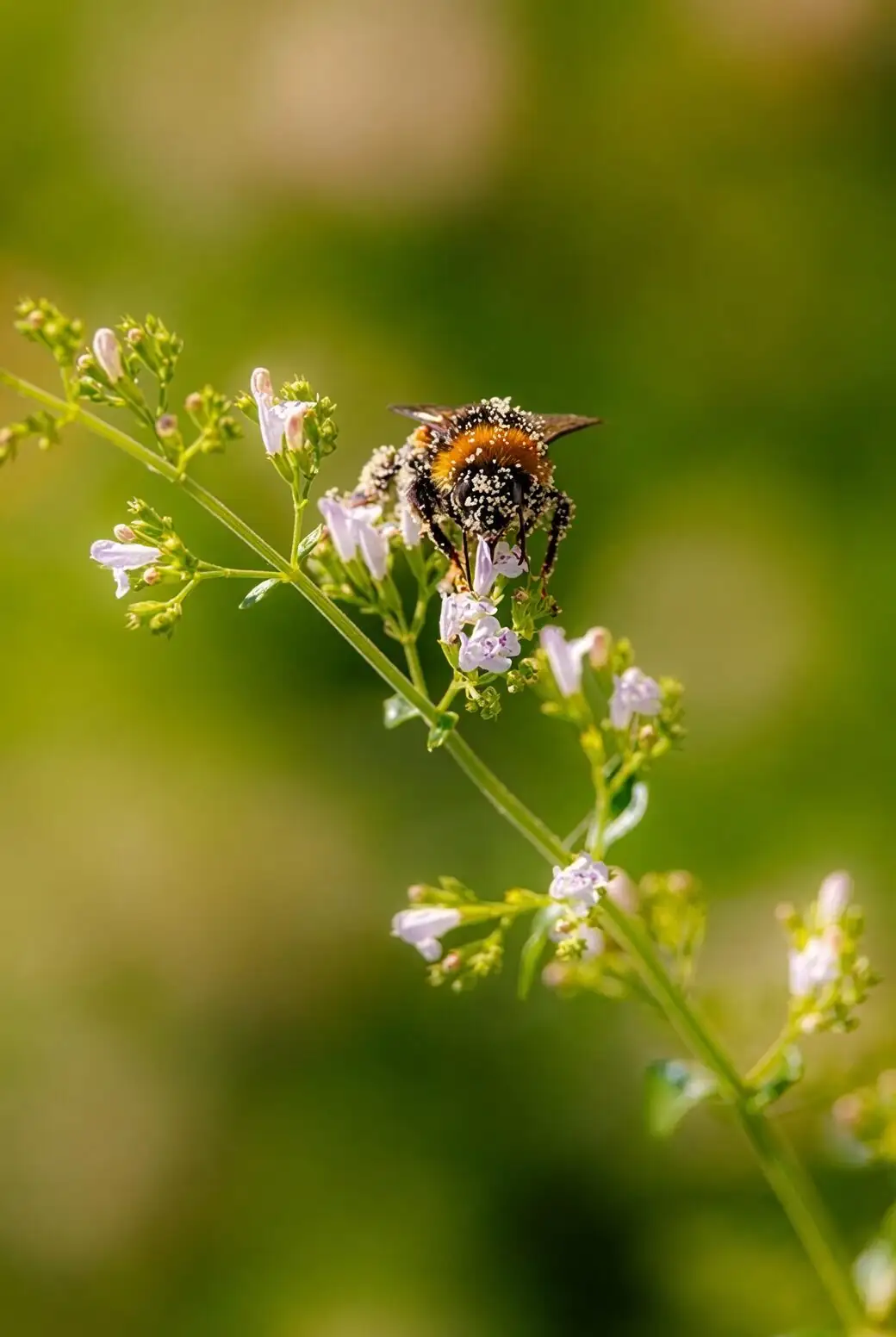
Imagine a summer bed that hums with bees, flutters with butterflies, and smells like a cool breeze: that’s what peppermint can do when you grow it for its pink–purple flower spikes as much as for mojitos. This energetic herb is easy, generous, and wildly charming to pollinators—if you water it right, keep chemicals out, and give its rhizomes respectful boundaries.
Peppermint at a glance (so you can plan)
- Botanical name: Mentha × piperita (mint family, Lamiaceae)
- Habit: Herbaceous perennial, clump-forming above ground, vigorously spreading by underground rhizomes
- Size: Typically 30–90 cm tall; often kept 15–30 cm in containers with regular cutting
- Flowers: Short spikes of small, nectar-rich blooms, pale purple to pink (summer magnets for bees and butterflies)
- Light: Full sun to partial shade; bright light boosts flavor and flowering
- Moisture: Likes evenly moist, fertile, well-drained yet moisture-retentive soil
- Hardiness: Foliage is frost-tender; rhizomes can survive to about −15°C (≈USDA Zones 5–9, cultivar and site dependent)
Why grow peppermint for pollinators?
- Those soft pink–purple spikes are nectar baristas for bees and butterflies in summer.
- It’s container-friendly, so you can put nectar right on a balcony or sunny stoop.
- It flowers reliably without fussy care, provided you keep it consistently moist.
Grow it where it thrives (and stays put)
- Light and temperature
- Full sun to part shade. In hot climates, a touch of afternoon shade keeps leaves lush and buds from stalling.
- Best growth around 20–30°C; top growth can be damaged below 0°C, but rhizomes are hardy to about −15°C.
- Soil and containers
- Use a rich, loam-based mix amended with compost or leaf mold and a bit of sand/perlite for drainage.
- In pots, start with 12–15 cm containers (you can tuck 3 young plants together), then size up as roots fill out.
- Incorporate compost or a base fertilizer at planting; during active summer growth, feed lightly every two weeks (weekly, diluted, is fine in peak season). Stop feeding as growth slows late season.
- Five smart spread-control strategies
1) Pot it: Easiest. Keep on a sunny patio, balcony, or windowsill.
2) Pot-in-ground: Sink a nursery pot or bucket with drainage holes so the rim sits 2–5 cm above soil; this hems in rhizomes.
3) Root barrier ring: Install a smooth barrier 20–30 cm deep around a bed; overlap ends.
4) Raised-bed edge discipline: Line inner sides with sturdy plastic or metal; patrol runners and clip on sight.
5) Divide and conquer: Each spring, lift, discard tired rhizomes, and replant only the thick, pale, vigorous pieces.
Watering that powers bloom (not just leaves)
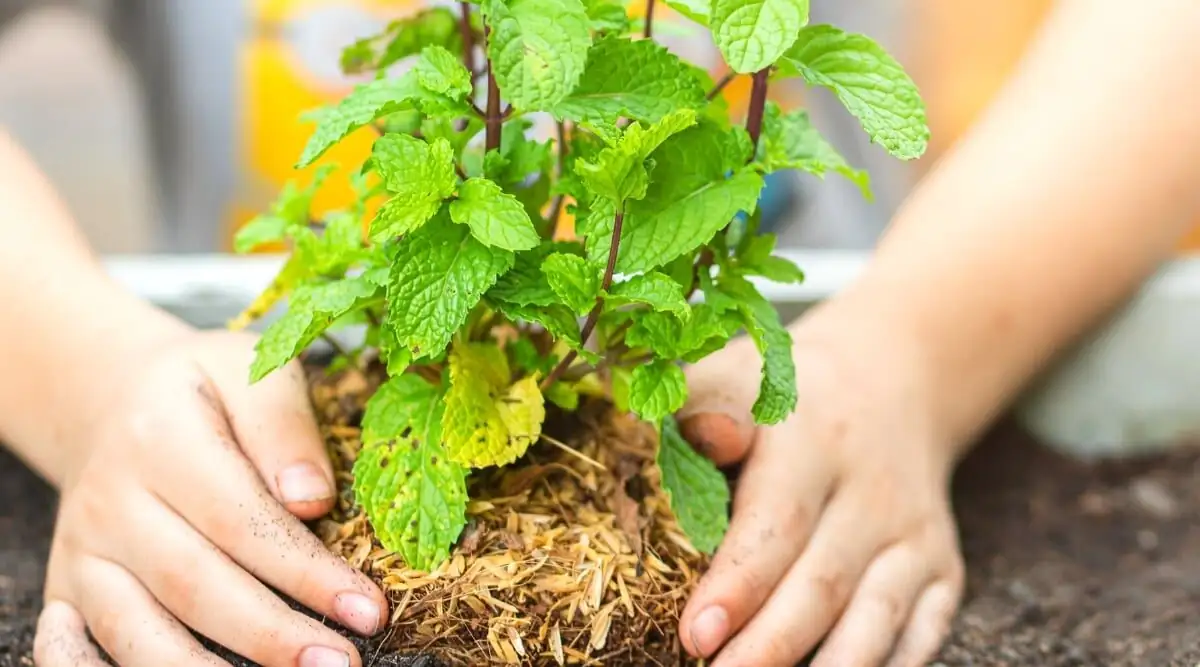
- Your goal: steady moisture. Consistency keeps buds forming and nectar flowing.
- In-ground
- Deeply water 1–2 times per week depending on heat; keep the top few centimeters from ever fully baking dry.
- Mulch with shredded leaves or compost to even out swings in temperature and moisture.
- Containers
- Check daily in heat; water when the surface just begins to dry. Don’t let pots dry hard—flowering will stall.
- Use saucers only for brief bottom-watering; never leave pots standing in water.
- Technique matters
- Water mornings at soil level to reduce disease; avoid routinely wetting foliage late in the day.
- In hot, dry air, a light midday mist can ease leaf stress—but skip if mildew has ever been an issue.
- Feeding and bloom
- Light, regular feeding keeps stems sturdy and flowering. Avoid heavy nitrogen that pushes only soft leaves.
- After a flush of blooms, shear spent spikes and water well; you’ll often get fresh growth and more flowers.
Make a no-spray zone (pollinators first)
- Pledge: No insecticides, no broad-spectrum “cures,” no systemic treatments in or near your peppermint bed.
- Cultural prevention
- Space plants for airflow, water early, and keep leaves off the soil surface by regular tip pinching.
- Promptly remove any leaves with powdery mildew, rust, or leaf spots. Clean up fallen debris.
- If trouble shows up
- Hand-pick caterpillars; attract their predators by diversifying flowers nearby.
- If you must treat, use only locally approved, targeted controls and follow labels strictly—apply at dusk when pollinators are inactive. But aim to solve issues through watering, airflow, and sanitation first.
Designing nectar-rich pairings that play nicely with peppermint
Peppermint likes consistently moist, fertile soil. Pair it with plants that either share that taste or sit on a slightly drier edge of the same bed so everyone’s happy—and bloom times roll through summer.
- Moisture-match partners (great neighbors)
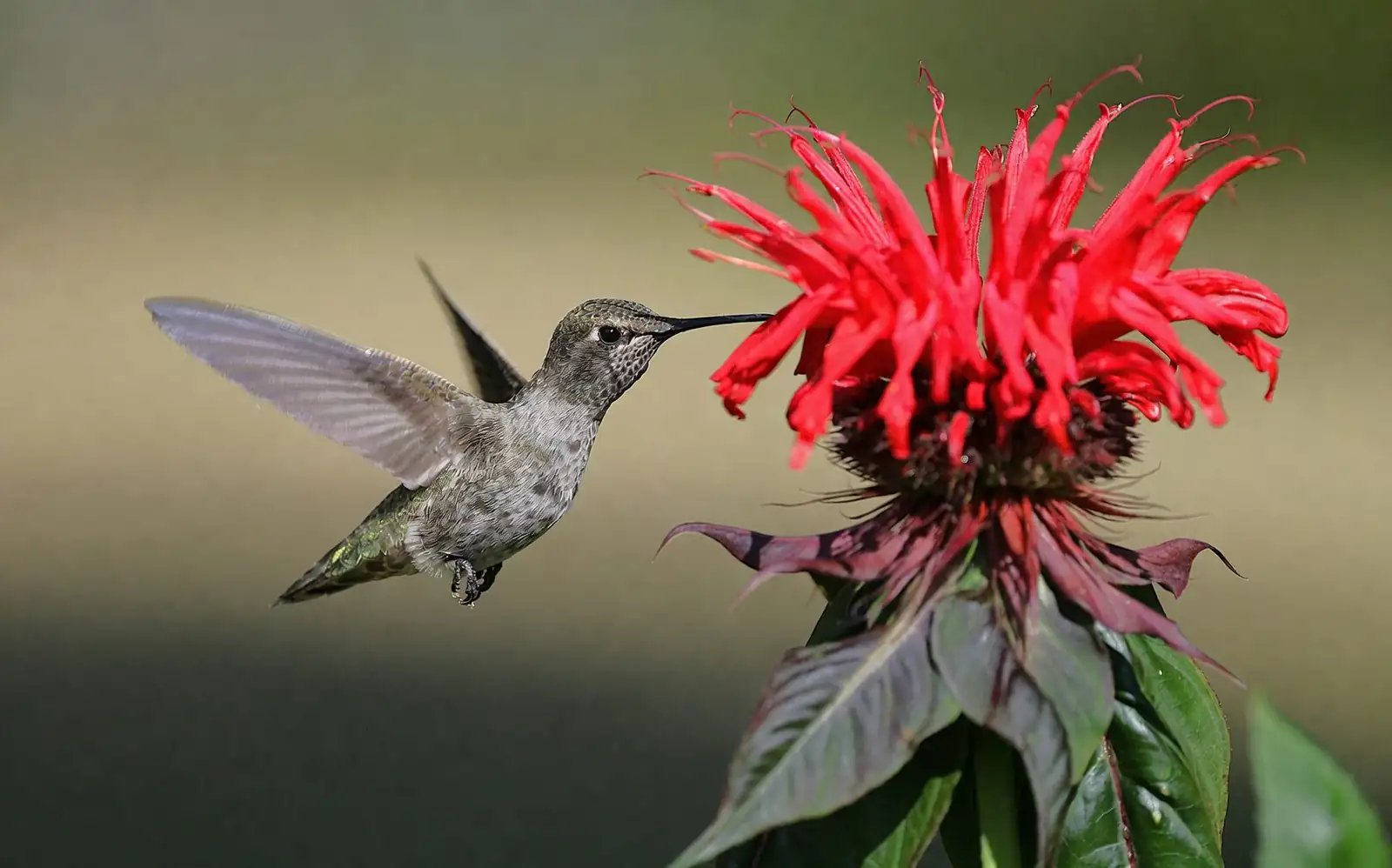
- Bee balm (Monarda): A pollinator party with shaggy blooms midsummer; loves moisture.
- Veronica/Speedwell (Veronica): Spikes that echo mint’s look; bees adore them.
- Calendula: Cheerful daisies that feed pollinators and bridge gaps between mint bloom waves.
- Chives: Early blooms for bees; let some clumps flower while others are cut for the kitchen.
- Sunny edge partners (slightly drier, plant just beyond the mint’s moist zone)
- Salvias: Violet and blue spikes keep bees busy.
- Lavender: Humming with bees; site on the drier rim of the bed.
- Coreopsis and Yarrow: Long bloomers that draw diverse beneficials.
- Echinacea, Zinnias, and Cosmos: Color and nectar across high summer.
- Basil, dill, cilantro/parsley: Let a few plants bolt—those umbels and spikes are nectar highways and host sites for beneficial insects.
- Balcony/stoop containers
- Cluster peppermint with a pot of salvia and a pot of zinnias. Different shapes, same message: “Buffet open.”
- Stagger bloom types and heights to create perches and landing pads for all sizes of pollinators.
How to keep flowers coming while you still harvest mint
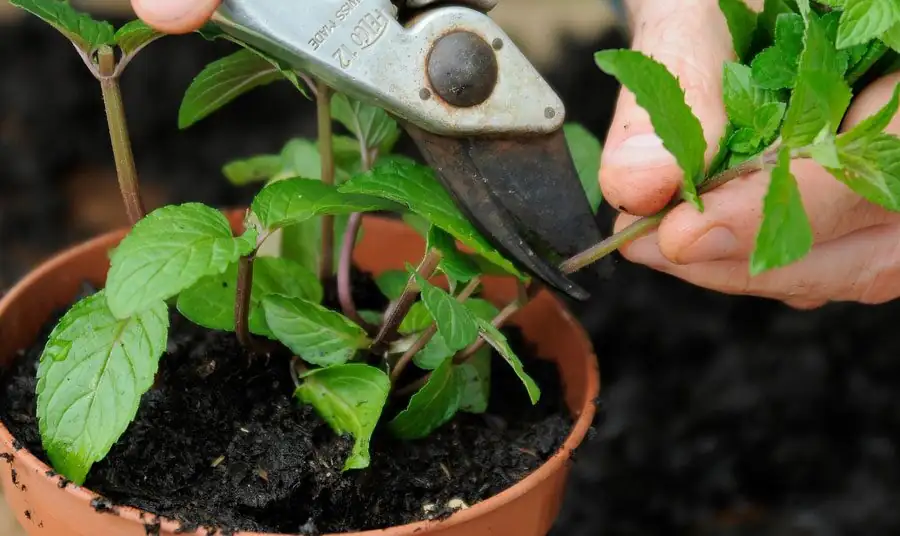
- Start early: When plants reach 15–20 cm, pinch tips to encourage branching and more future flower spikes.
- Staggered strategy: Let 1/3 of the plant flower at any time. Harvest from non-flowering stems and rotate weekly.
- Cutting height: For culinary harvests, cut stems back to about 10 cm above soil. Plants resprout quickly.
- After-bloom refresh: Shear spent spikes, feed lightly, water well; you’ll often see another round of stems for late-summer nectar.
- Flavor note: Leaves are most tender and pungent before stems flower, so keep some shoots in “leaf mode” while others serve the pollinators.
A simple summer calendar
- Spring
- Repot or divide. Replant only vigorous rhizomes into fresh, fertile mix.
- Install barriers or sink pots if planting in ground. Pinch tips at 15–20 cm.
- Early summer
- Begin staggered flowering: designate sections for bloom, sections for harvest.
- Feed every two weeks (weekly, diluted, in peak growth). Mulch and water steadily.
- Mid to late summer
- Deadhead some spent spikes to prompt fresh growth; keep a rotating portion flowering.
- Patrol for mildew/rust; thin a few stems for airflow; water mornings and keep soil evenly moist.
- Autumn
- Let growth wind down naturally; stop feeding as stems tire. Tidy and compost debris.
Placement ideas that tame the wanderer
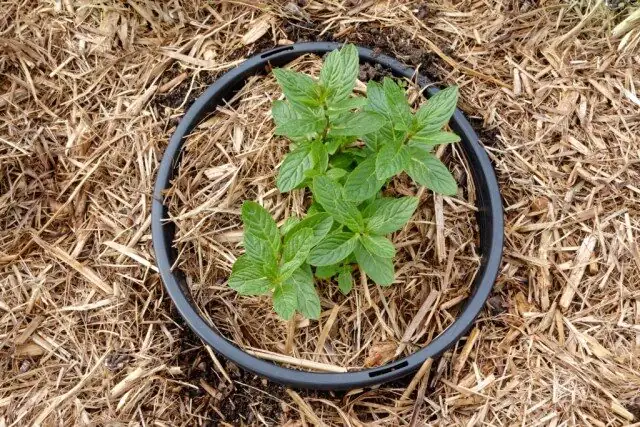
- Rim a pond or damp swale with peppermint in a buried pot so rhizomes can’t escape into wild areas.
- Line a path with container-grown mint for brush-by fragrance and easy nectar access.
- Use a dedicated “mint box” in a raised bed lined with a root barrier; companion with moisture-lovers just outside the barrier.
Health and safety quick notes
- Pests and diseases: Watch for powdery mildew, gray mold (cool, damp spells), rust, leaf spots, and early-season cutworms/armyworms. Boost airflow, remove affected leaves promptly, avoid late-day leaf wetting.
- Non-toxicity: Generally safe as a culinary herb when used normally. Avoid contact or ingestion of concentrated essential oil by children and pets; it can irritate skin and mucous membranes.
Symbolism: freshness with a purpose
Peppermint is often linked with freshness, clarity, and hospitality—associations that likely grew from its cooling scent and long-standing use in welcoming foods and drinks across Europe and Asia. Flower “language” isn’t a botanical science; it’s a cultural shorthand that changes with time and place. But if summer has a scent for generosity, peppermint wears it well—especially when you let those pink–purple spikes feed the neighborhood pollinators.
Harvest inspiration
- Fresh leaves for tea, desserts, sauces, and summer drinks.
- Dry bunches in shade for winter cups.
- For a simple, soothing treat: simmer fresh leaves, strain, and stir the infusion into rice porridge for a gentle, cooling dish.
With a steady hand on the watering can, a firm boundary for those rhizomes, and a pledge to keep sprays out of the picture, peppermint will turn your summer into a nectar-rich season that tastes as good as it looks.