

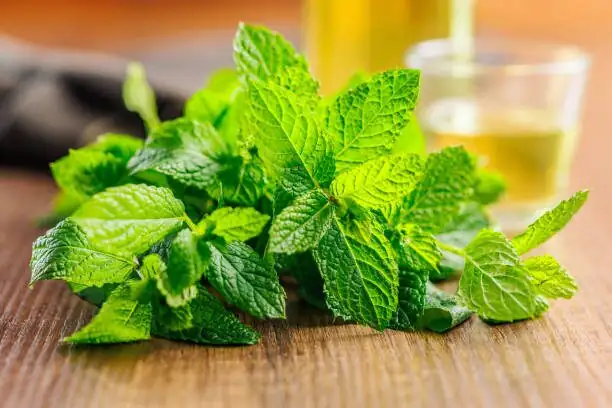
Peppermint has a way of stepping into a kitchen and cooling everything it touches—like opening a window on a hot day. This lively hybrid mint (Mentha × piperita) is the one you reach for when you want unmistakable chill in sauces and desserts, bright liqueur-ready syrups, and even a soothing, mint-infused porridge. Grow it once, harvest often, and you’ll find a dozen ways to let its green spark sing.
Meet Peppermint (Mentha × piperita), Your Cool-Headed Kitchen Ally
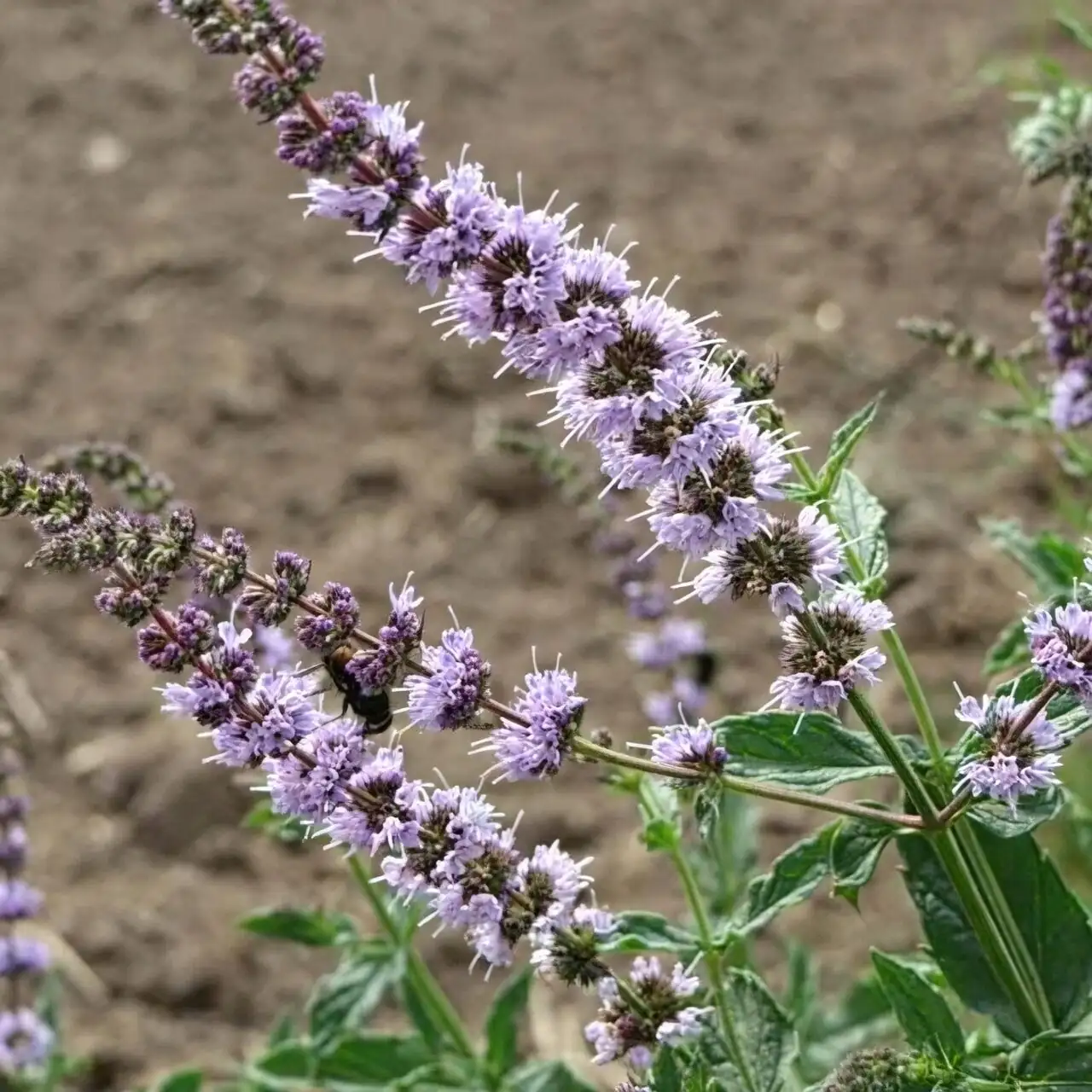
Peppermint is a classic aromatic perennial in the mint family (Lamiaceae). It’s:
- Fast-growing, container-friendly, and fabulously fragrant
- Clump-forming above ground but a vigorous spreader below, thanks to underground rhizomes—best kept in pots or with root barriers
- Summer-flowering (pale purple to pink) and loved by bees and butterflies
- Typically 30–90 cm tall in the garden, often kept 15–30 cm in pots with regular cutting
- At its most flavorful in bright light and consistently moist, fertile soil
Native to Europe and Asia, it’s now cultivated far and wide in temperate regions. For cooks, the leaves and tender stems are the prize.
Harvest Timing for Peak Flavor
Think of peppermint like a perfume bottle: the aroma is all about timing and handling.
- Pick time of day: Harvest in the morning after the dew dries, before midday heat drives off volatile oils.
- Pick stage: Snip before flower buds open for the boldest flavor; once in bloom, the taste can soften slightly.
- How to cut: For a good flush of regrowth, cut stems back and leave about 10 cm (4 in) above the soil. Peppermint rebounds fast—regular “cut-and-come-again” harvesting keeps plants bushy and leaves tender.
- Seasonal rhythm: Once well established, you can usually take 3–4 generous cuts per season.
- Light matters: Leaves grown in bright light tend to be more aromatic; keep the soil evenly moist and fertile for steady, lush growth.
Drying a big batch? Harvest just before flowering for the most potent dried leaves.
Cool It Down: Savory Sauces That Shine
Peppermint doesn’t have to stay in the dessert lane. It’s dazzling in fresh, green sauces that finish a dish with lift and clarity.

Quick Mint Yogurt Sauce (cooling, creamy, versatile)
- 1 cup thick yogurt
- 1 small garlic clove, grated
- 1 small handful finely chopped peppermint leaves
- Squeeze of lemon, pinch of salt, crack of pepper
- Optional: grated cucumber, toasted cumin
Stir and chill 15 minutes. Drizzle over grilled eggplant, chickpeas, lamb, or roasted carrots.
Bright Herb Salsa Verde with Peppermint
- Handfuls of parsley + peppermint (about 3:1), capers, lemon zest/juice, olive oil, pinch of chili
Pulse until spoonable. Spoon over fish, halloumi, or new potatoes.
Minted Chimichurri, Extra-Fresh
- Parsley and peppermint (half-and-half), shallot, garlic, red wine vinegar, olive oil
Chop by hand for texture, finish with a pinch of flaky salt. Superb with grilled mushrooms or steak.
Pro tip: For sauces, chop at the last minute; peppermint bruises when overworked. A sharp knife beats a blender for the brightest color and aroma.
Desserts That Breathe: Peppermint in Sweets
Peppermint telegraphs “fresh” in any sweet—especially with creamy textures and dark chocolate.
Three-Ingredient Mint Sugar
- Pulse 1 cup sugar with a loose cup of dry peppermint leaves; spread thin to air-dry 1 hour. Sift. Use for shortbread, fruit, or to rim cocoa mugs.
Chocolate Pots with Mint Whisper
Steep a handful of peppermint leaves in warm cream (10 minutes), strain, and proceed with your favorite chocolate pot de crème or ganache. The result: cooling finish without heaviness.
Frosted Melon or Berry Salad with Lime-Mint Syrup
- Simmer 1/2 cup sugar + 1/2 cup water; cool to warm; add a packed handful peppermint, steep 20 minutes; strain and brighten with lime. Toss with chilled fruit just before serving.
Mint Granita (low-effort, high-refresh)
- Make a strong peppermint infusion, sweeten slightly, add lemon, freeze, and rake with a fork. A palate cleanser that feels like alpine air.
Liqueur-Ready Peppermint Syrups, Cocktails, and Mocktails
Holiday menus and after-dinner carts love a good mint syrup. Make it fresh-leaf forward for nuance, or opt for extract when speed matters.
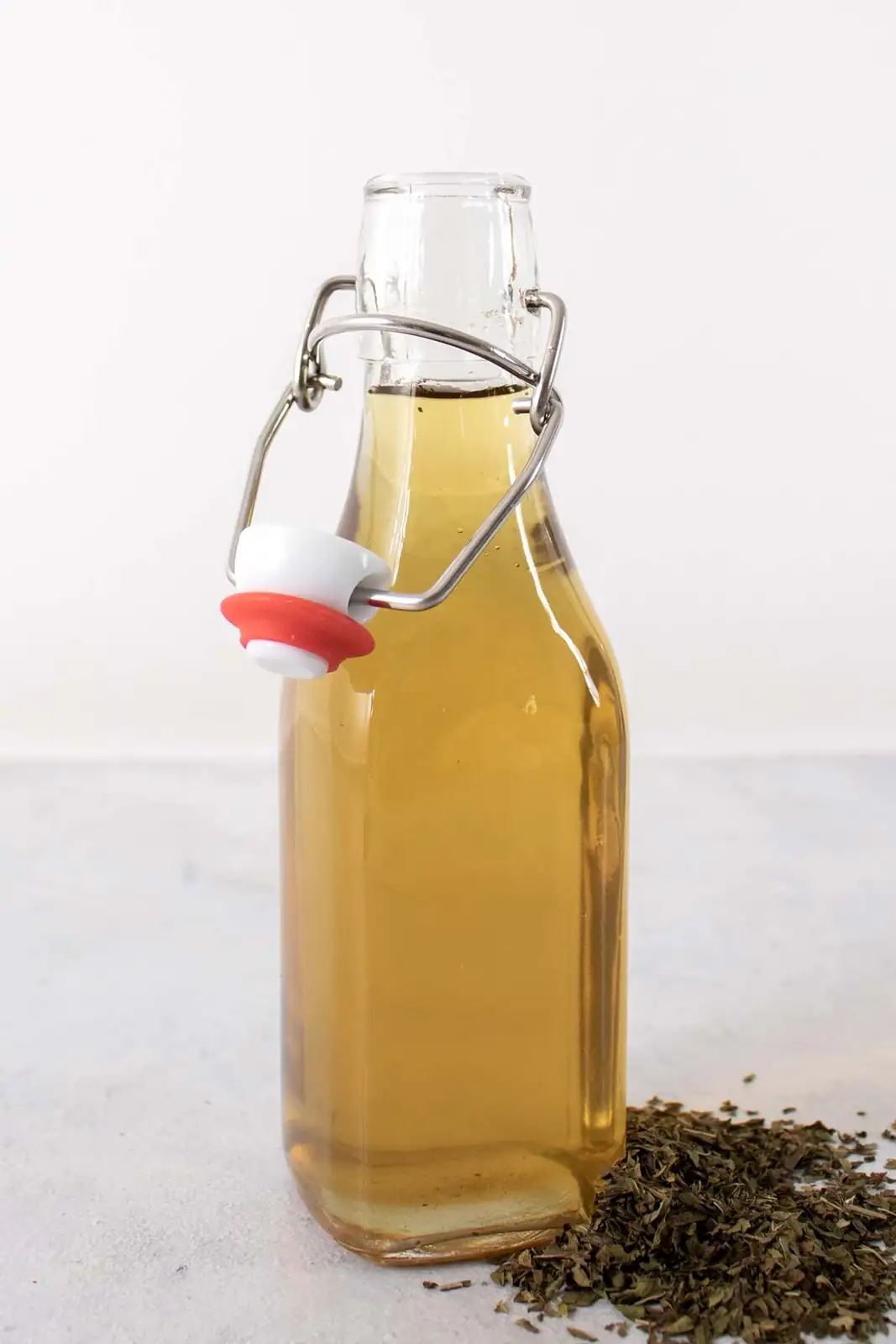
Fresh-Leaf Peppermint Simple Syrup
- 1 cup sugar
- 1 cup water
- 1–2 packed cups fresh peppermint leaves
Method:
1) Bring sugar and water to a gentle simmer; stir to dissolve.
2) Remove from heat, add leaves, press gently, cover, and steep 20–30 minutes.
3) Strain, cool, bottle, and refrigerate up to 2 weeks. Freeze in ice-cube trays for longer storage.
Use it to:
- Lift hot cocoa, lattes, and iced coffees
- Glaze chocolate cakes or swirl into brownies
- Shake into cocktails and mocktails (mojitos, highballs, milkshakes)
- Sweeten club soda with a squeeze of lime for a quick spritz
Quick variant: No fresh leaves? Simmer a 1:1 syrup, cool slightly, then stir in peppermint extract drop by drop to taste. Extract is potent—start small. For a festive twist, dissolve crushed peppermint candies into simple syrup for a candy-cane riff.
The Soothing Mint-Infusion Porridge (Gentle, Cooling, Comforting)
A home-style favorite when you want something both soft and refreshing.
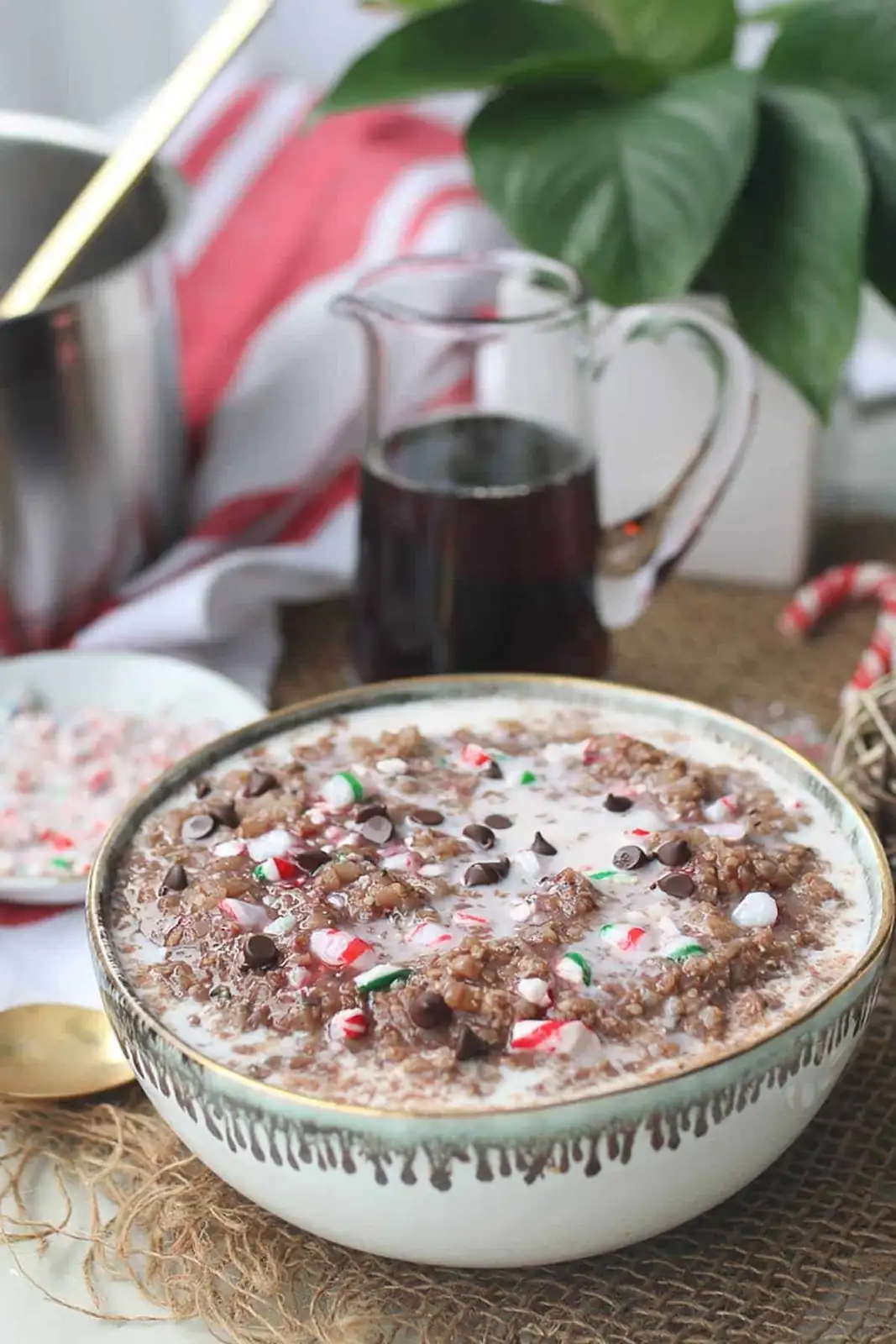
- Make a light mint infusion: Simmer a generous handful of fresh peppermint leaves in water for 5–8 minutes; strain.
- Cook plain rice porridge (congee) to your preferred softness.
- Stir in warm peppermint infusion to taste just before serving; season lightly with a pinch of salt or a touch of honey, depending on the moment.
Result: a gentle, throat-soothing bowl with a clean, cool finish—ideal on warm days or when you want comfort that doesn’t feel heavy.
Drying, Freezing, and Keeping the Green
- Air-dry: Harvest pre-bloom, tie small bundles, hang in shade with airflow; strip and jar when crisp.
- Low-temp oven or dehydrator: Dry at 35–40°C (95–105°F) to keep color.
- Freeze: Chop and freeze in olive oil or water in ice-cube trays; or lay leaves flat to freeze, then bag.
- Syrups: Refrigerate up to 2 weeks; freeze syrup cubes for cocktails and fast desserts.
Grower’s Cheat Sheet for Better Flavor
- Light: Full sun to partial shade; bright light usually means bolder flavor. A sunny balcony or bright windowsill is perfect for pots.
- Soil: Rich, well-drained yet moisture-retentive; mix compost or a base fertilizer at planting.
- Water: Keep evenly moist during active growth; don’t let pots dry out for long. In winter, keep only slightly moist if still growing.
- Temperature: Best at 20–30°C (68–86°F). Top growth may be nipped by frost, but rhizomes often survive down to about −15°C (5°F).
- Habit and containment: It spreads vigorously by rhizomes—use containers or root barriers to avoid a runaway mint carpet.
- Pruning: Begin pinching at 15–20 cm (6–8 in) tall to encourage branching. For harvest, cut back to ~10 cm (4 in); it resprouts fast.
- Propagation: Tip cuttings root in about 2 weeks; rhizome division in spring or early November is reliable.
- Pests/disease: Watch for powdery mildew, gray mold, rust, and leaf spots—improve airflow and avoid wetting leaves late in the day.
Safety note: As a culinary herb, peppermint is generally non-toxic when used normally. Concentrated essential oil, however, can irritate skin and mucous membranes—keep essential oils away from children and pets.
Kitchen-First Planting Tips
- For compact, kitchen-ready plants, tuck 3 young starts into a 12–15 cm (4.7–5.9 in) pot and begin pinching at 15–20 cm tall.
- Regular feeding during active growth (every 2 weeks; weekly in summer with a diluted, well-rotted liquid feed) keeps leaves lush and flavorful.
- Repot in early spring: refresh soil, keep the thick, pale, vigorous rhizomes, and discard tired ones.
Symbolism and the “Flower Language” of Peppermint
Across European and Asian traditions, mint has long signaled freshness, clarity, and hospitality—the welcome of a cool drink on arrival, a sprig on a platter, the clean scent of a home. The modern “flower language” attached to peppermint borrows these lived associations more than any ancient decree: its brisk aroma suggests clear thinking; its offer at the table reads as care. If there’s a deeper meaning, it’s this simple grace—cooling what’s heated, brightening what’s dull, and making guests feel at ease.
—
Whether you’re blitzing a green sauce, cooling chocolate, or stirring a liqueur-ready syrup, Mentha × piperita brings effortless lift. Harvest smart, use it fresh, and keep a jar of syrup in the fridge—you’ll find yourself reaching for peppermint every time a dish needs a breath of fresh air.