

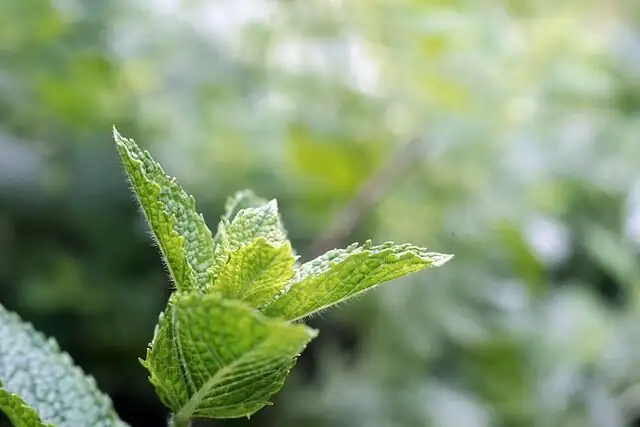
If ever a plant proved that chance favors the prepared garden, it’s peppermint. Somewhere along a damp European ditch, spearmint brushed shoulders with watermint and a spark flew. The offspring—Mentha × piperita—was everything a mint could be and more: square-stemmed, rhizome-driven, and charged with menthol’s cool sting. By the late 1600s it was slipping into English herb beds; by the 1700s it had a foothold in pharmacopoeias, teacups, and confectioners’ kettles. From there, this hybrid vaulted continents, charming cooks, apothecaries, and pollinators alike.
The accidental mint that conquered Europe
- Parentage: Spearmint (Mentha spicata) met watermint (Mentha aquatica), and nature did the rest. The result was a vigorous hybrid with the best of both lineages: brightness from spearmint, depth from watermint.
- 17th–18th century rise: Peppermint took off in late 17th-century England, winning an official nod in the early 18th century as a household remedy and flavoring. Its cooling bite felt modern before “modern” had a name—perfect for teas, cordials, sweets, and soothing tonics.
- A taxonomic milestone: By 1753, Carl Linnaeus had formally described Mentha × piperita, cementing this upstart’s place in botanical history.
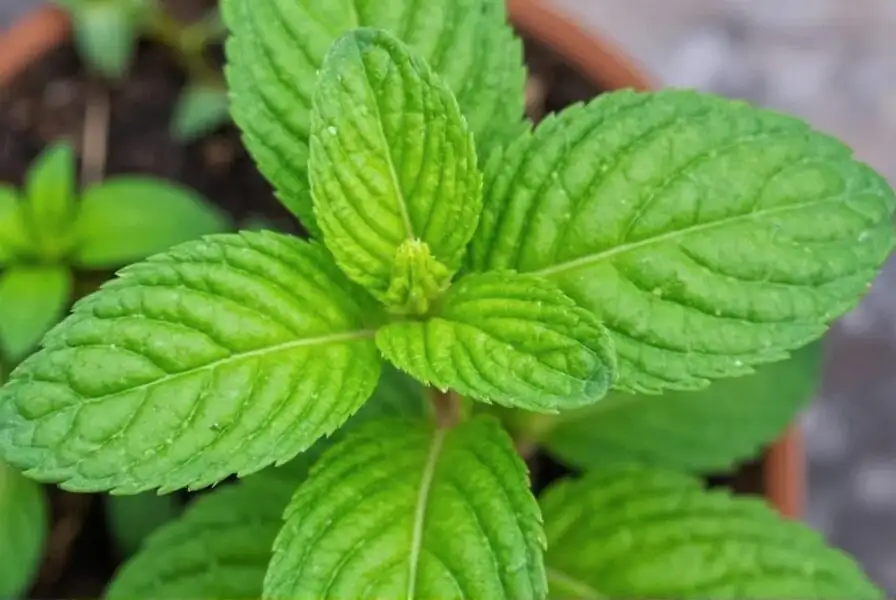
Anatomy of peppermint: how to recognize a legend
Peppermint is an herbaceous perennial in the mint family (Lamiaceae), and it announces that heritage in unmistakable ways.
The look and feel
- Stems: Square in cross-section—a signature mint-family trait you can feel with your fingers.
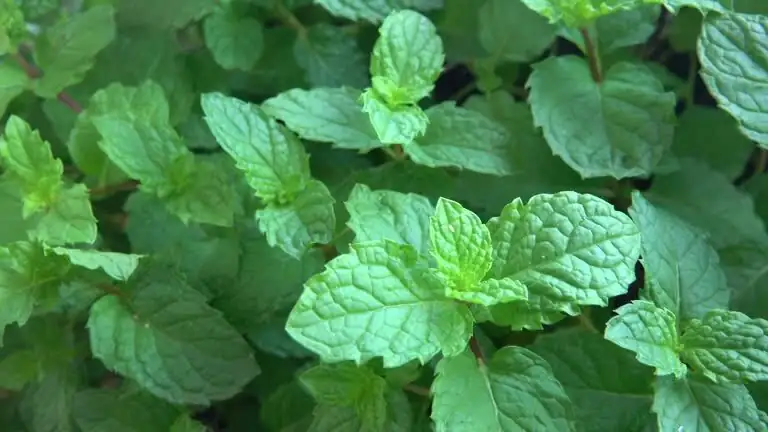
- Leaves: Bright green and strongly aromatic; these are your primary harvest for the kitchen and home herbal use.
- Habit: Clump-forming above ground but powered by vigorous, spreading rhizomes below. Given freedom, it knits into a dense, carpet-like mat; given a pot, it behaves beautifully.
- Size: Typically 30–90 cm tall (12–35 in). In containers, gardeners often keep it at a trim 15–30 cm (6–12 in) with regular pinching and harvests.
- Flowers: Small, nectar-rich, and held in short spikes, usually pale purple to pink. It blooms in summer and is notably attractive to bees and butterflies.
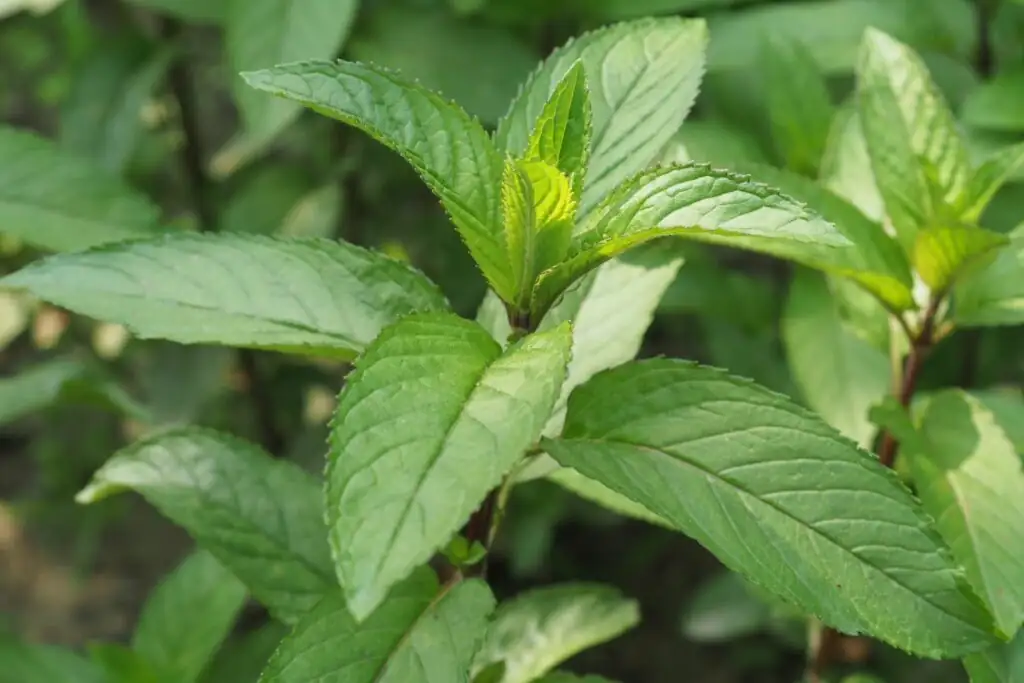
The chemistry of cool: how menthol made history
Menthol is peppermint’s calling card: a compound that switches on our cold-sensing receptors and makes the mouth feel like a stream fed by snowmelt. That sensation—clean, precise, and refreshing—changed everything. It:
- Elevated simple herbal teas into bracing tonics.
- Became the backbone of classic sweets and liqueurs.
- Turned peppermint oil into a global flavoring standard, prized for consistent, instantly recognizable “coolness.”
Other key constituents, such as menthone and menthyl acetate, round out the fragrance profile, adding backbone and lift. Together they made peppermint the mint that set the bar.
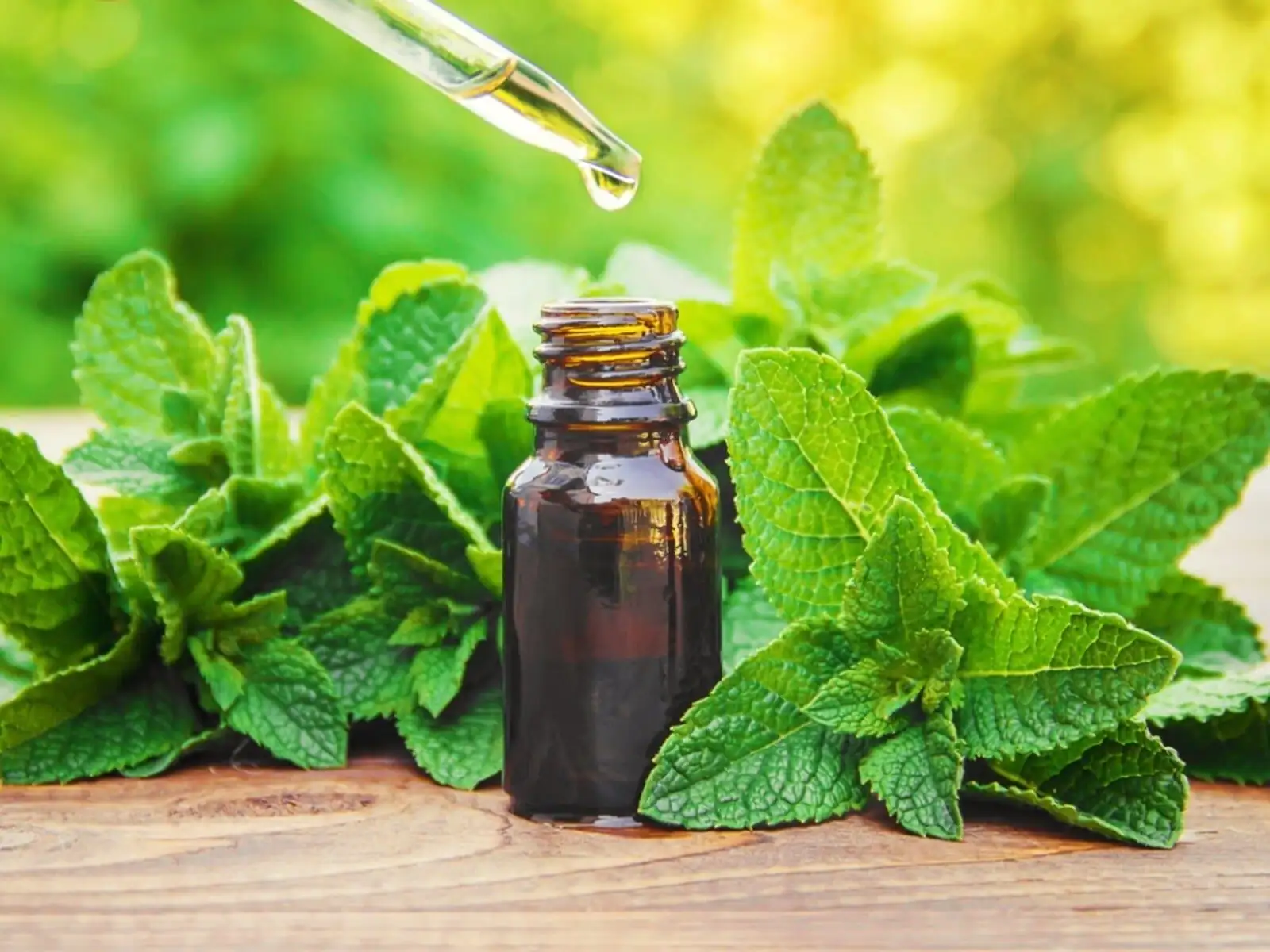
From Old World hybrid to global citizen
- Origin and spread: Native to Europe and Asia, peppermint is now widely cultivated and naturalized across temperate regions worldwide.
- Climate savvy: Above-ground growth wilts in hard freezes, but the underground rhizomes are tougher than they look, typically surviving down to about −15°C (5°F). Think of it as a perennial engine with a deciduous top.
- Hardiness: Often well-suited to USDA Zones 5–9, depending on cultivar and local conditions.
- A note on containment: Those rhizomes mean business. Most gardeners grow peppermint in containers or use root barriers in beds to keep it from staging a pleasant but unstoppable takeover.
Grow it like a pro
Peppermint rewards even casual care with lush, fragrant growth. Frequent harvesting actually improves the plant’s density and leaf quality.
Light and placement
- Sunlight: Full sun to partial shade. Brighter light tends to produce the best flavor.
- Where to site it: A sunny balcony, patio, or bright windowsill is ideal. Outdoors, it’s happy near moisture—pond edges, drainage lines, or any reliably damp spot—provided you contain the roots.
Temperature and humidity
- Best growth: 20–30°C (68–86°F).
- Cold: Top growth may be damaged below 0°C (32°F), but rhizomes can overwinter in the soil to about −15°C (5°F).
- Indoors in winter: Aim for a cool 10–12°C (50–54°F).
- Humidity: Keep conditions evenly moist. In hot, dry air, a light mist can reduce leaf stress.
Soil and potting
- Soil: Rich, fertile, and well-drained yet moisture-retentive. A loam-based potting mix with compost or leaf mold, plus a bit of sand or perlite, works well.
- Potting tip: For a starter container, a 12–15 cm (4.7–5.9 in) pot can hold about three young plants. Begin pinching when plants reach 15–20 cm (6–8 in) to encourage bushiness.
Watering and feeding
- Watering: Keep the mix evenly moist during active growth. Water when the surface just begins to dry. Avoid letting the pot go bone-dry for long.
- Winter: If the plant slows or dies back, reduce watering—keep only slightly moist. Overly wet soil can lead to rot.
- Feeding: Incorporate compost or a base fertilizer at planting. During active growth, feed every two weeks; in high summer, a weak, well-rotted liquid feed once a week keeps the engine humming. Stop feeding as stems and leaves naturally wither.
Pruning and harvest
- Pinch early: At 15–20 cm tall, pinch tips to encourage branching.
- Harvest smart: Cut stems back, leaving about 10 cm (4 in) above the soil. Peppermint resprouts vigorously and can be cut 3–4 times in a season once established.
- Flavor tip: Morning harvests on sunny days often capture peak aroma.
Propagation
- Cuttings (May–July): Take ~10 cm (4 in) tip cuttings, remove lower leaves, soak in water 1–2 hours, then insert into moist sand or vermiculite. Roots usually form in about two weeks.
- Division (April–May or early November): Lift and divide rhizomes; replant the thick, pale, sturdy sections for best success.
- Seed: Surface-sow indoors (the tiny seeds need light) and keep evenly moist—bottom-watering helps. Start in partial shade and move to brighter light after germination.
Repotting and containment
- Repot in March: Lift the plant, shake off old soil, discard tired or weak rhizomes, and replant vigorous ones into fresh, fertile mix. If crowded, divide into two or three pots. Keep in partial shade to recover and give a light feed about a week later.
Your peppermint year, at a glance
- Spring–autumn: Grow outdoors in sun/bright light; keep evenly moist.
- March: Repot/divide.
- Growing season: Feed every two weeks; in summer, consider weekly light feeds.
- May–July: Take tip cuttings (rooting in ~2 weeks).
- April–May or early November: Divide rhizomes.
- As stems wither: Stop feeding.
- Winter: Water sparingly; keep slightly moist only if still growing.
Harvest, kitchen, and home uses
Peppermint is wonderfully versatile:
- Fresh: Tear into salads; muddle into summer drinks; layer with fruit; finish sauces and savory dishes.
- Dried: Stock a jar for teas and baking.
- Oil and infusions: Peppermint oil flavors sweets and liqueurs; a simple home-style infusion made by simmering fresh leaves, straining, and stirring into rice porridge yields a gentle, cooling, throat-soothing dish.
- Pro tip for drying: Harvest just before or at early bloom for concentrated aroma; dry in a warm, airy, shaded place to lock in scent.
Pests, diseases, and a quick word on safety
- Watch for: Powdery mildew and gray mold (especially in cool, damp spells), rust, leaf spots/blights, and—come spring and summer—chewing caterpillars like cutworms or armyworms.
- Prevention: Improve airflow, avoid wetting foliage late in the day, remove affected leaves promptly, and lean on locally approved controls only as needed (always follow the label).
- Safety: Generally non-toxic as a culinary herb when used normally. Peppermint essential oil is potent; it can irritate skin and mucous membranes if misused. Keep concentrated oils away from children and pets.
Symbolism and the “flower language” of peppermint
Across European and Asian traditions, mint’s clean scent has long signaled freshness, clarity, and hospitality—think of a sprig set out to welcome guests, or a cooling tea offered after a meal. Modern “flower language” (花语) often stretches or romanticizes such associations, but peppermint’s meanings hold up: its brisk aroma clears mental cobwebs; its generous spreading habit mirrors an open-handed welcome. If you gift peppermint, you’re sending a message that’s both practical and poetic: be refreshed, be at ease, come back soon.
Fast facts to savor
- Tip cuttings often root in about two weeks—peppermint is famously easy to propagate.
- Even if frost topples the leafy canopy, underground rhizomes can shrug off cold to about −15°C (5°F).
- Left unchecked, it can weave a dense, carpet-like mat—great for coverage, best contained.
- Summer flowers are a reliable magnet for bees and butterflies.
- Regular “cut-and-come-again” harvesting keeps plants compact, with endlessly tender, flavorful leaves.
Quick answers to common questions
- Can I use peppermint as a groundcover? Yes—especially in reliably moist areas such as near ponds or low spots. Use containers or root barriers to prevent it from overrunning neighboring plants.
- What should I do with my harvest? Use leaves and tender stems fresh for cooking, drinks, and teas, or dry them for later. For a gentle home-style treat, simmer fresh leaves for a mint infusion and stir the strained liquid into rice porridge—it’s cooling, simple, and delicious.
From a serendipitous cross to a global favorite, Mentha × piperita earned its fame with square stems, unstoppable rhizomes, and the crystalline cool of menthol. Grow it once, and you’ll understand why history—and your kitchen—keeps coming back for another sprig.