

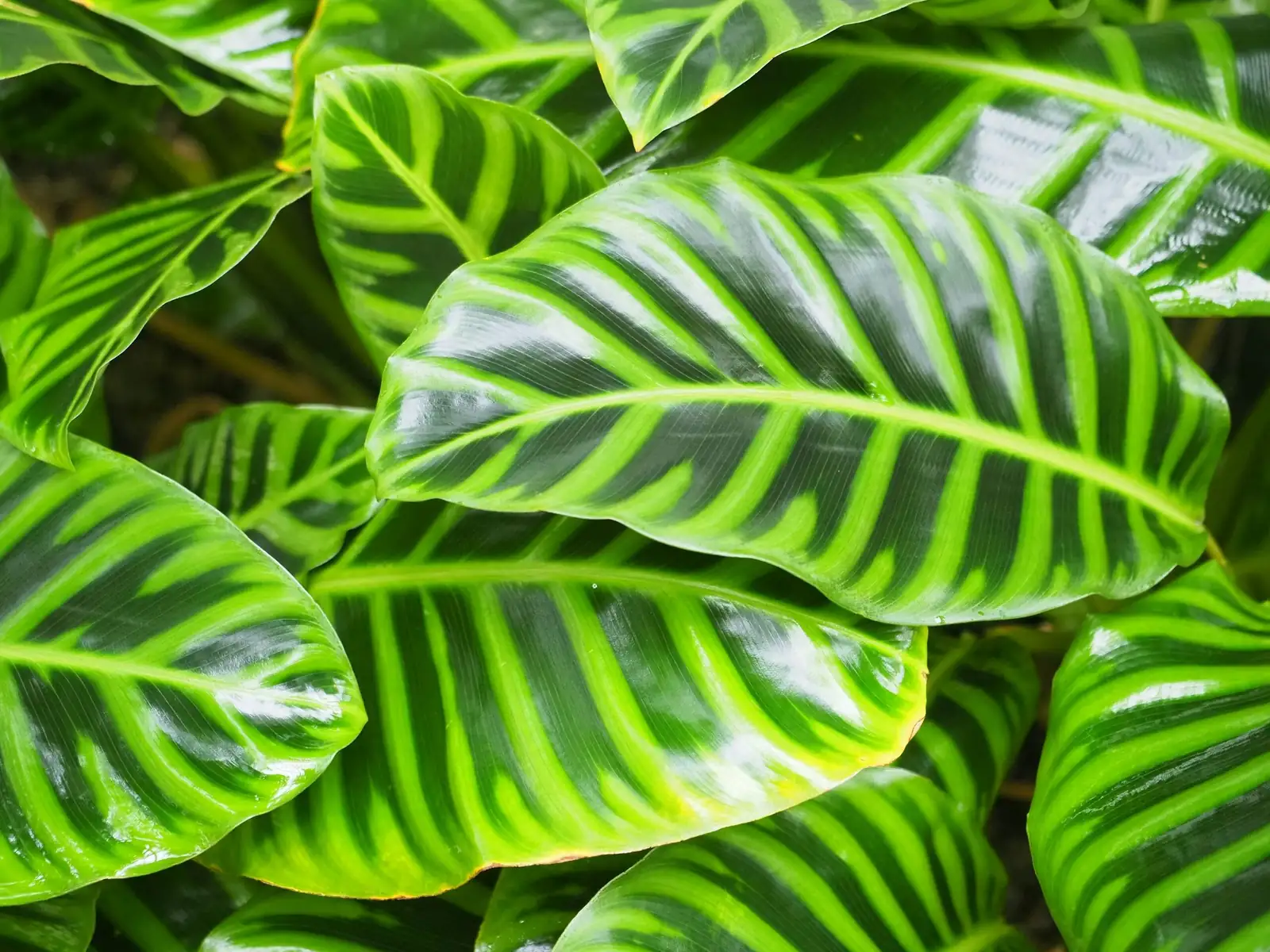
If your Rose-painted Calathea (Goeppertia roseopicta) has gone from lush to limp, you’re not alone—this beauty loves “evenly moist,” not “marinated.” The good news: with a quick reset and a gentler feeding-and-watering rhythm, it bounces back fast.
Here’s your fast, fuss-free troubleshooting guide for soggy soil, overwatering, and overfeeding—plus how to sync care with your plant’s growth pace.
Quick tell: overwatered, soggy, or overfed?
- Overwatered/soggy mix
- Potting mix feels wet for days; pot is heavy
- Yellowing leaves that droop; edges may brown later
- Musty or sour smell from soil
- Fungus gnats often appear when soil stays wet
- Overfed/fertilizer stress
- White crust on soil or pot rim
- Sudden leaf edge browning or tip burn despite moist soil
- Stalled, pale, or oddly floppy new growth right after feeding
If you check one or more boxes from the first list, treat as a “soggy mix” emergency. If the second list fits, skip to Overfeeding fixes.
The 10-minute soggy-mix reset (no repot—yet)

Do this when the mix is simply too wet, but there’s no foul smell or severe wilt.
1) Un-pot from the cachepot and drain
- Remove any decorative cover pot and empty the saucer.
- Tip the nursery pot 45° over a sink and let free water stream out of the drainage holes.
2) Wick out extra moisture
- Thread a strip of cotton cloth or paper towel up into one drainage hole so it touches the potting mix; let the tail rest on a thick towel. Capillary action will pull moisture out over 30–90 minutes.
3) Vent and warm
- Park the plant in bright, indirect light with good airflow at 18–24°C (64–75°F). Avoid drafts.
- Do not mist heavily; keep humidity around 60%–70% with a humidifier or pebble tray.
4) Hands off the watering can
- Wait until the top 2–3 cm (0.8–1.2 in) of mix feels dry before watering again.
If the soil smells sour, the stems at the base feel mushy, or yellowing is rapid and widespread, move to the rescue below.
When roots are in trouble: rescue and repot
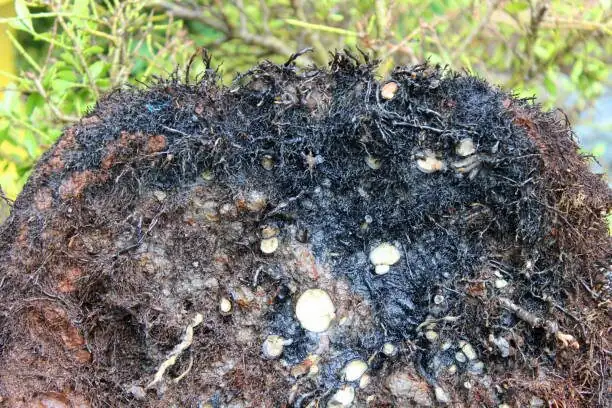
Root rot progresses fast in waterlogged, stale mix. Act promptly.
1) Inspect
- Slide the root ball out. Healthy roots are firm, whitish to light tan. Rot is brown/black, mushy, with a sulfurous smell.
2) Trim and clean
- Sterilize scissors. Prune away all mushy roots and any collapsed basal stems.
- Rinse the remaining healthy roots gently to remove clinging soggy mix.
3) Refresh the mix
- Use a loose, moisture-retentive but free-draining blend: peat or coco base amended with perlite and/or coarse sand. Aim for a mix that holds even moisture without staying soggy.
4) Right-size the pot
- Choose a pot just 2–3 cm wider than the root mass, with drainage holes. Oversized pots trap excess moisture.
5) Replant and reset moisture
- Pot up, then water once to settle and drain thoroughly. Park in bright, indirect light, warm temps, and steady humidity.
- Hold fertilizer for 3–4 weeks while new roots form.
Optional: If rot was advanced, some growers apply a light fungicide to pruned roots before repotting; many recover well with just sanitation, fresh mix, and better airflow.
Overfeeding fixes: dilute, flush, and ease off
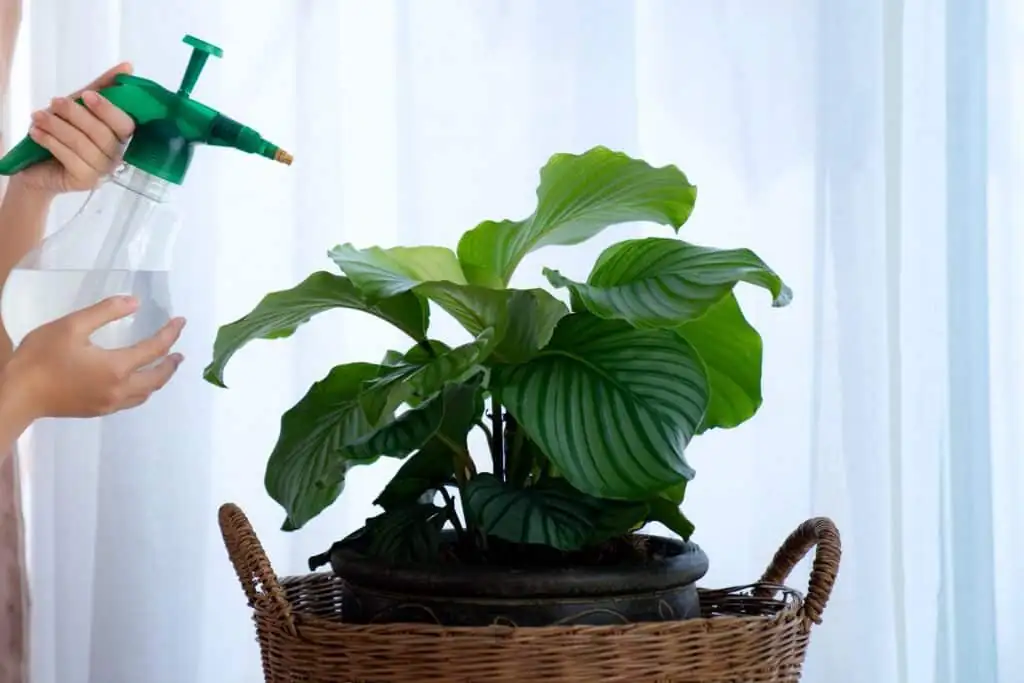
Calathea roots love gentle feeding, not cocktails.
1) Flush out salts
- Take the pot to the sink. Slowly run room‑temperature, low-mineral water through the mix—about 3–4 times the pot’s volume—letting it drain fully. This leaches excess fertilizer.
2) Pause feeding
- Skip fertilizer for 3–4 weeks. Resume only when you see healthy new growth.
3) Dilute and time it
- Growing season (roughly May–September): feed about every 2 weeks at a gentle dilution (think 1/4–1/2 strength of a balanced houseplant fertilizer).
- Cool, low-light months: pause or sharply reduce feeding, especially if growth slows.
4) Keep it off the leaves
- Fertilizer on leaves can spot and scorch. Water the soil only.
Pro tip: If your tap water is hard or treated, consider rain/filtered water to reduce salt buildup and tip burn.
Sync watering with growth pace (not the calendar)
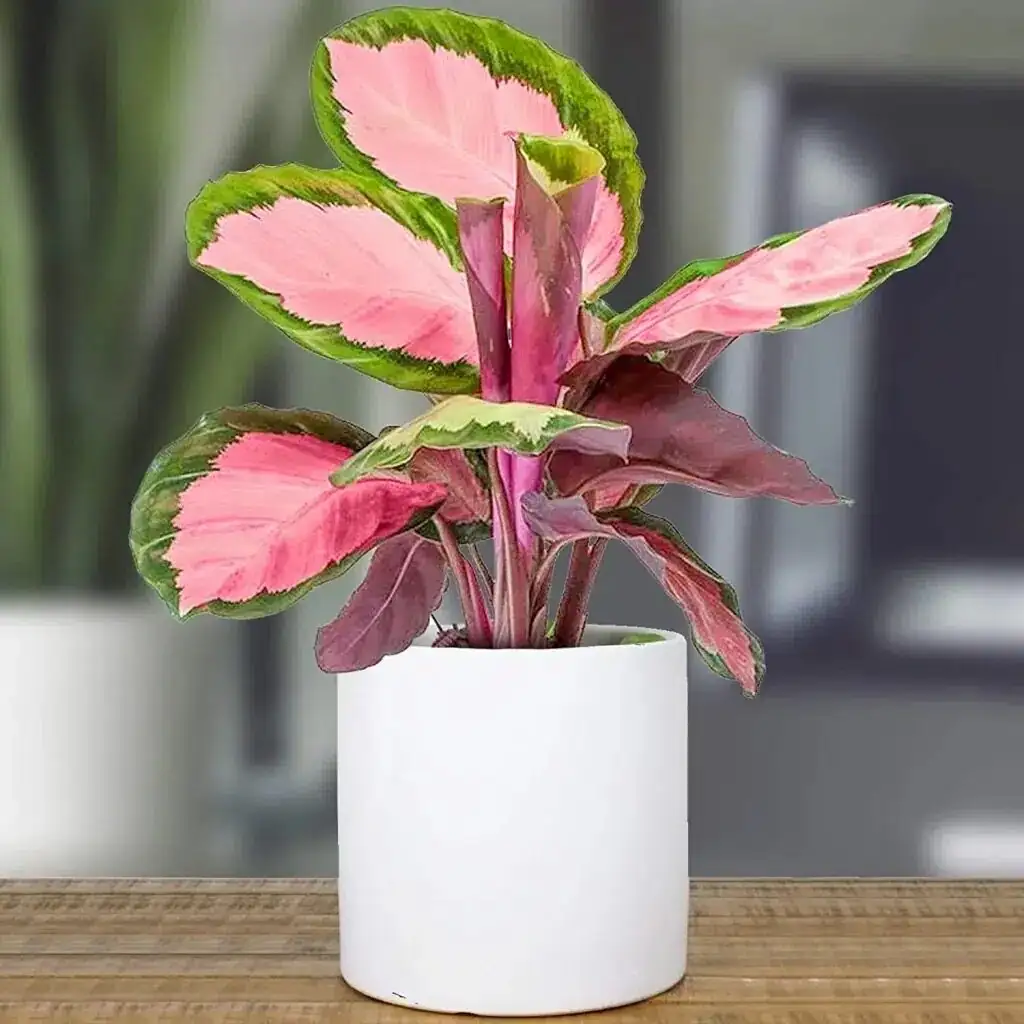
This plant’s thirst rises with warmth, light, and airflow—and drops in cooler, dimmer months. Let growth set the tempo.
- Spring–summer (peak growth)
- Light: bright, indirect; about 50%–70% shade near sunny windows (a sheer curtain works). East windows are excellent; filtered south is fine.
- Watering rhythm: check every few days. Water thoroughly when the top 2–3 cm are dry, then drain completely. Expect more frequent waterings in warm rooms.
- Feeding: gentle, every ~2 weeks.
- Autumn–winter (slower pace)
- Keep above 8°C (46°F) and ideally 18–24°C (64–75°F). Avoid below 5°C (41°F).
- Water less often. The top layer will take longer to dry; never keep the mix constantly wet.
- Pause or greatly reduce feeding.
- Always
- Humidity: target 60%–70%. Low humidity plus strong light quickly crisps edges.
- Airflow: steady, not drafty; keep away from heaters/AC vents.
- Morning waterings are best so any splash on foliage dries promptly—don’t leave leaves wet overnight.
Prevent the next soggy spell
- Mix matters
- Build in air: peat/coco + perlite/coarse sand for drainage.
- Refresh tired, compacted mix at least annually in spring.
- Potting smarts
- Drainage holes are non-negotiable.
- Size up gradually; a pot that’s too large stays wet too long.
- Watering technique
- Water deeply until a little drains out; then empty the saucer. Avoid frequent sips that keep the surface damp and roots starved of oxygen.
- Use the finger test and pot weight rather than a fixed schedule.
- Light drives thirst
- Brighter (indirect) light = faster drying and faster growth. Harsh direct midday sun, however, scorches leaves.
Fast reference: 48-hour reset and 4-week rehab
- First 48 hours
- Wick out excess water, vent and warm the plant, hold watering.
- If rot signs are present, prune, repot in fresh mix, and skip fertilizer.
- Next 4 weeks
- Maintain bright, indirect light and 60%–70% humidity.
- Water only when the top 2–3 cm are dry; drain well.
- Resume gentle feeding once you see perky, healthy new leaves.
Why this works for Goeppertia roseopicta
In its native northwestern Brazil, this clumping, warm-loving plant thrives in humid forest light with evenly moist, airy soils. Indoors, it rewards the same balance: bright, indirect light; high humidity; warmth; and a mix that holds moisture without smothering roots. Keep those elements in sync, and your Rose-painted Calathea returns the favor with bold, “painted” leaves and steady new growth.
Bonus peace of mind: it’s generally considered non-toxic to cats and dogs—though any nibbling can still upset small stomachs.
If your plant is already pushing new leaves again, you’ve nailed the reset—now keep that rhythm, and enjoy the showy purple undersides shining at eye level.