


Think of Begonia masoniana as a little botanical magic trick: change the lighting, and the “Iron Cross” on each leaf snaps into focus—or smudges like a thumbprint. Indoors it’s a compact, velvet-leaved showpiece; outdoors in warm shade it can switch to carpet mode, quietly knitting a lush, low tapestry under trees. Here’s the fun, bite-sized science and the exact care that keeps its famous pattern razor-sharp.
How light sculpts the Iron Cross
Filtered light = a crisper, darker cross
- The dark “cross” is packed with anthocyanins—protective pigments that act like built‑in sunglasses.
- In bright, indirect light (about 50–70% shade, think 30–50% of full sun), the plant balances chlorophyll for growth with those dark pigments along veins. Result: high contrast, crisp edges, and rich green surrounding tissue.
- Sheer-curtain light or gentle, dappled shade works like a softbox in a photo studio—enough brightness to color up the leaf without washing it out.
Bite‑sized science:
- Anthocyanins absorb blue/green light and scatter near‑IR, cooling and protecting leaf cells.
- Even light distribution = even pigment production = tidy pattern boundaries.

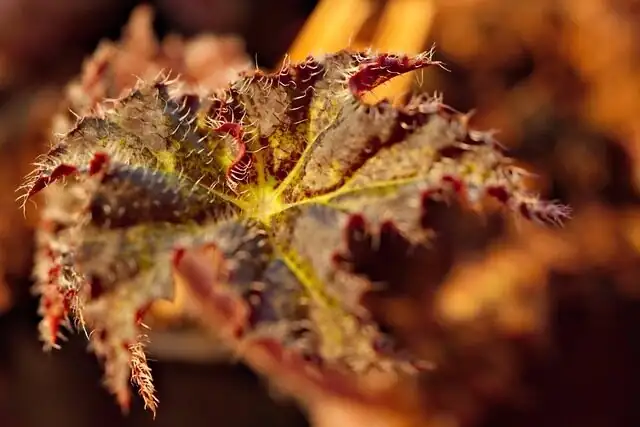
Harsh sun = blurred, blotchy, or pale
- Direct, hot sun overwhelms the leaf’s “pigment shield.” Water loss, heat, and UV stress lead to yellowing, bronzing, or scorchy patches that visually smear the cross.
- Stressed leaves reallocate resources to survival—edges crispness softens, and the cross can look dull or mottled.
Spot the signs:
- Yellowing or browned margins, faded dark zones, or scattered pale “hot spots.” Move to filtered light and raise humidity to help the next leaves emerge crisp again.
Placement cheat sheet (indoors and out)
- Indoors:
- Light: Bright, indirect light to partial shade. East or north windows are ideal, or any bright window with a sheer curtain.
- Drafts: Keep away from hot/cold vents.
- Humidity: Aim for 60–70%—especially if your room is bright.
- Outdoors (warm climates only):
- Site: Shaded, sheltered spots under trees or on the north/east side of structures; avoid midday sun.
- Shade target: Roughly 50–70% shade.
- Climate: Frost-tender; best year‑round only around USDA Zones 10–12.
Numbers to remember:
- Temperature sweet spot: 14–22°C (57–72°F). Growth slows above ~32°C (90°F).
- Winter minimum: Keep above 10°C (50°F) to prevent chilling injury.
- Humidity: 60–70% is the comfort zone.
The “carpet mode” switch
Begonia masoniana is rhizomatous—a creeping, just‑under‑the‑surface stem slowly pushes new leaves sideways. In truly warm, humid shade outdoors, those rhizomes nudge outward until the plant behaves like a ground-hugging patch.

How to encourage carpet mode:
- Climate: Warm, frost‑free shade (Zones ~10–12).
- Spacing: Plant groups 25–30 cm (10–12 in) apart; they’ll meet and form a low, leafy quilt about 20–30 cm (8–12 in) tall and 30–45 cm (12–18 in) across per clump.
- Soil: Loose, airy, fast-draining mix (potting compost + peat/coco + coarse sand or perlite).
- Water: Keep evenly moist—not soggy. Mulch lightly to keep moisture steady.
- Protection: Shelter from wind and midday sun; overhead tree canopies that cast shifting, dappled shade are perfect.
Care that keeps the cross crisp
- Watering
- Growing season: Keep the mix evenly moist; in summer many homes need water every 3–4 days (adjust for pot size, heat, and drying speed).
- Winter rest: Water very sparingly or pause; soggy soil in cool temps risks rhizome rot.
- Feeding
- April–August: Balanced fertilizer every 2 weeks (e.g., 20‑20‑20 at label rate).
- Autumn–winter: Reduce or stop.
- Humidity and airflow
- 60–70% humidity prevents edge crisping in brighter rooms; use a pebble tray or humidifier.
- Good airflow reduces mildew and leaf spot, but avoid direct blasts of air.
- Potting and soil
- Annual spring repot in a 12–15 cm (4.7–5.9 in) pot with drainage holes.
- Mix: Potting compost + peat/coco + coarse sand or perlite for oxygen around the rhizome.
- Pruning and renewal
- Thin older leaves in summer to improve airflow and spur fresh growth.
- After 4–5 years, vigor may dip—restart with divisions or leaf cuttings.
Propagation: from one cross to many

- Division (spring)
- Lift and slice the rhizome into ~10 cm (4 in) pieces, each with a growing tip.
- Let cuts dry briefly, then pot 2–3 pieces per pot; water lightly and keep in partial shade.
- Leaf cuttings (early summer)
- Take a mature leaf; cut about 1 cm (0.4 in) from the petiole.
- Insert 6–7 cm (2.4–2.8 in) leaf sections into moist, sterile mix with part of the blade above the surface.
- Roots form in ~3–4 weeks; transplant after ~2 months once plantlets have a couple of new leaves.
Troubleshooting the pattern
- Yellowing leaves
- Usual culprits: Cold, dry air, or too much sun.
- Fix: Warmer site above 10°C (50°F), filtered light, and humidity to 60–70%.
- Scorch or blurred cross
- Cause: Strong direct sun.
- Fix: Move behind a sheer curtain or deeper into a bright room; maintain even moisture.
- Spots, mildew, gray fuzz (Botrytis), or powdery mildew
- Contributing factors: Stagnant air + wet leaves.
- Fix: Improve airflow, water the soil (not leaves), remove affected tissue; consider copper‑based preventives or an appropriate fungicide per label if needed.
- Scale insects
- Treat with horticultural oil or insecticidal soap; repeat as necessary.
Flowers, symbolism, and shareability
- Flowers
- Summer brings small, pale blooms on slender stems—sweet, but the foliage steals the show.
- Symbolism
- There isn’t a single, standardized “flower language” for this plant, but its bold, stamped cross has come to symbolize quiet confidence and striking beauty—the kind that doesn’t need the sun’s spotlight to shine.
- Easy to share
- One good leaf can become a handful of new plants—no wonder it’s a long‑time favorite for passing along to friends.
Buying guide and safety
- What to look for
- Compact, full plants with many intact leaves; vivid green and a crisp, dark cross.
- Avoid tears, lesions, or soft spots; the foliage bruises easily, so transport gently.
- Toxicity
- Considered toxic if eaten (especially rhizomes) and may irritate sensitive skin. Keep away from pets and small children; wash hands after handling if you’re prone to irritation.
Seasonal rhythm at a glance
- Spring: Repot; divide rhizomes if crowded.
- Growing season: Provide 50–70% shade; keep soil lightly moist; fertilize every 2 weeks (Apr–Aug).
- Early summer: Best time for leaf cuttings.
- Autumn: Raise humidity to 60–70% as light drops.
- Winter: Semi‑dormant; keep above 10°C (50°F) and water sparingly.
Light is your most powerful styling tool here. Give Begonia masoniana bright, filtered conditions and watch that velvet cross print sharpen like a freshly inked stamp. Ease off the sun, keep the air comfortably humid, and—if you garden in warm shade—let it flip into carpet mode and paint the ground with living pattern.