

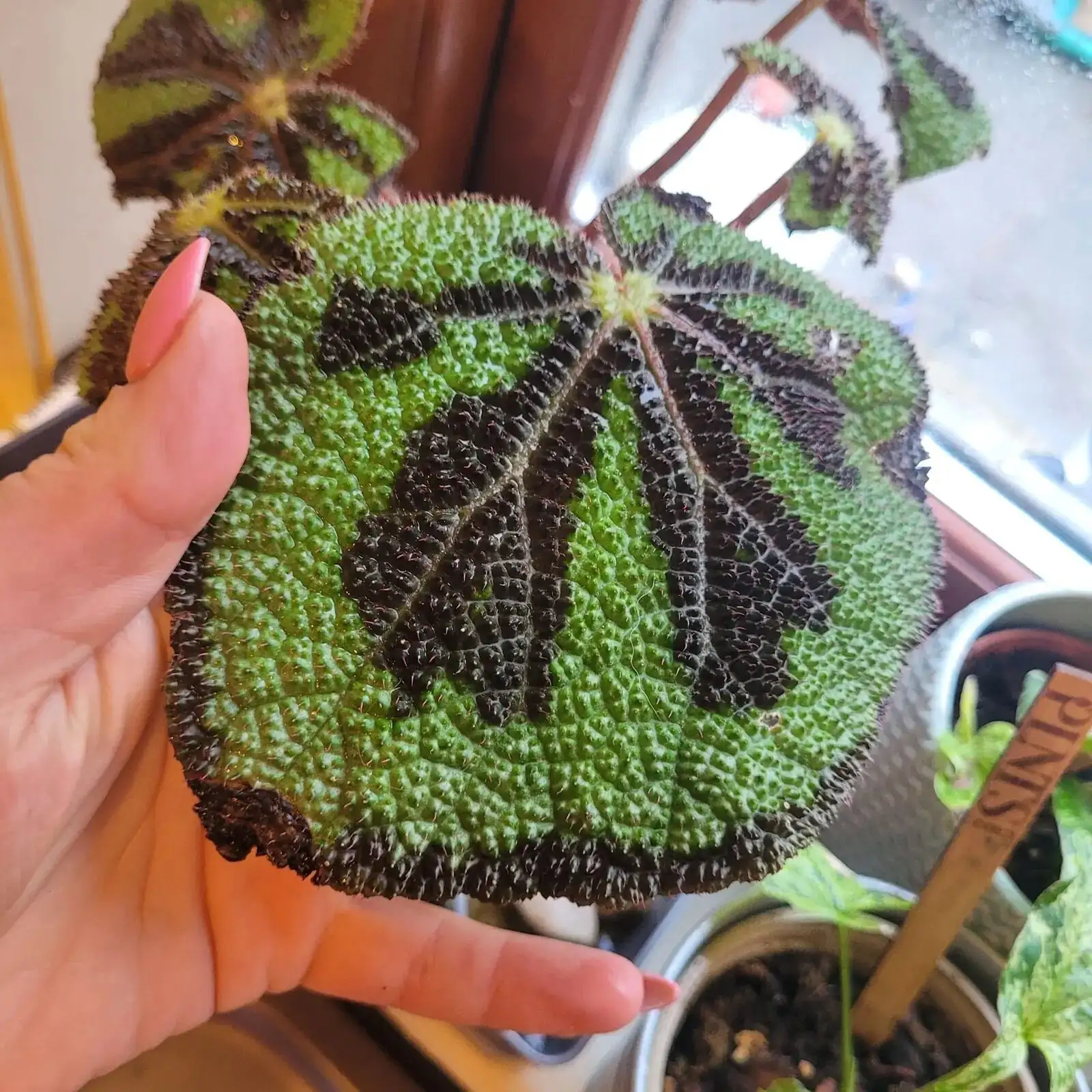
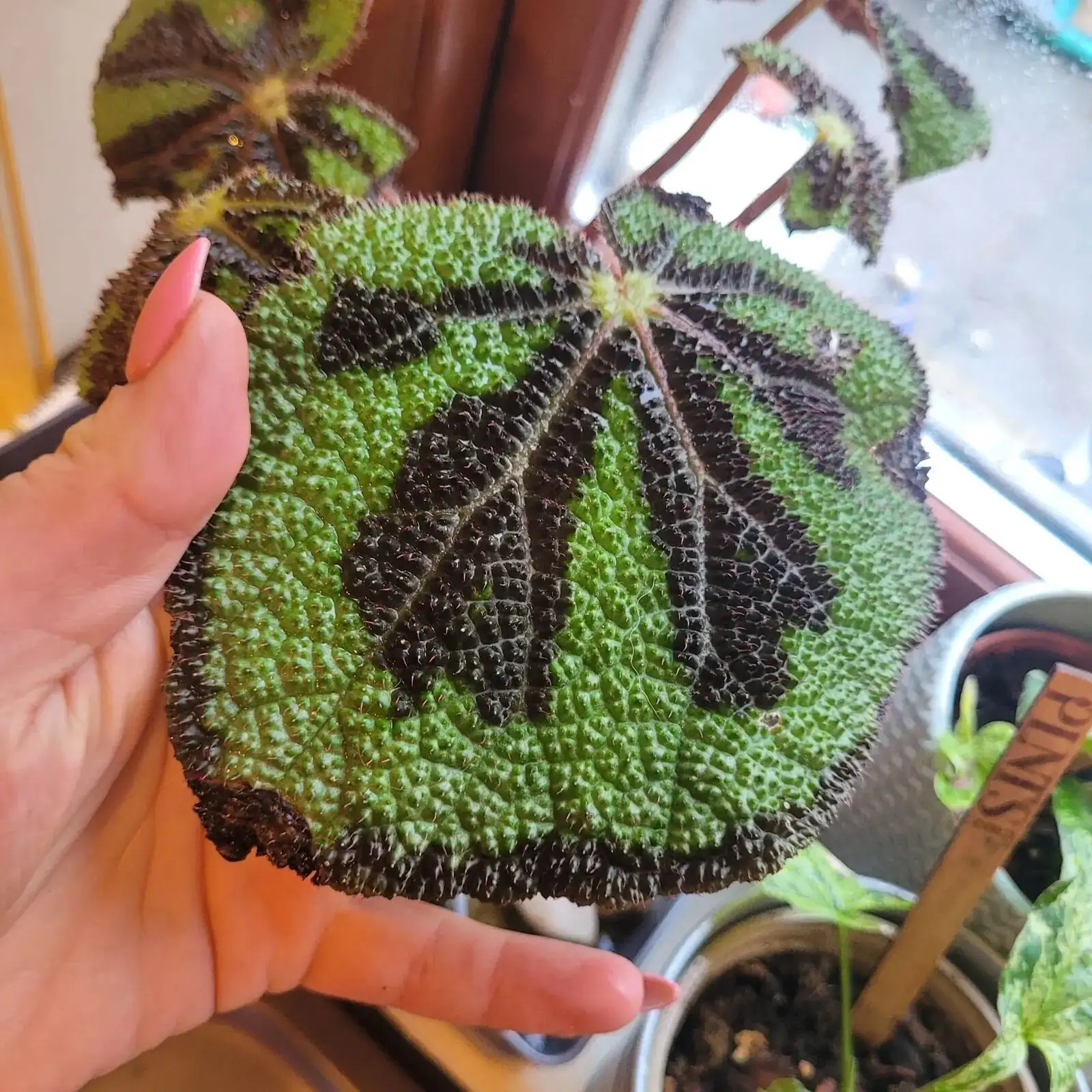
If you love dramatic foliage, Begonia masoniana—better known as Iron Cross Begonia—wears its signature dark “cross” like a medal. Keep that velvet-green leaf canvas crisp and spotless by mastering a few simple, science-backed habits. This guide zeroes in on the big three problems for begonias—powdery mildew, gray mold, and leaf spot—and shows you how to prevent and treat them with airflow, leaf‑dry watering, smart sanitation, copper-based preventives, and safe, at‑home fungicide steps. We’ll also tackle scale insects, a common sap-sipper on this plant.
Meet the Iron Cross Begonia (Begonia masoniana)
- Origins and habit: Rhizomatous, clump-forming begonia from southern China and northern Vietnam, now a beloved houseplant worldwide. Compact and gently spreading; in warm, shaded gardens it can knit into a low, leafy “carpet.”
- Size: Typically 20–30 cm (8–12 in) tall, spreading 30–45 cm (12–18 in).
- Light: Bright, indirect light to partial shade; aim for roughly 50–70% shade (about 30–50% of full sun). East- or north-facing windows or behind a sheer curtain are ideal.
- Temperature: Best at 14–22°C (57–72°F). Keep above 10°C (50°F) in winter; growth slows above ~32°C (90°F).
- Humidity: Prefers 60–70% (humid air, but dry leaves).
- Soil and pot: Loose, airy, fast-draining mix (potting compost + peat/coco + coarse sand/perlite). Pot must have drainage.
- Watering: Keep evenly moist in the growing season without waterlogging; in summer, many growers water roughly every 3–4 days depending on conditions. In winter, water very sparingly or pause to prevent rhizome rot.
- Feeding: April–August, balanced fertilizer every 2 weeks at label dilution; ease off in cool, low-light months.
Tip: The foliage can yellow or scorch from cold, dry air, or harsh direct sun. Below about 10°C (50°F), look for brown, crispy margins and scorch-like patches.
The Clean-Leaf Formula: 5 Habits That Stop Disease Before It Starts
1) Airflow you can feel, not see
- Space plants so leaves don’t touch.
- Thin older, crowded leaves at the base in summer to open the canopy.
- A small, gentle fan across the room (not directly at the plant) keeps air moving.
2) Leaf‑dry watering
- Water the soil, not the leaves. Use a spout or bottom-water, then drain thoroughly.
- Never park the pot in a saucer of water.
- “Mist the air, not the leaves”—raise humidity with a humidifier or pebble tray; avoid wet foliage.
3) Sanitation, always
- Promptly remove spent flowers, yellowing leaves, and fallen debris.
- Sterilize pruners between cuts (70% isopropyl alcohol or a 10% bleach dip).
- Quarantine new plants for 2–3 weeks.
4) Smart environment tuning
- Warm but not hot: 14–22°C (57–72°F).
- Humid air (60–70%) plus airflow keeps leaves happy without staying wet.
- Keep away from heat vents and cold drafts.
5) Preventive shields when risk is high
- In extended cool, damp spells—or if you’ve had issues before—consider a light, label-directed copper-based fungicide as a preventive. It won’t cure active disease, but it can help stop spore germination on clean foliage.
Diagnose and Defeat the Big Three
Powdery mildew
What it looks like
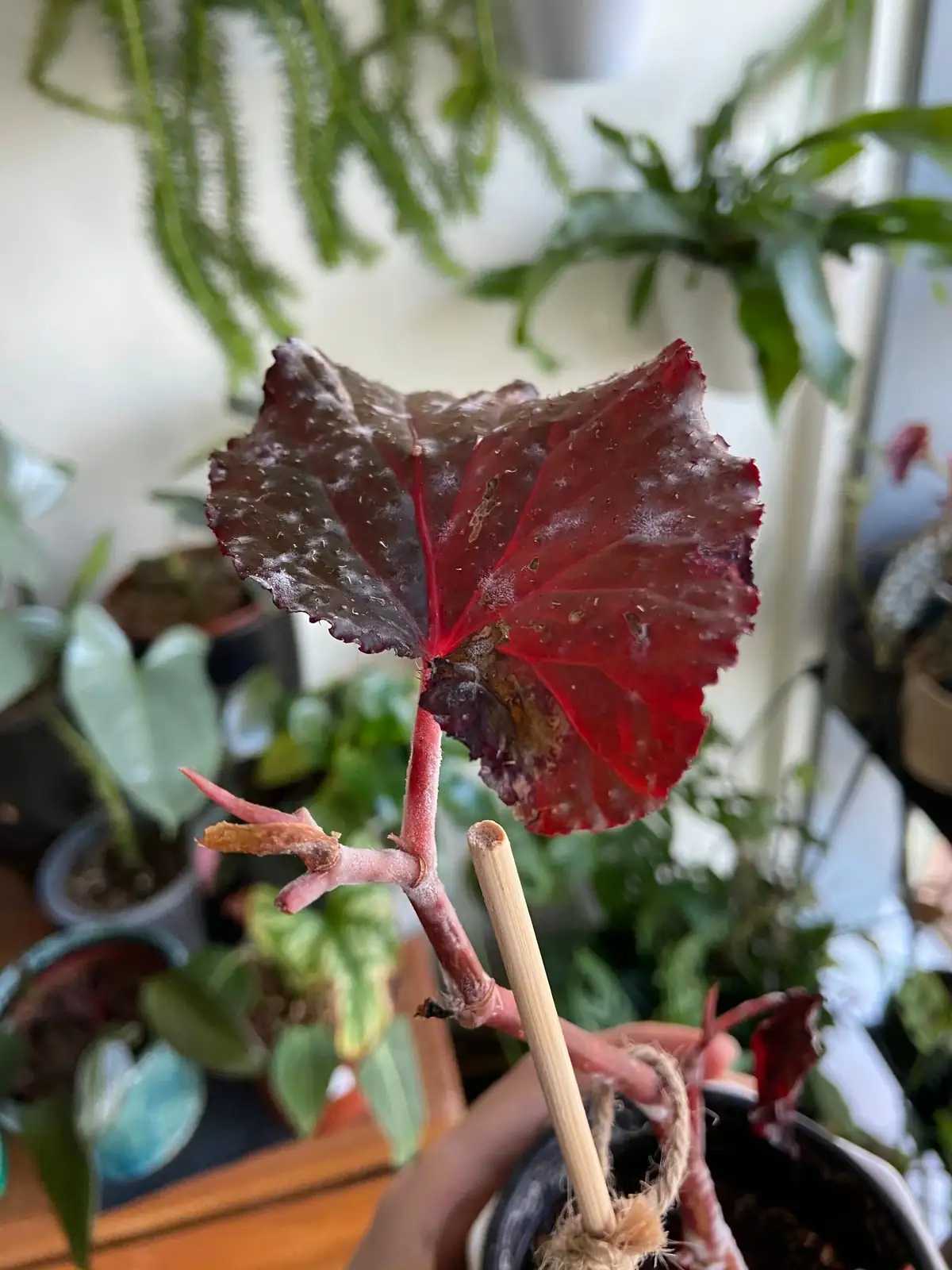
- White, powdery or thread-like patches on upper leaf surfaces; may spread to stems/flowers.
- Common around 21°C (70°F). Unlike many fungi, it doesn’t require free water on leaves to spread.
Why it happens
- Stagnant air and crowded leaves.
- Spores move by air currents and contact.
Your action plan
- Isolate the plant.
- Remove early-infected leaves: Slip a bag over the leaf before cutting to trap spores; seal and trash.
- Improve airflow and reduce crowding; keep leaves dry going forward.
- Fungicides (choose houseplant-labeled products and follow the label):
- Potassium bicarbonate or sulfur products labeled for powdery mildew.
- Copper soaps (copper octanoate) used preventively or at first sign.
- Neem oil can help suppress light cases; do not apply oils in very high heat or full sun, and avoid combining with sulfur within 2 weeks.
- Reapply per label every 7–14 days until new growth emerges clean.
Gray mold (Botrytis)
What it looks like
- Soft, water-soaked spots that quickly turn brown; a fuzzy gray mold (spore mass) may appear on aging petals or leaves. Tap an infected area and you may see a puff of grayish spores.
Why it happens
- Cool, damp conditions; thrives on old blossoms, leaf edges, and plant debris.
Your action plan
- Isolate and escalate sanitation: Remove all affected tissue plus nearby debris; bag and trash (do not compost).
- Open the canopy: Prune a few older leaves at their base to increase air movement.
- Adjust climate: Slightly warmer temps within the plant’s comfort range and gentle airflow help.
- Water early in the day and only the soil—never the leaves.
- Fungicides (as a supplement to sanitation):
- Copper-based fungicides applied preventively or at first sign.
- Other options exist for Botrytis, but always choose products labeled for ornamental indoor use and follow all safety directions. Many products should be applied outdoors and allowed to dry before bringing the plant back in.
Leaf spot (fungal or bacterial look‑alikes)
What it looks like
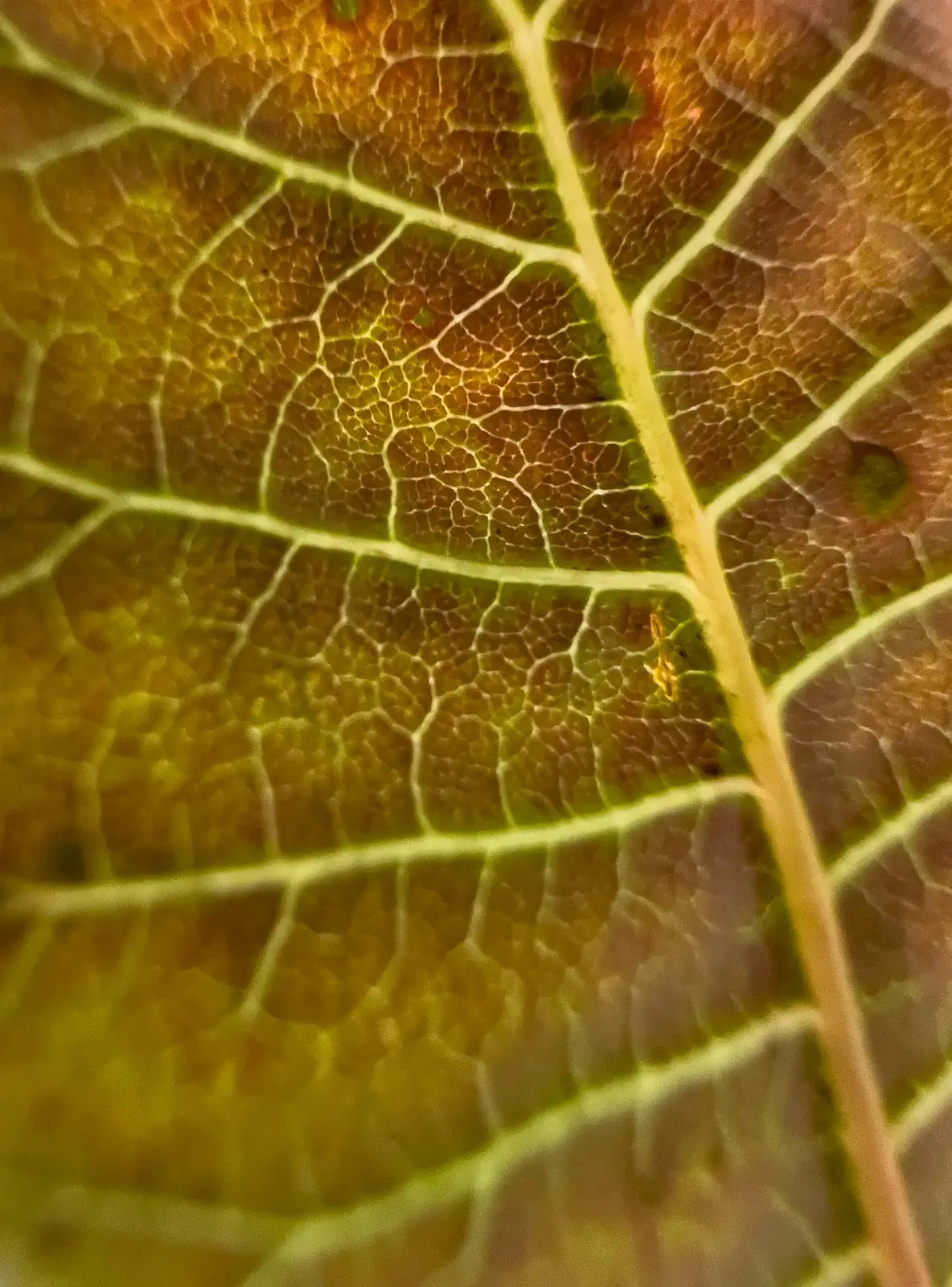
- Small brown to dark spots that may coalesce; margins can be sharply defined. Some bacterial spots show a yellow halo or become translucent between veins.
Why it happens
- Splashing water spreads pathogens; crowded, wet foliage sustains them.
Your action plan
- Remove spotty leaves early; bag and trash.
- Tighten up watering hygiene: Water soil only, increase airflow, avoid splashing.
- Copper-based products can be used preventively and may help suppress some leaf spots; spot-test first on one leaf and wait 48 hours for any sensitivity.
- If many leaves show rapidly spreading, water-soaked lesions with halos, consider discarding the plant to protect your collection, then restart from clean divisions or leaf cuttings taken from healthy tissue only.
Safe, At‑Home Fungicide Playbook
- Start with culture: Most foliar diseases stop with airflow, dry leaves, and sanitation.
- Choose registered products labeled for houseplants/ornamentals: copper soap, sulfur, potassium bicarbonate, neem oil, or biologicals (where available).
- Patch test first: Treat one leaf, wait 24–48 hours to check for burn.
- Application setup:
- If the label permits indoor use, ventilate the room; protect surfaces.
- If not, apply outdoors in shade; let the plant dry before bringing it back in.
- Wear gloves; avoid inhaling spray; keep pets and kids away until dry.
- Timing: Treat in the morning; never on heat-stressed or dripping-wet foliage.
- Interactions: Don’t mix products; allow intervals (e.g., avoid oil within 2 weeks of sulfur).
- Persistence: Reapply only as labeled; stop when new growth is clean.
Scale Insects: Identify and Eliminate
Spot the problem
- Small, round or oval bumps on stems and leaf undersides. Soft scales exude sticky honeydew; armored scales do not. Leaves may yellow; sticky residue can invite sooty mold.
Step-by-step control
1) Quarantine the plant.
2) Manual removal for light infestations: Gently lift off scales with a fingernail or cotton swab.
3) Wash and smother: Use horticultural oil or insecticidal soap labeled for indoor ornamentals. Thoroughly coat upper and lower leaf surfaces and stems.
4) Repeat: Treat every 7–10 days for 3–4 cycles to catch freshly hatched crawlers.
5) Aftercare: Improve light and nutrition gently to help the plant regrow; continue inspections weekly.
Note: Oils and soaps can spot sensitive leaves—test first on one leaf and wait 24 hours. Avoid spraying in hot conditions or direct sun.
A Year-Round, Disease-Smart Care Calendar
- Spring
- Repot annually into a 12–15 cm (4.7–5.9 in) pot with a loose, fast-draining mix.
- Divide rhizomes if crowded (sections ~10 cm/4 in with a growing tip).
- Start preventive copper if you’ve had recurrent issues and conditions are cool/damp.
- Growing season (late spring–summer)
- Provide 50–70% shade with bright, indirect light.
- Water when the top 2–3 cm (about an inch) of mix is dry—often every 3–4 days in summer; keep leaves dry.
- Feed every 2 weeks (April–August) at label dilution.
- Thin a few older leaves to boost airflow.
- Early summer propagation
- Leaf cuttings root in 3–4 weeks and are a perfect “insurance policy” if disease ever runs ahead of you.
- Autumn
- Light stays bright but indirect; raise room humidity to ~60–70%, relying on pebble trays or a humidifier, not foliar misting.
- Winter (semi‑dormant)
- Keep above 10°C (50°F).
- Water very sparingly or pause to avoid rhizome rot.
- No fertilizer; maintain gentle airflow.
Quick Rescue Decisions
- A few spots or a small powdery patch: Prune, bag, and adjust airflow/watering; monitor.
- Widespread Botrytis fuzz or fast-expanding leaf spots: Sanitize hard, consider a labeled fungicide, and take clean cuttings from unaffected tissue as a backup.
- Chronic decline after 4–5 years: Rejuvenate by dividing rhizomes or restarting from leaf cuttings.
FAQs
- Why are my leaves turning yellow?
Most often cold, dry air, or too much sun. Keep above 10°C (50°F), move to bright indirect light, and raise humidity to 60–70% while keeping leaves dry.
- Can it live outdoors?
Only year‑round in warm, frost‑free climates (about USDA Zones 10–12), in sheltered shade with consistent moisture and airflow.
Safety
- Toxic if eaten (especially rhizomes/underground parts) and may irritate sensitive skin. Keep away from pets and small children; wash hands after handling.
Fun to Know
- That bold, dark “Iron Cross” is why this plant stops people in their tracks.
- It’s famously shareable—one healthy leaf can become several new plants.
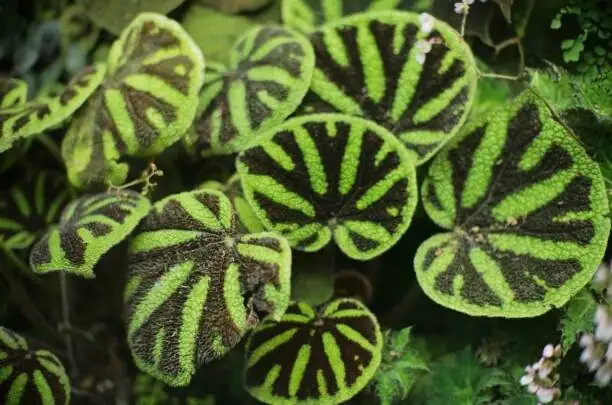
- In warm, shaded gardens, groups of Iron Cross begonias can form a lush, living carpet.
A Note on “Flower Language” and Meaning
There isn’t a standardized, centuries-old “flower language” for Iron Cross Begonia, but many growers associate it with bold beauty and quiet resilience—its dramatic cross seems to symbolize a tiny badge of courage thriving in shade. If you’re gifting one, it’s a thoughtful emblem of strength and style in small spaces.
Keep the air moving, keep the leaves dry, and keep your tools clean—that’s the winning trio. With those habits plus smart, label-led treatments when needed, your Iron Cross Begonia will keep its iconic pattern crisp and camera-ready all year.