


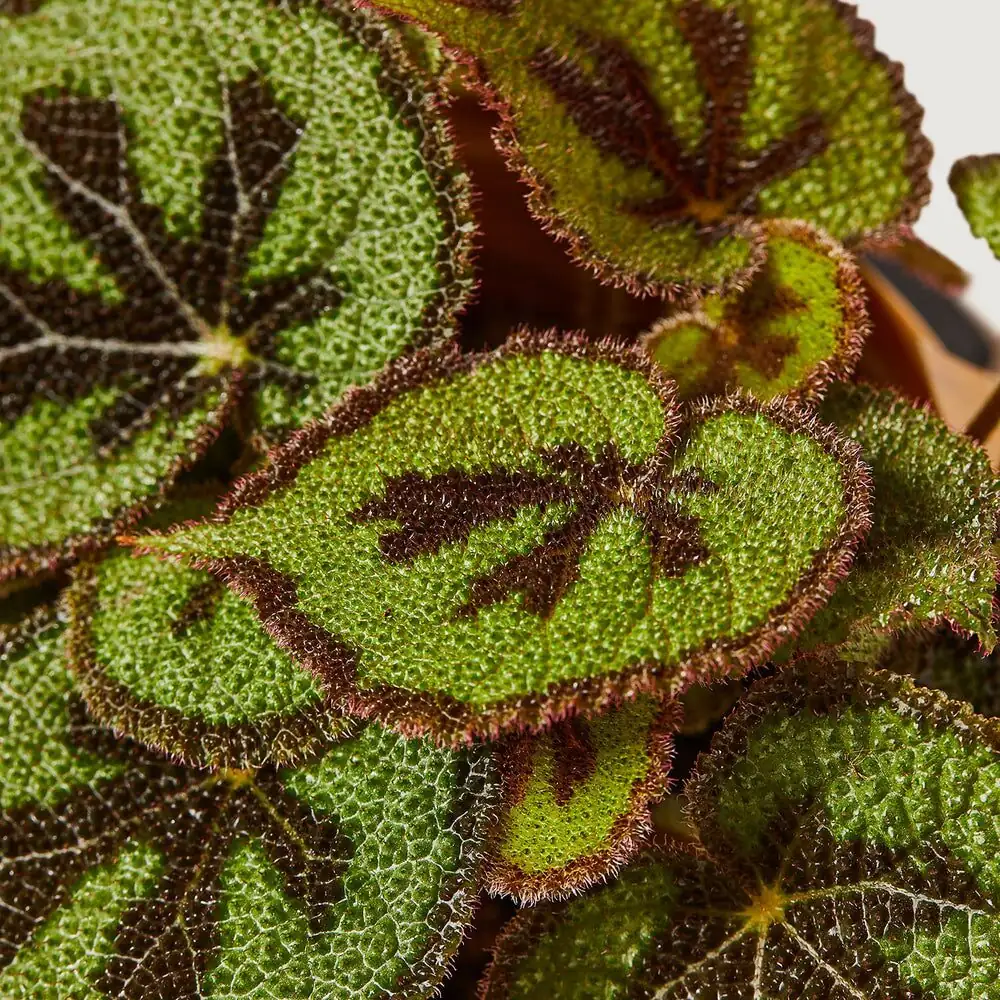
Iron Cross Begonia (Begonia masoniana) wears its name on every leaf: a bold, velvety cross stamped across crinkled green. To keep that pattern crisp and the plant compact, think in seasons. Here’s a lively, month‑by‑month playbook—one track for small pots on bright sills, another for warm-climate shade beds where it can knit into a lush, low carpet beneath trees.
Know your plant in a nutshell
- Light: Bright, indirect light to partial shade; aim for roughly 50–70% shade (about 30–50% of full sun). Indoors, an east or north window, or any bright spot behind a sheer curtain.
- Temperature: Best at 14–22°C (57–72°F). Keep above 10°C (50°F) in winter; growth slows above ~32°C (90°F).
- Humidity: Prefers higher humidity, around 60–70%. Dry air plus bright light often causes yellowing or scorch.
- Soil and pot: Loose, airy, fast‑draining mix (potting compost + peat/coco coir + coarse sand/perlite). Always use a pot with drainage holes; 12–15 cm (4.7–5.9 in) is a great compact size.
- Habit: Rhizomatous and clump‑forming. In warm, sheltered shade outdoors (about USDA Zones 10–12), it can gently spread into a groundcover.
- Water: Keep evenly moist in the growing season; never waterlog. In summer, many potted plants want water every 3–4 days; in winter, water very sparingly or pause to avoid rhizome rot.
- Feeding: From April through August, feed every 2 weeks with a balanced fertilizer (e.g., 20‑20‑20 at label dilution).
Month-by-month care calendar
Note: Adjust by a month or so depending on your local climate. “Compact pots” suits windowsills and sheltered patios; “Shade beds” is for warm climates where winter stays reliably mild.
January
- Compact pots:
- Quiet season. Keep warm (above 10°C/50°F) and bright but filtered.
- Water very sparingly—just enough to prevent total dry‑down. Boost humidity to 60–70%.
- Shade beds (warm climates only):
- Minimal water if weather is cool; protect from cold snaps.
- Clear fallen debris to keep airflow moving around crowns.
February
- Compact pots:
- Inspect rhizomes and leaf bases; remove any mushy or spotted tissue.
- Plan spring repotting and divisions; gather fresh mix and clean pots.
- Shade beds:
- Continue light water only if dry. Avoid splashing foliage in cool weather.
March
- Compact pots:
- Light increases; nudge watering slightly, keeping soil evenly moist—not wet.
- Start raising humidity if indoor heating is still on.
- Shade beds:
- Hand‑weed and lightly loosen the surface (don’t bury crowns).
- Begin checking for scale insects on stems and leaf undersides.
April
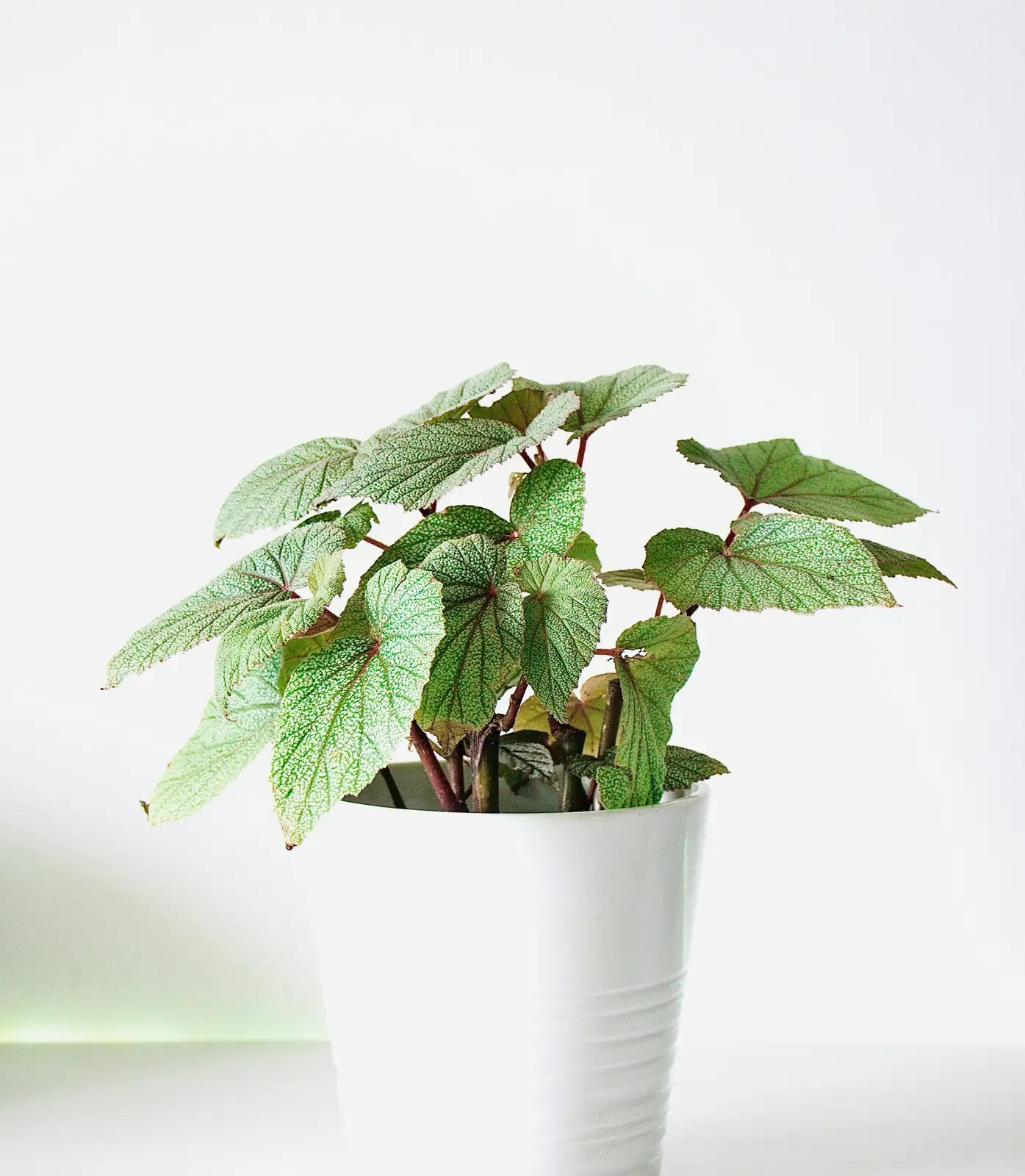
- Compact pots:
- Prime repotting month. Refresh mix and upsize only if roots circle the pot.
- Begin feeding every 2 weeks (balanced fertilizer at label rate).
- Shade beds:
- Divide and replant clumps now if you want to spread coverage.
- Start biweekly feeding through summer; maintain 50–70% shade.
May
- Compact pots:
- Growth surges. Keep evenly moist; never let the pot sit in water.
- Rotate the pot weekly for even light; remove a few older leaves to improve airflow.
- Shade beds:
- Establish consistent moisture. Mulch lightly with fine, airy material to moderate drying.
- Shelter from wind; refresh shade if sun angles shift.
June
- Compact pots:
- Early-summer is prime leaf‑cutting time (details below). Keep cuttings in bright shade.
- Watch temps—above ~32°C/90°F, growth slows. Increase humidity and shade if heat builds.
- Shade beds:
- Take leaf cuttings from vigorous outdoor foliage for cloning.
- Maintain steady moisture and biweekly feeding. Avoid wetting leaves late in the day.
July
- Compact pots:
- Watering rhythm often hits every 3–4 days. Check soil with a finger test before watering.
- Thin crowded leaves to keep air moving; small, pale flowers may appear—pinch if you prefer bigger leaves.
- Shade beds:
- Keep that 50–70% shade. In heat waves, deepen shade and water early mornings.
- Remove any tattered, old leaves at the base to channel energy into fresh growth.
August
- Compact pots:
- Continue biweekly feeding through month‑end; maintain humidity at 60–70%.
- Leaf cuttings rooted in June often show plantlets now—keep bright, indirect light.
- Shade beds:
- Hold steady on water and shade as peak heat wanes.
- Plantlets from early cuttings can be potted/placed in a sheltered nursery area.
September
- Compact pots:
- Gradually reduce fertilizer; light starts to soften.
- Keep evenly moist as days shorten—avoid swings from bone‑dry to sopping wet.
- Shade beds:
- Ease off feeding. Groom away older leaves. Monitor for leaf spots and remove affected tissue.
October
- Compact pots:
- No more feeding; maintain bright, indirect light.
- If air dries with heating, add a pebble tray or humidifier. Avoid hot/cold drafts.
- Shade beds:
- Tidy spent stems. Ensure good airflow to deter gray mold as nights lengthen.
November
- Compact pots:
- Semi‑dormant phase. Water very sparingly; never let cold, wet soil linger.
- Keep above 10°C (50°F); leaves may yellow if air is dry or cool—raise humidity.
- Shade beds:
- In truly warm climates, reduce water to match slower growth.
- Keep leaves dry during cool, damp spells; remove any soft or spotted tissue promptly.
December
- Compact pots:
- Rest and observe. Wipe dust from leaves with a barely damp cloth; avoid constant wetting.
- Check for scale insects and treat early with horticultural oil or insecticidal soap.
- Shade beds:
- Minimal water. Protect from unusual cold snaps. Maintain filtered light.
Spring repotting and division (compact pots or when lifting shade-bed clumps)
- When: Spring, as days lengthen.
- Pot and mix: 12–15 cm pot; loose, airy, fast‑draining mix (potting compost + peat/coco + coarse sand/perlite).
- Steps:
1) Unpot gently; tease away some old mix.
2) Remove a few older or damaged leaves at the base.
3) Divide if crowded: cut the rhizome into ~10 cm (4 in) sections, each with a growing tip.
4) Let cut surfaces dry briefly; then pot 2–3 pieces per pot, each carrying at least 4–5 leaves if possible.
5) Water lightly, then keep in partial shade and evenly moist—not wet—until new growth establishes.
Early-summer leaf cuttings, step by step
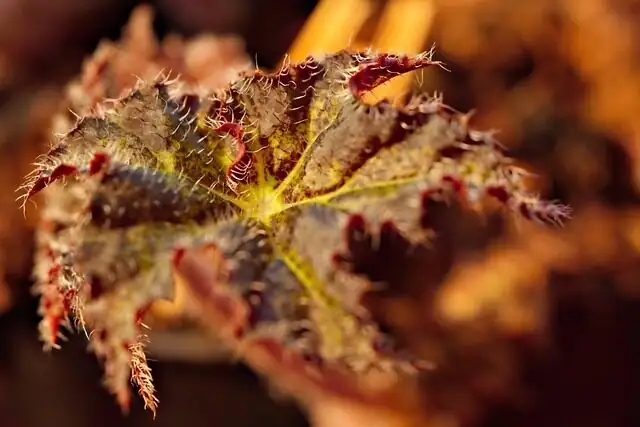
- When: Early summer for quickest rooting.
- What to take: A mature, healthy leaf. Cut the leaf about 1 cm (0.4 in) from the petiole.
- How:
1) Prepare a sterile, moist propagation medium (clean sand or a fine, well‑drained mix).
2) Trim the leaf into sections about 6–7 cm (2.4–2.8 in).
3) Insert each section so part of the leaf stays above the surface; firm gently.
4) Place in bright shade (50–70% shade), warm room temperatures, and high humidity (a clear cover with vents works well).
5) Water sparingly to keep the medium slightly moist—never soggy, and avoid wetting foliage repeatedly.
- Timeline: Roots typically form in about 3–4 weeks. Transplant after roughly 2 months, once plantlets produce a couple of new leaves.
Watering and feeding rhythm at a glance
- Growing season (spring–summer):
- Water: Keep evenly moist; in midsummer, potted plants often need water every 3–4 days. Empty saucers.
- Feed: Every 2 weeks from April–August with a balanced fertilizer (e.g., 20‑20‑20 at label dilution).
- Cool season (autumn–winter):
- Water: Very sparingly or pause; the rhizome dislikes cold, wet conditions.
- Feed: Reduce or stop until light and warmth return.
Light, temperature, and humidity sweet spots

- Light: Filtered, bright conditions keep the cross pattern crisp. Avoid harsh direct sun; 50–70% shade outdoors is ideal.
- Temperature: Aim for 14–22°C (57–72°F). Keep above 10°C (50°F) to prevent chilling injury (brown, crispy margins and scorch‑like patches).
- Humidity: 60–70% is the comfort zone. Use a humidifier or pebble tray; keep away from drying vents. Mist the air nearby rather than soaking leaves.
Pruning and grooming
- Summer thinning: Remove a few older leaves at the base to open the canopy and invite fresh growth.
- Flowering: Small, pale blooms appear in summer; many growers pinch these to channel energy into foliage.
- Renewal: After 4–5 years, plants may tire. Restart by division or leaf cuttings to keep colonies vigorous and compact.
For warm-climate shade beds
- Placement: Sheltered shade under trees, protected from wind and midday sun.
- Soil: Loose, airy, well‑drained organic soil; avoid heavy, waterlogged sites.
- Spacing: Allow gentle spread to create a low, patterned carpet; divide in spring to fill gaps.
- Seasonal notes: In heat above ~32°C (90°F), deepen shade and water early mornings. In cool spells, keep leaves dry and water less.
Troubleshooting and plant health
- Yellowing leaves:
- Common causes: Cold drafts, dry air, or too much sun. Move to bright, indirect light, keep above 10°C (50°F), raise humidity to 60–70%.
- Scorch or crisp margins:
- Usually from direct sun or chilling injury. Increase shade; ensure warm, stable temperatures.
- Diseases:
- Gray mold (Botrytis), powdery mildew, and leaf spot can arise with stagnant, damp air. Improve airflow, avoid splashing leaves, remove affected tissue. Copper‑based products are sometimes used preventively; if disease appears, use an appropriate fungicide per label.
- Pests:
- Scale insects may appear; treat with horticultural oil or insecticidal soap and repeat as needed.
Safety, symbolism, and use
- Safety: Considered toxic if eaten (especially rhizomes/underground parts) and may irritate skin in sensitive people. Keep away from pets and small children; wash hands after handling if you’re prone to irritation.
- Symbolism: Not formally standardized, but the dramatic cross pattern often reads as bold beauty—an emblem of quiet strength thriving in shade.
- Uses: A statement foliage plant indoors; in warm, humid regions it softens shady ground as a textured, living tapestry.
Quick buying guide
- Choose compact plants with many intact leaves and a crisp, dark cross pattern. Avoid spots, rot, or tears. Handle gently—the foliage bruises easily.
With the right rhythm—spring refresh, summer steadiness, autumn finesse, and a gentle winter slowdown—Begonia masoniana remains compact, patterned, and endlessly shareable. One leaf becomes many; one pot becomes a colony. That’s the quiet magic of the Iron Cross.