

Cape shamrock’s buttercup-yellow blooms are little lanterns in winter’s cool light—especially when you set them against jewel-toned violas, pricking them with dwarf bulbs, and frothing the edges with silver foliage. Here’s how to design high-contrast, low-fuss displays that glow from fall through spring, with precise spacing and moisture tactics to keep everything pristine.
Meet Cape Shamrock (Oxalis pes-caprae)

- What it is: A bulb-forming oxalis with shamrock-like leaves and dense clusters of soft, buttercup-style yellow flowers.
- Peak season: Autumn to spring (the sweet spot for winter color).
- Habit and size: Low and clumping, typically 10–30 cm tall; forms dense carpets over time.
- Light: Full sun to very bright light; blooms best with strong light and good airflow.
- Best use: Show-stopping in containers; in mild-winter gardens, a seasonal groundcover—though in some regions it spreads so readily that it’s considered invasive.
- Important note: Invasive in parts of the world. If it’s on your region’s watch list, keep it strictly containerized or use in-ground bulb cages and vigilant deadheading.
Why it shines in winter designs
- Color contrast: Its lemon-yellow flowers electrify cool-season palettes and hum with energy against violet-blue violas. Add silver foliage and you get a clean, high-contrast composition that reads from across the garden.
- Bloom timing: Flowering through the cool months lines up perfectly with winter violas and early dwarf bulbs.
- Texture: Oxalis’s fine clovery leaves are a perfect foil to ruffled violas and velvety-silver foliage, adding both rhythm and softness.
Three winter showpieces to copy now
1) Sunlit Viola Bowl (35–40 cm wide container)

A radiant, compact design for porches and sunny windowsills.
- Plant list
- Oxalis pes-caprae bulbs: 5–7
- Violas (violet-purple or deep blue): 7–9 small plants
- Dwarf bulbs: 5–7 (try Iris reticulata or early crocus)
- Silver trailer: 2–3 plants (Dusty Miller ‘Silver Dust’ in mini plugs, or Helichrysum petiolare)
- Layout and spacing
- Oxalis: Plant 2–3 cm deep, set in a loose ring 6–8 cm apart.
- Violas: Drop between oxalis positions, 8–10 cm apart.
- Dwarf bulbs: Tuck in pockets between, at their proper depth, avoiding direct contact with oxalis bulbs.
- Silver: Place at the rim to spill and frame the gold-and-violet center.
- Why it works
- Yellow + violet is a classic complementary pairing, while the silver rim cools and brightens the whole bowl.
2) Silver-and-Gold Window Box (60–75 cm long)
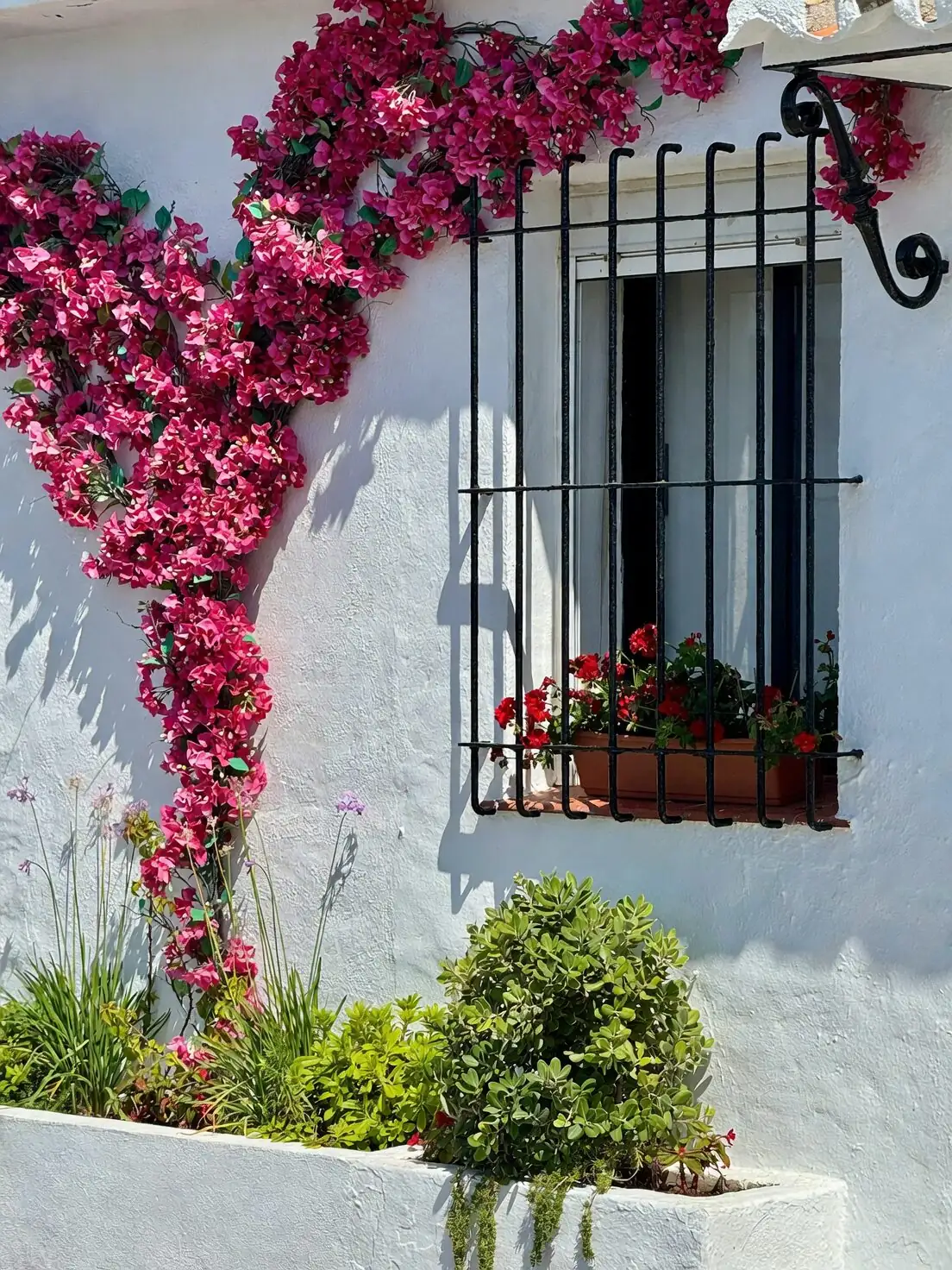
A crisp, modern front-of-house display that’s bright by day and luminous at dusk.
- Plant list
- Oxalis pes-caprae bulbs: 10–12
- Miniature daffodils (e.g., N. ‘Tête-à-Tête’) or early crocus: 10–15
- Violas (pale lavender or white with purple whiskers): 10–12
- Trailing silver: 3–5 (Dichondra argentea ‘Silver Falls’ or Helichrysum)
- Layout and spacing
- Stagger oxalis and dwarf bulbs down the center, bulbs 6–8 cm apart, oxalis 2–3 cm deep.
- Tuck violas as a soft front row 10–12 cm apart.
- Edge with trailing silver at 15–20 cm intervals to cascade.
- Why it works
- The daffodil or crocus spikes add vertical sparkle just above oxalis’s yellow haze, while pale violas bridge yellow to silver without visual “noise.”
3) Gravel-Edge Gold Ribbon (mild climates; containment advised)
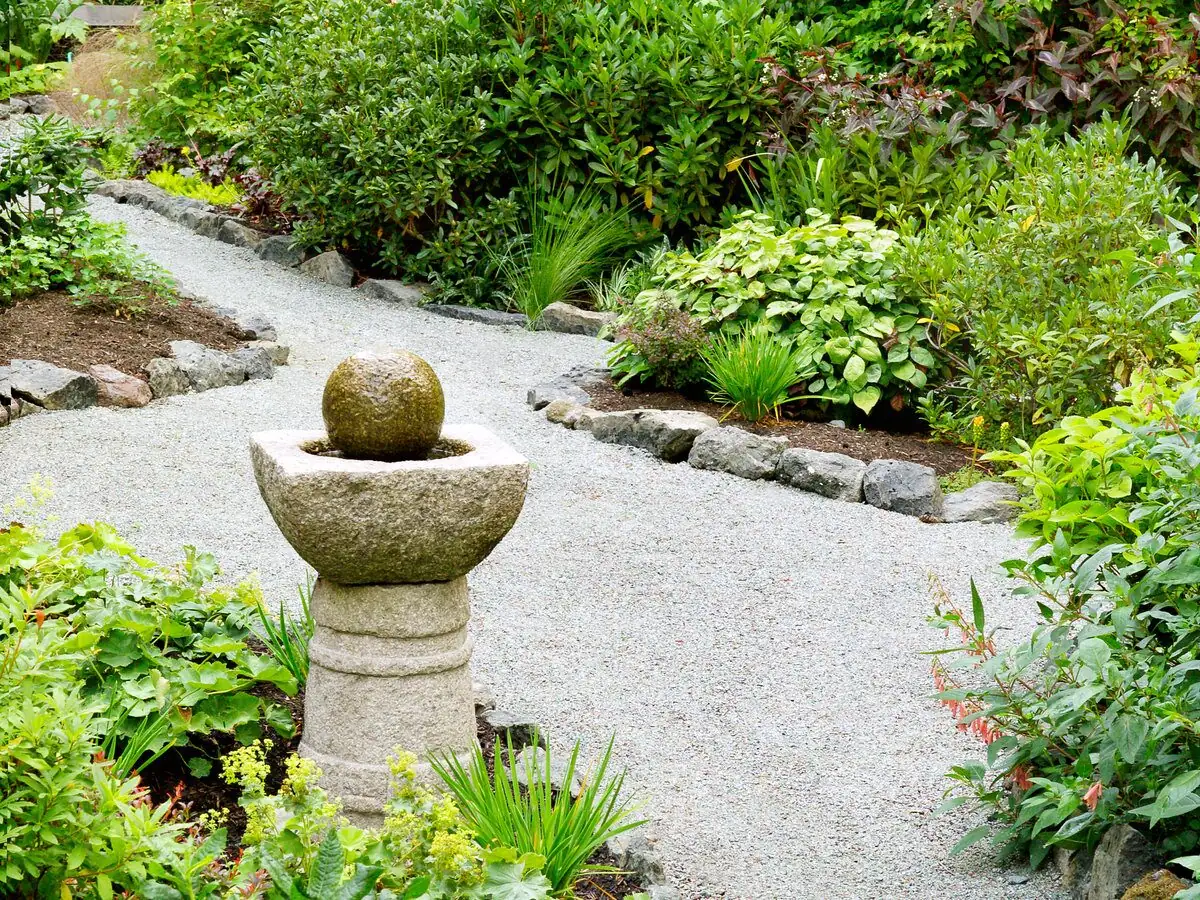
A narrow border or path edge that reads like an illuminated line.
- Plant list
- Oxalis pes-caprae bulbs (in bulb cages if necessary): spacing in clumps along the line
- Dwarf iris or crocus: woven through to pop ahead of peak oxalis bloom
- Compact silver mounds: Artemisia schmidtiana ‘Nana’ or small Santolina (2–3 plants per meter)
- Layout and spacing
- Oxalis: Plant in repeating clumps 15–20 cm wide, with bulbs 5–7 cm apart inside each clump, 2–3 cm deep. Separate clumps by 25–30 cm for definition and airflow.
- Dwarf bulbs: Interlace at normal depth so their flowers pierce the gold in late winter.
- Silver mounds: Space 30–40 cm apart to anchor the ribbon and keep the edge tidy.
- Containment
- Use edging, bulb cages, or container-in-ground planting where spread is a concern. Lift clumps after the display if needed.
Spacing rules of thumb (so it looks full, not crowded)
- In pots 15–20 cm wide: 1–3 oxalis bulbs total.
- In bowls 35–40 cm wide: 5–7 oxalis bulbs, 6–8 cm apart.
- In troughs 60–75 cm long: 10–12 oxalis bulbs, roughly 6–8 cm apart.
- Violas: 8–12 cm apart (closer for instant fullness; wider for longer run without trimming).
- Silver trailers (Dichondra/Helichrysum): 15–20 cm apart at the rim.
- In beds (mild climates only): place oxalis in clumps 25–30 cm apart; let each clump mature to 20–30 cm across for rhythm and airflow.
Moisture and airflow strategy for flawless winter color
Oxalis pes-caprae loves even moisture during active growth—but not wet feet.
- Potting mix
- Use a free-draining, airy base: a peat-based potting mix amended generously with perlite and a bit of vermiculite. The goal is springy, well-aerated media that never compacts.
- For winter rain, top-dress with 0.5–1 cm of fine gravel to keep crowns and flowers clean and reduce splash-borne disease.
- Watering
- During active growth (fall–spring): keep evenly moist, never soggy. Water when the top 2–3 cm are dry.
- Aim for morning watering; avoid wetting open oxalis blooms to prevent petal spotting.
- Violas also crave consistent moisture, but your silver trailers prefer quicker drying: plant silver at the container edge where it sheds water faster.
- Drainage details
- Containers: ensure generous drain holes; raise on pot feet; don’t let saucers hold standing water.
- Beds: use raised berms or gravelly pockets to shed winter wet and keep oxalis bulbs from rotting.
- Airflow: resist the urge to overfill. A finger-width of space between foliage helps prevent gray mold (Botrytis) on both violas and oxalis.
Light and temperature for the longest show
- Light: Full sun to very bright light brings the heaviest oxalis bloom; violas and silver foliage also color best in good light.
- Temperature: Best growth in mild warmth (about 20–28°C). Established plants can take brief dips to about -5°C, but protect containers from hard freezes.
Care rhythm and feeding (simple but strategic)
- Feeding: Every 2 weeks in active growth with a balanced fertilizer. When flower stems start, give one feed slightly higher in phosphorus and potassium to support bloom. Stop during summer dormancy.
- Grooming: Pinch off spent oxalis flowers and deadhead violas to keep the color constant. Remove any yellowing oxalis leaves.
- Repotting and offsets: For fresh winter displays, repot in fall. Oxalis multiplies readily—detach offsets and replant 2–3 cm deep. Spring-potted bulbs often flower the same year.
- Summer pause: Oxalis may go summer-dormant; reduce watering to slightly moist and rest the fertilizer.
Troubleshooting: keep it crisp
- Gray mold/leaf spot: Improve airflow, remove affected tissue, keep blooms dry, avoid overcrowding.
- Root rot: Only plant in free-draining media; never allow waterlogging.
- Spider mites (hot, dry spells): Increase humidity around plants (not on the flowers) and treat with insecticidal soap or horticultural oil as needed.
Invasiveness and ethical planting
- In some regions, Oxalis pes-caprae spreads aggressively by bulbs. Favor containers, bulb cages, and careful deadheading to prevent unwanted spread. If uncertain, check local guidance before in-ground use.
Safety, symbolism, and a pinch of lore
- Toxicity: Contains oxalates; mildly to moderately toxic if eaten. Keep bulbs and foliage away from pets and children.
- Symbolism: Its shamrock-like leaves link it with “good luck,” though it isn’t the true Irish shamrock. The association persists because those trifoliate leaves visually echo the emblem of luck in Western culture.
Quick companion picks
- Violas/pansies: Violet, deep blue, or white-with-purple-whiskers for maximum pop against yellow.
- Dwarf bulbs: Iris reticulata, early crocus, and miniature daffodils for vertical sparkle. In warmer zones, use pre-chilled bulbs if needed.
- Silver foliage: Dusty Miller (Jacobaea maritima), Helichrysum petiolare (licorice plant), Artemisia schmidtiana ‘Nana’, or Dichondra ‘Silver Falls’ for cool contrast and edge definition.
Design takeaway: Pair Cape shamrock’s golden glow with cool violets and a filigree of silver, give each plant just a breath of space and excellent drainage, and your winter garden won’t just brighten gray days—it will gleam.