

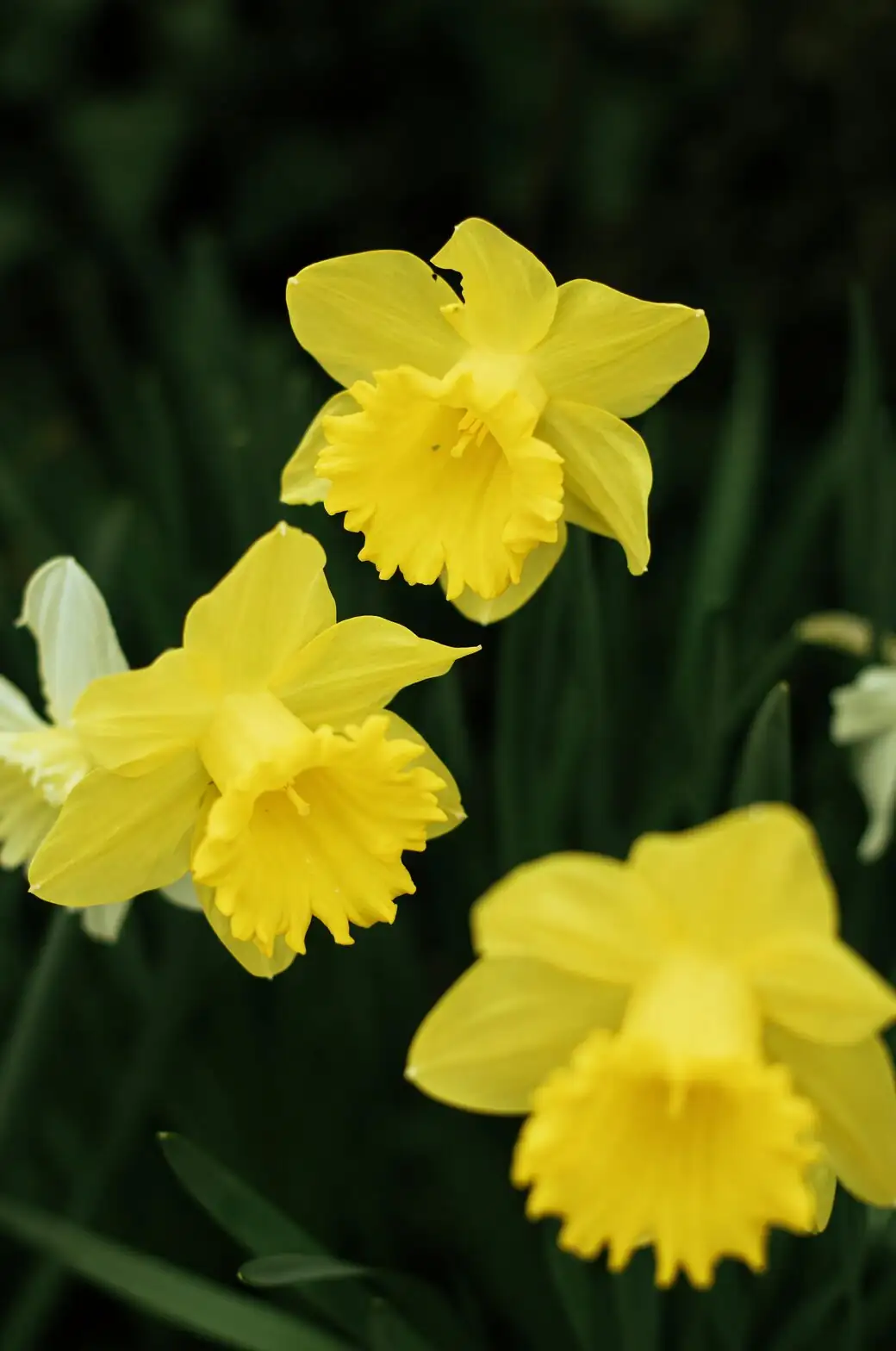
Cape Shamrock in bloom is pure joy—clean, shamrocky leaves lifting buttercup-yellow trumpets that seem to glow. If you want buds fast on Oxalis pes-caprae (aka Cape Shamrock, Bermuda Buttercup, Soursob), use this rapid-turnaround checklist to dial in light, temperature, airflow, feeding, and flower-safe watering. Think of it as a quick tune-up that flips the plant from leafy to floriferous.
The fast-bloom checklist
Light intensity: the on-switch for flowers
- Give full sun to very bright light. Indoors, park it right at a sunny window (south or west is gold; east is great too). Outdoors, aim for a bright patio/balcony spot.
- Target: strong, bright light for most of the day. If you use a light meter, bright-indirect to soft sun levels around 10,000–20,000 lux for hours daily works well; in mild climates, direct morning sun plus bright afternoon light is ideal.
- Signs you nailed it: foliage is compact and perky; flower stems appear from the clump. Signs you didn’t: stretchy leaves, few or no buds.
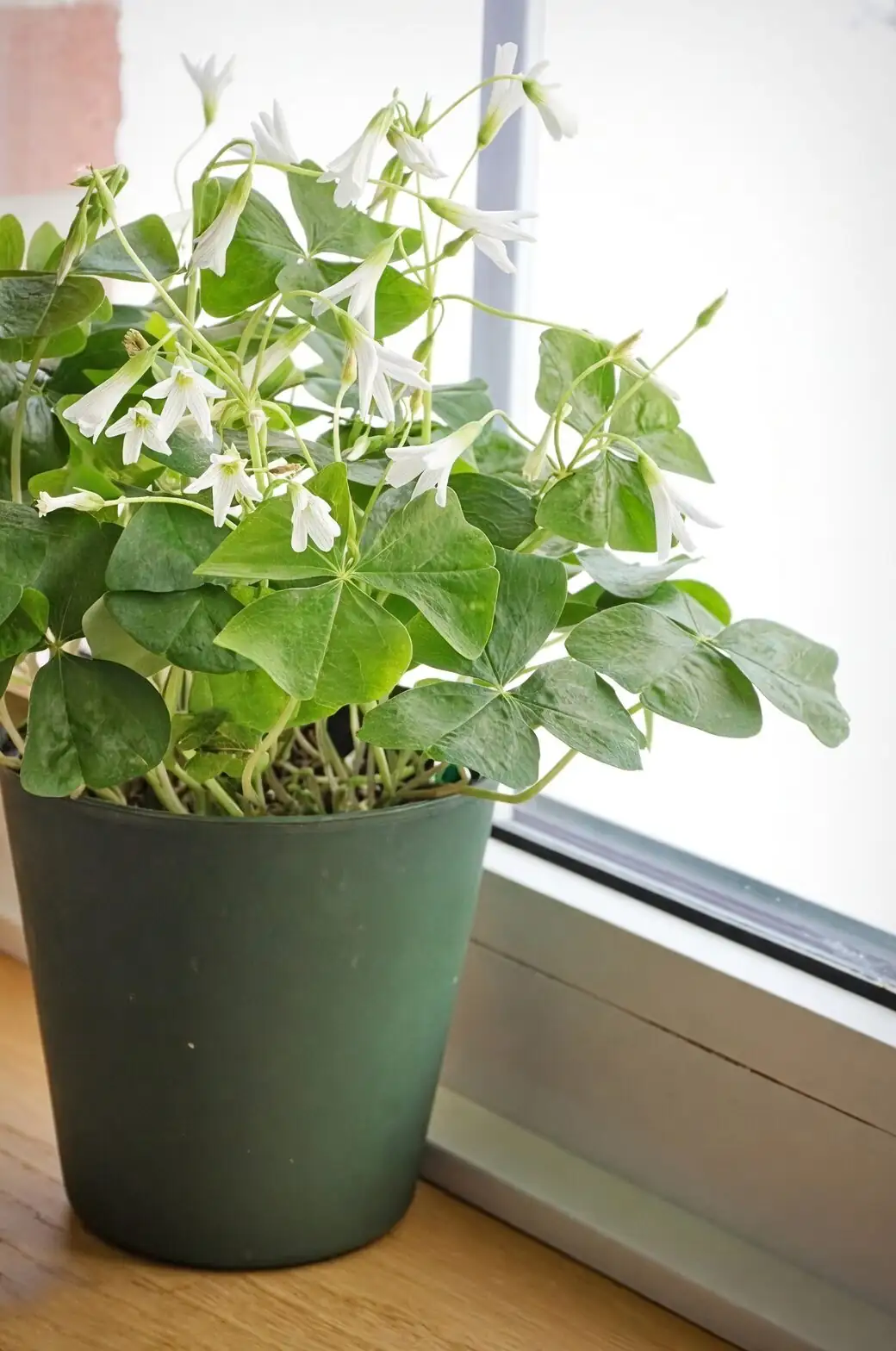
Temperature range: cool-mild fuels bloom
- Sweet spot: 20–28°C (68–82°F) in active growth. Bright, mild conditions from autumn through spring are peak flowering time.
- Avoid hot, very dry heat—blooms stall and leaves flag. Brief dips to about -5°C (23°F) can be tolerated outdoors once established, but protect potted plants from hard freezes.
Airflow: the invisible bloom booster
- Keep air moving. A cracked window, a gentle oscillating fan, or an open balcony keeps foliage dry and deters gray mold.
- Don’t cram pots cheek-to-cheek; leave space around the plant. Good ventilation plus bright light equals fuller clusters of clean, spot-free flowers.
Watering for buds (and spotless petals)
- During active growth, keep the potting mix evenly moist, never soggy. Let the top 1–2 cm (½–¾ in) dry, then water thoroughly and drain the saucer.
- Water at the soil line—or bottom-water—so you don’t splash blooms. Avoid spraying water on open flowers; it causes brown spotting.
- If indoor air is extremely dry, you can lightly mist leaves—but skip the flowers. Pair this with airflow so foliage dries promptly.
Feeding tweaks that flip the bloom switch
- Every 2 weeks in active growth: use a balanced fertilizer at label-dilution (or slightly weaker).
- When you first spot flower stems: give one application a bit higher in phosphorus and potassium to support bloom set.
- Pause all feeding during summer dormancy.
Placement recipes that trigger buds fast
Indoors
- Sunny windowsill with airflow. South or west windows give the strongest light; east works if unobstructed. Rotate the pot weekly for even growth.
- Avoid heat blasts from radiators or very dry, hot vents—these suppress buds. If needed, run a gentle fan nearby to prevent stagnant air.
- Shelf life hack: if a sheer curtain is used, keep the plant within 15–30 cm (6–12 in) of the glass so light stays intense.
Outdoors (mild-winter climates)
- Set on a bright balcony or patio with ample sun and breeze.
- Cape Shamrock can be a seasonal groundcover; in some regions it spreads vigorously and is considered invasive, so keep it in containers if that’s a concern.
- Roughly suited to USDA Zones 9–11 in containers. Protect pots from prolonged hard frosts.
Bloom-ready roots: pot, mix, and planting depth
- Potting mix: free-draining and airy. A peat-based mix amended generously with perlite and a bit of vermiculite keeps roots oxygenated and rot at bay.
- Pot size and planting: a 15–20 cm (6–8 in) wide pot suits a small, blooming clump. Plant 1–3 bulbs per pot, about 2–3 cm (0.8–1.2 in) deep.
- Repot or top up only as needed; slightly snug pots often flower more readily than overly roomy ones.
A 14-day bud-boost game plan
- Day 1
- Reposition to brighter light with airflow.
- Check drainage; refresh the top layer of mix if compacted.
- Water thoroughly (no soggy saucer) and apply a balanced feed.
- Days 3–5
- Maintain bright light. Water at soil line as the top layer dries.
- Remove any yellowing leaves; don’t wet blooms.
- Day 7
- Look for rising flower stems. If present, give one P/K-leaning feed.
- Ensure good spacing and air movement to keep petals pristine.
- Days 10–14
- Stay consistent: bright light, even moisture, gentle breeze.
- Deadhead spent flowers to keep energy flowing to new buds.
Note: If bulbs were newly planted, foliage first, then buds—give them a few weeks. Spring-planted bulbs often flower within the same year.
Troubleshooting “why no buds?”
- Light is too low: move closer to a sunny window or outdoors to brighter exposure.
- Heat stress or very dry air: relocate to cooler, bright conditions; avoid hot vents; add gentle airflow.
- Waterlogging: heavy, constantly wet soil suppresses bloom and invites rot. Improve drainage and water only when the top layer dries.
- Nutrition off-balance: feed every 2 weeks in growth; add one P/K nudge only when stems appear. Overfeeding during dormancy = no.
- Seasonal timing: flowering peaks autumn to spring. In summer dormancy, growth slows—reduce water to slightly moist and wait for cooler weather to resume feeding and bright-light care.
Care calendar at a glance
- Autumn–Spring (active growth and bloom): bright light, even moisture, fertilize every 2 weeks; apply one bloom-supporting P/K feed when stems emerge; remove spent blooms.
- Summer (dormancy): cut watering back to keep soil just slightly moist; stop fertilizing; resume normal care when growth restarts.
Pests, diseases, and flower safety
- Watch for gray mold (Botrytis), leaf spot, and root rot in stagnant, wet conditions. Boost airflow and avoid wetting blooms.
- In hot, dry spells, spider mites can stipple leaves. Increase humidity around the plant (without misting flowers) and treat with insecticidal soap or horticultural oil if needed.
- Always water the soil, not the flowers—this single habit prevents most petal spotting.
Safety and spread
- Toxicity: contains oxalates; mildly to moderately toxic if eaten. Keep bulbs and foliage away from pets and children.
- Invasiveness note: loved in pots and seasonal displays, but in some regions it spreads aggressively outdoors. Grow in containers if you need to keep it contained.
Symbolism: the “lucky” look-alike
Cape Shamrock often borrows the good-luck aura of the Irish shamrock because of its trifoliate leaves. It isn’t the true Irish shamrock, but its cheerful, resilient nature and long flowering season have made it a stand-in for luck and optimism—especially in late winter when bright yellow blooms feel like a promise that spring is close.
With bright light, mild temps, a little breeze, careful watering, and one timely bloom feed, Oxalis pes-caprae responds quickly—often pushing up new flower stems within a couple of weeks of improved care. Keep it sunny, keep it airy, and let those buttercup-yellow trumpets take center stage.