

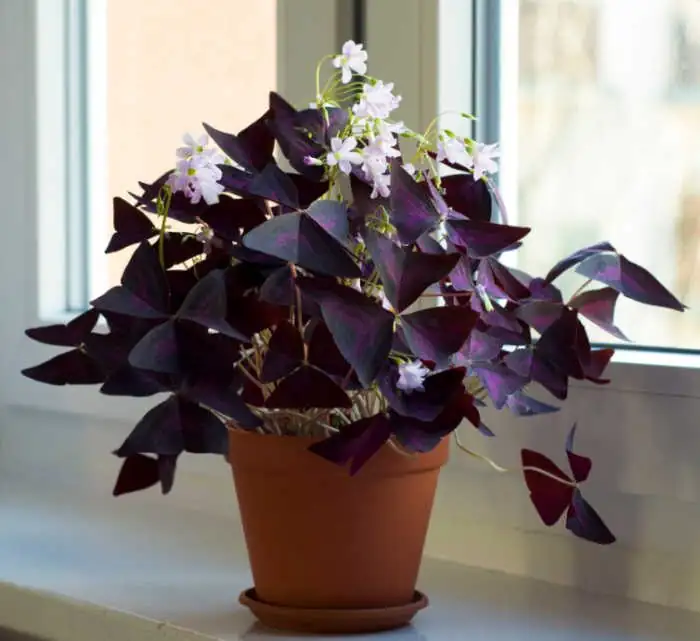
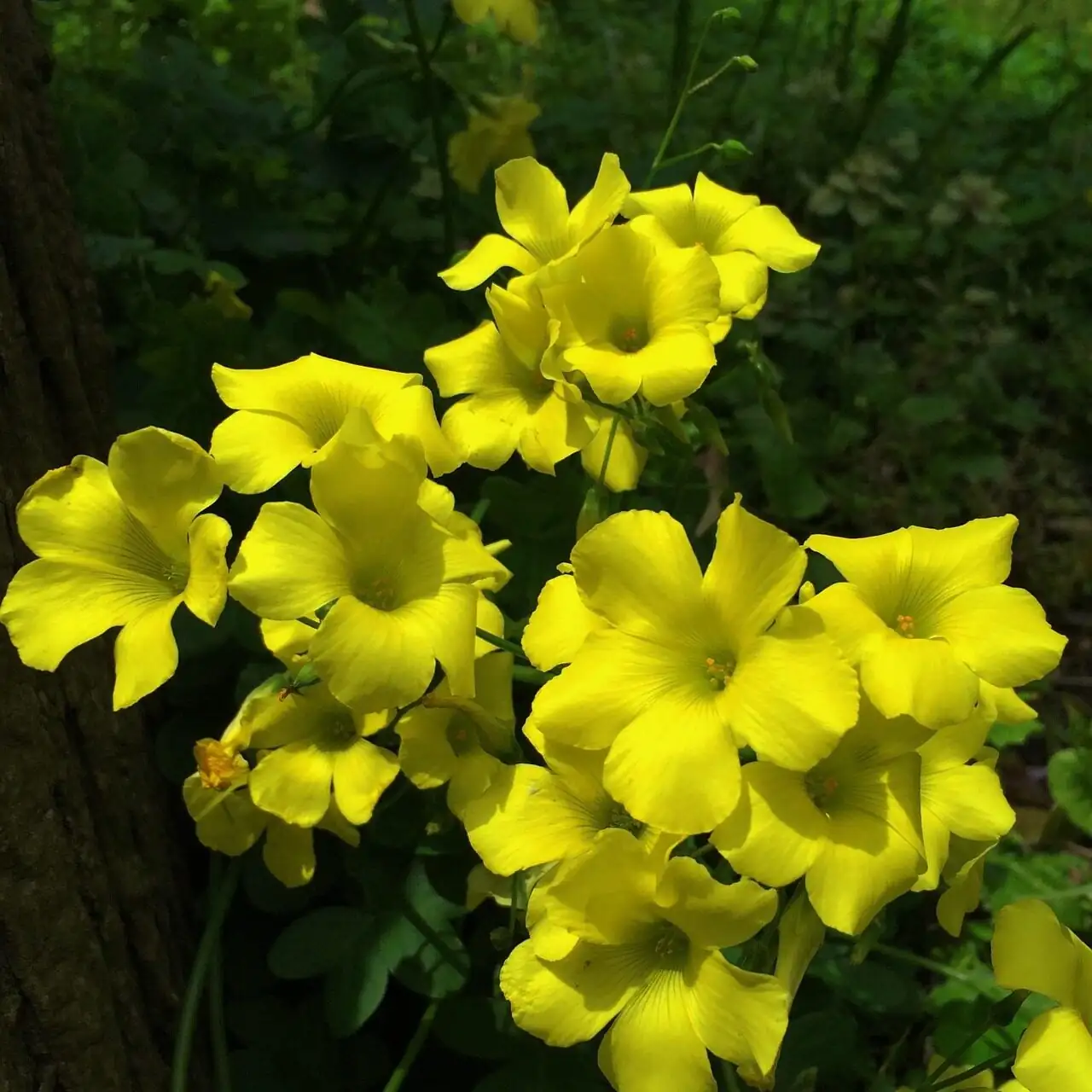
Think winter windows lined with bright, buttercup-yellow confetti—that’s Cape shamrock (Oxalis pes-caprae) at its best. This famously vigorous, bulb-forming oxalis loves containers, where you can dial up the bloom display and keep the growth neat, stylish, and safely contained. Here’s your decor-forward playbook for pot size, placement, and a simple weekly rhythm that coaxes waves of flowers from fall through spring.
Meet the plant
- Name: Cape shamrock (Oxalis pes-caprae), also called Bermuda buttercup, Buttercup oxalis, Soursob
- Look: Fresh, shamrock-like leaves topped by dense clusters of soft, buttercup-yellow blooms
- Size: About 10–30 cm (4–12 in) tall; clumps can widen to 20–60 cm (8–24 in) over time
- Season: Peak show from autumn to spring; summer brings a natural rest
- Personality: Very easy, very vigorous, and invasive in some regions outdoors—another great reason to enjoy it in containers
Containers that control the sprawl—and elevate your decor
Pick the right pot
- Best starter size: 15–20 cm (6–8 in) wide with a drainage hole.
- How many bulbs: 1–3 bulbs per pot fills in quickly without crowding.
- Shape: Low bowls create a lush cushion of leaves and flowers; standard cylinders are crisp and modern—both work.
- Line smart: Place mesh over the drainage hole so tiny offset bulbs can’t escape. Use an inner nursery pot slipped into a decorative cachepot to catch stray soil and keep surfaces clean.
The ideal mix
- Go airy and fast-draining to prevent rot: a peat-based potting mix amended with perlite and vermiculite.
- Top-dress with fine gravel for a polished finish, cleaner leaves, and fewer fungus gnats.
Planting depth and layout
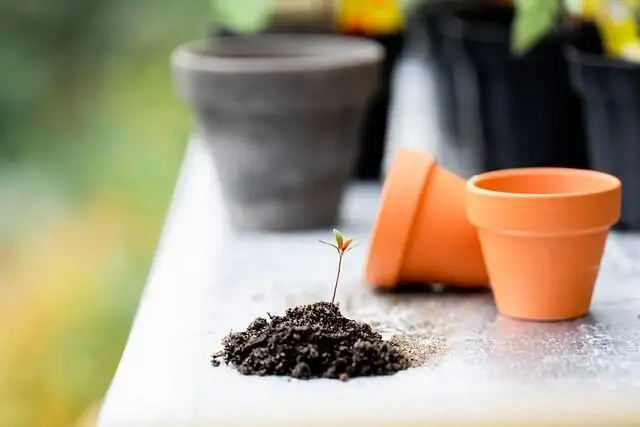
- Depth: Nest bulbs about 2–3 cm (0.8–1.2 in) deep, growth points up.
- Spacing: With 1–3 bulbs per 6–8 in pot, place them in a simple triangle for even fill.
Light like a pro: bright windows and breezy spots
- Indoors: Full sun to very bright light is the bloom booster. A sunny windowsill with good airflow is perfect. East windows give gentle morning sun; south and west windows are excellent in cool seasons. If heat spikes, shift the pot slightly back from glass or diffuse with a sheer curtain.
- Outdoors (mild climates): A sunny balcony or patio is ideal. Protect potted plants from hard freezes; they can handle brief dips to about -5°C (23°F) when established, but not prolonged hard frost in containers.
- Ventilation matters: Flowers are most abundant with strong light and good airflow.

Water, feed, air: the bloom-max trio
- Watering (active season, fall–spring): Keep the mix evenly moist, never soggy. Empty the cachepot/saucer after watering. Water the soil, not the blooms—wet petals can spot brown.
- Feeding: Every 2 weeks with a balanced fertilizer. When flower stems appear, give one application a bit higher in phosphorus and potassium to support the show. No fertilizer during summer dormancy.
- Humidity and airflow: Average indoor humidity is fine. If air is extremely dry, lightly mist the foliage (not the flowers). Ensure airflow to deter gray mold.
The tidy-home, big-bloom weekly routine (10 minutes, fall–spring)
- Moisture check: Water when the top 2–3 cm (about an inch) is dry. Keep evenly moist.
- Rotate: Turn the pot a quarter turn for even growth and balanced blooms.
- Groom: Pinch off spent flowers and remove yellowing leaves to keep the plant photo-ready.
- Feed: If it’s your “fertilizer week,” apply your balanced feed; switch to the bloom-leaning dose once when buds start.
- Air out: Crack a window or run a gentle fan for a few minutes to refresh the air around the plant.
- Inspect: Look under leaves for spider mites (fine stippling/webbing), especially in hot, dry spells. Treat promptly with insecticidal soap/horticultural oil or a suitable miticide, per label.
Summer slowdown: graceful dormancy care
- When foliage naturally wanes in early summer, reduce watering—keep the mix only slightly moist. Stop fertilizing.
- Keep the pot in bright light with good air circulation; avoid hot, very dry conditions.
- Resist the urge to overwater “to wake it up.” Let it rest; new growth will return with cooler seasons.
Keep it contained—and classy
- Thin and repot in early fall: Refresh the mix and replant only 1–3 bulbs per 6–8 in pot for neat, airy clumps. Share extras with friends, or seal and dispose responsibly—don’t compost in regions where it’s invasive.
- Mesh over drainage holes and double-potting help prevent escapee bulblets.
- Prefer multiple coordinated pots over overstuffing one container; you’ll get a fuller tablescape with better airflow and fewer disease issues.
Pruning, repotting, and propagation
- Pruning: Regularly remove spent blooms and any yellowing leaves to keep the display crisp.
- Repotting: Refresh soil in fall or when growth resumes; stick to a 15–20 cm (6–8 in) pot for a compact, controllable footprint.
- Propagation by bulbs:
- Offsets: Detach the small bulbs around the mother bulb; plant offsets about 4–5 cm (1.6–2.0 in) deep.
- Bulb sections: If cutting, ensure each piece has at least one growth point and plant 2–3 cm (0.8–1.2 in) deep.
- Expect new leaves in roughly a month; spring-potted bulbs often flower within the same year.
Troubleshooting at a glance
- Lots of leaves, few flowers: Increase light and airflow. This plant blooms best in strong light.
- Petal spotting: Avoid splashing flowers—water at soil level.
- Mushy bulbs or a musty smell: The mix is staying too wet. Repot into a freer-draining blend and reduce watering.
- Gray fuzz on leaves or flowers (Botrytis): Improve ventilation, remove affected parts, avoid wetting blooms.
- Hot, dry slump or stippled leaves: Likely spider mites—raise humidity around the plant and treat as needed.
Safety, symbolism, and a dash of history
- Safety first: Contains oxalates; mildly to moderately toxic if eaten (especially for pets). Keep bulbs and foliage away from cats, dogs, and curious kids.
- “Lucky” looks: Its shamrock-like leaves have long linked oxalis with good fortune, even though it isn’t the true Irish shamrock. That association makes a cheerful gift for new homes and workspaces.
- Origins: Native to Southern Africa (notably the Cape region) and widely naturalized elsewhere; in some places it’s invasive—yet another reason container culture shines.
Styling ideas that work
- Minimalist spotlight: A single matte-white bowl on a wood console turns the yellow blooms into a luminous focal point.
- Windowsill ribbon: Line up three identical 6–8 in pots for a continuous band of color from fall to spring.
- Contrast play: Pair the vivid blooms with charcoal or deep-green ceramic for gallery-worthy depth.
- Mixed-but-contained vignette: Cluster separate pots—think Cape shamrock beside other cool-season, sun-loving container stars—so each plant keeps its preferred soil and space while the grouping reads as one curated scene.
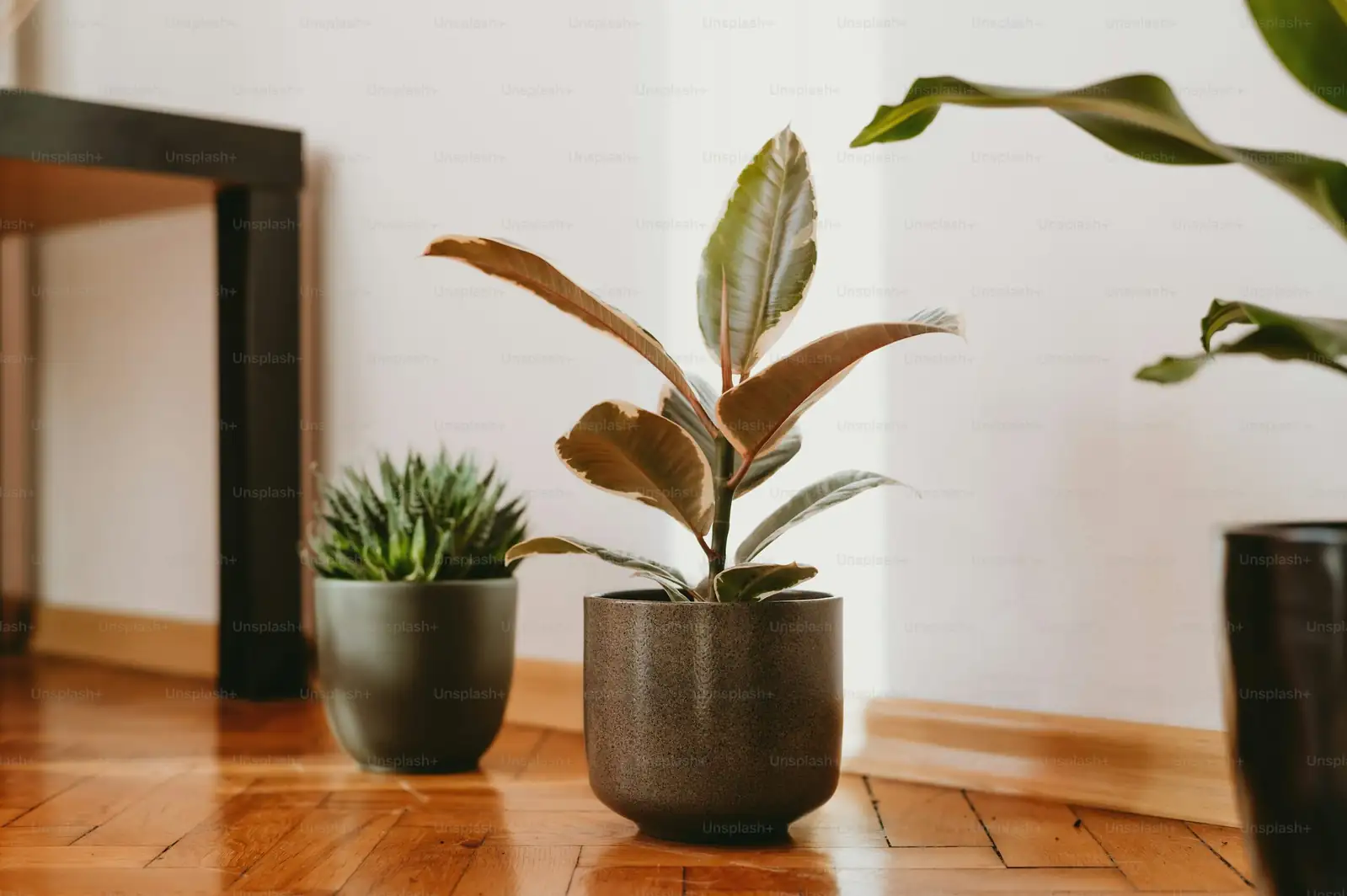
Quick recap: Bright light, even moisture, an airy mix, and a breezy spot make Cape shamrock pour on the flowers. Keep to smaller, well-drained pots (1–3 bulbs each), groom weekly, and enjoy a seamless, neatly contained display that lights up your windows all season long.