

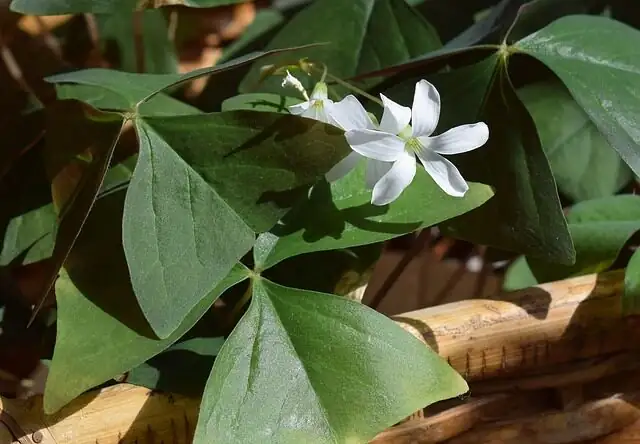
If you’ve ever wanted a houseplant that puts on a nightly magic show, meets-and-greets the morning sun, and multiplies like a conjurer’s scarf trick, say hello to Cape Shamrock (Oxalis pes-caprae). This buttercup-yellow oxalis is a small plant with big personality—part clock, part kaleidoscope, all charm.
Meet Cape Shamrock (Oxalis pes-caprae)
- Also known as Bermuda Buttercup, Buttercup Oxalis, and Soursob
- Native to Southern Africa (especially the Cape region of South Africa)
- Compact, bulb-forming perennial: typically 10–30 cm tall, spreading over time to 20–60 cm wide
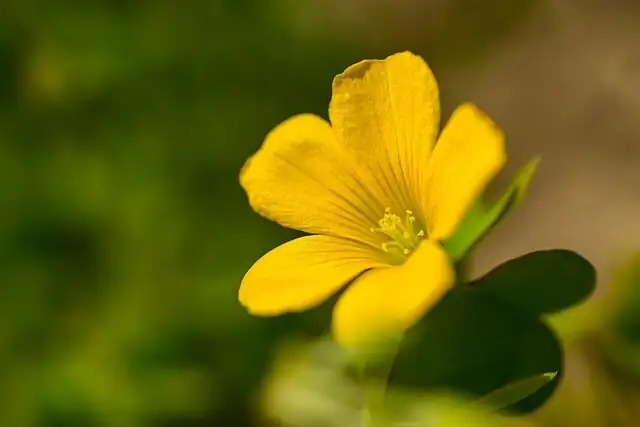
- Signature look: bright green, shamrock-like leaves topped with buttery yellow, funnel-shaped blooms from autumn to spring
- Grows into tight clumps—perfect in pots or as a seasonal groundcover in mild climates (but note: it can be invasive in some regions)
The Nightly Origami: Nyctinasty
Oxalis leaves are natural timekeepers. Each evening, the trifoliate leaflets fold together like little green umbrellas—then stretch open again with the morning light. That rhythmic fold-and-unfold is called nyctinasty.
How to watch the show:
- Park your pot on a bright windowsill by day; leave it in the same spot as evening falls.
- Snap a photo at dusk, midnight, and dawn. You’ll have a flipbook of leaf choreography.
- On overcast days, you might catch “early bedtime” as leaves respond to lower light.
Why it happens:
- Folding reduces heat loss and moisture stress at night and low light. Think of it as the plant’s pajama routine.
Daylight Drama: Flowers that Play Peekaboo
Cape Shamrock’s blooms are unabashed sun-chasers:
- In bright light and good airflow, clusters of soft yellow flowers lift and flare open.
- In low light, deep shade, or rainy weather, they close like tiny parasols.
- Avoid misting or spraying the open blooms—water spotting can mar those silky petals.

Prime conditions for the best bloom display:
- Full sun to very bright light (outdoors or a luminous window)
- Mild warmth around 20–28°C (68–82°F)
- Good ventilation around the foliage and flowers
The Great Bulb Bonanza
This species is famously vigorous because it’s a multiplication machine underground. Each bulb can produce offsets, and even small bulb pieces with a visible “eye” can sprout. Over time, the clump densifies into a cheerful carpet of shamrocks and yellow trumpets.

Secret subterranean antics:
- Many bulbs, many growth points: more potential shoots, faster clumping.
- Contractile roots tug bulbs a bit deeper over time, settling the plant into its preferred depth.
- In some regions, this zeal makes it invasive—keep it to containers or manage carefully in beds.
Propagation for the Curious (and Impatient)
- Easiest: detach the offset bulbs and pot individually.
- Plant offsets about 4–5 cm deep; sections of a bulb (each with at least one “eye”) at about 2–3 cm.
- New leaves often pop in roughly a month.
- Spring-planted bulbs commonly flower within the year.
- For a small display, a 15–20 cm wide pot with 1–3 bulbs is perfect.
Bloom Triggers Cheat-Sheet
- Light: more light = more flowers. Deep shade = foliage with few (or no) blooms.
- Airflow: keeps petals pristine and discourages gray mold.
- Temperature: happiest around 20–28°C; protect potted plants from hard freezes. Brief dips to about -5°C are tolerable for established plants in the ground.
- Water: evenly moist during active growth; never soggy. In summer dormancy, scale back to just slightly moist.
- Feeding: every 2 weeks in the growing season with a balanced fertilizer; when flower stems appear, one extra feed leaning a bit higher in phosphorus and potassium supports the show. Pause feeding during dormancy.
A Behaviorist’s Care Guide
- Sun and placement:
- Indoors: a bright windowsill with good airflow.
- Outdoors: a sunny balcony, patio, or mild-climate bed/planter.
- Soil: free-draining, airy mix (think peat-based with perlite and vermiculite). Drainage is your rot insurance.
- Watering: steady moisture while it’s leafy and flowering; back off in summer dormancy.
- Humidity: average home humidity is fine; if extremely dry, lightly mist leaves—but keep spray off open flowers.
- Grooming: remove yellowing leaves; pinch spent blooms for tidiness.
- Hardiness: roughly USDA Zone 9–11 (exposure and winter wetness matter). Shelter pots from hard frost.
Pests, Diseases, and What the Plant Is Telling You
- Soggy soil → root rot risk. Solution: improve drainage; water only when the mix’s top layer begins to dry.
- Stale, humid air + wet petals → gray mold (Botrytis). Solution: don’t wet open blooms; increase airflow.
- Hot, very dry conditions → spider mites (stippling, webbing, leaf drop). Solution: raise ambient humidity around the plant; use insecticidal soap/horticultural oil or a suitable miticide as directed.
Floral Quirk: A Hidden Puzzle Inside the Blossoms
Botany buffs, take note: Oxalis pes-caprae is known for heterostyly, which means flowers come in different “styles-and-stamen” arrangements that discourage self-pollination and promote cross-pollination. It’s a quiet, clever strategy—less visible than nyctinasty, but no less ingenious.

Good-Luck Leaves, With a Wink
Because the leaves resemble a shamrock, Cape Shamrock is often roped into “good luck” symbolism. True Irish shamrocks are different species, but the idea stuck: three heart-shaped leaflets suggest unity, rebirth, and cheerful resilience. In other words, it’s less about strict botany and more about the joy it brings—particularly when it folds itself to sleep and reopens like a daily reset.
Safety Snapshot
- Contains oxalates; mildly to moderately toxic if ingested.
- Keep away from pets (cats, dogs) and children. Possible symptoms: drooling, vomiting, stomach upset.
- Handle bulbs and foliage with care, and avoid nibbling.
Quick Buying & Placement Tips
- Choosing plants: look for rich green foliage that fills the pot, with plenty of buds (bonus if 2–3 flowers are open). Avoid pest or disease signs.
- Choosing bulbs: firm, plump, clean, with visible “eyes”; avoid soft spots or blemishes. A circumference around 3–4 cm or more is a solid target.
- After purchase: give it very bright light, steady moisture (not soggy), and airflow. If indoor air is arid, lightly mist leaves—but never open flowers.
Five Ultra-Watchable Micro-Moments
- Evening tuck-in: leaflets fold neatly at dusk—set your phone for a sunset time-lapse.
- Morning wake-up: blooms lift and unfurl as light intensifies.
- Cloudy-day curfew: flowers partially close when the sky turns gray.
- Pot pivot: rotate the pot 180 degrees—watch leaves and blooms reorient toward light in a day or two.
- Offset surprise: gently scrape the soil surface at repotting time to spot the marble-like bulbs multiplying below.
A Seasonal Rhythm You Can Set Your Calendar By
- Autumn to spring: peak growth and flowering—keep evenly moist, feed every two weeks, groom spent blooms.
- When buds appear: give one phosphorus/potassium-leaning feed for extra floral power.
- Summer: dormancy—reduce watering to keep the mix only slightly moist; pause fertilizing.
Cape Shamrock is a plant you don’t just grow—you watch it, like a favorite short film on loop. It folds, unfurls, shimmers, and multiplies, turning an ordinary windowsill into a tiny theater of botanical behavior. Pull up a chair; the show starts every evening.