

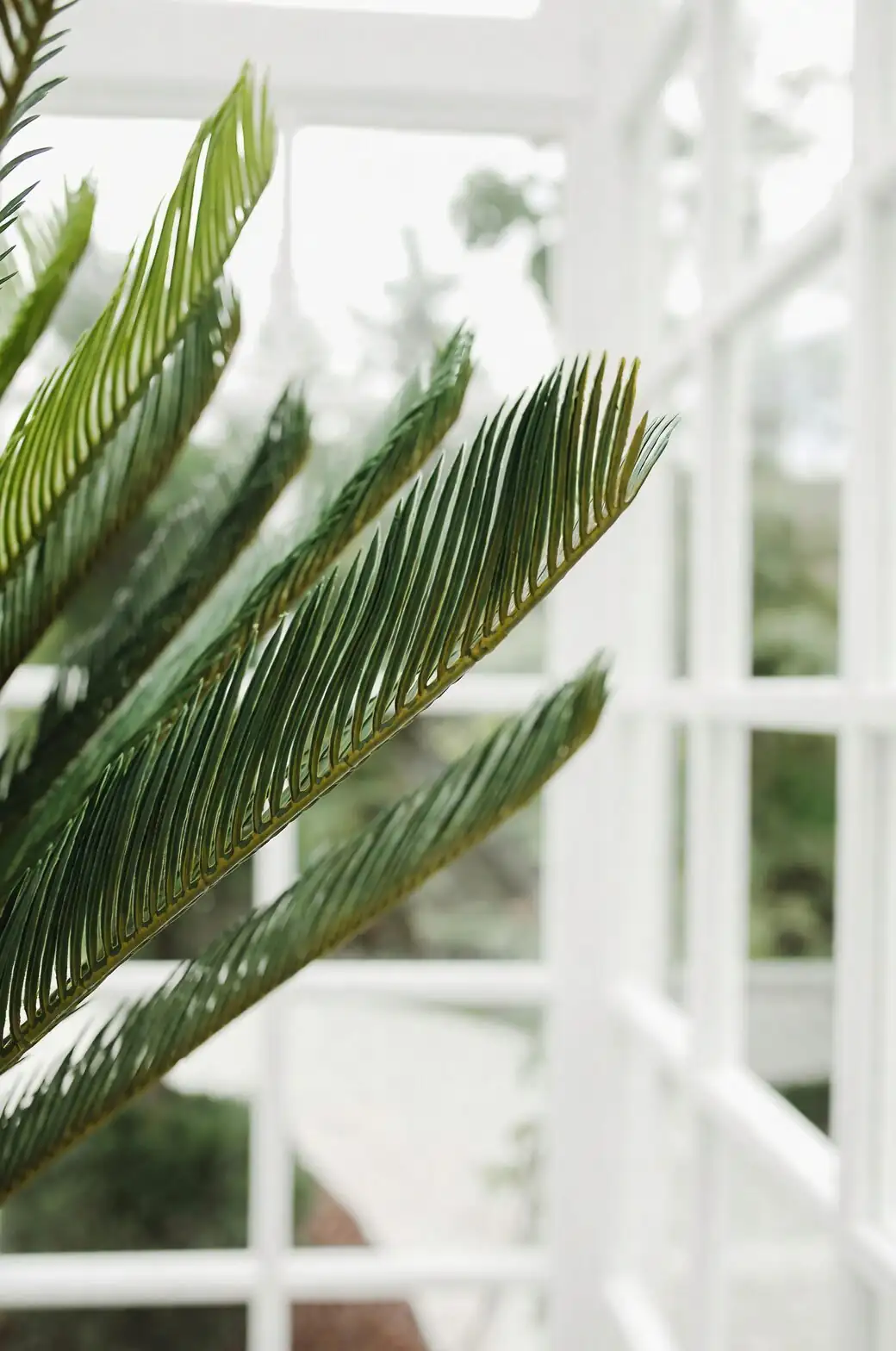
Think of Cycas revoluta (the sago palm) as a living fossil with a slow, steady heartbeat. It doesn’t ask for much, but it does insist you do the right things at the right time. Here’s a crisp, month‑by‑month playbook so watering, feeding, repotting, pest patrols, and overwintering never fall through the cracks.
At‑a‑glance essentials
- Light: Bright light to full sun with acclimation; tolerates shade and lower indoor light. Keep especially bright during new frond flush to prevent stretching.
- Temperature: Best at 13–27°C (55–81°F). Keep above 7–10°C (45–50°F) in winter; heat up to ~40°C (104°F) is fine if soil drains fast.
- Watering style: Let the top of the mix dry before watering. Never let the pot sit in water. Drier in winter.
- Soil: Fertile but sharply draining—think loam + peat/coir with added sand/grit. A “drainage layer” won’t fix heavy soil.
- Potting: Slightly shallow, wide pot with excellent drainage.
- Toxicity: All parts poisonous (seeds especially). Keep away from pets and children.
Month‑by‑month action plan
January
- Watering: Very light. Check soil every 2–3 weeks; water only when the top 2–3 cm (about 1 in) is dry. Cold + wet = rot risk.
- Feeding: None.
- Placement: Brightest indoor window with airflow; avoid cold drafts. Keep above 7–10°C (45–50°F).
- Pest check: Inspect leaf undersides and the trunk (caudex) for scale; wipe and treat with horticultural oil or insecticidal soap if found.
- Grooming: Dust fronds to keep pores clear.
February
- Watering: Still conservative; never let the pot stand in a saucer of water.
- Feeding: None.
- Prep: Assess whether a spring repot is due (small/medium plants every 2–3 years; large every 5–6 years).
- Pest check: Repeat scale inspection; improve ventilation if you see recurring issues.
March
- Watering: Slightly increase as days lengthen, but let the top dry between waterings.
- Feeding: If temps rise consistently above ~13°C (55°F), start monthly feeding with a balanced fertilizer at a conservative dose.
- Repotting: Prime time begins. Refresh into a fast‑draining mix; avoid overpotting.
- Propagation: During repotting, you can separate well‑formed offsets (pups). Let cuts callus, then pot in a 50/50 sand‑and‑soil mix; keep in bright shade.
April
- Watering: More regular now; still allow the top to dry first.
- Feeding: Monthly.
- Light: Increase light and airflow; begin gradual outdoor acclimation after frost if you’ll summer it outside.
- Pest check: Weekly quick scans while growth ramps up.
- Grooming: Remove only fully yellowed outer fronds; wait to prune until any new flush has fully hardened.
May
- Watering: Steady rhythm; never soggy.
- Feeding: Monthly.
- Propagation: Late spring is ideal to sow seeds indoors at 15–29°C (59–84°F), covering with ~2 cm (0.8 in) of mix.
- Placement: Outdoor move (zones ~9–11 or summering outdoors in containers) with gradual sun acclimation to prevent scorch.
- Pest check: Scale hotspots often appear on sheltered, still leaves—keep air moving.
June
- Watering: Peak growth; water thoroughly, then let the top dry.
- Feeding: Monthly.
- Light & flush care: New fronds often flush now—keep bright, don’t rotate or jostle the plant until leaves harden to avoid misshapen growth.
- Propagation: Early summer suits trunk‑section experiments; maintain high humidity over moist sand.
- Cones: If a cone appears (male or female), enjoy the show; don’t feed heavily just for the cone.
July
- Watering: Consistent; in heat waves the plant tolerates up to ~40°C (104°F) if the mix drains fast. Morning watering is safest. Never waterlog.
- Feeding: Monthly.
- Humidity: In warm indoor conditions (>18°C / 64°F), light misting is fine; keep air moving.
- Pest check: Heat and dryness can invite scale—wipe and treat promptly.
August
- Watering: Continue the soak‑then‑dry‑top cycle.
- Feeding: Monthly (last full feed of the season in many climates).
- Light: Maintain strong light; provide light afternoon shade outdoors if leaves were not fully acclimated.
- Cones: Remove a finished male cone; leave female structures until seeds mature, then remove to redirect energy to leaves.
September
- Watering: Begin tapering as nights cool; extend the dry‑down interval.
- Feeding: If you fed in August, a light final feed early this month is optional; then stop.
- Placement: Plan the indoor return before nights dip near 10°C (50°F).
- Pest check: Inspect thoroughly before bringing indoors; treat proactively.
October
- Watering: Switch to the winter mode—sparingly, letting the top dry well.
- Feeding: None.
- Overwintering: Move indoors to a bright window with airflow; keep above 7–10°C (45–50°F). Avoid dark corners and cold, damp rooms.
- Grooming: Remove only clearly spent outer fronds.
November
- Watering: Minimal; err dry rather than wet.
- Feeding: None.
- Health check: Feel the caudex—firm is good. Soft spots suggest rot; withhold water, improve drainage, and reassess soil.
- Pest check: Monthly oil/soap treatments as needed; scale can flare in heated, dry rooms.
December
- Watering: Light but deliberate. No standing water in saucers.
- Feeding: None.
- Light: Keep it as bright as possible; this reduces winter etiolation and spring stretch.
- Safety: Remind household members that all parts—especially seeds—are toxic to pets and people.
Seasonal pivots explained
- Spring–summer (active growth): More water (with drying between), monthly feeding, higher humidity, bright light and airflow. Best time to repot and divide offsets; sow seed late spring to early summer.
- Autumn: Taper water, end feeding, and bring containers indoors before real chill. Brighten light as daylength drops.
- Winter: Brightest spot + drier mix. Cold + wet is the classic path to root/crown rot—avoid both.
Repotting, soil, and pots (how to set it up for success)
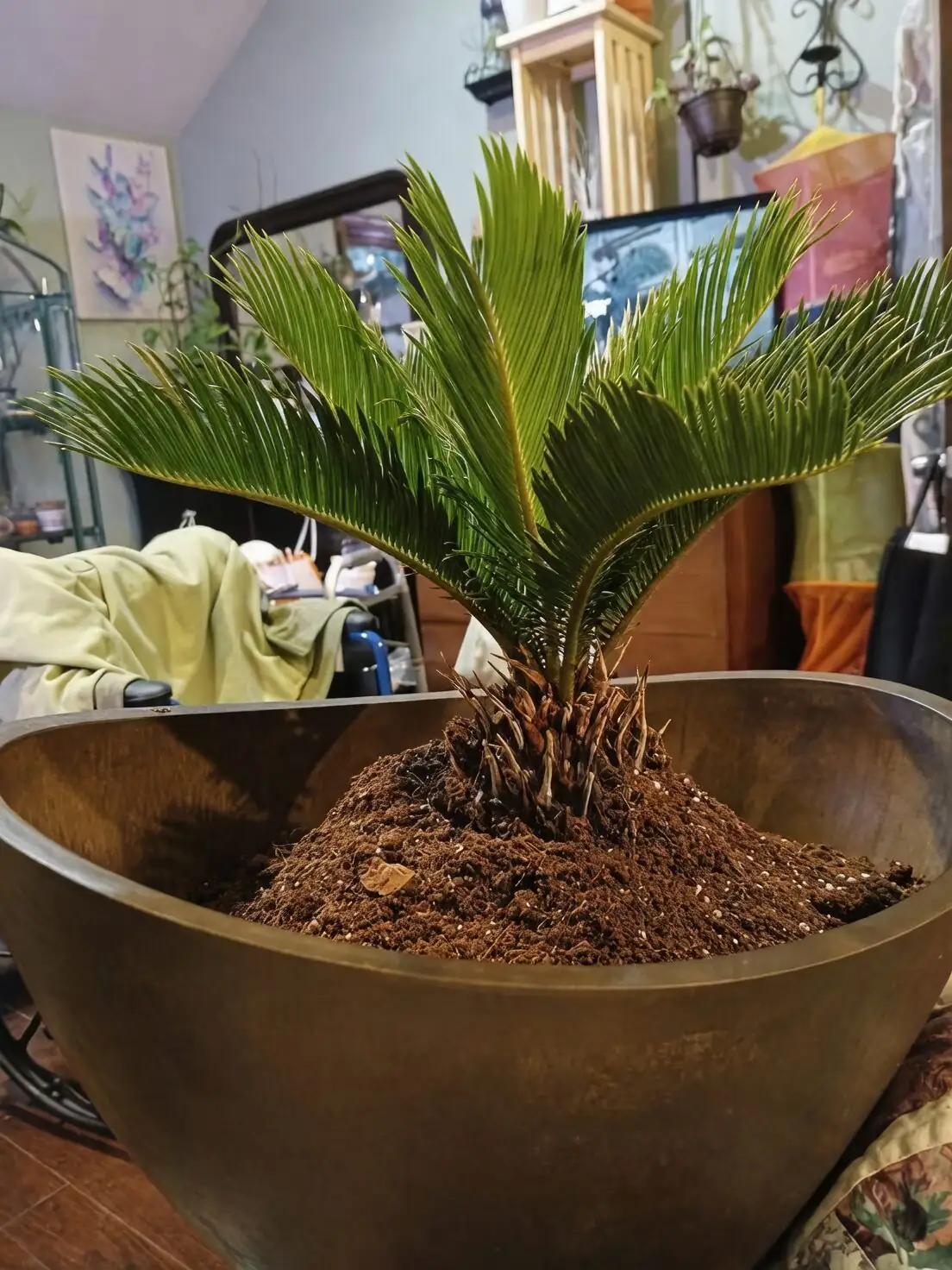
- Mix: Fertile but fast-draining. Try 40% loam or high‑quality potting soil + 30% peat/coir + 30% coarse sand/pumice/grit. The goal is true drainage throughout the root zone.
- Pot: Slightly shallow, wide pot (15–50 cm / 6–20 in across, matched to plant size) with generous drainage holes. Avoid overpotting; slow roots dislike extra wet substrate.
- Schedule: Small/medium plants every 2–3 years; large ones every 5–6. Spring to early summer is ideal.
Watering cues you can trust
- Time your watering to the soil, not the calendar—wait for the top layer to dry.
- Overwatering signs: Mushy or discolored caudex, persistent wet soil, sour smell. Act fast: unpot, trim rot, switch to sharper drainage, keep warmer and drier.
- Underwatering signs: Leaflets may curl inward and feel crispy; soil pulls from pot edges.
Light, fronds, and that “flush”
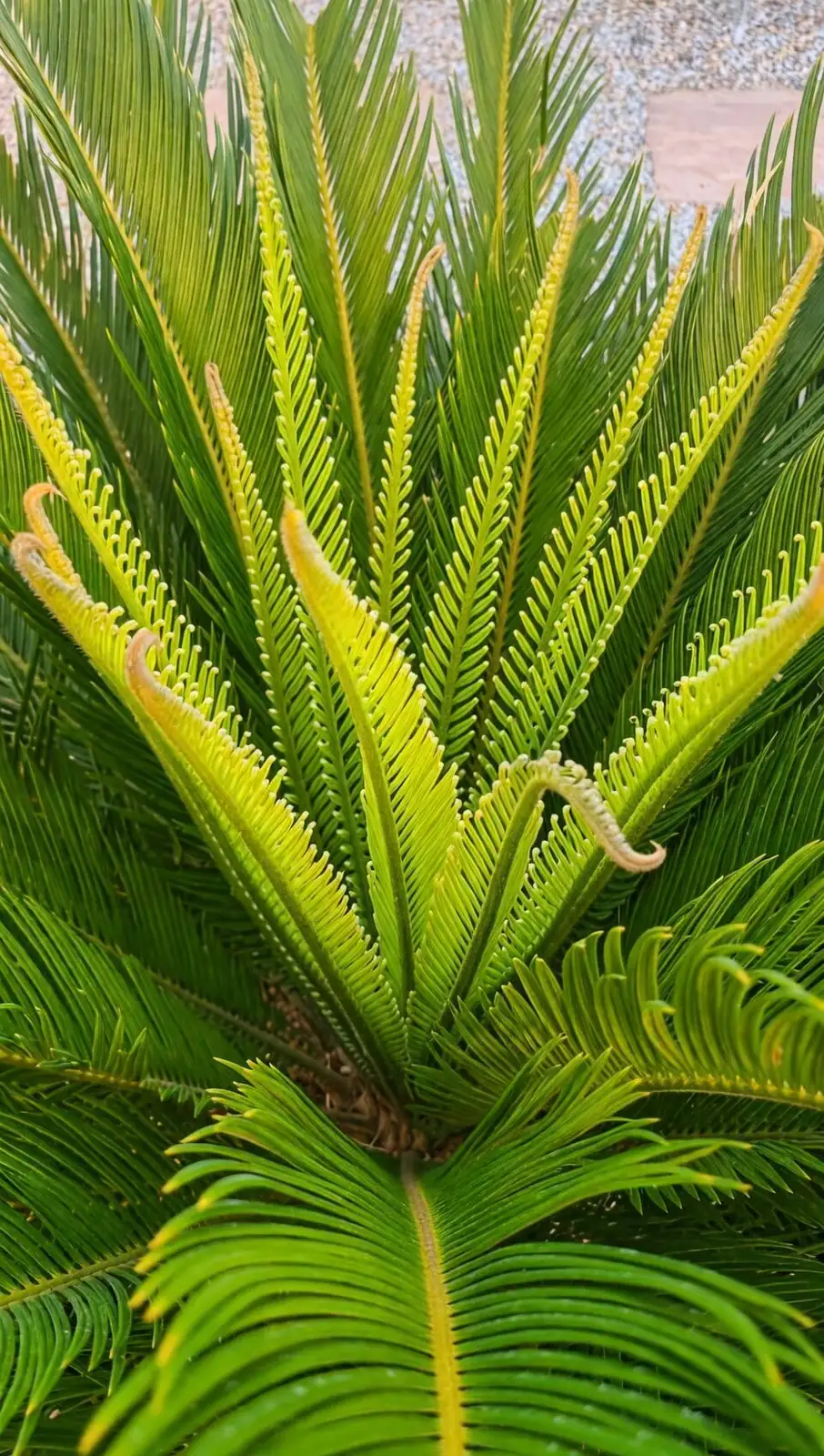
- New fronds often emerge as a circular crown in late spring or summer. During the flush, keep light bright and avoid moving or rotating the pot; young fronds set their geometry quickly and can distort if disturbed.
- Low light during emergence can stretch fronds—longer, narrower, and less tidy.
Pests and simple responses

- Usual suspect: Scale insects, especially indoors with stagnant air.
- Tactics:
- Improve airflow and light.
- Physically wipe pests away.
- Treat with horticultural oil or insecticidal soap; repeat as needed to break the life cycle.
Outdoors vs. indoors
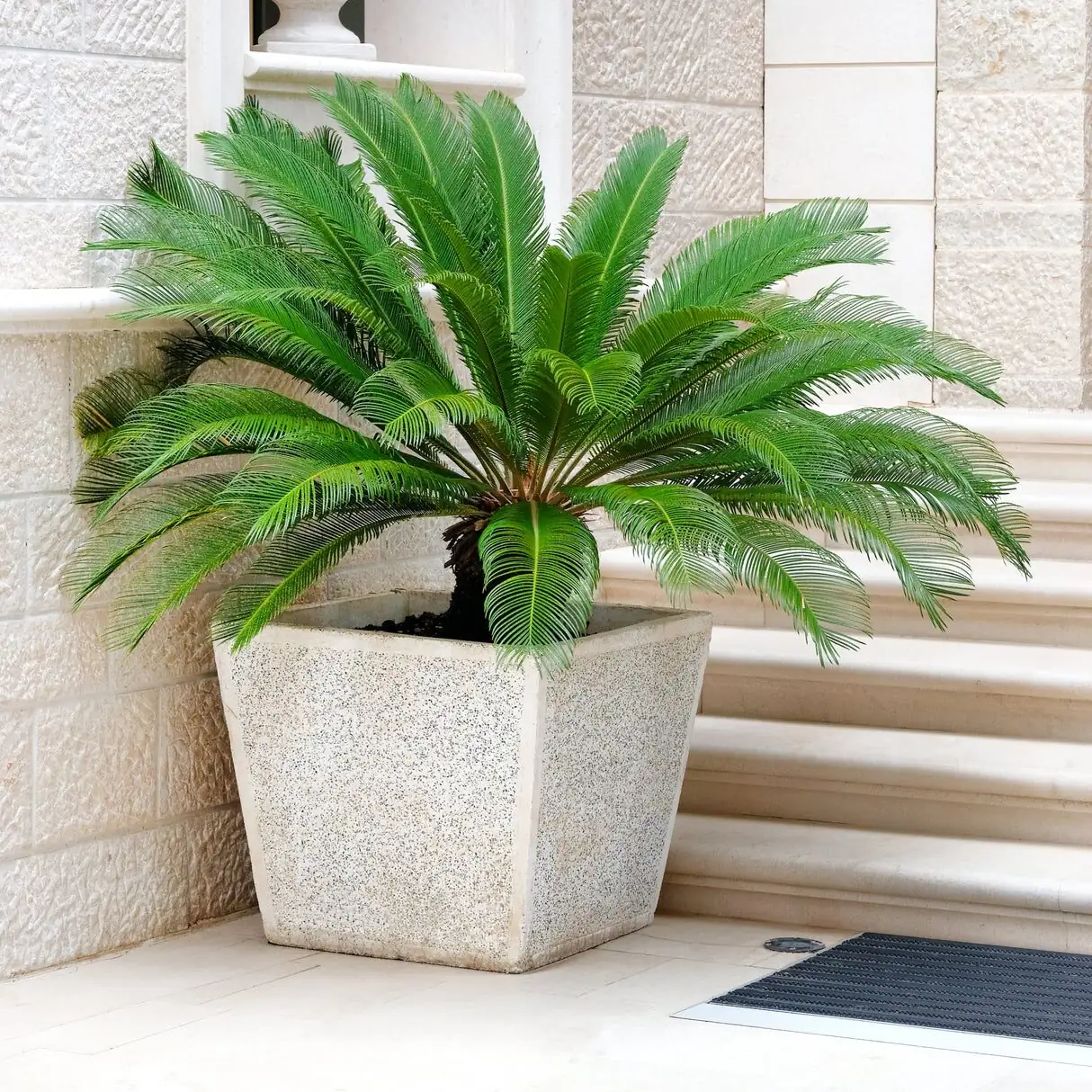
- Outdoors year‑round mainly in warm climates (about USDA Zone 9–11). Elsewhere, treat as a container plant: summer outside if you like, then overwinter indoors above 7–10°C (45–50°F).
- Acclimate gradually to stronger sun; this cycad can handle brief strong sun once adapted.
Special note for “bald” caudex purchases
- Pot into very fast‑draining medium (even clean coarse sand) to re‑root. Bright light, good airflow, light misting for humidity—but avoid soaking the medium. Begin gentle feeding only after new roots and fronds appear.
Safety first
- Highly toxic if ingested by humans or pets; seeds are especially dangerous. Position responsibly.
Symbolism (花语) and meaning
- Often associated with good fortune, freedom, happiness, and longevity—fitting for a plant that can outlive generations. The symbolism likely stems from East Asian garden culture, where its enduring, architectural form and extremely long life made it a living emblem of steadiness and prosperity. Unlike cut flowers, its “language” is about time: patience rewarded, strength without hurry.
With this month‑by‑month checklist and a focus on sharp drainage, bright light, and restrained winter watering, your sago palm will repay you with decades of calm, prehistoric poise.