

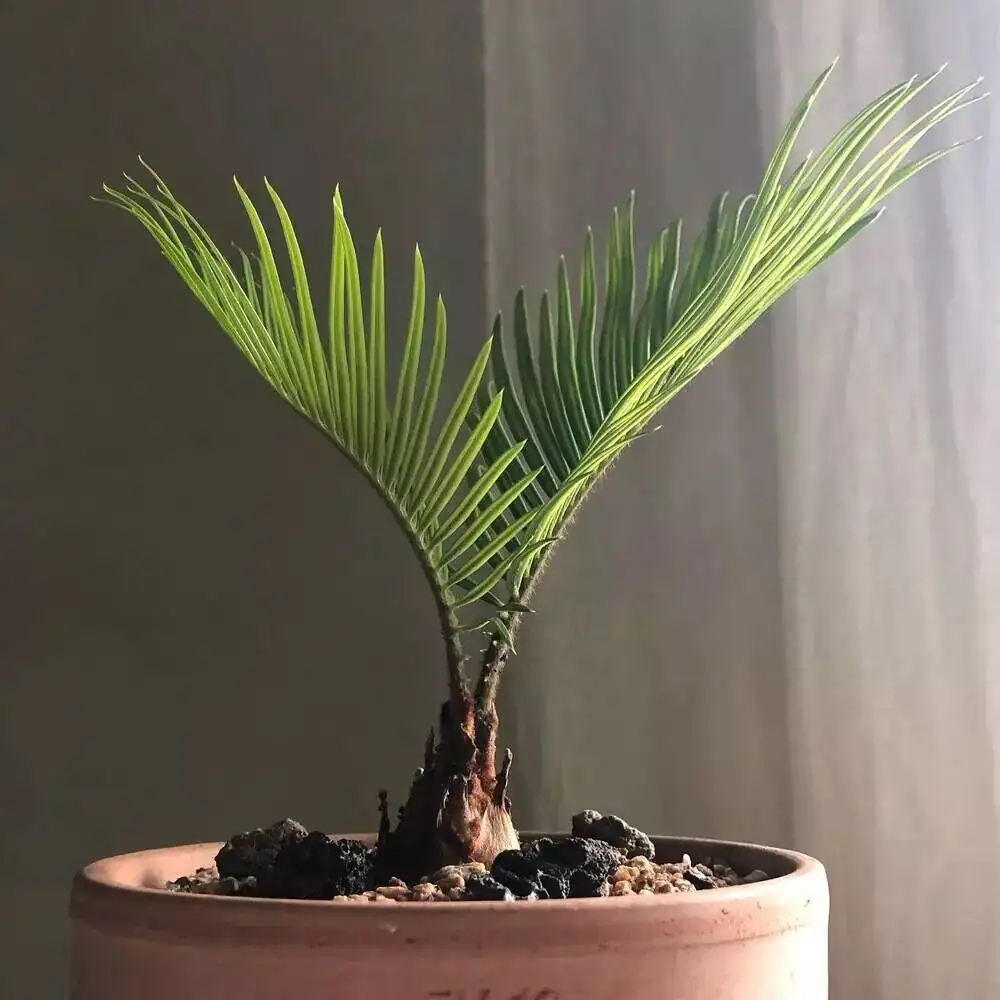
It’s easy to fall for the “mini sago palm”: that tidy rosette of glossy fronds, the sculptural trunk, the ancient, almost prehistoric charm. But Cycas revoluta—often sold as Sago Palm—isn’t a true palm, and it carries a very real risk you should know about before deciding where it belongs in your home or yard.
Meet Cycas revoluta: beautiful, ancient—and risky
- Not a palm: It’s a cycad, an ancient lineage of seed plants. Expect a slow, steady rhythm—new fronds (“flushes”) appear occasionally, and the sturdy caudex (trunk) thickens over time.
- Form and growth: Upright and compact, with stiff, feather-like fronds. It grows slowly and can live for decades with good care.
- Light and climate: Adaptable from bright light to full sun, and tolerant of shade indoors. Best growth occurs around 13–27°C (55–81°F). Not frost-hardy; extended cold plus wet soil is a recipe for rot.
- A note on reproduction: It’s dioecious—male and female cones appear on separate plants, usually in summer.
Safety headline: All parts are poisonous if ingested by people or pets, and the seeds are especially dangerous. If you share your space with children or animals, make your placement (or plant choice) with that in mind.
The toxicity risk—clear facts you can act on
- What’s toxic: Every part of the plant; seeds (often called “nuts”) carry the highest risk.
- Who’s at risk: Dogs and cats are particularly vulnerable, but ingestion is unsafe for humans too.
- What can happen:
- Early (minutes to hours): vomiting, diarrhea, drooling, abdominal pain, lethargy.
- Later (48–72 hours and beyond in pets): rising liver enzymes, jaundice, dark urine, clotting problems, tremors or seizures. Without urgent care, poisoning can be fatal.
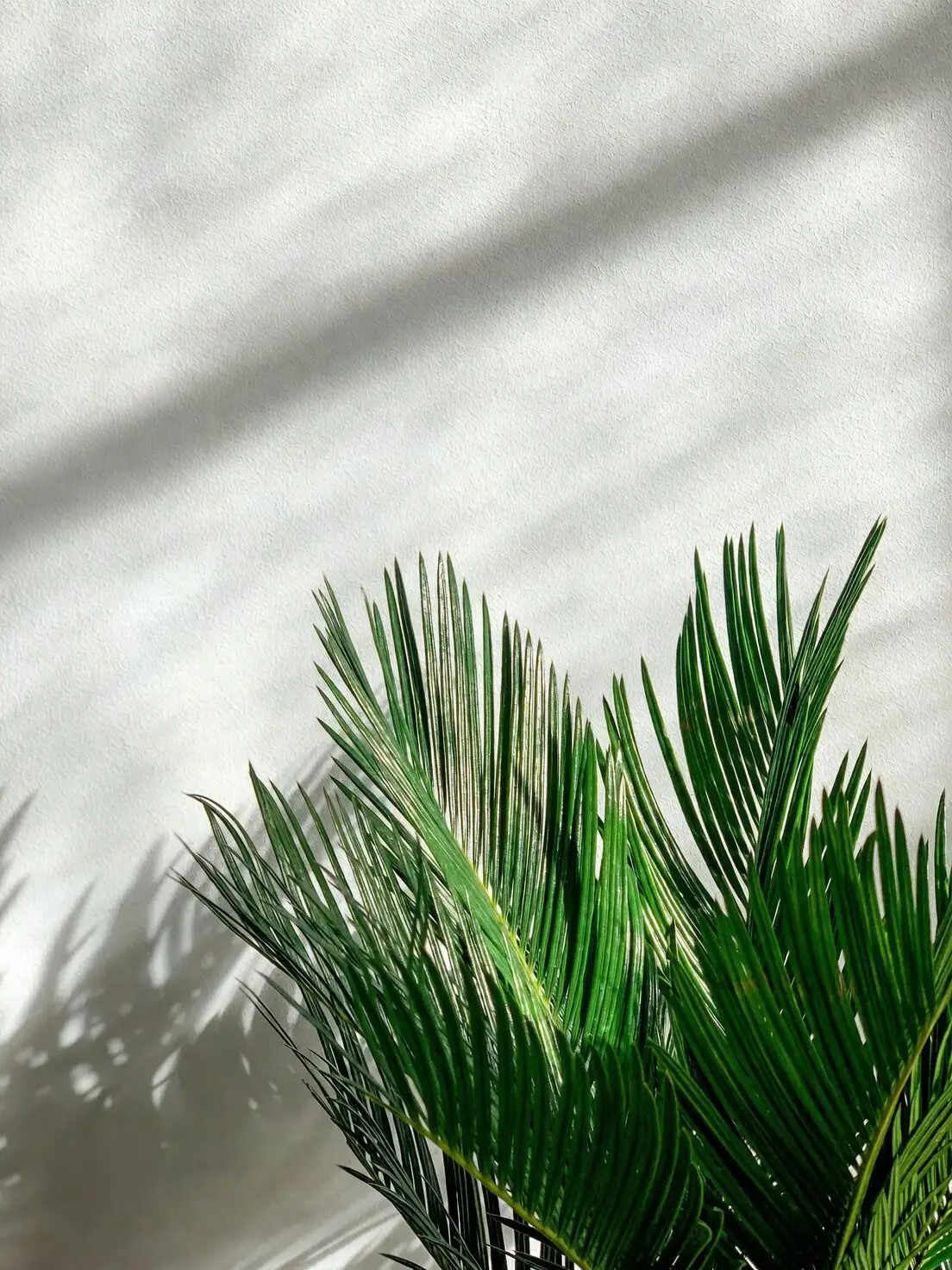
Compassionate take: No ornament is worth a medical emergency. If there’s any chance of chewing, mouthing, or curious toddlers’ hands, choose a safer plant.
Where to place it if you choose to keep it
If you decide to keep Cycas revoluta, treat placement like a safety device.
- Safest choices
- Behind barriers: a closed home office, sunroom, or greenhouse with a door that latches.
- Out of reach: very high shelves or plant ledges in bright windows, well away from furniture pets or kids can climb.
- Outdoors only where access is controlled: a fenced patio or balcony in warm seasons, with zero access for pets and children. Remember: seed drop can happen—never place it over play areas.
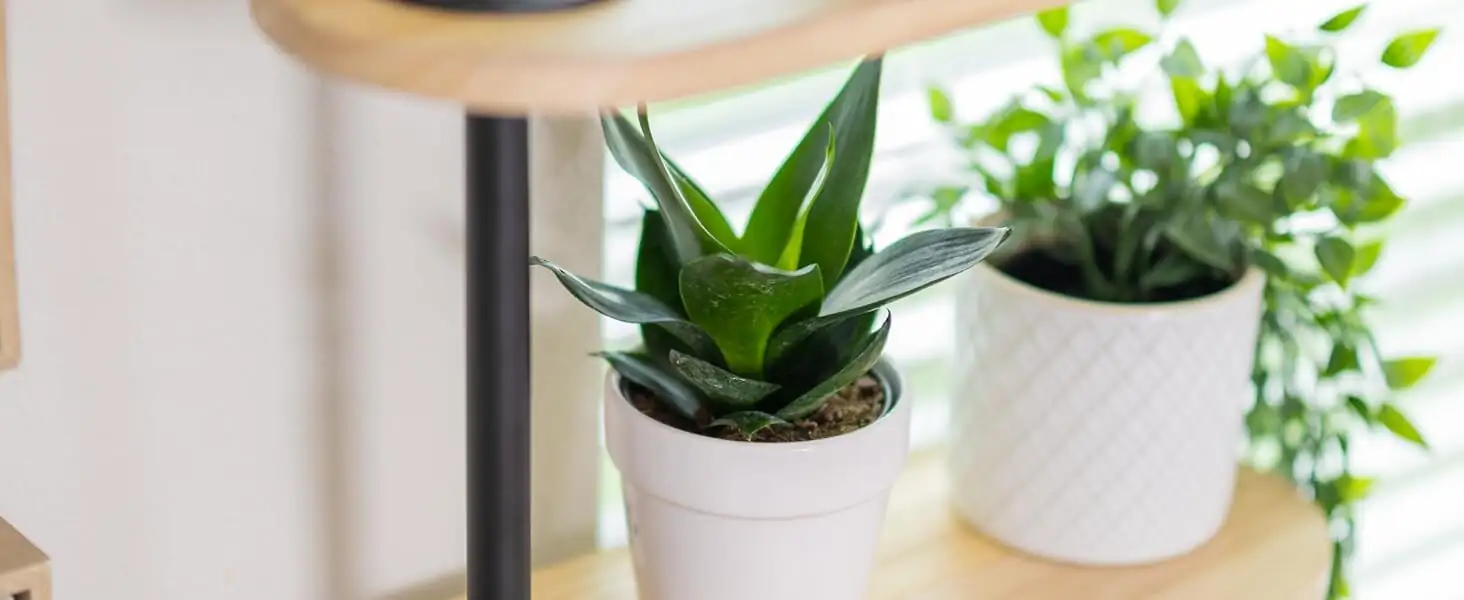
- Growing conditions that also reduce plant stress (less mess, fewer fallen fronds/seeds)
- Light: bright light to full sun is ideal; gradual acclimation prevents scorching.
- Airflow: good ventilation helps keep scale insects down.
- Potting: a fertile but sharply draining mix; never let the pot sit in water. Keep notably drier in winter.
- Temperature: keep above 7–10°C (45–50°F) in winter; protect from frost.
Prevention plan: practical steps that really work
- Before you buy
- If you have pets or small children, choose a safer alternative (see below).
- If gifting, clearly label: “Sago Palm (Cycas revoluta) – Toxic. Keep away from children and pets.”
- If you already own one
- Child/pet-proof the location or rehome the plant.
- Gloves on, hands washed: wear gloves to handle fronds, cones, and seeds; wash up afterward.
- No composting: bag trimmings, seeds, and spent cones securely and dispose with household trash.
- Tidy regularly: remove aging outer fronds once new ones harden to reduce tempting, droopy “chew targets.”
- Educate your circle: make sure sitters, guests, and neighbors (if the plant is outdoors) know it is poisonous.
First-aid steps if exposure happens
For pets (dogs, cats)
- Act immediately—don’t wait for symptoms.
- Call your veterinarian or an animal poison helpline right away. If available in your region, you can contact:
- ASPCA Animal Poison Control Center (USA): 888-426-4435
- Pet Poison Helpline (USA/Canada): 855-764-7661
- Do not induce vomiting unless a professional instructs you to do so.
- Note the time and estimated amount ingested; bring a photo or sample of the plant in a sealed bag.
- Expect your vet to consider treatments like induced vomiting (if appropriate), activated charcoal, IV fluids, liver protectants, anti-nausea medication, and monitoring of liver values and blood clotting. Hospitalization is common because liver injury can develop over 1–3 days.
Time is critical. Early care offers the best chance of recovery.
For people
- If swallowed: spit out remaining plant material, rinse mouth, and call your local Poison Control (USA: 1-800-222-1222) or seek medical care. Do not induce vomiting unless directed.
- If on skin: wash with soap and water.
- If in eyes: rinse gently with lukewarm water for 15 minutes and seek medical advice if irritation persists.
- If symptoms such as vomiting, abdominal pain, or yellowing of the skin/eyes occur, go to urgent care or an emergency department.
Safer look‑alike alternatives (pet- and kid-friendlier)
Want the same lush vibe without the risk? Try these:
- Parlor Palm (Chamaedorea elegans) – soft, airy fronds; excellent in lower light; pet-safe.
- Areca Palm (Dypsis lutescens) – graceful, arching fronds; bright, indirect light; pet-safe.
- Ponytail Palm (Beaucarnea recurvata) – sculptural caudex and fountain of leaves; drought-tolerant; pet-safe (not a true palm).
- Cast Iron Plant (Aspidistra elatior) – deep-green, straplike leaves; very tough and shade-tolerant; pet-safe.
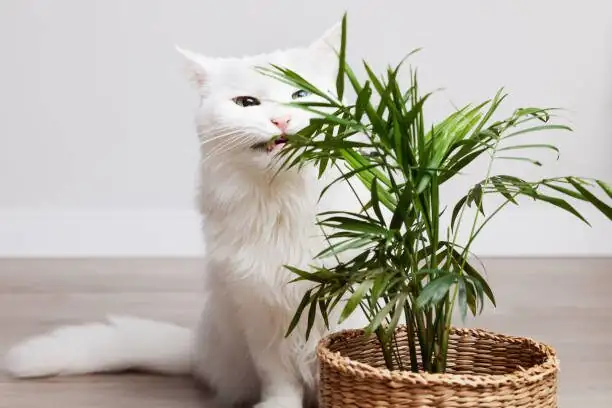
Avoid: other cycads and “cardboard palms” (Zamia spp.)—they’re also toxic.
Quick ID: is it a Sago Palm?
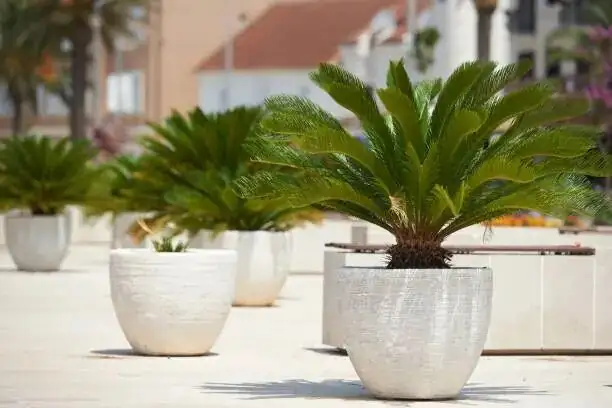
- Stout, rounded trunk (caudex) with a tidy rosette of rigid, glossy, feather-like fronds.
- Leaflets are stiff and can feel pointy; overall look is symmetrical and architectural.
- Cones (not flowers) appear on mature plants; seeds can be large and often orange-brown when ripe.
By contrast, parlor and areca palms have soft, flexible leaflets and no stout, “pineapple-like” caudex.
Seasonal safety checklist
- Spring–summer
- Peak growth: water thoroughly but let the top of the mix dry first; ensure strong light and airflow.
- Cones may appear (male/female on separate plants). Remove spent cones promptly and bag any seeds—do not leave them where pets or children can find them.
- Repot or divide offsets only if you can keep the plant in a restricted-access location.
- Autumn
- Reduce watering as temperatures fall.
- If outdoors in a seasonal climate, bring it in before cold nights; place it where kids and pets cannot reach.
- Winter
- Keep brighter and noticeably drier. Cold + wet = rot risk.
- Continue secure placement; holiday visitors may not know the plant is toxic—post a discreet note if needed.
Symbolism vs. real-life safety
Across East Asia and beyond, Cycas revoluta is linked with good fortune, freedom, happiness, and especially longevity—a fitting tribute to a plant that can outlive generations. But good fortune starts with good judgment: respect the symbolism while keeping the plant where curious hands and mouths can’t reach. Longevity should apply to your loved ones too.
Quick answers to common questions
- Is Sago Palm safe for dogs or cats? No. It is highly toxic; seeds are especially dangerous.
- If my plant never makes seeds, is it safe to keep around pets? No. All parts are poisonous.
- Can trimming make it pet-safe? Trimming reduces mess but does not remove toxicity.
- I found it sold as a tiny “bonsai.” Is that safer? Size doesn’t change toxicity. Treat even small plants with the same precautions—or choose a pet-safe alternative.
- Where can I put it indoors? Only in a bright, well-ventilated room that pets and children cannot access, such as a closed office or greenhouse.
A final word: Cycas revoluta can be a striking, long-lived companion, but it demands thoughtful stewardship. If there’s any doubt, swap it for a safer look‑alike and enjoy the same lush, timeless look—minus the worry.