

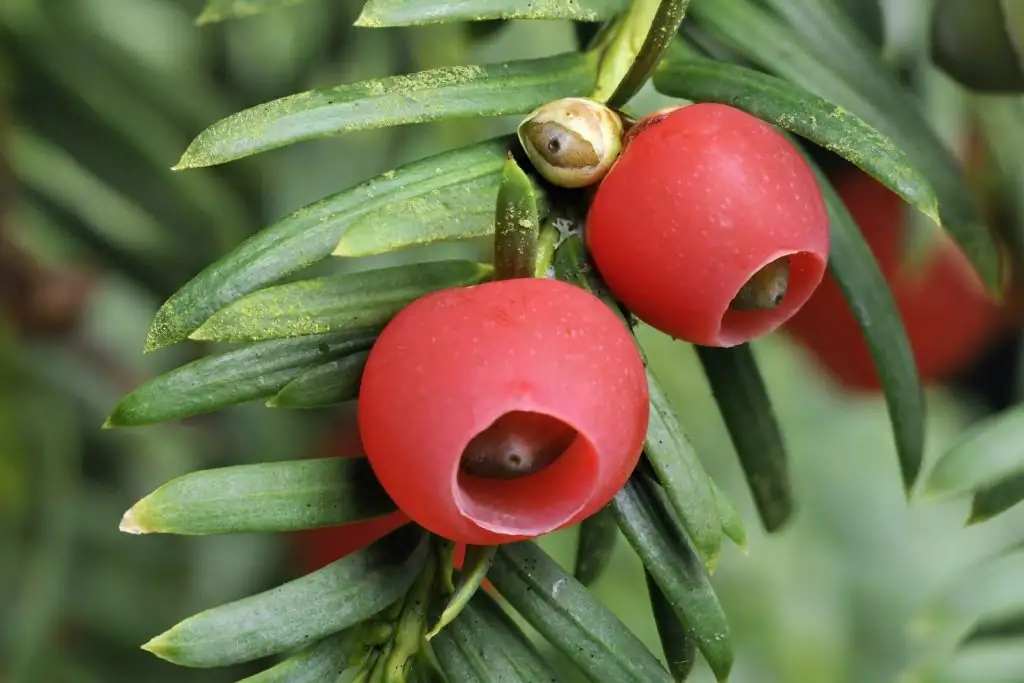
If you like your evergreens dignified but quietly dramatic, Chinese yew (Taxus chinensis) delivers: deep, glossy needles year-round and bright red arils in autumn that glow like glass beads among the foliage. The secret to keeping it impeccable in a pot is to think seasonally—leaning into deeper moisture and a gentle monthly feed while it’s growing, then easing off as winter approaches. Here’s your year-round, no-guesswork calendar, plus a spring shopping checklist for picking a plant that will thrive.
A year with Chinese yew: your seasonal care calendar
Late winter to early spring: reset and repot (prime window)
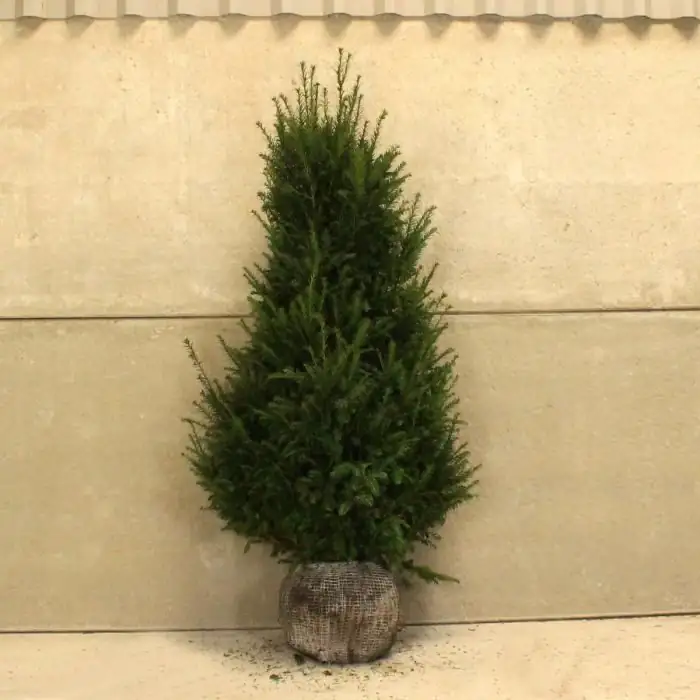
- Repot timing: Move or refresh soil in winter through early spring. This is the safest window.
- Method: Choose a humus-rich, acidic, well-drained mix. Replace a portion of old soil, but disturb the root ball as little as possible. Shift up just one pot size with excellent drainage.
- Aftercare: Keep in bright, filtered light; water thoroughly once, then maintain even moisture. Wait 3–4 weeks post-repot before resuming fertilizer.
Pro tip
- Placement indoors: About 1 m (3.3 ft) back from an east- or south-facing window gives strong brightness without harsh midday sun.
- Placement outdoors: Bright shade or soft morning sun with afternoon protection.
Spring (active growth begins): water deep, feed monthly
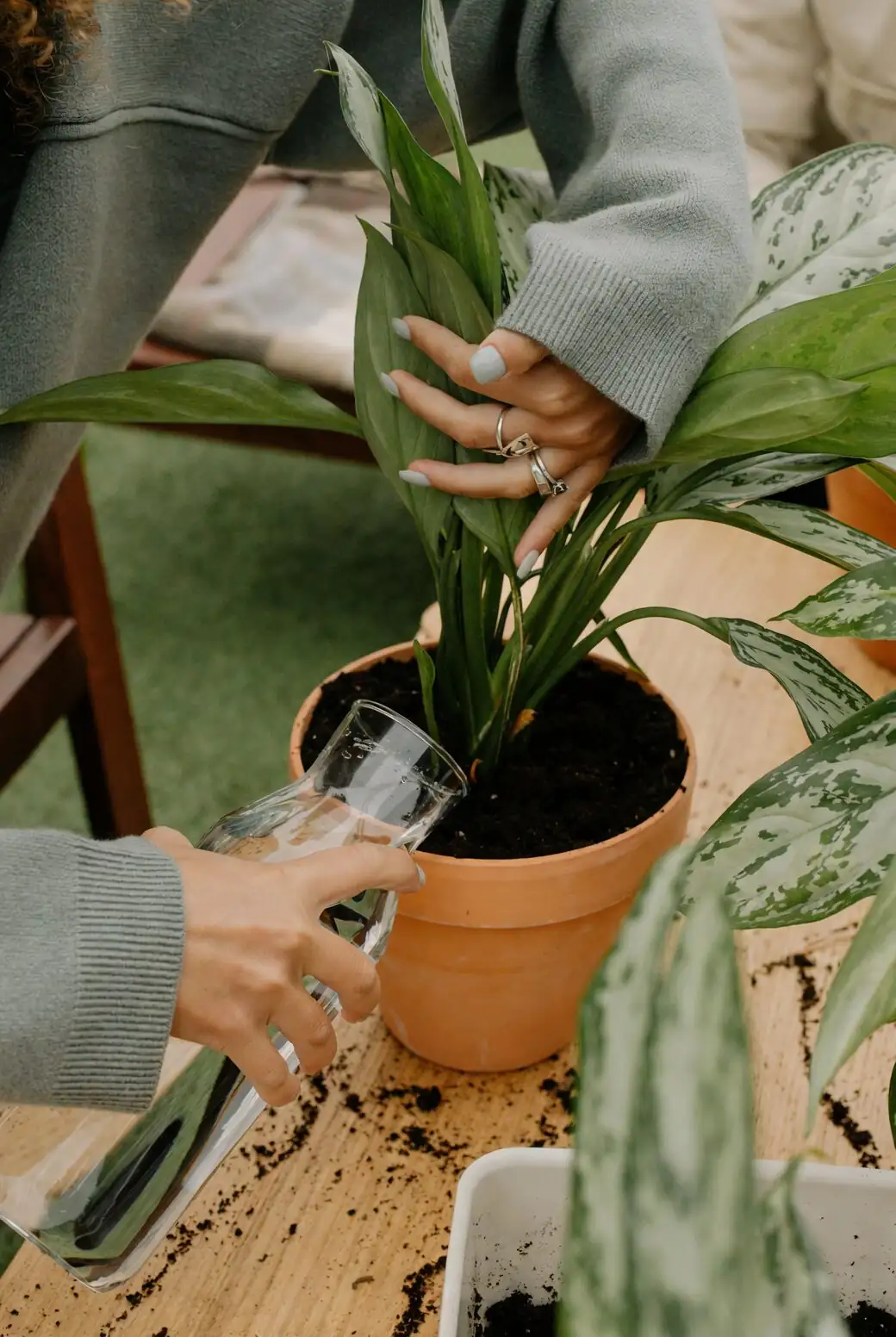
- Watering: When the top centimeter or two feels slightly dry, water slowly and thoroughly until excess drains—then empty the saucer. Aim for evenly moist, never soggy.
- Feeding (monthly): Use a balanced fertilizer (e.g., NPK 20-20-20) at label rates or a well-rotted organic cake fertilizer once a month.
- Light pruning: The natural form is handsome. If it feels too dense, lightly thin a few branchlets to improve airflow.
What to watch
- New growth often flushes yellow-green before settling into deep green—exactly what you want to see in spring.
Summer (heat management): cool, moist, but never waterlogged
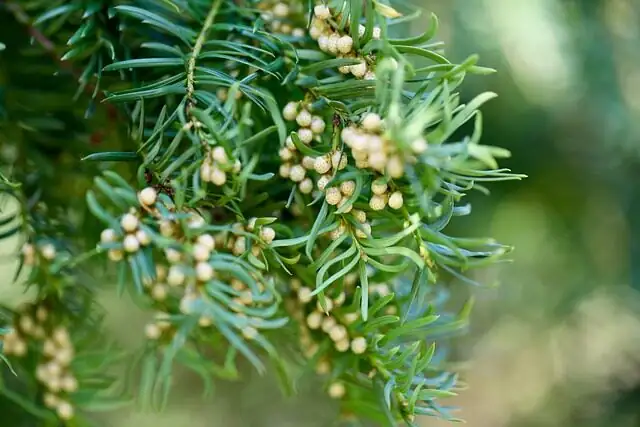
- Moisture: Hot, dry air stresses yew. Check soil more often; water deeply when the surface begins to dry. Keep the root zone evenly moist and cool.
- Shade: Shield from strong midday sun and hot reflected heat. Outdoors, bright shade is ideal; indoors, bright indirect light.
- Feeding: Continue monthly. If a severe heat wave hits, pause feeding until temperatures ease to reduce stress.
- Airflow: Good circulation reduces pest pressure and keeps foliage fresh.
Container care
- Never let the pot sit in water. Use pot feet or a dry saucer. In heavy rain, ensure excess can drain freely.
Early autumn: steady moisture, last rounds of feeding
- Watering: Maintain even moisture as temperatures moderate—this supports aril display and needle quality.
- Feeding: One last light monthly feed early in autumn, then stop as growth slows.
- Enjoy: The contrast of dark needles and bright red arils often peaks in autumn and can linger into winter.
Late autumn to winter: dial back moisture, hold the line on light
- Watering: Reduce frequency. Let the surface dry slightly between waterings, but never allow the root ball to dry out completely.
- No fertilizer: Pause feeding until spring growth resumes.
- Protection: Container plants are more vulnerable than in-ground specimens. Shelter from severe freezes and icy winds; avoid strong, low winter sun that can scorch foliage when roots are cold.
- Light: As an evergreen, yew still needs good brightness in winter—keep to bright, filtered light.
Temperature notes
- Best growth tends to be in cool to mild conditions. Established outdoor plants are cold-tolerant to roughly -15°C (5°F), but potted roots are more exposed—protect containers from deep freezes.
Spring shopping checklist: how to pick a winning Chinese yew
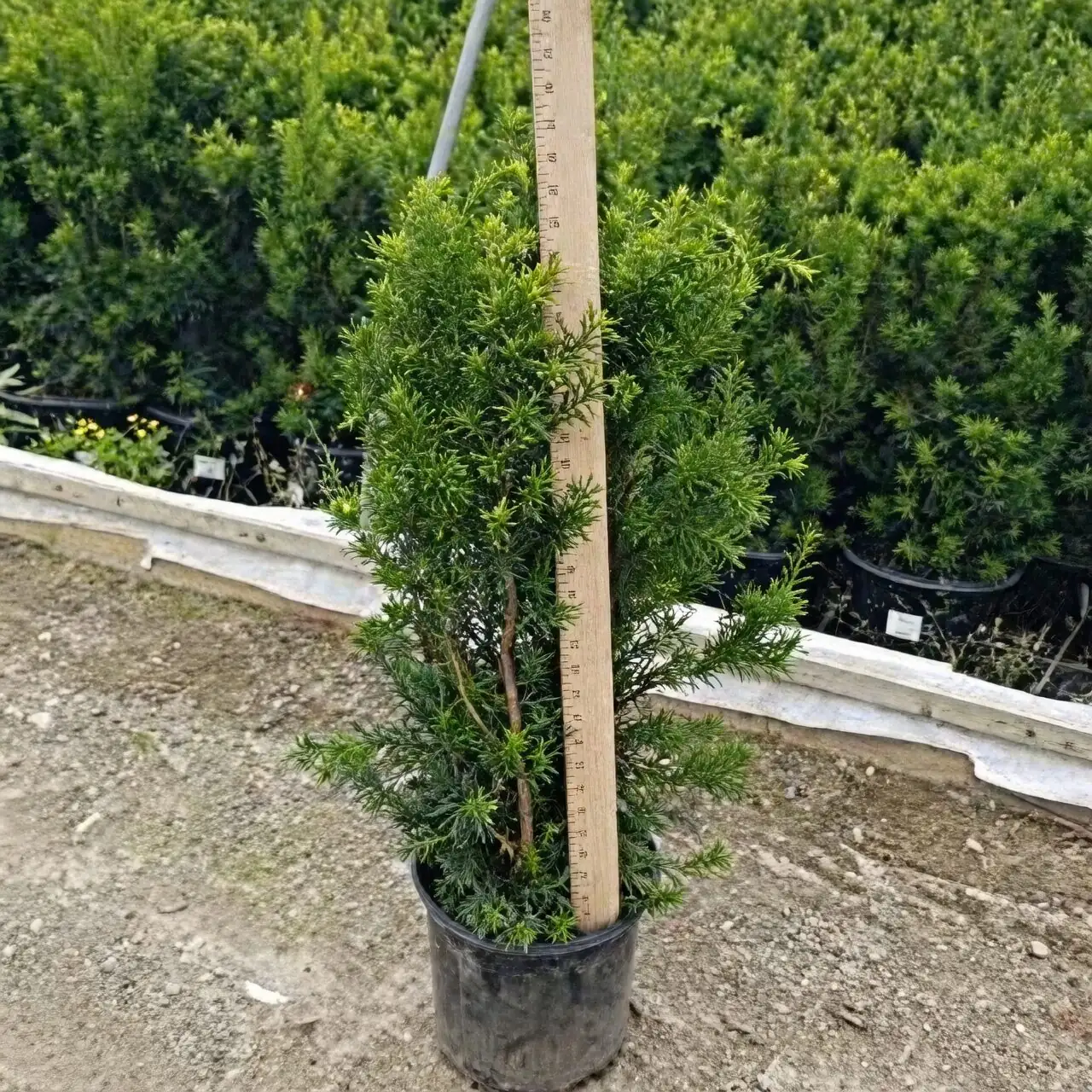
Bring a discerning eye; the best plants have quiet strength you can see.
Look for
- Structure: Straight, balanced silhouette; well-spaced main branches with a full network of fine, tightly arranged branchlets.
- Bark: Healthy gray-brown to reddish-brown bark without splits or suspicious lesions.
- Foliage: Slightly thick, flat needles that are deep green. Fresh, yellow-green new growth is a great sign of vigor.
- Pot/soil: A stable, well-rooted plant in firm, not wobbly, soil. Drainage holes are a must.
Skip plants that show
- Crooked or lopsided trunks without redeeming structure.
- Missing or damaged branchlets.
- Yellowing older needles across the plant (spotty, random yellowing may hint at poor drainage or drifting soil pH).
- Loose, unstable potting mix or a pot that’s been standing in water.
Quick in-store tests
- Weight check: The pot should feel solidly rooted, not feather-light and shaky.
- Smell test: A sour, swampy odor suggests chronic overwatering.
Watering, feeding, potting—quick reference
- Watering in growth: Deeply and evenly; keep the mix moist but never waterlogged.
- Watering in winter: Less frequent; let the surface dry slightly, but don’t let the root ball dry out.
- Feeding: Once per month in the growing season with a balanced formula or well-rotted organic cake fertilizer.
- Soil: Humus-rich, acidic, well-drained. Think “moist forest floor,” not “bog.”
- Repot: Winter to early spring. Refresh part of the mix; disturb roots as little as possible.
Light, temperature, and placement that yew appreciates
- Light: Partial shade to bright, indirect light. Avoid strong, direct midday sun.
- Indoors: Park it about 1 m (3.3 ft) back from an east/south exposure to filter intensity.
- Outdoors: Bright shade with protection from harsh sun.
- Climate comfort: Prefers cool, slightly moist air; hot, dry conditions invite stress. Protect container plants from severe freezes.
Safety and simple troubleshooting
Safety first
- All parts are highly toxic if ingested, especially the seeds inside the red arils. Keep away from children and pets and seek urgent help if ingestion is suspected.
Pests and basic fixes
- Scale insects: Inspect stems and needle bases regularly. Use yellow sticky cards to monitor flying adults. Treat with horticultural oil or other labeled scale controls per instructions.
- Year-two yellowing: Potting mixes can drift toward neutral/alkaline over time, causing chlorosis. Repot into fresh, acidic mix; consider a chelated iron product as directed. Reconfirm that you’re keeping soil evenly moist without waterlogging.
Propagation notes (for the patient and the curious)
- Seeds: Often require a long cold stratification—commonly 1–2 years—before spring sowing.
- Cuttings: Root more reliably from relatively young plants; patience and consistent moisture are key.
- Layering and grafting: Also possible within the genus for enthusiasts.
Symbolism and seasonal show
Chinese yew has long been associated with endurance and longevity—evergreen through all seasons, unhurried in growth, and quietly resilient. Its best theater is autumn into winter, when bright arils punctuate the dark canopy like lanterns in the shade.
The short version
- Spring to autumn: deep watering, evenly moist soil, monthly feeding, filtered light.
- Winter: pull back on moisture, no feeding, keep bright but cool, and protect pots from severe freezes.
- Repot between winter and early spring.
- Shop in spring for strong structure and deep-green needles with lively new growth.
Follow this seasonal rhythm and your Chinese yew will repay you with poise: glossy needles, tidy structure, and those unmistakable red jewels when the rest of the garden goes quiet.