

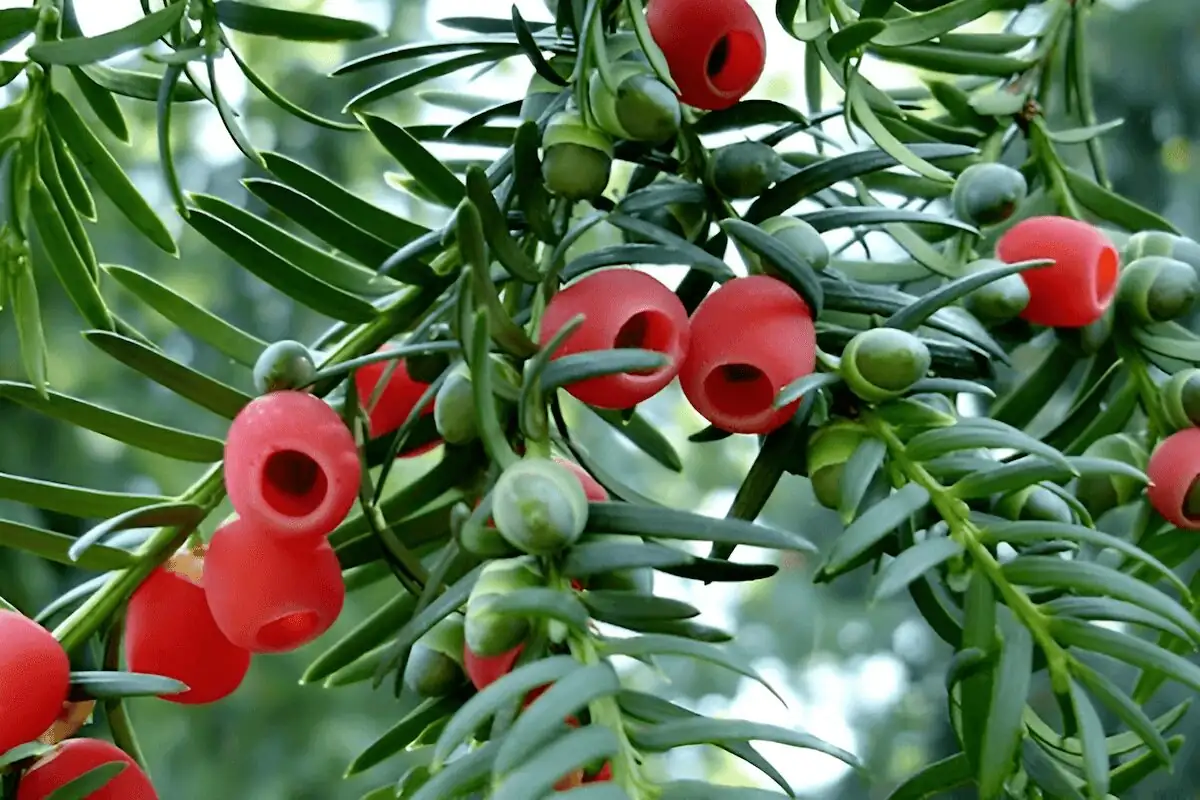
Imagine a tree that wears winter like a velvet coat and greets autumn with polished rubies. That’s the Chinese yew (Taxus chinensis): a dignified evergreen whose deep-green needles and bright red arils seem to glow in cool, filtered light. It’s also a dream partner for artists who prefer quiet refinement over drastic cuts. This guide shows you how to work with the tree’s natural architecture—using light thinning for airflow, gentle wiring, and thoughtful timing—so you can begin or refine bonsai projects without heavy chops.
Meet the Chinese Yew
- Botanical name: Taxus chinensis (family Taxaceae), also called Chinese Yew or Chinese Taxus
- Origin: China
- Habit: Upright, evergreen conifer with dense branching and a composed, architectural silhouette
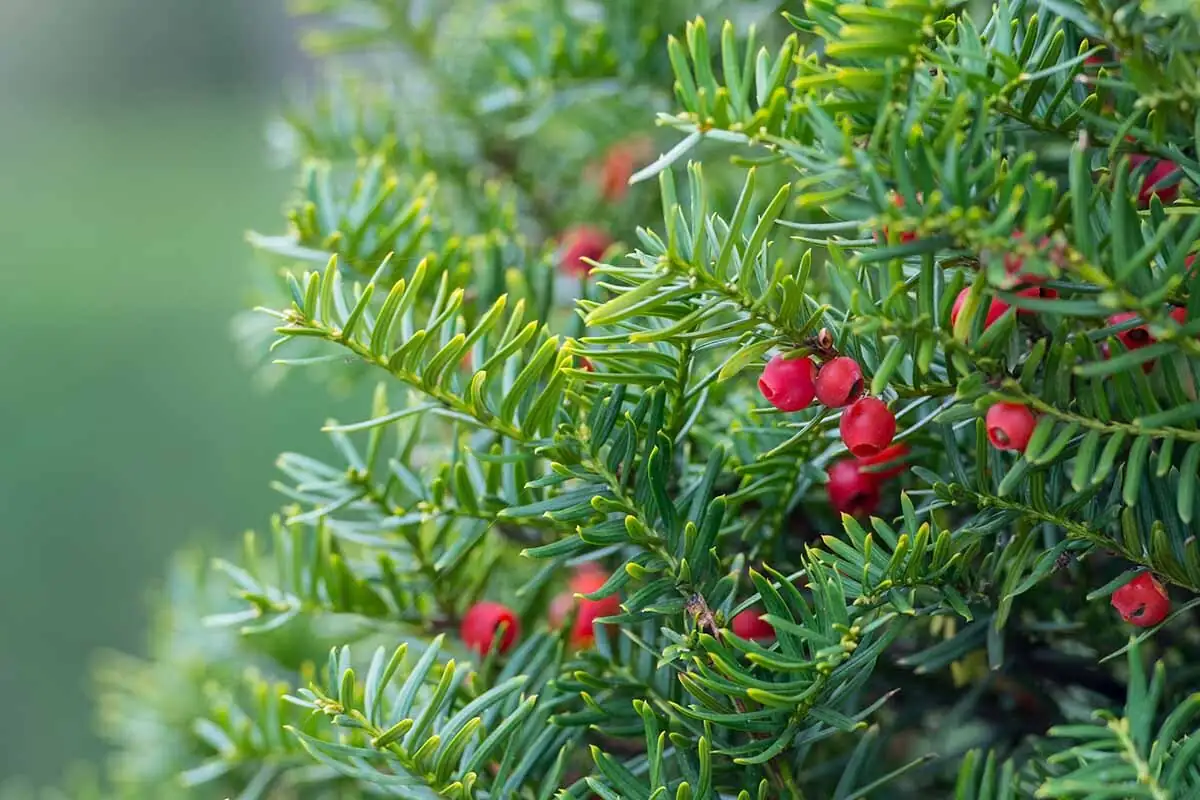
- Foliage and fruit: Deep-green, needle-like leaves; bright red arils in autumn-winter (the “berry” is an aril surrounding a toxic seed)
- Character: Cool-loving, shade-tolerant, steady rather than flashy—ideal for subtle styling and long-term bonsai development
Outdoors, mature trees can reach 10–20 m over time; in the trade you’ll often see young container plants with 2–4 cm trunks—perfect starting points for gentle bonsai work.
Light, Water, and Soil: The Comforts of Home
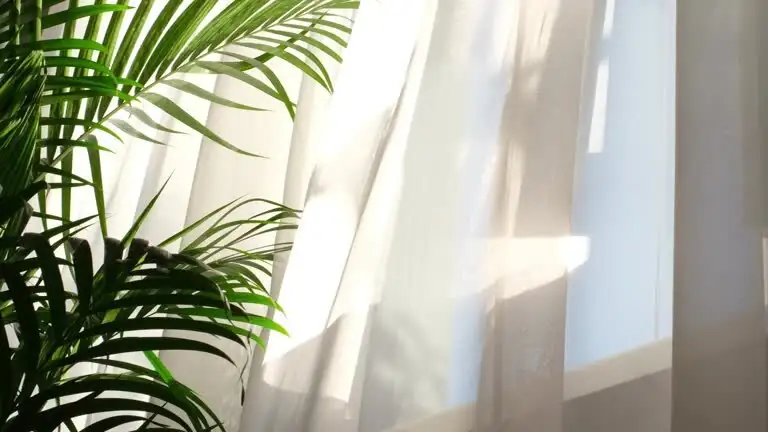
Chinese yew thrives when conditions are cool, filtered, and even.
- Light: Partial shade to bright, indirect light. Protect from harsh midday sun. Indoors, place about 1 m back from an east or south exposure so light is filtered.
- Temperature: Best around 16–26°C (61–79°F). Established outdoor plants tolerate winter lows near -15°C (5°F), but pots need protection in severe freezes.
- Humidity: Prefers a cool, slightly moist atmosphere; prolonged hot, dry air can stress it.
- Soil: Humus-rich, acidic, and well-drained. Keep evenly moist but never waterlogged, and never let the pot stand in a saucer of water.
The Art of Respect: Read the Tree Before You Touch It
Think of Taxus as a classical musician—you don’t rewrite the score; you bring out the melody. Before any work:
- Step back and identify the line. Follow the trunk’s most graceful path and the primary scaffold branches that support it.
- Look for natural tiers. Chinese yew often forms compact “clouds” of foliage; your goal is to clarify, not reinvent.
- Find congestion points. Dense inner twigs that never see light add humidity and risk pests; they’re prime candidates for selective thinning.
Light Thinning for Airflow and Clarity
This is your main styling tool. The goal: let dappled light reach interior twigs so they stay alive and bud, while keeping the canopy visually calm.
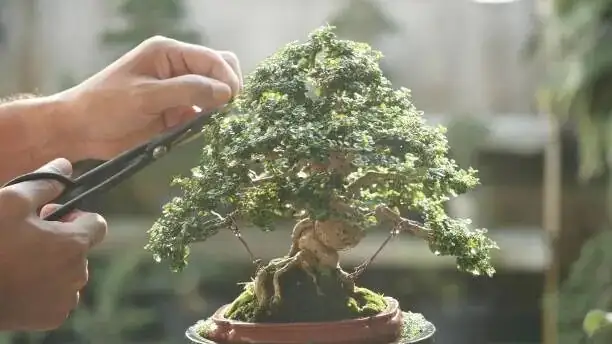
How-to, in gentle passes:
- Remove duplicates at the same junction, keeping the branch that best follows the trunk’s flow.
- Lift the lampshade. From below each pad, thin the underside slightly to create a soft, breathable edge rather than a hard pom-pom.
- Open “keyholes” of light. Pinch or snip a few interior twigs so sun can dapple through to the inner structure.
- Comb old foliage inside. In summer, you can lightly pluck spent inner needles to reduce humidity and invite back-budding—go slow and stop early.
Keep it light. Yews don’t need frequent shearing; over-thinning can lead to uneven vigor. Aim for a tree that “whispers”—air moves, light dances, but the silhouette stays full.
Timing Basics: When the Tree Says “Yes”
- Late winter to early spring: Best for repotting (minimal root disturbance).
- Spring to early summer: Let the flush extend, then trim new shoots to encourage density. Avoid big styling while roots are waking.
- Mid to late summer: Prime window for refinement—light thinning, needle plucking, and especially gentle wiring. Young twigs are still pliable, and the tree can respond quickly.
- Autumn: Tidy only. Protect roots as temperatures drop; keep light levels adequate for an evergreen.
- Winter: Reduce watering, keep slightly drier but never bone-dry. Shelter potted trees from severe freezes.
Gentle Wiring: Shape Without Strain
Yew wood has a split personality: young twigs are forgiving; old branches are stiff and resist big bends. Work with, not against, those traits.
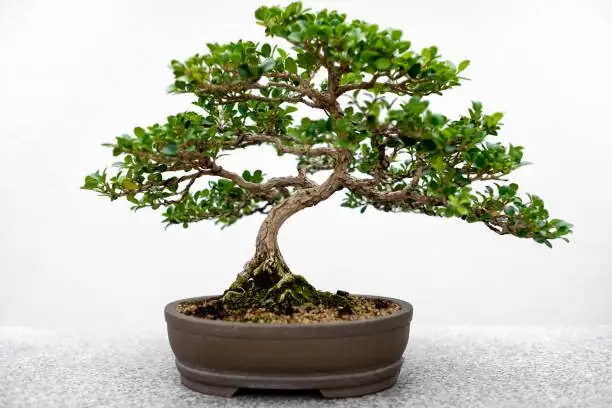
- Choose your battleground: Wire only what needs guidance. Favor green, younger shoots for direction changes; they set faster and safer.
- Pace yourself: Apply wire mid–late summer on vigorous trees. Check regularly; remove or adjust before it bites.
- Use shallow angles: Smooth, low-pressure curves look natural and reduce cracking risk.
- Protect and support: For slightly older wood, add padding and consider guy-wires to share the load. If it feels reluctant, don’t force it—switch to clip-and-grow over multiple seasons.
- Clip-and-grow magic: Direct energy by cutting back to a shoot pointing where you want growth to go. Repeat over time to create taper and movement—no heavy chops required.
Start a Bonsai Project Without Heavy Chops
You don’t need dramatic trunk reductions to build a compelling Taxus bonsai. Try this quiet, effective sequence:
- Stabilize and strengthen
- Pot into a training container with acidic, well-drained mix.
- Keep in bright shade/filtered light; water evenly and fertilize monthly in the growing season.
- Read and select the line
- Identify the best trunk flow and 2–4 primary branches. Mark them; do not cut yet.
- First cleaning (light)
- Remove dead twigs and true duplicates.
- Open small windows of light to the interior. Stop while the canopy still feels full.
- Directional pruning
- After spring flush hardens, reduce leggy tips, always cutting to a shoot that points where you want the branch to go.
- Use this to start subtle pad definition.
- Gentle wiring pass
- Wire only priority sections (mostly young shoots). Lay in soft curves and create space between layers.
- Avoid major bends on old wood; use guy-wires sparingly.
- Grow and repeat
- Allow recovery and new extension.
- Over the next 1–3 seasons, repeat light thinning and directional cuts to refine structure and ramification.
- If you need more compactness, reduce incrementally—every small, well-timed correction beats one drastic cut.
Repotting With Minimal Disturbance
Chinese yew appreciates continuity underground.
- Best window: Winter to early spring, just before strong growth.
- Method: Slip-pot or gently comb only the outermost roots; replace part of the soil with fresh, fertile, acidic mix. Avoid bare-rooting and heavy root pruning in one go.
- Frequency: When drainage slows or the mix degrades; otherwise, let the tree enjoy stability.
Watering and Feeding Rhythm
- Watering: During active growth, water thoroughly and keep the root ball evenly moist, never soggy. In winter, allow the surface to dry slightly between waterings—but don’t let the root mass dry out.
- Feeding: About once a month in the growing season with well-rotted organic cakes or a balanced fertilizer (e.g., 20-20-20) per label directions. Ease off in late autumn.
Placement: Outdoor First, Indoors Only if You Can Keep It Cool
- Ideal: Outdoors in bright shade or filtered light.
- Indoors (short- to medium-term): Place near an east/south exposure but set back from direct sun; keep the air cool and slightly moist. Avoid hot, dry rooms and radiators.
Health, Pests, and Clean Air
- Airflow is armor: Your light-thinning plan doubles as disease prevention by reducing stale, humid pockets.
- Pests: Yews are generally tough but can host scale insects. Inspect regularly; use horticultural oil or a labeled product as needed, following instructions.
- Winter care: Shield potted trees from hard frosts and icy winds; even cold-tolerant roots are more exposed in containers.
Safety Note: Beautiful, But Poisonous
All parts of yew—especially seeds—are highly toxic if ingested. The red aril is less toxic than the rest, but the seed inside is dangerous. Keep plants away from children and pets, and seek urgent help if ingestion is suspected.
Symbolism and “Flower Language” (花语)
Yews across cultures symbolize longevity, endurance, and quiet resilience—fitting for an evergreen that holds its color through winter and can live for centuries. While “flower language” traditions often attach meanings to showy blossoms, yew’s flowers are inconspicuous; its message comes from presence, not petals. In this sense, the Chinese yew’s “language” speaks through form: steadfast green, patient growth, and a composed silhouette that endures. For bonsai artists, it invites a parallel virtue—restraint.
Seasonal Cheat Sheet
- Late winter–early spring: Repot with minimal root disturbance; resume watering and feeding as growth begins.
- Spring–early summer: Let shoots extend, then trim back to shape; keep moisture even.
- Mid–late summer: Best for refinement—light thinning, gentle wiring, selective needle plucking inside pads.
- Autumn: Light touch only; enjoy the red arils if present.
- Winter: Reduce watering, protect potted roots from deep freezes, maintain bright filtered light.
Buying Tips for a Future Bonsai
- Look for: A straight, balanced plant; healthy gray-brown to reddish-brown bark; well-spaced main branches and dense fine branchlets; deep-green needles with lively yellow-green new growth.
- Avoid: Crooked or unstable plants; damaged or missing branchlets; yellowing older leaves; loose, waterlogged potting mix.
Propagation Paths
- Cuttings: Most reliable from relatively young stock; a good way to clone promising traits.
- Seed: Often needs 1–2 years of cold stratification before spring sowing—patience rewarded.
- Grafting and layering: Useful for advanced projects or variety-specific goals.
In the end, Taxus chinensis rewards the quiet hand. Thin the canopy just enough for light and air to move. Wire only what needs a nudge, and prefer young growth for shaping. Let time, not tools, do the heavy lifting. Work with the tree’s architecture—and you’ll find that the Chinese yew composes its own serene, enduring bonsai.