

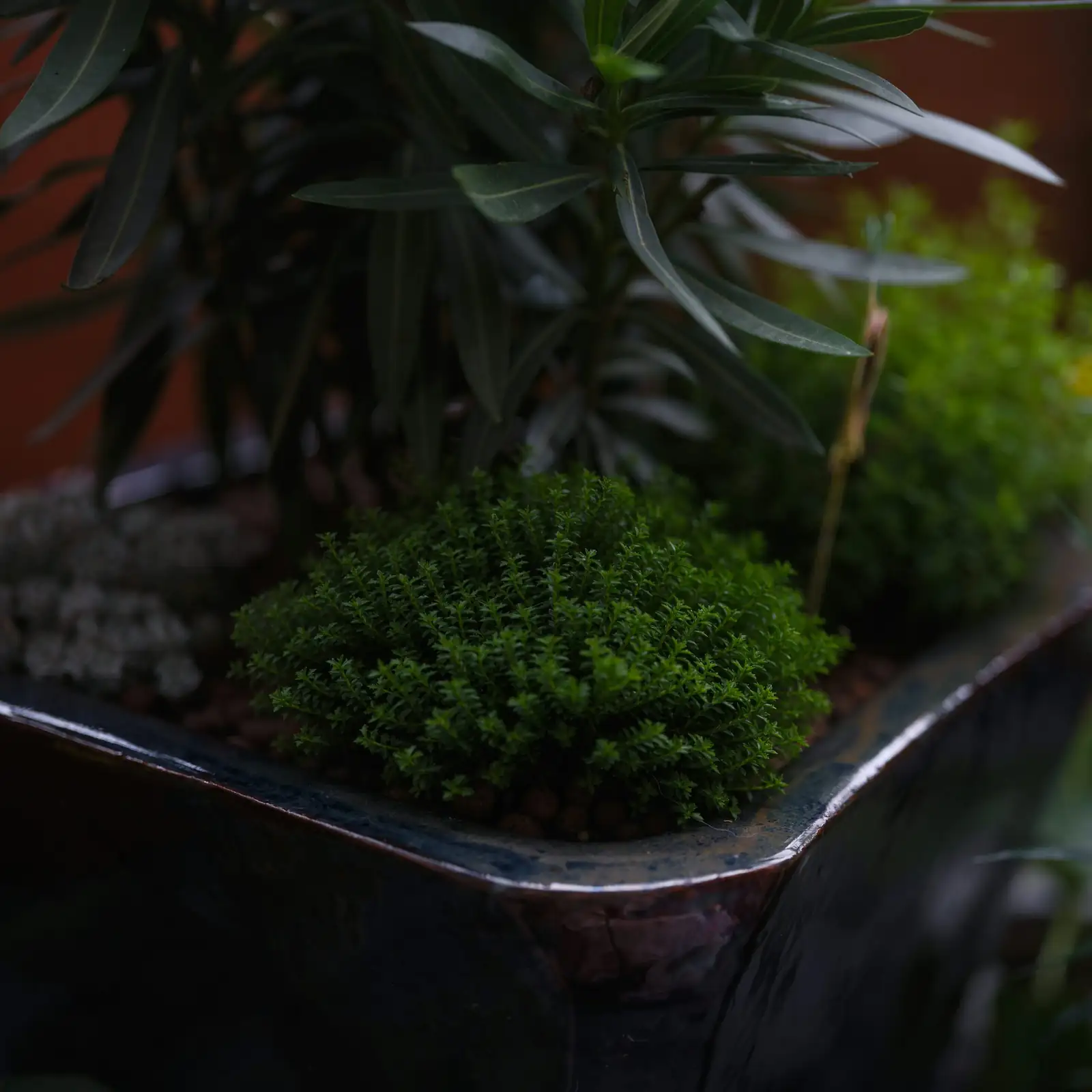
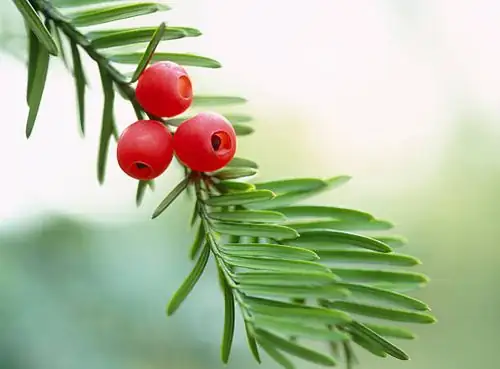
If you crave a calm, evergreen backbone for a shady nook or balcony, Chinese Yew (Taxus chinensis) is your quiet statement piece. Its deep-green needles read as velvet in low light, and in autumn the bright red arils pop like lacquer beads—subtle drama without fuss. Place it in bright shade, give its roots superb drainage, and surround it with ferns, moss, hellebores, and hostas for a serene, four-season composition.
Meet Chinese Yew (Taxus chinensis)
- Evergreen conifer from China with dense, deep-green needles and eye-catching red arils in autumn that often linger into winter.
- Natural habit: upright, architectural, and composed; branching is tight, creating a compact silhouette.
- Light preferences: partial shade to bright, indirect light; it dislikes scorching midday sun.
- Indoors: happiest a bit back from strong light—about 1 m (3.3 ft) from an east- or south-facing window where light is filtered.
- Outdoors: thrives in cool, moist, bright shade with good air flow. Think high, dappled canopy or a north/east aspect.
Design note: In gardens, yew can eventually reach tree size, but in containers it’s commonly sold as a young, structural accent—perfect for a courtyard or terrace focal point.
Finding “bright shade”: place it like a pro
Bright shade is light that’s abundant but softened—no harsh midday rays. Use these cues:
- Dappled shade: sunlight filtered through overhead branches; ideal for yew.
- Partial shade: a few hours of gentle morning sun or daylong bright indirect light; avoid hot afternoon sun.
- Smart microclimates outdoors: the east side of a wall, beneath open-canopy trees, or in courtyards where light reflects but doesn’t burn.
- Indoors: set back from windows with sheer curtains or in a bright room away from direct beams. Keep away from heat-blasting vents—Chinese yew prefers a cool, slightly moist atmosphere.
Containers that keep roots happy (and alive)
Chinese yew loves evenly moist, well-drained, acidic soil—so the container must drain brilliantly.
- Best materials: unglazed terracotta, high-quality fiberstone, or frost-resistant ceramic with generous drainage holes.
- Sizing: choose a pot 5–8 cm (2–3 in) wider than the current root ball; yew appreciates a stable, slightly deep vessel that won’t tip in wind.
- Drainage architecture:
- At least one large hole (more is better). Line with mesh to prevent mix loss.
- Elevate the pot on feet or risers—never let it sit in a saucer of water.
- Skip self-watering reservoirs; yew resents soggy feet.
- Potting mix (acidic, humus-rich, free-draining):
- Rough recipe: 40% fine pine bark, 30% peat/coir, 20% pumice/perlite, 10% compost.
- Aim for a slightly acidic reaction and a springy, well-aerated texture.
Step-by-step potting
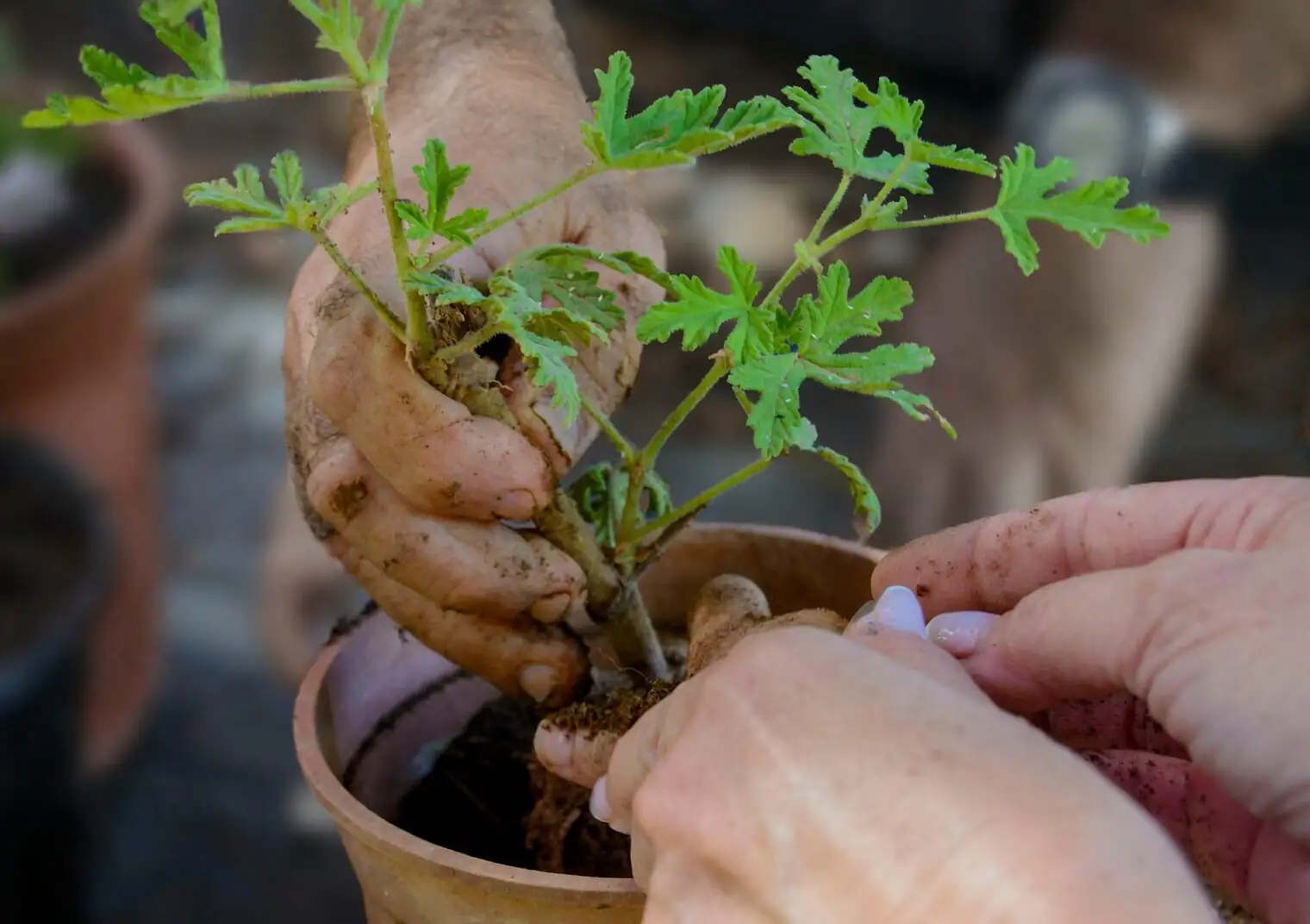
- Cover drainage holes with mesh; add a shallow layer of the mix.
- Set the plant so the root flare sits at or just above the finished soil line.
- Backfill, firm gently to eliminate air pockets, and water thoroughly to settle.
- Topdress with fine bark or a thin gravel layer. If using sheet moss for a finished look, leave a clear ring around the stem to keep the crown dry.
Watering and feeding rhythm
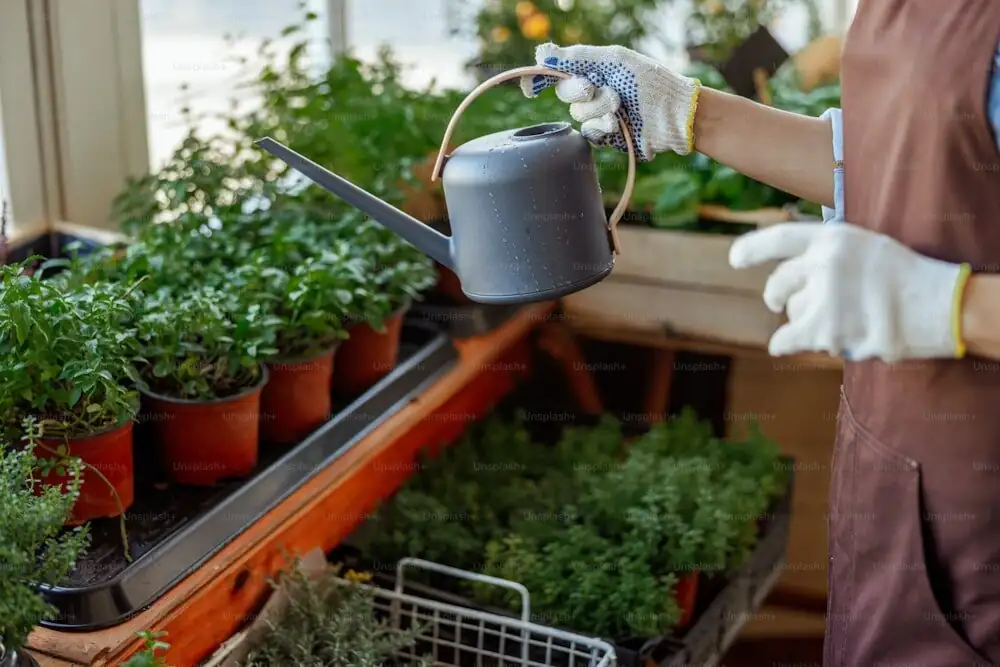
- Growing season: soak thoroughly, then keep the mix consistently moist—but never waterlogged and never standing in water.
- Winter: growth slows; allow the surface to dry slightly between waterings while keeping the root ball from drying out completely.
- Feeding: once a month in the growing season with a balanced fertilizer (e.g., NPK 20-20-20) or well-rotted organic cake fertilizer. Always follow label directions.
Pro tip: Shade containers dry more slowly. Use your finger or a moisture meter to read below the surface rather than watering “on schedule.”
Compose calm: pair with ferns, moss, hellebores, and hostas
Chinese yew is your evergreen anchor. Build layers around it for a restful, year-round scene:
- Ferns (e.g., Polystichum, Dryopteris): lacy fronds contrast beautifully with the yew’s firm needles.
- Moss: a low, plush ground plane that amplifies tranquility.
- Hellebores (Helleborus): winter-to-early-spring blooms that glow in low light.
- Hostas: bold leaves for summer drama; choose blue-green or variegated forms for brightness.
Design recipe 1: Modern courtyard calm
- Vessel: tall charcoal fiberstone cylinder on risers.
- Planting: one Chinese yew centered; ring with low Japanese shield fern; spot in pockets of sheet moss.
- Accent: a trio of wide, shallow bowls nearby planted with hellebores and small variegated hostas.
- Palette: deep greens, soft charcoals, pale stone. Result: structured, meditative, evergreen presence.
Design recipe 2: Woodland vignette for a shady patio
- Vessel: wide, low terracotta with generous drainage.
- Back anchor: Chinese yew slightly off-center.
- Mid-layer: Christmas fern and a small drift of hellebore.
- Front edge: miniature hostas and a ribbon of living moss where it naturally stays moist.
- Seasonal notes: hellebores flower late winter–spring; hostas unfurl in spring; ferns flush in spring; yew and moss carry winter form.
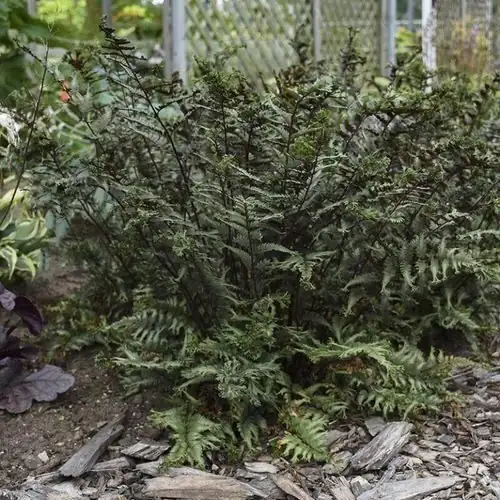
Design recipe 3: Balcony bowl with serene bones
- Vessel: frost-resistant ceramic bowl with multiple holes.
- Mix: airy and acidic; add extra pumice for fast runoff.
- Planting: a compact Chinese yew, skirted by dwarf hosta; tuck in flat stones with seams of moss to suggest a tiny landscape.
- Light: bright shade; protect from drying winds.
Styling details that make it sing
- Texture dialogue: glossy yew needles vs. matte fern fronds vs. velvety moss = instant depth.
- Color strategy: deep greens as base; cool blue-green hostas and pale hellebore blooms to “lift” shade; red arils provide a seasonal spark.
- Ground finish: in the landscape, a 2–4-inch layer of organic mulch helps retain moisture (keep it off trunks). In pots, use fine bark or pebbles for a crisp, breathable finish.
Care and shaping for longevity
- Temperature: happiest around 16–26°C (61–79°F). Outdoor plants can handle cold roughly to about -15°C (5°F), but roots in containers are more exposed—shelter pots in severe freezes.
- Pruning: the natural form is handsome—light thinning only if it gets overly dense. Avoid hard shearing.
- Repotting: winter to early spring. Refresh part of the old soil with fresh, fertile, acidic mix. Disturb the root ball as little as possible.
- Pests: generally tough. Watch for scale; monitor, use yellow sticky cards to catch flyers, and treat with an appropriate scale-control product (often horticultural oil) as labeled.
Buying guide: a 60-second checklist
- Look for a straight, balanced plant with healthy gray-brown to reddish-brown bark.
- Seek well-spaced main branches and dense, tidy branchlets.
- Needles should be flat (not curled), slightly thick, deep green with lively yellow-green new growth.
- Skip plants that are crooked, missing branchlets, show yellowing older leaves, or wobble in loose potting soil.
- Spring is the sweet-spot season to buy.
Safety first
Chinese yew is highly toxic if ingested. Needles, bark, and especially the seeds contain potent toxins. The red aril is less toxic than other parts, but the seed inside is dangerous. Keep away from children and pets; seek urgent help if ingestion is suspected.
Symbolism and meaning
Yews are cultural touchstones for longevity, endurance, and resilience—qualities drawn from their evergreen nature and astonishing life span. In gardens, Chinese yew stands for steady calm and year-round presence. While the genus is famous for medically important compounds in horticultural literature, the plant itself is poisonous and should never be used for self-medication.
Quick FAQ
Why did my potted Chinese yew’s needles turn yellow in the second year?
Potting mixes can drift toward neutral/alkaline over time. Chinese yew prefers humus-rich, acidic soil. Repot into fresh acidic mix, consider a chelated-iron supplement per label, and check that you’re keeping the soil evenly moist but not waterlogged.
How do I propagate it?
- Seeds: slow and patient—many need about 1–2 years of cold stratification before spring sowing.
- Cuttings: more reliable from relatively young plants; take semi-hardwood cuttings and be patient.
- Grafting and layering are also possible for specialty work.
With the right placement in bright shade, a pot built for drainage, and a supporting cast of ferns, moss, hellebores, and hostas, Chinese yew becomes the elegant backbone of a space that feels cool, composed, and effortlessly evergreen.