

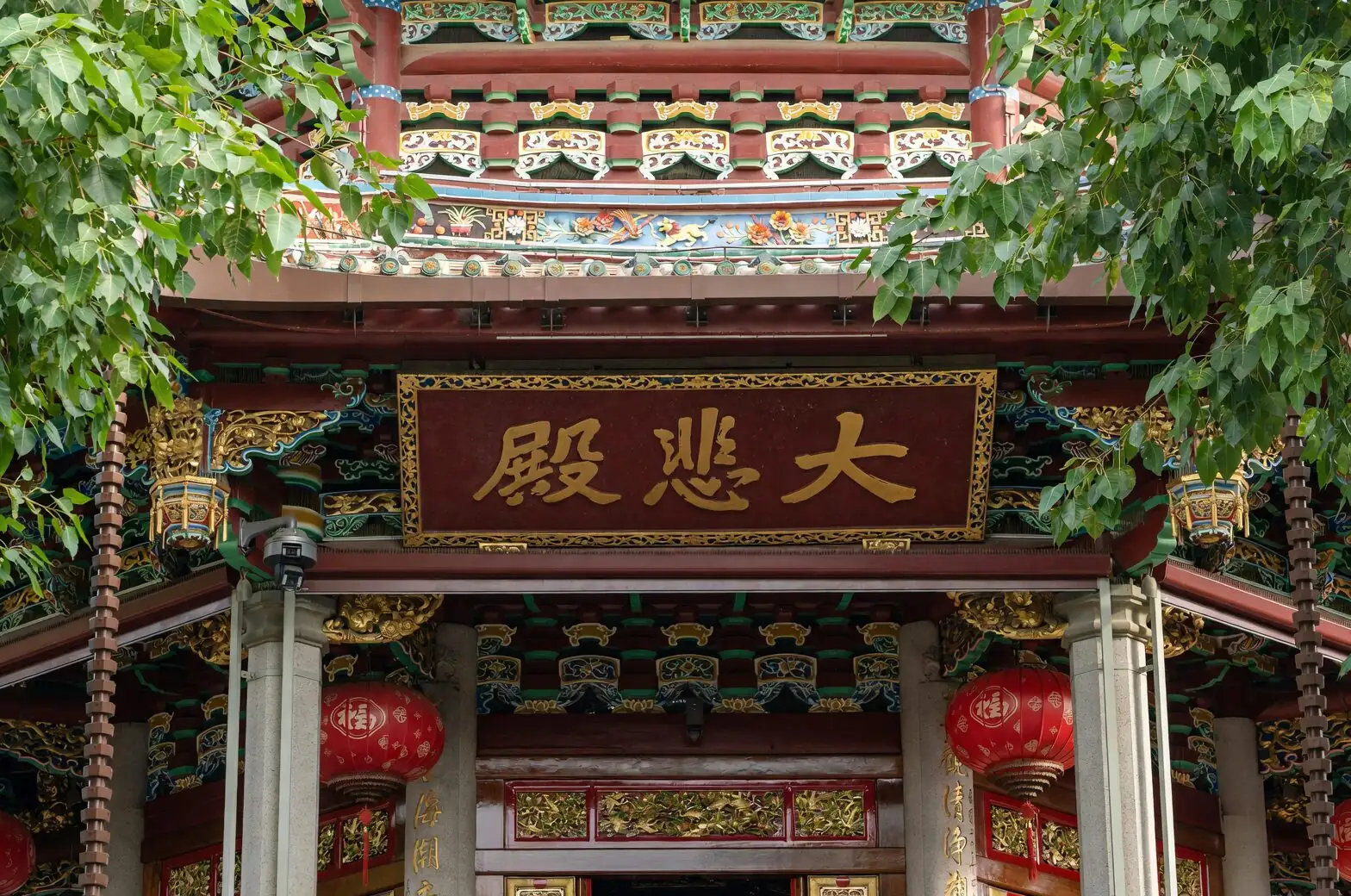
Step into a shaded cloister or a misty mountain grove and you’ll meet the same quiet presence: a yew with deep-green needles and, come autumn, bright red arils glowing like a string of lacquered beads. That endurance across landscapes—and centuries—is why Taxus chinensis (Chinese yew) carries such potent “flower language” on both sides of Eurasia. Its messages diverge by culture but grow from the same roots: evergreen life that outlasts the seasons.
Meet Taxus chinensis, the Chinese yew
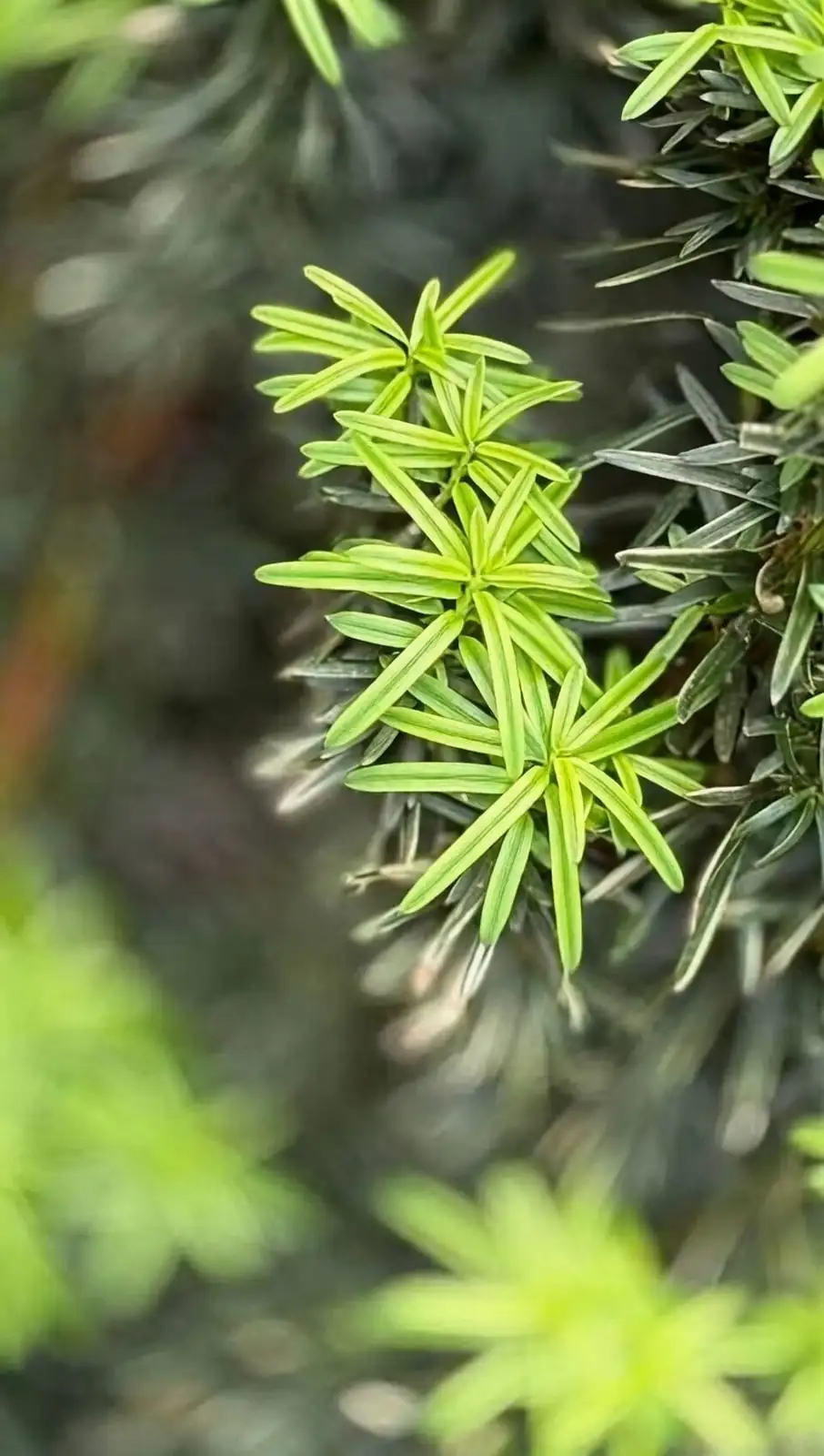
- Evergreen conifer with dense, architectural branching and dark, glossy needles; new growth flushes yellow-green before deepening.
- In autumn and winter, the plant wears bright red arils (berry-like seed coverings) that can linger beautifully against cold-weather foliage.
- Prefers cool, evenly moist, acidic, well-drained soil and filtered light or partial shade; scorching sun and waterlogged conditions are its enemies.
- Important safety note: yews are highly toxic if ingested. Needles, bark, and especially the seeds are dangerous. The red aril itself is less toxic, but the seed inside is poisonous—keep away from children and pets.
Before we talk “flower language,” a reality check
“Flower language” (floriography or huāyǔ/花语) isn’t botany—it’s culture. Yews barely “flower” in any showy sense; their tiny spring flowers are inconspicuous. What we’re decoding is how people have read meaning into the yew’s form, life cycle, and long companionship with ritual spaces.
- Floriography developed across cultures over centuries and was formalized in 18th–19th century Europe. Dictionaries helped Victorians send coded messages with bouquets.
- There’s no single, universal lexicon. Meanings shift by region and era, but they tend to track the plant’s character. With yews, that means evergreen endurance—and the solemnity of sacred, often funerary, plantings.
Europe’s yew: mourning and eternity in the Victorian code
Walk through old churchyards in Britain and northern Europe, and you’ll find ancient yews standing sentry. Those plantings forged Europe’s yew symbolism long before it was inked into Victorian handbooks.

Why the churchyard yew?
- Evergreen through winter: a living emblem of life persisting beyond death.
- Exceptional longevity: some churchyard yews are millennia old, collapsing time into a single trunk.
- Sacred association: a dignified presence in consecrated ground, watchful over the dead and comforting to the living.
How that became “flower language”
- In Victorian floriography, “yew” often signified mourning, sorrow, or eternal remembrance—the natural outcome of those churchyard associations.
- In sympathy nosegays, yew foliage communicated grief tempered by the hope of continuity or resurrection.
European etiquette today
- Appropriate: Memorial plantings, condolence gestures, quiet garden corners meant for reflection.
- Use care: As a romantic or celebratory gift, a yew can read as somber in European contexts. Consider how personal and local traditions read the plant’s churchyard legacy.
China and East Asia: evergreen endurance, longevity, resilience
In China and across East Asia, evergreens are anchors of winter color and constancy. That gives the Chinese yew an uplifting symbolic palette:
- Longevity and resilience: An evergreen body that weathers cold and droughty spells suggests a long, steady life and the will to endure.
- Steadfast virtue: Dense, composed growth and a calm, architectural silhouette read as dignified and dependable.
- Seasonal auspiciousness: The red arils that glow in autumn and winter echo celebratory red—an auspicious hint of vitality against the year’s gray.
Cultural note
- The genus Taxus is widely noted in horticultural and medical literature for important compounds, but the plant itself remains poisonous. In symbolic use, it’s admired as a living emblem of long life and steady qi—not as a household remedy.
Feng shui readings: wood that endures, a spark of red
Feng shui traditions vary by school, but several themes make sense for Chinese yew when you also honor the plant’s horticultural needs.
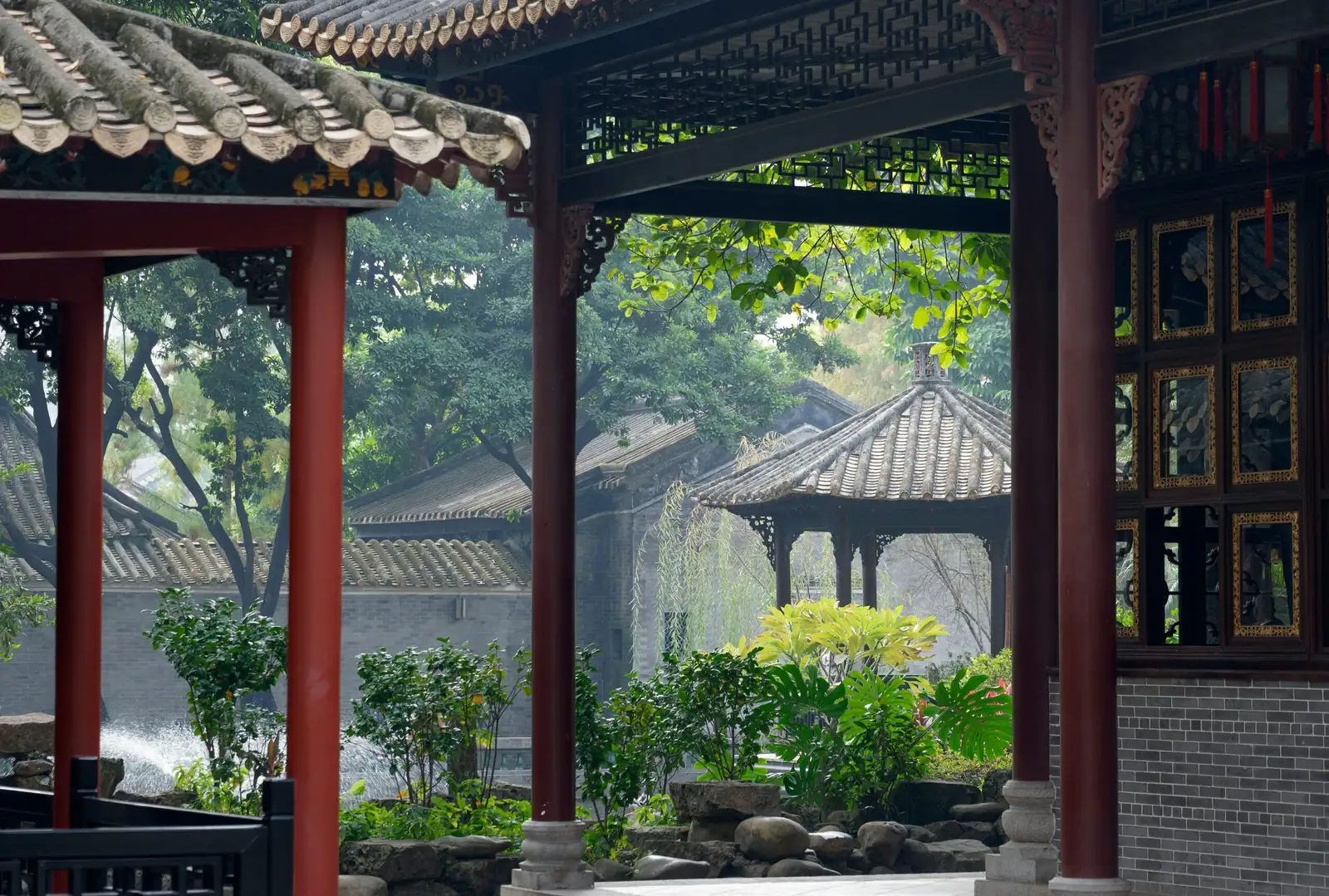
What it can symbolize indoors or on a shaded balcony
- Wood element stability: A slow, steady grower that projects rootedness and calm.
- Longevity and protection: An evergreen sentinel; the red arils bring a small “fire” accent of vitality in the dark season.
Practical placement (blending qi and plant care)
- Light: Place in bright, filtered light—about a meter back from an east- or south-facing window to avoid harsh midday sun.
- Mood: Use it where steady, contemplative energy suits—studies, shaded entry alcoves, or a quiet balcony.
- Avoid: Bedrooms, children’s rooms, and pet zones due to toxicity. Some practitioners also avoid “spiky” forms near high-traffic doors; a lightly pruned, rounded outline feels softer.
- Container cues: A weighty, stable pot (stone or unglazed ceramic) underscores grounded, enduring qi while protecting the root ball from temperature swings.
Gift-giving etiquette: reading the room—and the culture
When to give a Chinese yew
- East Asia: Housewarmings for people who love evergreens and have a cool, shaded balcony or garden; promotions or retirements where “evergreen years” and steady success are welcome wishes.
- Europe: Memorial gestures or for gardeners who explicitly love yews and shaded, contemplative plantings.
- Universally: As a symbol of resilience for someone who appreciates quietly powerful plants and understands the safety cautions.
When to pause or choose another plant
- Households with children or pets: Toxicity makes yew a poor fit.
- Hospitals and recovery settings: Many families prefer cut flowers or fruit over potted plants; yew’s gravity can feel out of place.
- Romantic occasions (especially in Europe): It may read as too solemn; consider camellias, peonies, or roses for joy-forward messages.
How to present it thoughtfully
- Name the message: Include a note—“May your years be evergreen; may resilience see you through every season.”
- Add a care card:
- Light: partial shade/bright, indirect light.
- Water: keep evenly moist but never waterlogged; reduce in winter.
- Soil: acidic, humus-rich, well-drained.
- Temperature: prefers cool conditions; protect potted plants from severe freezes.
- State the safety clearly: “All parts are toxic if ingested—keep away from children and pets.”
Why meanings diverge—and also connect
- Shared root: The yew’s evergreen body and remarkable lifespan suggest continuity everywhere it grows.
- Divergent branches: Europe’s churchyard plantings steeped the yew in mourning and eternity. In China and East Asia, the same evergreen habit tilted meanings toward longevity, resilience, and dignified calm—amplified each autumn by those auspicious red arils.
- One genus, many readings: Symbolism follows lived experience. Stand among churchyard stones, and the yew speaks of remembrance. Sit beneath a winter-green canopy brightened by red, and it promises stamina and years to come.
A short care-and-safety sidebar for gifters
- Light: Partial shade to bright, indirect. Avoid intense midday sun.
- Water: Thorough soaks, then maintain evenly moist soil. In winter, let the surface dry slightly between waterings.
- Soil: Acidic, humus-rich, well-drained; never let the pot stand in water.
- Temperature: Best at 16–26°C (61–79°F). Container plants need protection in hard freezes.
- Pruning: Minimal—thin lightly to keep a clean, breathable form.
- Toxicity: Needles, bark, and especially seeds are dangerous if ingested. The red aril is less toxic but encloses a poisonous seed. Handle and place responsibly.
Quick answers to common symbolism questions
- Is a yew appropriate for weddings? In East Asia, some couples appreciate its “evergreen years” and resilience symbolism—ask first and share safety notes. In Europe, it may feel too funereal; consider pines (longevity), myrtle (love), or camellias (devotion) instead.
- Is Chinese yew the same as the European churchyard yew? They’re close relatives in the Taxus genus. European symbolism grew chiefly from Taxus baccata; Chinese yew (Taxus chinensis) naturally carries overlapping themes thanks to the genus’s shared evergreen endurance.
If plants could speak, yews would whisper in winter and stand stubbornly green when color drains from the world. In Europe, that steadfastness comforts the grieving, promising memory that doesn’t fade. In China and East Asia, it is a quiet oath to longevity and resilience. Different dialects of the same living language—read in needles and time.