

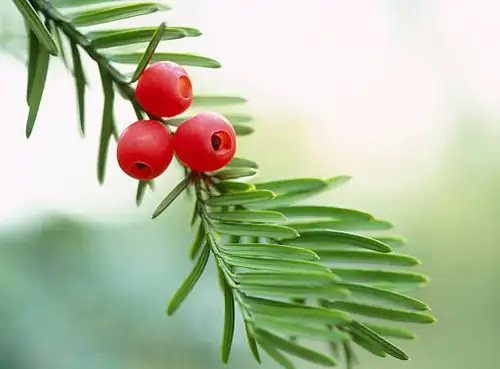
Think of Chinese yew (Taxus chinensis, 红豆杉) as a calm, evergreen companion that thrives on cool air, gentle light, and steady care. Its deep-green needles and bright red arils (berry-like seed coverings) bring dignified color from autumn into winter. The best part? With a few well-timed habits, it’s remarkably easy to keep happy—especially as a young container plant.
Meet your plant
- Botanical: Taxus chinensis (Taxaceae)
- Common names: Chinese Yew, Chinese Taxus, Yew
- Native range: China
- Look: Dense, architectural branching; deep-green needle-like leaves; red arils in autumn/winter
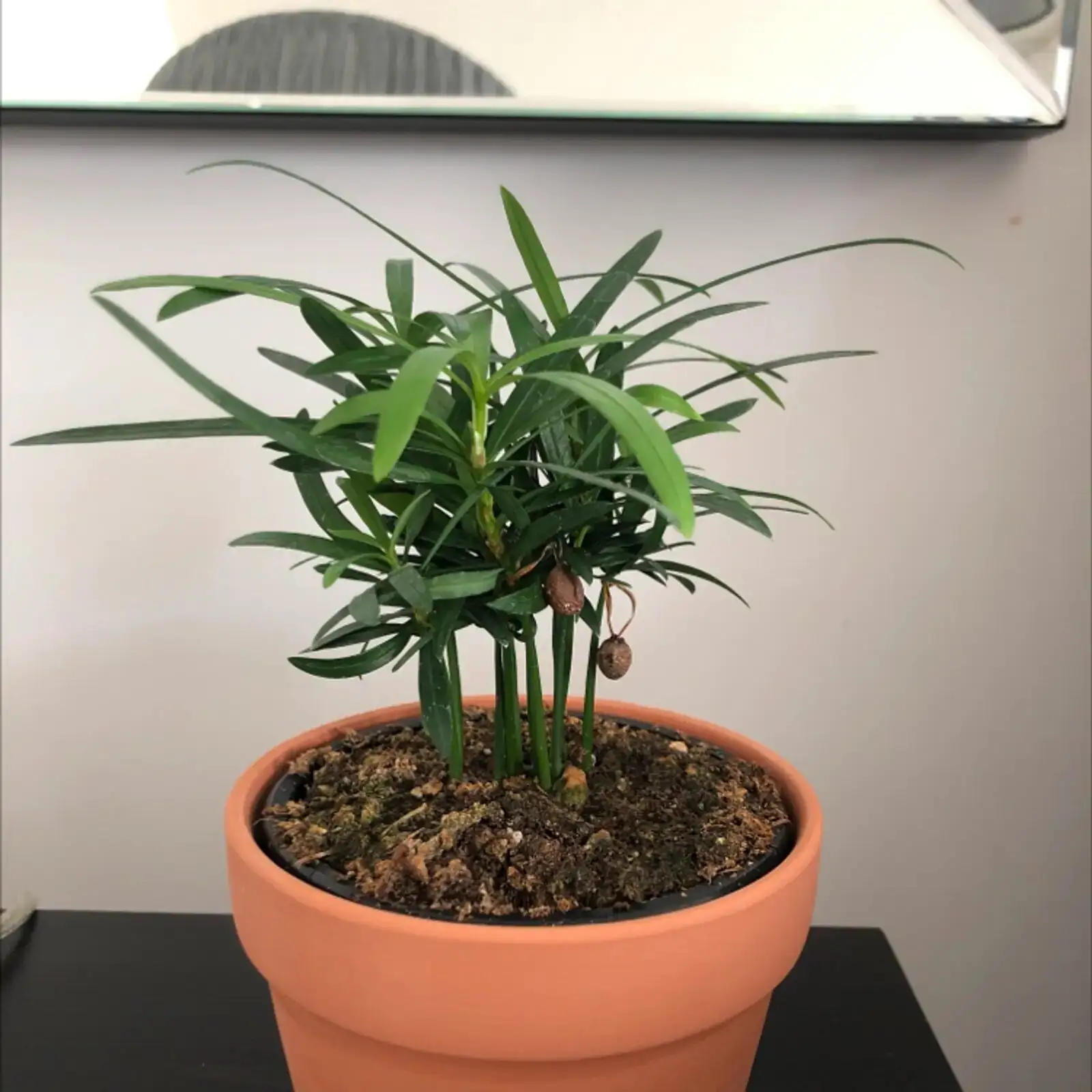
- Indoors/containers: Sold young (often 3–4 years old), prefers cool, moist, filtered-light conditions
- Outdoors (where suitable): Partial shade and evenly moist, well-drained, acidic soil
The step-by-step care playbook
1) Light placement: bright but filtered

- Indoors: Place about 1 m (3.3 ft) back from a bright east- or south-facing window or balcony door. That spacing softens harsh sun while keeping light levels high.
- Outdoors (mild climates): Bright shade or dappled light. Avoid scorching midday sun.
- Small habits that help:
- Rotate the pot every 2–4 weeks to keep growth even.
- Use sheer curtains at sunny windows to prevent leaf scorch.
- Read the needles:
- Too much sun: Tips bronze or crisp; needles feel dry.
- Too little light: Leggy stretches and sparse interior growth.
2) Temperature and airflow: keep it on the cool side
- Sweet spot: 16–26°C (61–79°F).
- Winter lows: Established plants outdoors can tolerate around -15°C (5°F), but container roots are vulnerable—protect potted plants from severe freezes.
- Indoors: Keep away from radiators, heat vents, and hot, dry drafts. Aim for a cool, slightly moist atmosphere.
3) Soil and pot: acidic, humus-rich, and fast-draining
- What it loves: A fertile, well-drained, acidic mix that holds moisture without staying wet.
- Easy DIY mix (example):
- 2 parts fine bark or conifer bark
- 1 part peat or coco coir
- 1 part perlite or pumice
- A small handful of mature compost
- Pot choice: Always use a pot with a drainage hole. Never let the pot sit in a saucer of water.
4) Watering by season: steady moisture, never swampy
- Growing season (roughly spring through early autumn):
- Water thoroughly until a little drains from the bottom so the entire root ball is wetted.
- Then keep the mix consistently moist, not soggy.
- Winter (growth slows):
- Water less often. Let the top surface dry slightly between waterings but don’t let the root ball dry out completely.
- Pro tips:
- Feel the mix: if the top 1–2 cm (½–¾ in) are dry, it’s usually time to water in the growing season.
- Lift the pot: noticeably lighter weight means moisture is low.
- Empty saucers promptly.
5) Feeding: gentle and monthly in the growing season
- Frequency: About once a month during active growth; skip feeding in winter.
- Options:
- A small amount of well-rotted organic cake fertilizer
- A balanced fertilizer such as NPK 20-20-20, used strictly per label directions
- Goal: Light, regular feeding—never heavy doses.
6) Repotting: low-intervention, high success
- When: Winter to early spring.
- How:
- Go up just one pot size if roots are circling.
- Replace a portion of the old mix with fresh, fertile, acidic soil.
- Disturb the root ball as little as possible—think “slip potting” rather than bare-rooting.
- Aftercare: Water to settle the soil, then resume normal care once new growth resumes.
7) Pruning and shaping: mostly optional
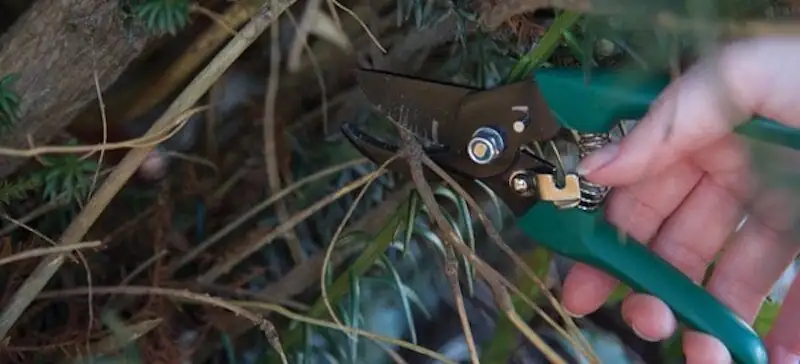
- Natural form is handsome. If it gets overly dense, lightly thin select interior shoots to improve airflow and maintain a clean silhouette.
- Timing: Light touch any time; save more purposeful thinning for late winter to early spring.
Your year-round checklist
- Spring
- Great time to buy and repot (if needed).
- Begin monthly feeding and keep soil evenly moist.
- Summer
- Maintain bright, filtered light and steady moisture; never waterlog.
- Watch for heat stress indoors—move away from hot windows/vents.
- Autumn
- Enjoy the contrast of red arils against deep-green needles.
- Keep watering consistent as days cool, avoiding soggy conditions.
- Winter
- Reduce watering; let the surface dry slightly between drinks.
- Protect container plants from severe freezes.
Buying guide: choosing a strong starter plant
- Look for:
- Straight, balanced structure with well-spaced main branches and dense fine branchlets
- Healthy gray-brown to reddish-brown bark
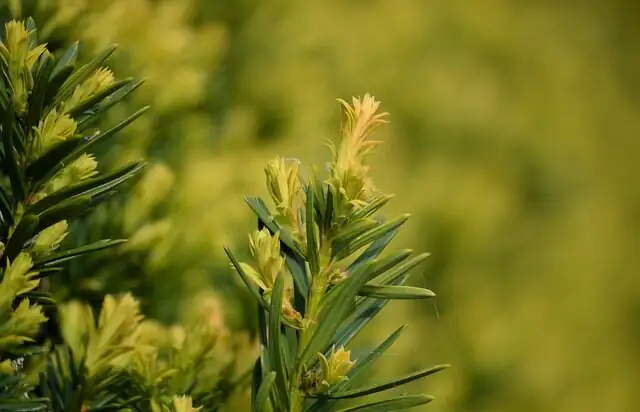
- Needles slightly thick, flat (not curled), deep green with fresh yellow-green new growth
- Avoid:
- Crooked stems, missing or damaged branchlets
- Yellowing older leaves
- Loose, unstable potting soil
Troubleshooting made easy
- Yellowing needles in year two (very common in pots):
- Likely soil chemistry drift and/or drainage issues. Repot into a fresh acidic mix and ensure good drainage.
- Consider chelated iron per label directions to correct iron chlorosis.
- Overwatering signs:
- Limp or yellowing needles, musty smell, water sitting in the saucer.
- Underwatering signs:
- Browning tips, brittle feel, soil pulling from pot edges.
- Light stress:
- Scorch or bronzing = too much direct sun; leggy growth = too little light.
- Pests:
- Generally tough, but scale can appear. Check regularly, use yellow sticky cards to monitor, and treat with horticultural oil or a labeled scale-control product—follow instructions carefully.
Propagation quick notes
- Seeds: Slow but classic; many need 1–2 years of cold stratification before spring sowing.
- Cuttings: More reliable from younger plants (often under ~10 years old).
- Grafting and layering: Possible for enthusiasts who enjoy advanced techniques.
Safety first
- Highly toxic if ingested. Needles, bark, and especially the seeds are dangerous. The red aril is less toxic than other parts, but the seed inside is hazardous.
- Keep away from children and pets. If ingestion is suspected, seek urgent medical or veterinary help.
Why Chinese yew is special
- Evergreen elegance: Dense, deep-green needles offer year-round structure.
- Seasonal drama: Bright red arils in autumn often persist into winter.
- Cultural notes and symbolism: Long associated with endurance, longevity, and resilience—fitting for a plant that holds its color through cold and time. In horticultural literature, yews are also noted for medically important compounds found within the genus; respect the plant’s toxicity and never self-medicate.
Quick FAQ
- Does it flower?
- Yes, but very discreetly in spring—yews are prized more for their needles and red arils.
- Is it a good houseplant?
- As a cool-loving container plant, yes—provided you give bright, filtered light (about 1 m back from sunny windows), an acidic well-drained mix, and consistent moisture without waterlogging.
Follow this playbook—cool temps, filtered light, steady but careful watering, gentle monthly feeding, and minimal-disturbance repotting—and your Chinese yew will reward you with poise, longevity vibes, and that irresistible deep-green-and-red duet every year.