

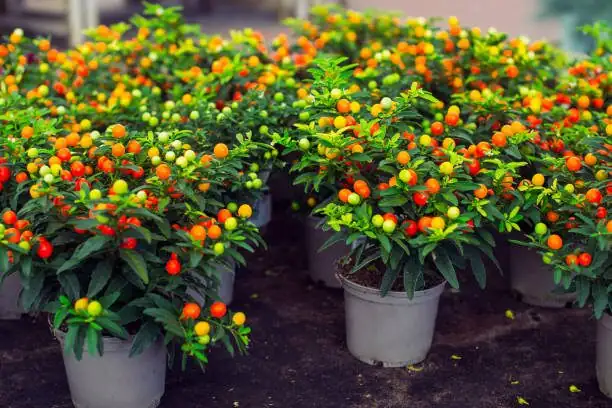
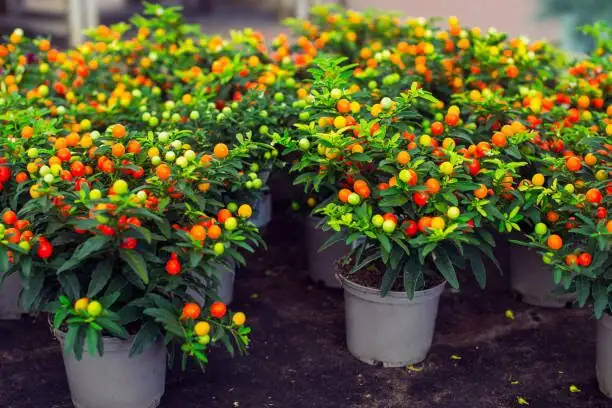
Picture a compact, glossy green shrub studded with tiny starry blooms in autumn, then smoldering into winter with clusters of tomato‑like berries that blush from green to orange to coral‑red. That’s Solanum pseudocapsicum—Jerusalem cherry, winter cherry—a short‑lived but spectacular potted subshrub that thrives when you steer it season by season. Use this roadmap to keep plants bushy, displays rich, and those festive fruits holding for weeks.
Meet Solanum pseudocapsicum, the winter‑fruiting charmer
- What it is: An evergreen, compact subshrub in the nightshade family (Solanaceae), loved for its long‑lasting red berries in the colder months.
- Size and habit: Typically 30–60 cm (12–24 in) tall and 30–45 cm (12–18 in) wide in containers; naturally bushy if pinched once early on.
- Show time: Small, white, star‑shaped flowers in autumn; berries color up through winter—this is the main ornamental feature.
- Light and warmth: Bright light to full sun; best around 20–25°C (68–77°F). Frost‑tender.
- Indoors/out: A bright east‑ or south‑facing windowsill in autumn–winter; in warm months, a sunny, sheltered balcony or patio spot works beautifully.
- Toxicity: All parts, especially the berries, are toxic if eaten. Keep away from children and pets.
The seasonal roadmap
Spring: Wake‑up feed and shaping
Goal: Build a compact framework and lush foliage that can power autumn flowers and winter fruit.
- Light and temperature
- Give as much bright light as you can; aim for 20–25°C (68–77°F).
- After frost danger passes, acclimate outdoors in sun with shelter from harsh wind.
- Watering rhythm
- Water thoroughly when the top 2–3 cm (about 1 in) of the mix dries. Avoid the “drought then drench” cycle.
- Feeding to fuel structure
- Feed every 2 weeks with a balanced fertilizer during active growth.
- Pinch for branching
- When young plants reach 10–15 cm (4–6 in), pinch the tip once to encourage dense, rounded growth with short internodes.
- Pot and mix
- Prefers a loam‑based, fertile, well‑draining mix improved with peat/coco and coarse sand/perlite.
- Keep slightly pot‑bound in a 10–15 cm (4–6 in) pot; only repot if roots are circling heavily.
- From seed
- Sow indoors now; best germination at 18–20°C (64–68°F). Expect sprouts in 10–12 days.
Pro tip: Stable conditions now pay back later. This plant drops leaves (and later, fruit) when light, temperature, or moisture swing wildly.
Summer: Sun, steady moisture, pinching and cuttings
Goal: Hold a compact silhouette, bank energy, and clone your best plant.
- Sun and shelter
- Full sun to very bright light outdoors in a warm, protected spot. Avoid battering rain and drying winds.
- Water and feed
- Continue watering when the top 2–3 cm dry; keep evenly moist but never waterlogged.
- Feed every 2 weeks with a balanced formula.
- Shape maintenance
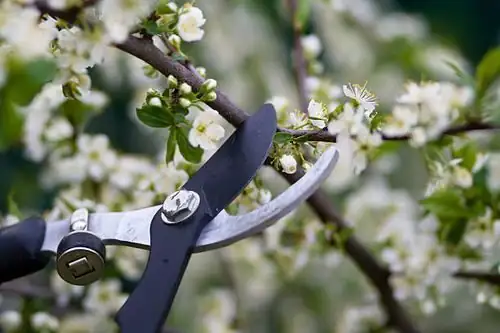
- Light tip‑pinches keep plants dense; stop heavy pinching by late summer so new stems mature for autumn flowering.
- Propagation by cuttings
- Take 10 cm (4 in) semi‑ripe stem cuttings in early–mid summer.
- Root in warm, humid conditions; they usually take in 2–3 weeks.
- Pest watch
- Whiteflies can appear, especially on plants moved indoors. Treat promptly with insecticidal soap or horticultural oil and improve airflow.
Pro tip: Grow in free‑draining media and avoid soggy saucers. Stagnant, wet roots in warm weather invite disease.
Autumn: Bloom, set, and color up
Goal: Maximize flower set and convert blooms into long‑lasting berries.
- Lighting shift
- Move to the brightest spot you have—an east‑ or south‑facing window if you’re bringing it indoors. Bright light now equals more berries later.
- Encourage fruit set
- As buds and flowers appear, reduce watering slightly—keep the mix lightly moist, not wet.
- Give 1–2 extra feeds with higher phosphorus and potassium (e.g., around 15‑15‑30) to support flowering and fruiting.
- Hand pollination indoors (optional but helpful)
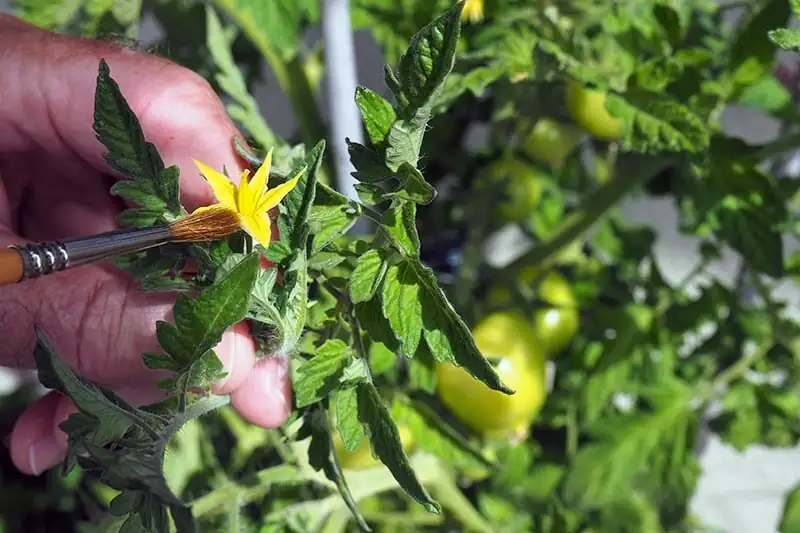
- If grown behind glass, gently tap stems or use a soft brush to move pollen between flowers on still, mild days to improve fruit set.
- Temperature steadiness
- Aim for warm days within the 20–25°C (68–77°F) range, avoid sudden swings, and keep away from drafts. Temperature shocks trigger leaf and fruit drop.
- Water etiquette
- Don’t splash flowers or developing berries; wet fruit spots easily and can rot.
Pro tip: Good airflow plus “dry leaves, moist roots” reduces leaf spot and anthracnose risk.
Winter: Hold the show—light and temperature balance for long‑lasting berries
Goal: Keep fruit bright and attached for weeks.
- Light
- Park it right in a very bright window (east or south). Supplementary light helps in dim climates.
- Temperature
- Keep above 8–10°C (46–50°F). Avoid cold drafts, heaters blowing directly, and abrupt changes.
- Watering cadence
- Water sparingly—often every 4–5 days in cool, dim periods is enough, but adjust to your conditions.
- Aim for “lightly moist to slightly dry.” Never waterlog; avoid the feast‑or‑famine cycle.
- Handling
- Ripe berries detach easily. Minimize jostling; rotate the pot gently if you need even light.
- After the display
- Many growers treat it as a one‑ to two‑year decorative plant. If you’ll keep it, plan a post‑winter cutback to prompt fresh spring shoots.
Pro tip: Slightly drier soil in winter helps berries last longer and reduces drop.

Troubleshooting: crisp foliage, sticky pests, falling fruit
- Leaf or berry drop
- Prime culprits: low light, cold drafts, or wet soil.
- Fix: move to brighter light, keep above 8–10°C (46–50°F), and water more sparingly in winter.
- Whiteflies
- Isolate. Treat with insecticidal soap or horticultural oil; repeat as needed. Improve airflow and reduce leaf crowding.
- Leaf spot/anthracnose
- Avoid wetting leaves and berries, provide good air movement, and remove affected parts promptly.
- Watering cues
- In active growth: water when the top 2–3 cm dry.
- During flowering: reduce slightly.
- In fruit and winter: keep just slightly dry, never sodden.
Quick buying and staging guide
- Choose plants that are:
- Compact and well‑branched, with short internodes and dense foliage.
- Free of yellowing leaves.
- Loaded with firm, glossy berries of fairly even size and ripeness.
- Transport and placement
- Handle gently—fruiting stems snap and ripe berries drop easily.
- Set immediately in bright light (east/south window or sunny balcony) and avoid rapid temperature changes.
Soil, pots, and repotting
- Mix: Rich, well‑draining, loam‑based potting mix amended with peat/coco and coarse sand/perlite.
- Pot: 10–15 cm (4–6 in) diameter; slightly pot‑bound plants stay compact and flower well.
- Repot: Only when needed to avoid overpotting and soggy soil.
Keep or start anew? Your year‑two revival plan
- Late winter/early spring, cut back older plants to rejuvenate. Under strong light, fresh shoots often form and can flower and fruit again.
- Alternatively, root summer cuttings and keep a steady pipeline of compact, first‑class plants for the next winter display.
Safety, symbolism, and a gentle myth‑bust
- Toxicity: The berries and all parts contain solanaceous alkaloids. Do not eat. Display out of reach of children and pets.
- Symbolism: Often given for seasonal cheer and “good luck” because it glows in the darkest months—less a traditional flower language than a cultural nod to brightness and abundance when daylight is shortest.
- Myth‑bust: It’s not a cherry at all and not from Jerusalem—it’s native to South America, simply long grown (and sometimes naturalized) well beyond its homeland.
Snapshot care calendar
- Spring–summer
- Bright light; water as the surface dries; feed every 2 weeks.
- Pinch in spring; take semi‑ripe cuttings in summer.
- Autumn
- Very bright light; reduce watering slightly during bloom.
- Add 1–2 higher P/K feeds to boost fruit set.
- Autumn–winter display
- Keep above 8–10°C (46–50°F); avoid drafts.
- Water lightly (often every 4–5 days in cool, dim weather), keeping the mix slightly dry to help berries last.
Follow this seasonal rhythm, and your Jerusalem cherry will repay you with a compact, leafy silhouette and a long, gleaming cascade of winter berries—your own pocket‑sized holiday lantern through the cold.