

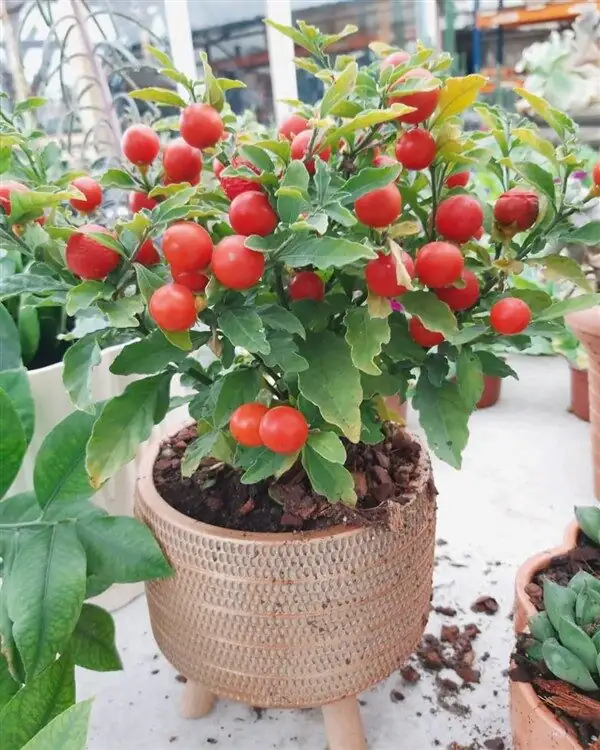
Bright as cranberries and neat as little ornaments, Jerusalem cherry (Solanum pseudocapsicum) is the quintessential “holiday windowsill” plant—compact, evergreen, and heavy with glossy berries that color from green to orange to coral-red just when the days turn short. With a few smart safety habits, you can enjoy every bit of its winter sparkle without worry.
Meet Jerusalem cherry (Solanum pseudocapsicum)
- What it is: A compact, evergreen subshrub in the nightshade family (Solanaceae). It isn’t a true cherry—the “cherries” are ornamental berries.
- Look and size: Dense, bushy plants typically 30–60 cm (12–24 in) tall and 30–45 cm (12–18 in) wide in a 10–15 cm (4–6 in) pot. Narrow-oval leaves, small starry white flowers in autumn, then clusters of long-lasting berries through winter.
- Origin and habit: Native to South America; widely grown and naturalized in warm-temperate and subtropical regions of Europe and Asia. Usually kept as a one- to two-year potted plant for winter color.
- Light and climate: Loves bright light to full sun and tolerates partial shade. Ideal temperatures are 20–25°C (68–77°F); keep above 8–10°C (46–50°F) in winter. Frost-tender.
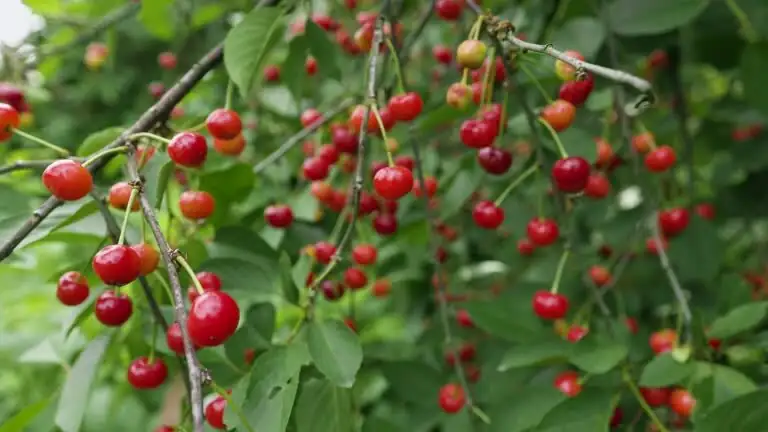
Why the berries are not for snacking: a calm guide to nightshade alkaloids
Jerusalem cherry’s fruits and foliage contain solanaceous alkaloids—the same general class of glycoalkaloids found in many nightshades. These compounds taste unpleasant and can irritate the gut.
What that means in plain terms:
- All parts are toxic if eaten, with the berries the most tempting to kids and pets.
- Typical outcomes after ingestion are gastrointestinal upset (nausea, vomiting, diarrhea, belly pain).
- Serious effects are uncommon, but larger ingestions can cause more pronounced symptoms; prompt guidance helps keep things uneventful.
This isn’t a plant to fear—just one to respect. Think of it like a bottle of sherry on the bar cart: lovely to look at, kept out of reach.
Where to place your pot for beauty and safety
Light-first placement (so berries stay bright)
- Best spots: An east- or south-facing windowsill with strong light. Indoors in autumn/winter; outdoors on a sunny, sheltered balcony/patio only in warm weather.
- Comfort zone: 20–25°C (68–77°F). In winter, avoid cold drafts and sudden temperature swings that can trigger leaf and berry drop.
Child- and pet-smart positioning
- Put it high, not central: Use a sturdy plant shelf, tall console, or bookcase—at least above toddler reach and away from cats’ launchpads.
- Close the buffet gap: Don’t stage it near food spreads, fruit bowls, or kitchen islands where berries could be mistaken for snacks.
- Contain the curiosity: Consider a decorative plant cage, elevated cloche-style cover with ventilation, or a display inside a glass-front cabinet if little hands/paws are persistent.
- Party savvy: Skip using it as a dining-table centerpiece within reach. Mantels can work—just keep it well away from stockings that invite tugging.

Pro tip to minimize berry drop
- Water evenly (never soggy), avoid the “drought then drench” cycle, and don’t splash water on the fruits.
- Handle gently—ripe stems snap and berries detach easily. Sweep up any fallen berries right away.
What to do if someone (or a pet) nibbles
Stay calm. Most exposures are small and cause at most mild stomach upset. Quick, simple steps are best.
If a child tastes a berry or leaf
- Remove any plant material from the mouth and rinse with water.
- Offer small sips of water. Do not induce vomiting.
- Note what and how much was eaten and when.
- Call your local poison control center for guidance. In the U.S.: 1-800-222-1222 (available 24/7).
- Seek urgent care if there’s persistent vomiting, severe abdominal pain, unusual drowsiness, trouble breathing, or if multiple berries were swallowed.
If a pet ingests fruit or leaves
- Remove access to the plant and gently wipe out any residue from the mouth.
- Do not induce vomiting unless a professional directs you.
- Contact your veterinarian or a pet poison service promptly. In the U.S., Pet Poison Helpline: 855-764-7661 (24/7).
- Watch for drooling, vomiting, diarrhea, lethargy, dilated pupils, or weakness—especially after larger ingestions.
Bring a photo of the plant or its care tag to the clinic if an evaluation is recommended.
Labeling, gifting, and holiday etiquette (the cheerful, responsible way)
Make the safety message clear and friendly
- Tag text you can copy:
- “Ornamental only—do not eat. Contains solanaceous alkaloids. Keep away from children and pets.”
- “Display high and bright. Not edible.”
- Include a small care card with light, watering, and placement tips.
Before you gift
- Ask quietly: “Any curious pets or toddlers at home?” If yes, offer safe alternatives (e.g., Christmas cactus, mini Norfolk Island pine, paperwhites kept out of pet reach but not chewed).
- Package securely: Keep the pot upright and cushioned during transport to prevent berries dropping in the car.
- For hosts: If using as décor at gatherings, place it beyond reach and away from food service areas, with a discreet “ornamental, not edible” place card nearby.
Quick care essentials for a long, showy winter
- Light: Bright light to full sun; an east or south window is ideal. Tolerates partial shade.
- Water: In active growth, water thoroughly when the top 2–3 cm (about 1 in) of mix dries. During flowering, ease up a bit to encourage fruit set. Once fruiting, keep just slightly on the dry side—never waterlogged. In cool, dim winter periods, many homes find every 4–5 days is enough; adjust to your conditions.
- Temperature: 20–25°C (68–77°F) best; never below 8–10°C (46–50°F). Avoid drafts and big temperature swings.
- Soil: Rich, well-draining potting mix (loam-based with peat/coco and coarse sand/perlite).
- Feeding: Every 2 weeks in active growth. As buds/flowers appear in autumn, add 1–2 feeds higher in phosphorus and potassium (e.g., around 15-15-30) to support flower and fruit.
- Shape and size: Pinch once at 10–15 cm (4–6 in) to encourage a compact, bushy plant. After winter, older plants can be cut back; fresh shoots often follow under bright light.
- Propagation:
- Seed in spring at 18–20°C (64–68°F); germination typically in 10–12 days.
- Semi-ripe cuttings in summer, about 10 cm (4 in); root in 2–3 weeks with warmth and humidity.
- Repotting: Slightly pot-bound is ideal for a dense display. Avoid overpotting and soggy soil.
Buying the best holiday specimen
- Choose compact, well-branched plants with dense, medium-green foliage and lots of firm, glossy berries of similar size.
- Skip any with yellowing leaves or soft, bruised fruit.
- Handle gently on the way home—ripe fruit drops easily. Set it immediately in bright light, water carefully, and avoid quick temperature changes.
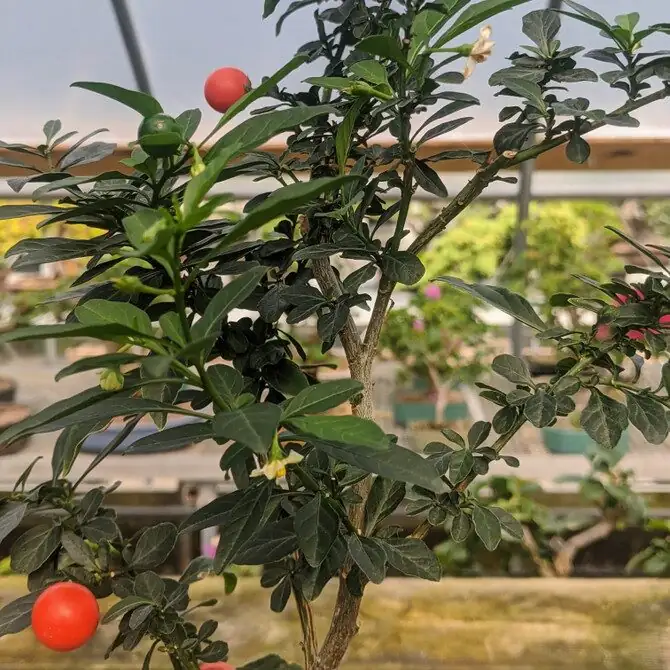
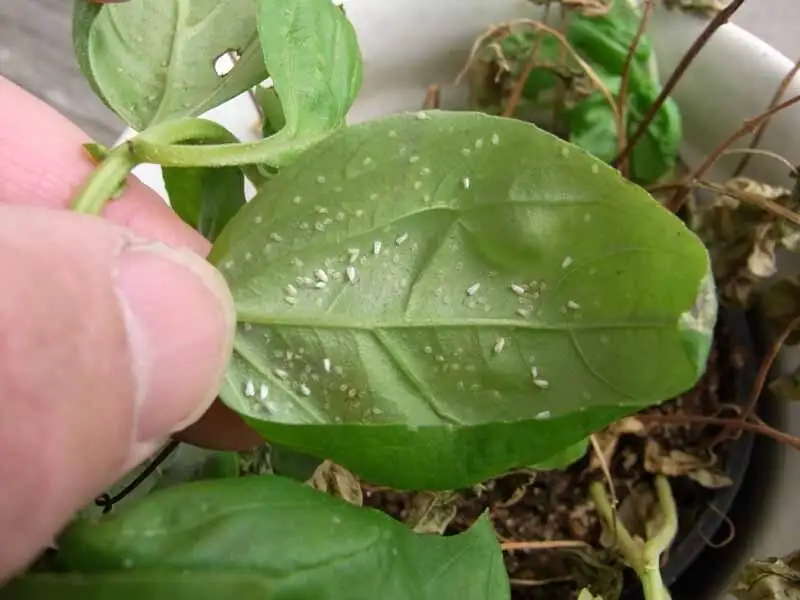
Common pests and diseases (and calm fixes)
- Whiteflies indoors: Isolate the plant; treat with insecticidal soap or horticultural oil. Repeat as needed.
- Leaf spot/anthracnose: Often from stagnant air and wet foliage/berries. Improve airflow, avoid overhead watering, and remove affected parts promptly.
Symbolism and the “flower language” behind those berries
Bright berries in the darkest months naturally read as cheer, prosperity, and “good luck”—meanings that have attached to Jerusalem cherry in winter décor for generations. In Victorian floriography and later marketing traditions, many plants were assigned tidy morals or wishes; with Jerusalem cherry, the symbolism is more about seasonal abundance than a codified historical message. Think of it as a small, living wish for color and warmth when days are short.
—
With smart placement, a clear “ornamental—not edible” label, and a plan for “what if,” you can enjoy Jerusalem cherry’s coral-red sparkle all season—beautiful, festive, and confidently safe.