

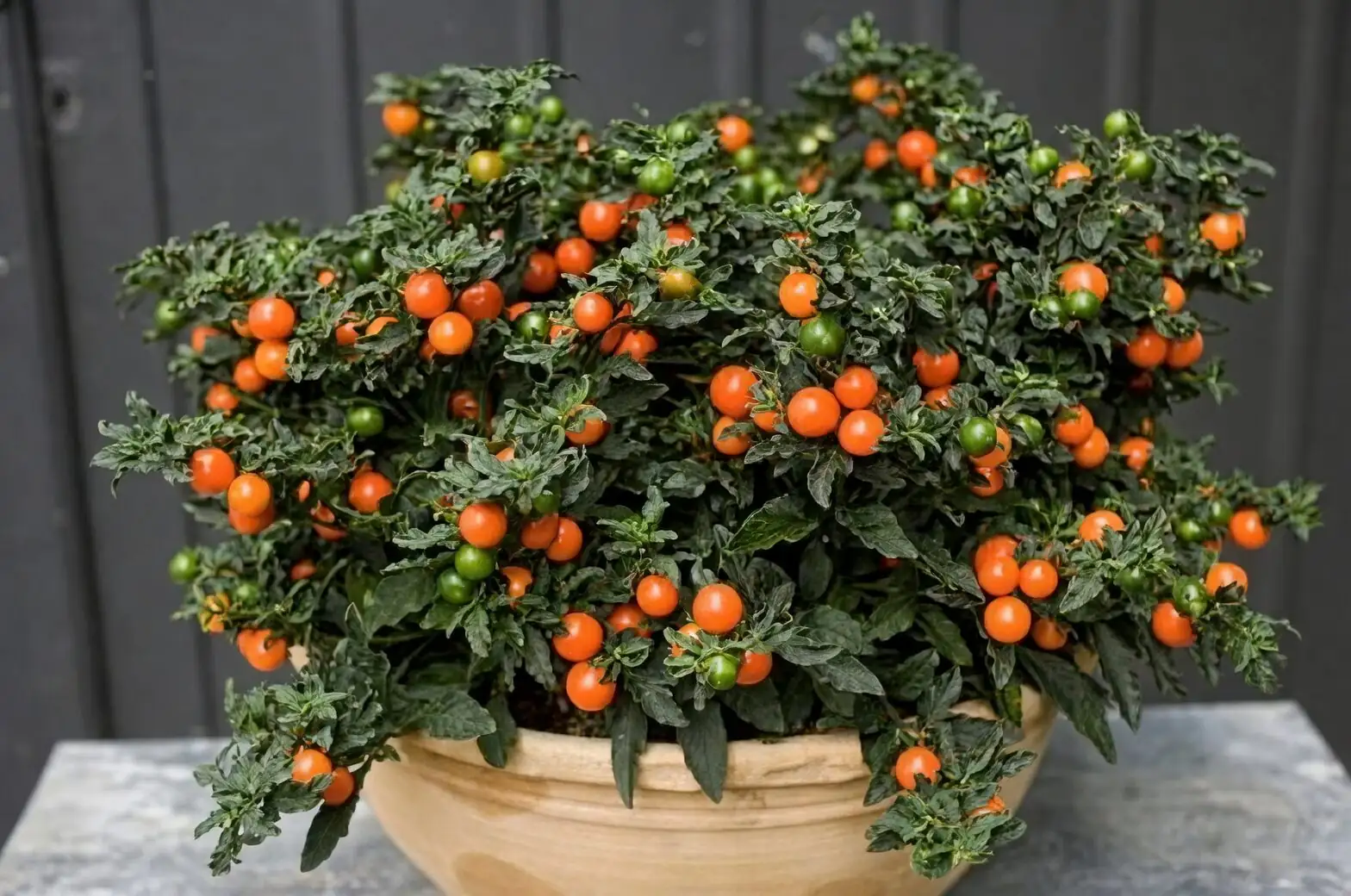
Step into a winter parlor—frost on the panes, candles aglow—and there on the sill sits a small shrub beaded with coral-red marbles. Solanum pseudocapsicum, better known as Jerusalem cherry or Christmas cherry, has been quietly broadcasting a simple message for generations: good luck and seasonal cheer. How did this compact, evergreen subshrub come to carry such a warm wish across continents and centuries? Its language is written in color, timing, and tradition.
Meet the plant behind the message
- Botanical name: Solanum pseudocapsicum (family Solanaceae)
- Common names: Jerusalem cherry, Christmas cherry, Winter cherry, False Jerusalem cherry, Madeira winter cherry
- Origins: Native to South America; widely grown and naturalized in warm-temperate and subtropical parts of Europe and Asia
- Look and habit: A compact, evergreen, bushy subshrub often kept as a one- to two-year potted plant. It blooms with small, starry white flowers in autumn, then loads up with glossy berries that turn from green to orange to bright red. Those fruits can glow for weeks through winter—right when color feels most needed.
- Safety note: The berries (and other parts) are toxic if eaten. This is a decorative “cherry,” not a snack.
How a winter berry learned to speak “good fortune”
Flower language (花语) isn’t just about petals; it’s about context. The Jerusalem cherry’s “good luck/seasonal cheer” meaning grew from three entwined threads: color, abundance, and impeccable timing.
Color, abundance, and timing
- The winter red: In the short days of late year, bright red reads as hearth, embers, and life. Red also carries long-standing associations with joy and celebration in many cultures.
- Abundance made visible: Clusters of round fruits look like beads or coins—visual shorthand for prosperity and “a house well-supplied.”
- Right plant, right moment: Because the berries peak in midwinter, the plant naturally became a symbol of cheer during the season when families gather and exchange wishes of luck and warmth.
Victorian floriography: decoding winter cheer
The 19th century turned plant-gifting into a refined conversation. While not every species had a universally fixed definition, the era’s “language of flowers” prized symbolism shaped by color, habit, and season. In parlors where ivy, holly, and potted winter curiosities held court, Jerusalem cherry’s scarlet fruit stood out as a friendly shorthand for:
- Warmth and welcome: a bright accent for sitting rooms where guests were received
- Prosperity: heavy fruiting suggested plentitude
- Festive constancy: long-lasting berries that held through the gray weeks felt like a promise kept
Nurseries capitalized on this winter charisma, offering compact, berried plants as fashionable gifts—an unspoken “May your hearth be merry and your pantry full.”
European holiday gifting: from windowsill to well-wishing
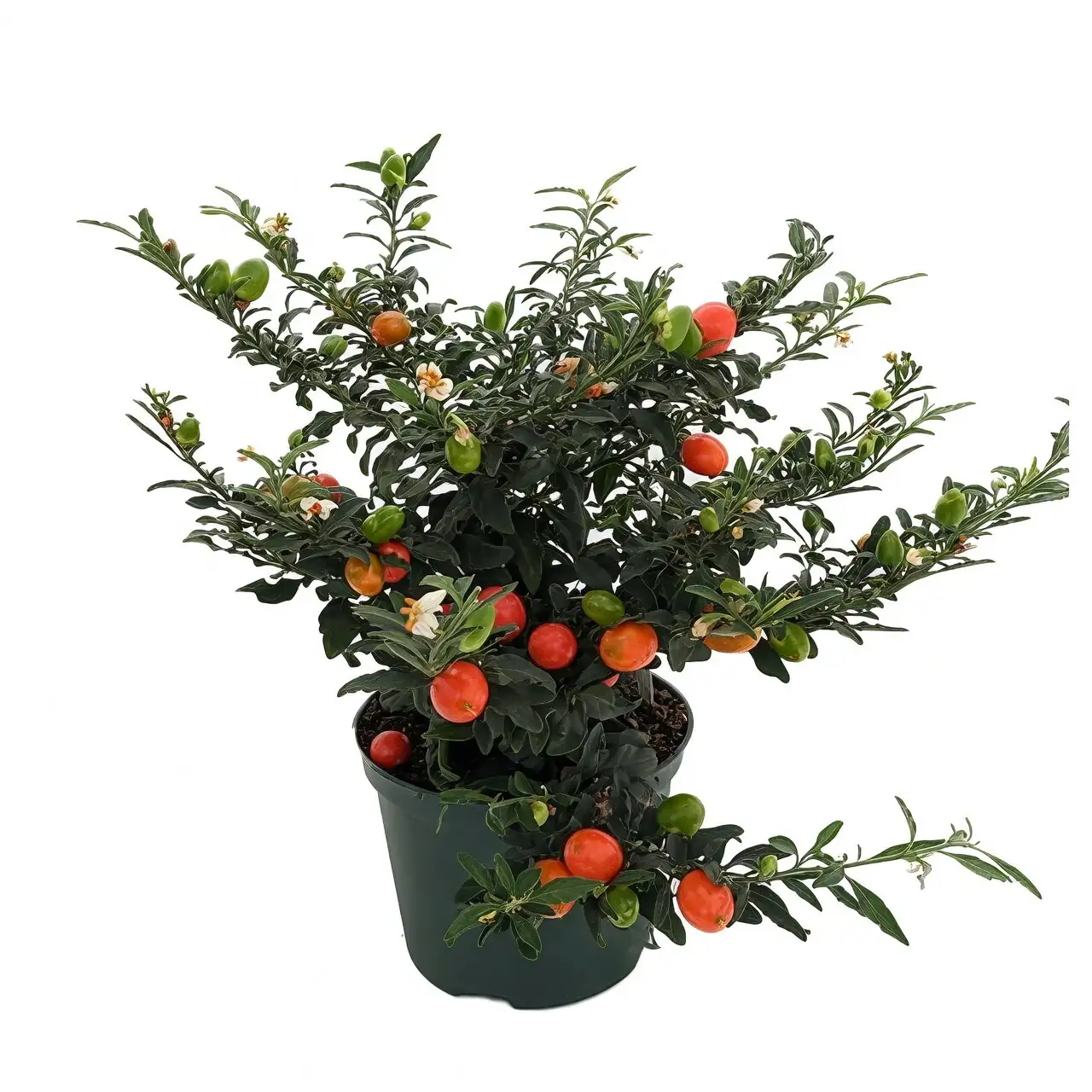
Across Europe, the plant’s December-to-January show made it a natural fit for holiday markets and florist windows—hence common names like “Christmas cherry.” Presented in a small pot or basket and paired with evergreen sprigs, it became a thoughtful host gift:
- Red berries played neatly with traditional red-and-green palettes.
- The weeks-long display rewarded recipients with steady color.
- The plant’s tidy size fit on mantels, windowsills, and sideboards—little lighthouses of cheer.
East Asian decor: auspicious red for the turning of the year
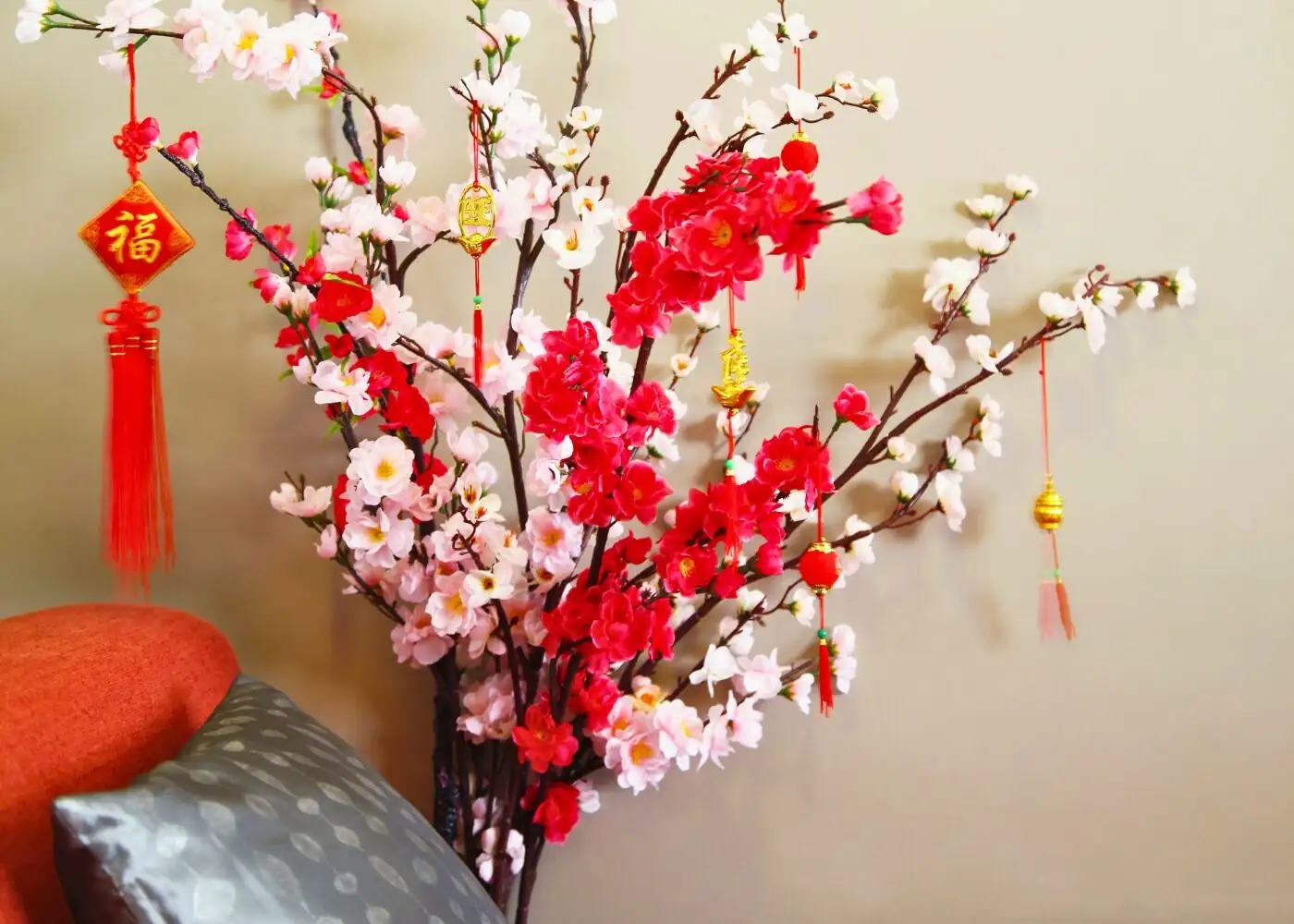
In East Asia, where red signifies luck and celebration, Jerusalem cherry’s vivid berries found an eager audience. Sold as a decorative winter plant (called 珊瑚豆 in Chinese and popularly known in Japan as “winter coral”), it harmonizes with year-end and Lunar New Year arrangements:
- Red-and-gold ribbons or a simple ceramic cachepot amplify the “good fortune” cue.
- The berry clusters echo coral beads—auspicious ornaments in themselves.
- Placed by an entry or bright window, it reads as a polite wish for prosperity in the year ahead.
What its flower language means for modern gift-giving
Think of Jerusalem cherry as a seasonal postcard in plant form—“Wishing you warmth, color, and a little luck.”
When to give it
- Winter holidays: Christmas, New Year, Lunar New Year
- Housewarmings in colder months
- Office or lobby decor where a compact, bright accent is welcome
What to say with it
- “May your winter be bright and your year abundant.”
- “For warmth at the window and luck at the door.”
- “A small harvest of cheer to carry you through the season.”
How to present it beautifully
- European classic: A wicker cachepot, tucked with a ring of moss and a narrow velvet ribbon (burgundy, forest green, or gold).
- East Asian-inspired: A low white or celadon pot with a red cord or gold thread, set on a bamboo tray.
- Minimal modern: Matte black planter, soft linen wrap, hand-lettered care card clipped to a bamboo stake.
Etiquette essentials
- Safety first: Berries are toxic. Avoid gifting to homes with curious pets or small children. Add a small “ornamental—do not eat” tag.
- Set expectations: It’s often enjoyed as a short-lived seasonal plant; that’s part of its charm. If the recipient loves to keep plants, include tips to extend its display.
- Placement matters: A very bright window keeps berries vivid and attached; a dim corner invites drop.
- Thoughtful pairing: For extra auspicious flair, pair with a sprig of evergreen or a gold ribbon. Skip edible gift pairings to avoid mixed signals.
Quick care notes to make the luck last
A little guidance makes your good-luck gift shine longer. Include a simple card like this:
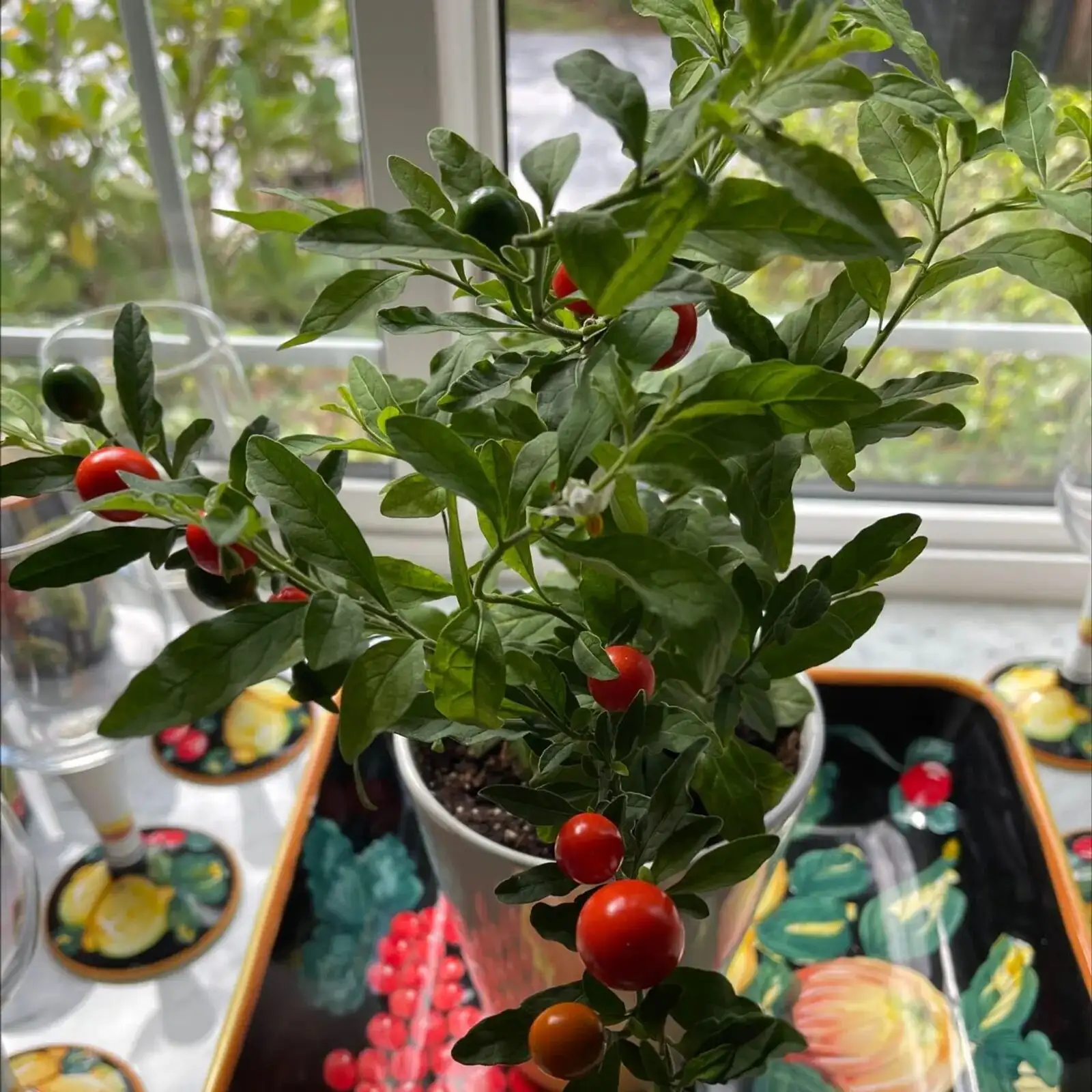
- Light: Bright light to full sun. Best on an east- or south-facing windowsill.
- Temperature: Aim for 20–25°C (68–77°F) in the day. In winter, keep above 8–10°C (46–50°F) and away from drafts—sudden chills can drop leaves and berries.
- Water: Water when the top 2–3 cm (about 1 in) of soil dries. In winter, go light—keep the mix lightly moist to slightly dry. Avoid splashing water on the berries.
- Feeding: During active growth, feed every 2 weeks; switch to a bloom/fruit-boosting formula in autumn to support berries.
- Pruning: Pinch young plants once to stay bushy. After winter, a cutback can prompt fresh shoots if you’d like to keep it.
- Pests: Watch for whiteflies indoors; treat promptly with insecticidal soap or horticultural oil.
Tip: The red display often lasts for weeks. Good light and steady temperatures are the secret to “no-drop” berries.
Why its message still resonates
- It’s timely: At the year’s dim edge, a pot that glows feels like a hearth in miniature.
- It’s tangible: Berries read as beads or coins—clear symbols of luck and plenty without saying a word.
- It’s cross-cultural: Victorian parlors, European holiday tables, and East Asian New Year vignettes all read the same cue in red.
A final word on beauty and care
Jerusalem cherry is a charming ambassador of prosperity and warmth, but remember it’s strictly ornamental. Keep it out of reach of children and pets, and let the berries speak from a safe, sunlit perch. As gifts go, few plants say “May your season be bright, and your year be kind” quite so clearly—or so cheerfully—as this little winter lantern.