

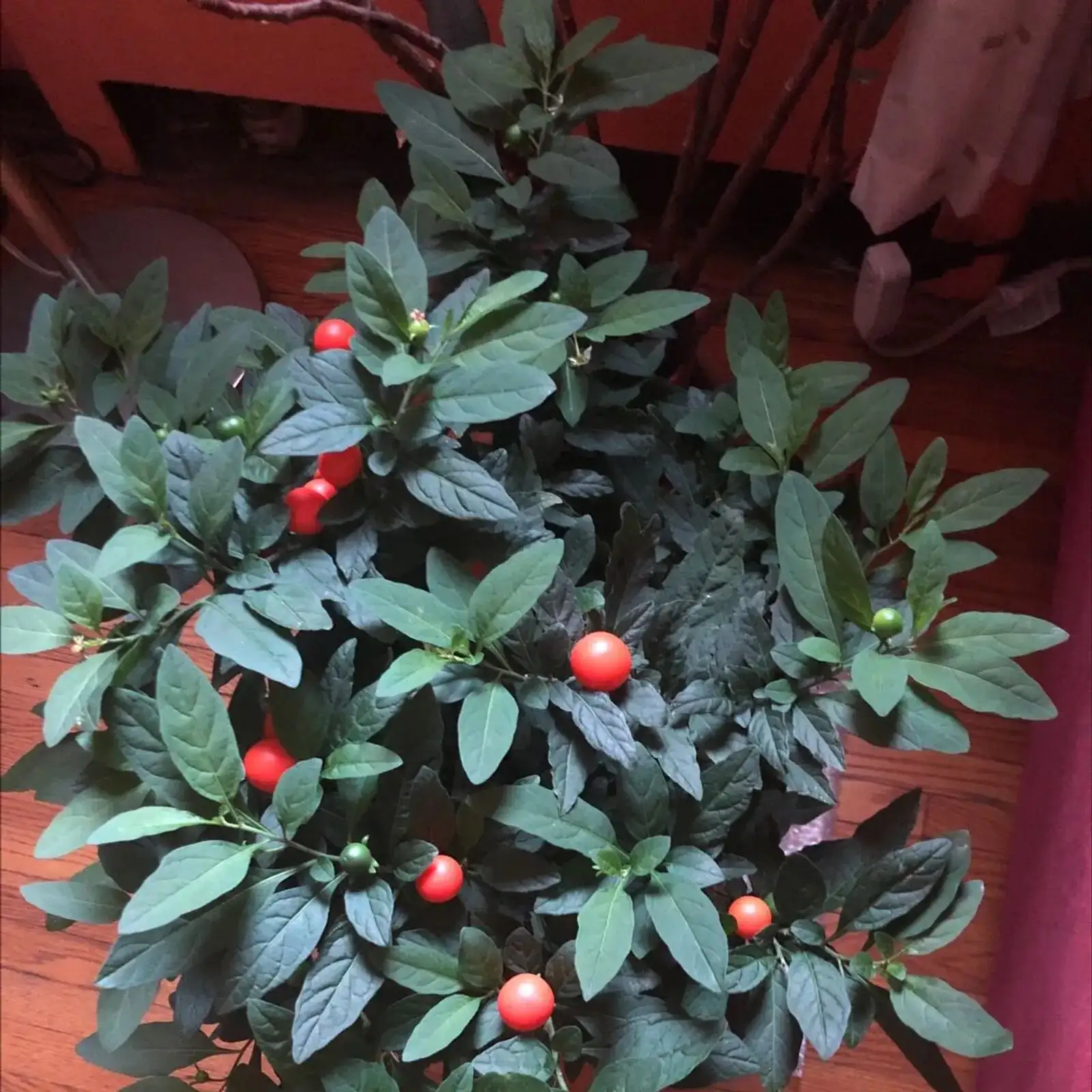
It began as a flash of color on South American hillsides—then slipped into European conservatories, staged a winter takeover of Victorian parlors, and today glows from modern holiday market stalls like a bowl of living ornaments. Solanum pseudocapsicum, the so‑called Jerusalem cherry, is the plant that tricked three centuries of shoppers into calling its berries “cherries,” then made itself indispensable every December anyway.
From far South to fireside: a plant on the move
Native to South America, this compact evergreen subshrub journeyed outward with plant hunters and merchants, settling into warm-temperate and subtropical corners of Europe and Asia where it now grows widely and often naturalizes. By the mid-18th century it had caught the eye of taxonomists—Carl Linnaeus formally described it in 1753—and horticulture soon did the rest. Greenhouse culture in places like Madeira helped popularize it for European markets, which explains one early alias: Madeira winter cherry.
Once indoors, it proved irresistible. In a gray northern winter, this small, glossy-leaved plant carried clusters of lacquer-red berries that refused to fade. Parlors, shop windows, and holiday tables got a ready-made splash of cheer that lasted for weeks.
How a nightshade earned all those “cherry” names
A roll call of aliases tells the story of its winter stardom and a few misdirections:
- Christmas cherry, winter cherry: a nod to its bright, cherry-sized berries coloring up in the festive season.
- Jerusalem cherry and false Jerusalem cherry: the “Jerusalem” tag was fashionable shorthand for the exotic in 18th–19th century Europe (think “Jerusalem artichoke”). Retailers leaned into romantic geography; botanists later added “false” to remind everyone this isn’t a cherry at all.
- Madeira winter cherry: a souvenir name from early cultivation and trade hubs.
In short, the name sold the season: tiny “cherries,” right when fruit bowls were empty and windowsills needed color. The plant’s true identity, a nightshade in the tomato/pepper family (Solanaceae), only made the story more intriguing.
Meet the plant behind the legend
- Habit and size: A compact, bushy, evergreen subshrub, typically 30–60 cm tall and 30–45 cm wide in pots. Often grown as a one‑ to two‑year decorative houseplant for peak fruiting.
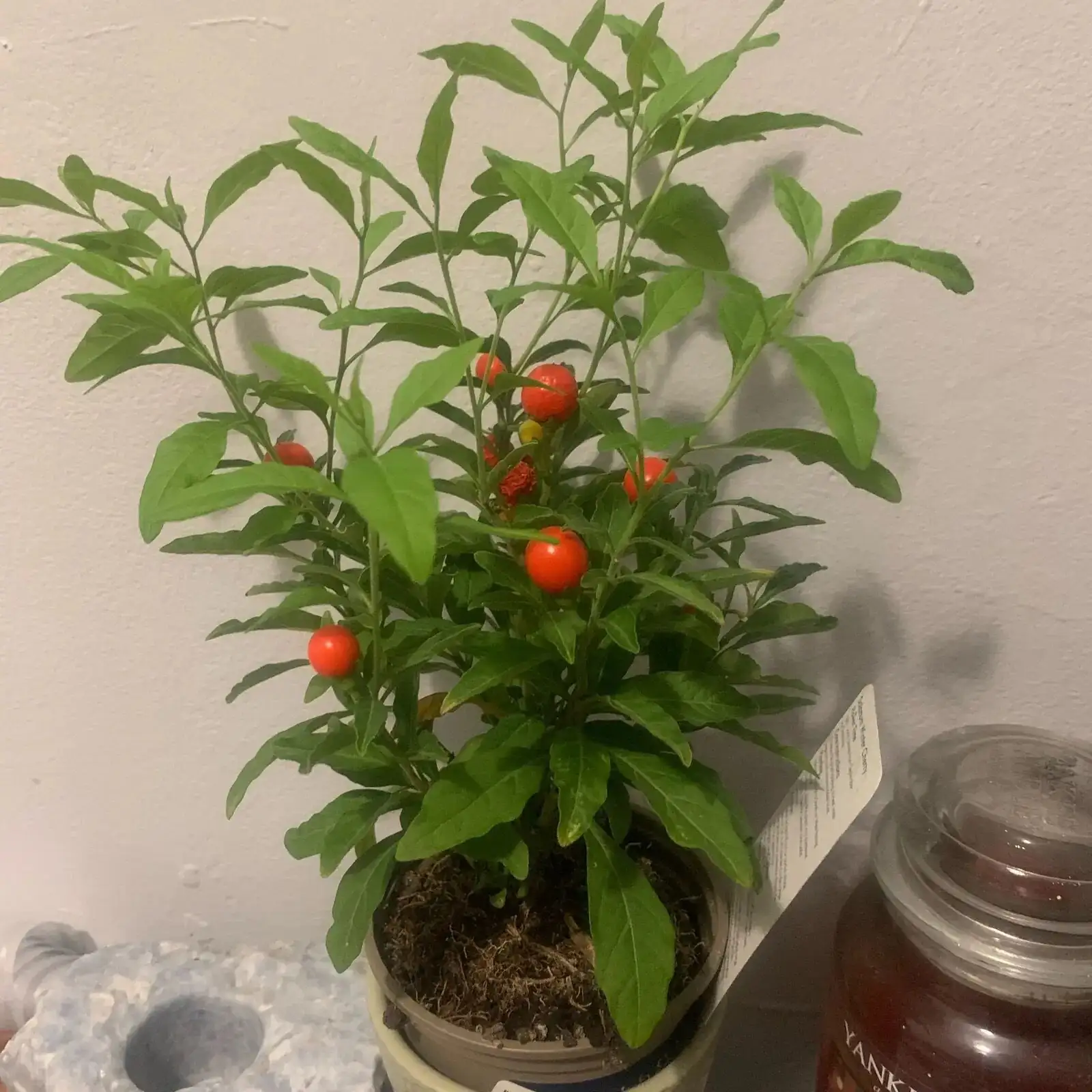
- Foliage: Narrow-oval to lance-shaped leaves of medium green, densely borne on well-branched stems. Pinching when young (at 10–15 cm tall) keeps it neatly rounded.
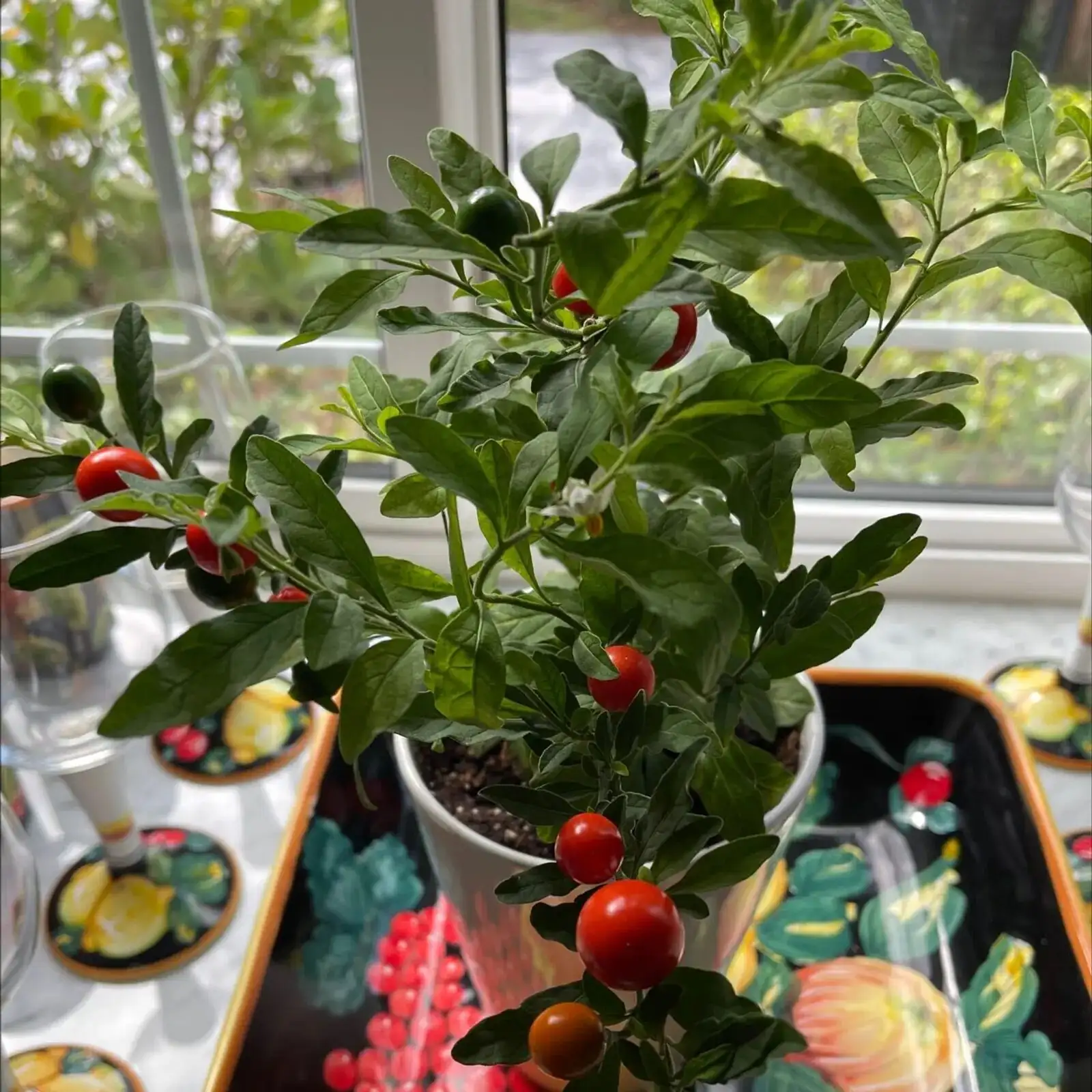
- Flowers and fruit: Small, white, star-shaped flowers in autumn give way to glossy, marble-round berries that shift from green to orange, then a bright coral-red through winter—the main show.
- A neat botanical quirk: You’ll often see a longer, narrow leaf paired with a shorter, rounder one on the same node, a distinctive leaf duo seen in some Solanum species.
Why it conquered holiday markets

- Long-lasting color: The berries can look perfect for weeks, turning a single plant into a living centerpiece.
- Compact and giftable: Happy in 10–15 cm pots, easy to stage on windowsills, mantels, and shop displays.
- Built for contrast: Red fruits set off evergreen leaves and winter light—instant seasonal mood.
Light, warmth, and rhythm: how to keep the “cherries” shining
Think bright, steady, and slightly dry once fruiting. Fast swings are the enemy—especially cold drafts, dim corners, and soggy soil.
- Sunlight: Bright light to full sun; an east- or south-facing window is ideal. It tolerates partial shade but fruits best in strong light.
- Temperature: Thrives at 20–25°C in active growth. In winter, keep above 8–10°C and away from drafts; sudden shifts can trigger leaf and berry drop.
- Humidity: Moderate is fine; typical home conditions work if watering is steady and the plant isn’t kept cold and wet.
- Soil: Rich, well-draining potting mix—think a loam-based blend opened with peat/coco and coarse sand/perlite.
Watering (the make-or-break detail)
- Spring–summer: Water thoroughly when the top 2–3 cm of mix dries.
- Flowering (autumn): Ease off slightly to encourage fruit set.
- Fruiting (autumn–winter): Keep the mix just slightly dry—never waterlogged—and avoid the “drought then drench” cycle. Don’t splash the berries; it can spot and soften them.
- Winter routine: In cool, dim spells, watering about every 4–5 days often suffices; adjust to your conditions.
Feeding for flowers and fruit
- Every 2 weeks in active growth with a balanced fertilizer.
- In autumn as buds appear, give 1–2 extra feeds higher in P and K (a bloom/fruit formula around 15‑15‑30 works well).
Pruning and shaping
- Pinch once at 10–15 cm tall for branching.
- After its winter show, older plants can be cut back; fresh shoots may flower and fruit again with very bright light.
Propagation
- Seed: Sow indoors in spring at 18–20°C; germination is typically 10–12 days.
- Cuttings: In summer, take 10 cm semi-ripe stem cuttings; root in 2–3 weeks in warm, humid conditions.
Pots and repotting
- Slightly pot-bound equals compact display. Use 10–15 cm pots with free-draining, fertile mix; repot only when needed to avoid soggy soil.
A simple year with Solanum pseudocapsicum
- Spring–summer: Give strong light; water as the surface dries; feed every 2 weeks. Take cuttings in summer.
- Autumn: Keep it brilliantly lit; reduce watering slightly during bloom; add 1–2 high P/K feeds to boost fruiting.
- Autumn–winter display: Maintain 8–10°C minimum, avoid drafts and sudden temperature shifts, water lightly, and keep the mix on the slightly dry side so berries last.
Buying guide: bring home a ready-made show
- Choose compact, dense plants with short internodes and lush, even foliage.
- Look for many firm, glossy berries of similar size and ripeness; skip any with soft, bruised, or rotting fruit.
- Handle gently—ripe berries and even fruiting stems can drop in transit.
- On arrival: set in a bright east- or south-facing window (or sunny balcony in warm weather), water carefully without splashing fruits, and keep conditions steady.
Safety first: pretty but poisonous
All parts, especially the berries, contain solanaceous alkaloids. They’re toxic if eaten and can cause gastrointestinal upset. Keep out of reach of children and pets.
Pests, diseases, and quick fixes
- Whiteflies indoors: Isolate the plant; treat with insecticidal soap or horticultural oil and repeat as needed.
- Leaf spot/anthracnose: Encourage airflow, avoid wetting leaves and berries, and remove affected parts promptly.
Symbolism and “flower language”
Bright berries in the darkest months made this plant a natural emblem of seasonal cheer and good luck. The association is practical more than mystical: when gardens sleep, Jerusalem cherry is still “awake,” lighting windows like tiny lanterns. If you dabble in flower language, think of it as resilient optimism—beauty that persists through winter—tempered with a cautionary note (those toxic fruits) that appearances deserve respect.
Little-known botanical footnotes
- First written up by Linnaeus in 1753, it has a tangle of historical names in horticulture. You may still see Solanum capsicastrum on old labels—a synonym that reflects its long trade history.
- The lectotype material traces to cultivated plants associated with Madeira, echoing the “Madeira winter cherry” moniker that shows up in older catalogs.
Quick Q&A
- How do I prevent leaf and berry drop?
- Keep light strong, water sparingly in winter (slightly dry is best), and maintain temperatures above 8–10°C with no cold drafts or abrupt changes.
- Can I keep it for years?
- Many people grow it as a one–two-year display, then renew from cuttings or seed. With excellent light and pruning, older plants can rebound after a hard cutback.
Fun bits to share
- It typically flowers in autumn, then paints itself red through winter—built-in holiday timing.
- From seed, it often sprouts in just 10–12 days when kept warm.
- Those glossy winter berries hold for weeks, which is why it became a classic seasonal gift.
From South American origins to European windowpanes and today’s twinkling December markets, Solanum pseudocapsicum is the small plant with a big seasonal personality. It may not be a true cherry, but it has mastered the art of holiday color—one bright berry at a time.