

If you’ve ever pinched a single succulent leaf and dreamed of a tidy tray of new rosettes, this one’s for you. Here’s a pro‑level, step‑by‑step guide to multiplying succulents by leaf cuttings, stem cuttings, and offsets—and dialing in the three things that make (or break) success: callusing time, moisture control, and light. You’ll also get crystal‑clear signals for the exact moment to give those brand‑new roots their first real drink.
Succulents, in brief: they’re water‑storing plants spread across many families (Crassulaceae, Cactaceae, Euphorbiaceae, Asphodelaceae, Asparagaceae, and others). That built‑in reservoir is why they’re forgiving—and why propagation works so well when you manage dryness and light like a pro.
Start here: match the method to the plant
- Great for leaf cuttings: Echeveria, Graptopetalum, Graptoveria, Pachyphytum, Sedum, Crassula, many Kalanchoe.
- Great for stem cuttings: Crassula, Sedum, Aeonium, Echeveria with exposed stems, Portulacaria, many Kalanchoe; segmented cacti with pads or joints.
- Best by offsets/division (not leaves): Haworthia, Gasteria, Aloe, Agave, Sansevieria (Dracaena), Sempervivum, many cacti, Lithops.
Pro note: Many Haworthia, Aloe, Agave, most Euphorbia, and most cacti won’t leaf‑propagate reliably. Choose offsets or stems instead.
Tools, media, and setup
- Clean, sharp pruners or scissors; optional sulfur/cinnamon for dusting cuts.
- Containers with drainage; shallow, wide trays are ideal for batches.
- Fast‑draining, gritty mix (example recipe by volume): 10–20% peat/coir or similar + ~20% coarse sand + ~60–80% pumice/perlite/volcanic rock/akadama.
- Light and air: bright light, good airflow, low to average humidity. Aim for about 4–6 hours of good light daily; acclimate gradually before any full sun to prevent sunburn.
- Temperature: happiest around 15–27°C (59–81°F); keep fresh cuttings out of frost and harsh midday heat.
The art and timing of callusing
Callusing (letting wounds dry and seal) is your first rot‑prevention step. Times vary with thickness, humidity, and temperature:
- Thin leaves (Sedum, small Crassula): 12–48 hours
- Medium, fleshy leaves (Echeveria, Graptopetalum): 1–3 days
- Thick leaves/stems (Pachyphytum, Kalanchoe; many Euphorbia/cacti segments): 3–7+ days
- Large cactus pads/columns: 7–14 days until the cut surface feels leathery and matte
Place cuttings somewhere airy and shaded while they callus. If sap flows (e.g., many Euphorbia), wear gloves and eye protection; their milky latex can irritate skin and eyes.
Leaf cuttings: compact, colorful starters from a single leaf
Step‑by‑step
- Select and detach
- Choose a firm, plump leaf. Gently twist to remove the entire base (no tear).
- Skip this method for Haworthia, Aloe, Agave, most Euphorbia/cacti.
- Callus
- Let the cut end dry until matte (see timing above).
- Set and stage the moisture
- Lay the leaf on top of barely moist, gritty mix; do not bury.
- Airflow over domes: succulents prefer dry air. Average household humidity is fine.
- Light for compact babies
- Give bright, indirect light or soft morning sun; avoid harsh midday until rooted.
- Under LEDs, moderate intensity for 12–14 hours; keep fixtures ~20–30 cm (8–12 in) above trays. Increase light gradually over a week to prevent sunburn and encourage tight rosettes.
- Micro‑watering rhythm
- Mist the soil surface edge (not the leaf) lightly every 7–14 days—only when the mix is fully dry.
- In hot weather, you may check more often, but still water only after a full dry‑down; evenings are gentler in high heat.
The exact moment to water new roots
- Watch for tiny white/pink roots that have reached and anchored into the mix and a marble‑sized rosette nub (about 0.5–1 cm across).
- Perform the gentle tug test: if the baby resists, it’s anchored.
- First drink: deliver a light perimeter watering to moisten the root zone—do not flood the mother leaf.
- Thereafter: adopt a mini “soak and dry”—water thoroughly, then wait until the mix is completely dry before watering again.
- Pot up when the juvenile has 6–10 leaves and the mother leaf is mostly shriveled.
Pro tip: If roots appear but there’s no rosette yet, keep humidity normal and continue sparse edge‑misting; steady, bright light triggers leaf initiation.
Stem cuttings: fast, reliable clones with structure
Best candidates
Echeveria with visible stems, Aeonium, Crassula, Sedum, Kalanchoe, Portulacaria, and segmented cacti (pads/sections). This is also how you “reset” leggy plants.
Step‑by‑step
- Take the cut
- Cut a 5–15 cm (2–6 in) stem above a node with sterile, sharp tools.
- Strip lower leaves to expose 2–4 nodes (where roots will form).
- Callus fully
- Let stems dry 2–7 days; thick or cactus stems 7–14 days.
- Planting stance
- Insert 1–2 nodes into dry or just‑barely‑tacky, gritty mix. For fragile tips, lay the cutting horizontally with nodes touching the surface.
- Light for compact growth
- Bright, indirect light to start; add gentle morning sun after rooting.
- Keep airflow steady to discourage rot; avoid high humidity domes.
- Moisture control timeline
- After planting: wait 3–7 days with no water (longer for thick or cactus stems).
- Begin with a light edge watering or brief bottom‑water, then let the mix dry completely between sips.
The exact moment to water new roots
- Signs you can shift from “sips” to a true soak‑and‑dry:
- Tug test: firm resistance
- Visible new growth at the tip or leaf axils
- Early roots 1–2 cm long visible at the drainage holes or along the buried nodes
- First real soak: water thoroughly once these signs appear, then let the mix dry out entirely before repeating.
Cactus stems/pads: plant upright in dry mix after a thorough callus; wait 7–14 days before the first light watering. Gradually increase watering only after rooting is confirmed.
Offsets, pups, and divisions: instant plants with momentum
Who prefers this
Aloe, Haworthia, Gasteria, Agave, Sempervivum, Sansevieria (Dracaena), many cacti, and clumping Lithops.
When to separate
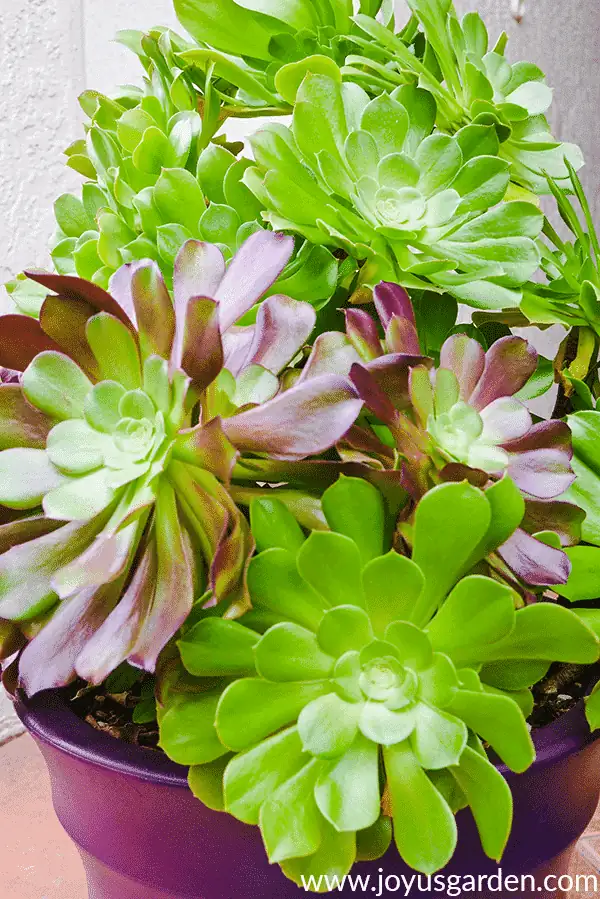
- Rosette types: pup has 3–5+ leaves and its own roots
- Cacti: pup is ~1/3 the size of the parent or already rooted
- Sansevieria: divide rhizomes with at least one healthy fan/leaf cluster
How to do it cleanly
- Unpot and tease apart roots; cut cleanly if needed.
- Let any wounds callus 1–3 days (longer for thick, juicy bases).
- Replant in dry, gritty mix; keep upright and supported.
- Delay water 3–7 days, then water lightly. Move to full soak‑and‑dry only after strong anchoring.
The exact moment to water offsets
- For pieces with roots attached: a light drink after 3–7 days (once cuts have sealed) is fine.
- For rootless pups: wait until you see fresh white roots emerging, or the tug test indicates anchoring—then give the first light watering.
Light for compact, colorful starters (without sunburn)
- Week 1 after setting cuttings: bright, indirect light; no harsh midday sun.
- Week 2–3: add 30–60 minutes of early morning sun daily, or raise LED intensity slightly.
- By Week 3–4: aim for about 4–6 hours of strong light total (filtered sun or bright artificial light). Increase gradually to avoid bleaching.
- Signs to watch:
- Too little light: stretching, pale new growth
- Too much, too soon: translucent patches, crispy edges; back off immediately
Moisture mastery: tiny roots, tiny sips
- Always let the substrate dry completely between waterings.
- Prefer perimeter or bottom‑watering for fresh cuttings; avoid wetting wounds directly.
- In hot summer, you may need to water more frequently—but only when bone dry, ideally in the evening. In winter or dormancy, reduce sharply.
- Airflow curbs rot; fans and open trays beat humidity domes for most succulents.
Seasonal timing and temperature
- Peak seasons: spring and summer; early fall is fine in warm climates.
- Heat waves (>35°C / 95°F): offer shade and airflow; water only when dry.
- Cold: most succulents dislike frost—keep propagations warm and bright.
Cleanliness, pests, and safety
- Sterilize blades before each cut; discard mushy material.
- Mealybugs and scale love new growth—inspect and isolate if needed. Dab mealybugs with alcohol swabs and improve airflow.
- Some Euphorbia bleed irritating latex; wear gloves/eye protection. Handle cacti with care.
Quick method chooser
- Leaf cuttings (fast, many): Echeveria, Graptopetalum, Pachyphytum, Sedum, Crassula, many Kalanchoe
- Stem cuttings (fast, tidy): Crassula, Sedum, Aeonium, Portulacaria, many Kalanchoe, rosettes with exposed stems; segmented cacti
- Offsets/division (cleanest for clumpers): Haworthia, Gasteria, Aloe, Agave, Sempervivum, Sansevieria, many cacti, Lithops
Troubleshooting at a glance
- Rotting base: callused insufficiently or watered too soon; extend callus time and increase airflow.
- No roots after weeks: slightly raise light and temperature; mist soil edge sparingly; check that the mix is airy.
- Leggy babies: increase light gradually to hit that 4–6 hour bright‑light target.
- Shriveled leaves with stalled growth: it’s fine for the “mother leaf” to shrivel as it fuels the baby—wait for anchoring, then give the first light drink.
Bottom line: callus thoroughly, give bright but gentle light, keep the mix gritty and dry between cautious sips, and only water deeply once you’re sure those new roots can drink. Do that, and one succulent quickly becomes many—compact, colorful, and ready for prime display.