

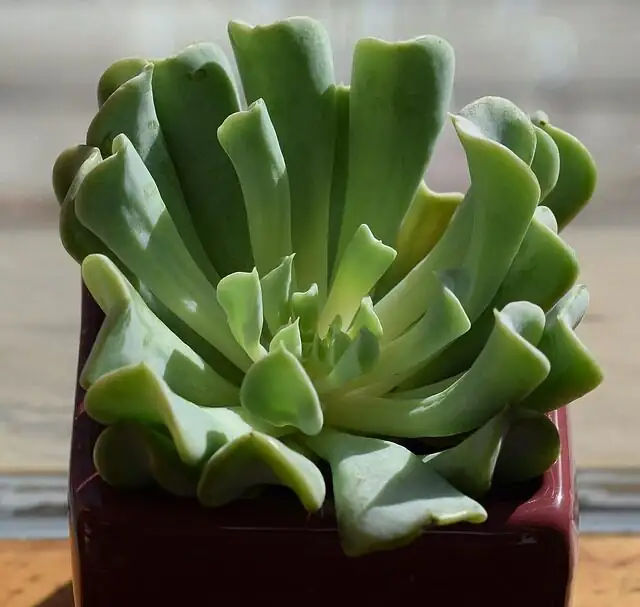
Imagine a plant that survives on sips of fog and the memory of rain—yet greets you each morning with calm, unruffled beauty. Succulents are living lessons in staying power. No wonder they’ve become modern messengers of resilience and steadfast love, from desert lore to East Asian gifting culture to feng shui’s language of energy. Here’s how their biology, history, and traditions come together—and what it means when you give (or receive) one.
What Makes Succulents So Resilient (and why that matters symbolically)
Succulents aren’t a single kind of plant. They’re a lifestyle—water-storing champions scattered across many families and genera: Crassulaceae (Echeveria, Crassula), Cactaceae (Mammillaria, Opuntia), Euphorbiaceae (Euphorbia), Asphodelaceae (Aloe), Asparagaceae (Agave), and more. Native to arid regions of Africa, the Americas, and especially diversity hotspots like South Africa, East Africa, Mexico, and Madagascar, they evolved a toolkit that doubles as a metaphor for grit.
- Built-in reservoirs: Thick, fleshy leaves, stems, or roots stockpile water—the original “carry-on” hydration.
- Night-breathing efficiency: Many use CAM photosynthesis, opening stomata at night to conserve moisture. Endurance with elegance.
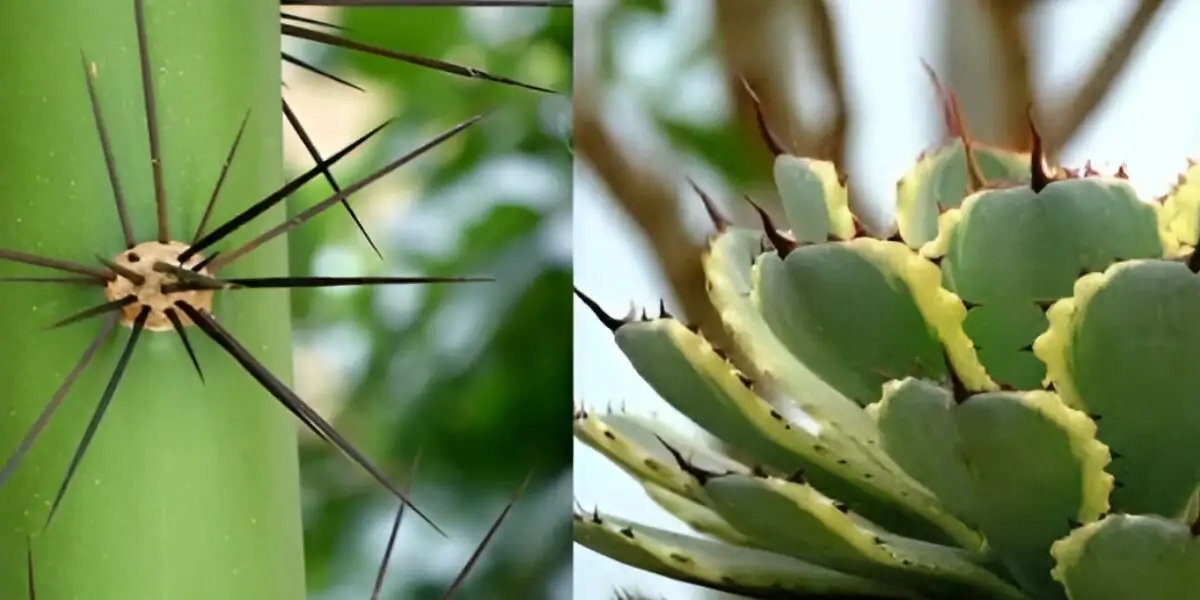
- Smart silhouettes: Rosettes, bead-like chains, columns, and near-spheres reduce water loss. Spines (in cacti) shade surfaces and discourage nibblers.
- Color under pressure: Greens shift to red, purple, or bronze with bright light, cool nights, or mild drought—a visible badge of perseverance.
- Long game growth: Many live decades with good care; they propagate by offsets (“pups”) or cuttings—regeneration as a habit.
Translation for the heart: Slow, steady growth and quiet persistence are literally how these plants survive. That’s why they’ve come to symbolize resilience—and love that lasts.
From Survival Trait to Love Note: How Meaning Took Root
- Resilience: Thriving where others wilt makes succulents shorthand for grit, endurance, and hope during lean seasons.
- Steadfast love: They don’t demand constant attention; they reward consistent, thoughtful care. A succulent says, “I’m here for the long haul.”
- Renewal: Easy propagation (a leaf or offset becoming a new plant) evokes continuity—new chapters, growing families, second chances.
These meanings aren’t random; they’re reflections of real biology. Resilience became romance, one thick leaf at a time.
The East Asian Gifting Wave: Minimal care, maximal meaning
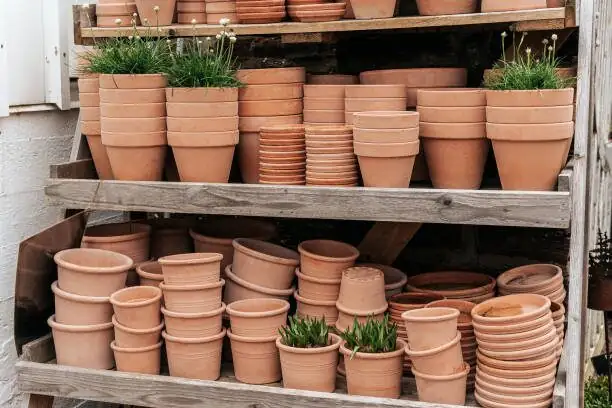
Across China, Taiwan, Japan, and Korea, succulents have risen from cute desk companions to meaningful gifts. Urban life loves their small footprints and low-maintenance routines; collectors adore the kaleidoscope of forms and colors. Commercial cultivation hubs (for example, in Taiwan and China’s Yunnan and Fujian) have made them widely available and beautifully presented—think tiny rosettes in ceramic cups or petite cacti in sculptural pots.
What a succulent gift often conveys in this context:
- “Steady affection”: Not flashy, but enduring—like a plant that holds water for the dry days.
- “I trust our pace”: Slow growth mirrors relationships built on patience and consistency.
- “Let’s grow together”: Offsets and cuttings symbolize shared futures and family-building.
- “I see your strength”: A nod to someone’s ability to adapt and overcome.
Flower language (花语), thoughtfully unpacked
Modern “flower language” in East Asia blends older symbolic traditions with contemporary culture and design. With succulents, this often centers on:
- Endurance and protection (especially for spiny cacti)
- Long-lasting affection and loyalty
- Renewal and prosperity (as plants multiply)
Consider it a poetic gloss rather than an ancient, fixed code. The meanings are meaningful precisely because they resonate with how succulents live—not because a single historic rulebook decreed them.
Feng Shui Beliefs: Protection, prosperity, and placement
Within feng shui–style practices, succulents are often welcomed for their storied durability and “alive, stable” energy.
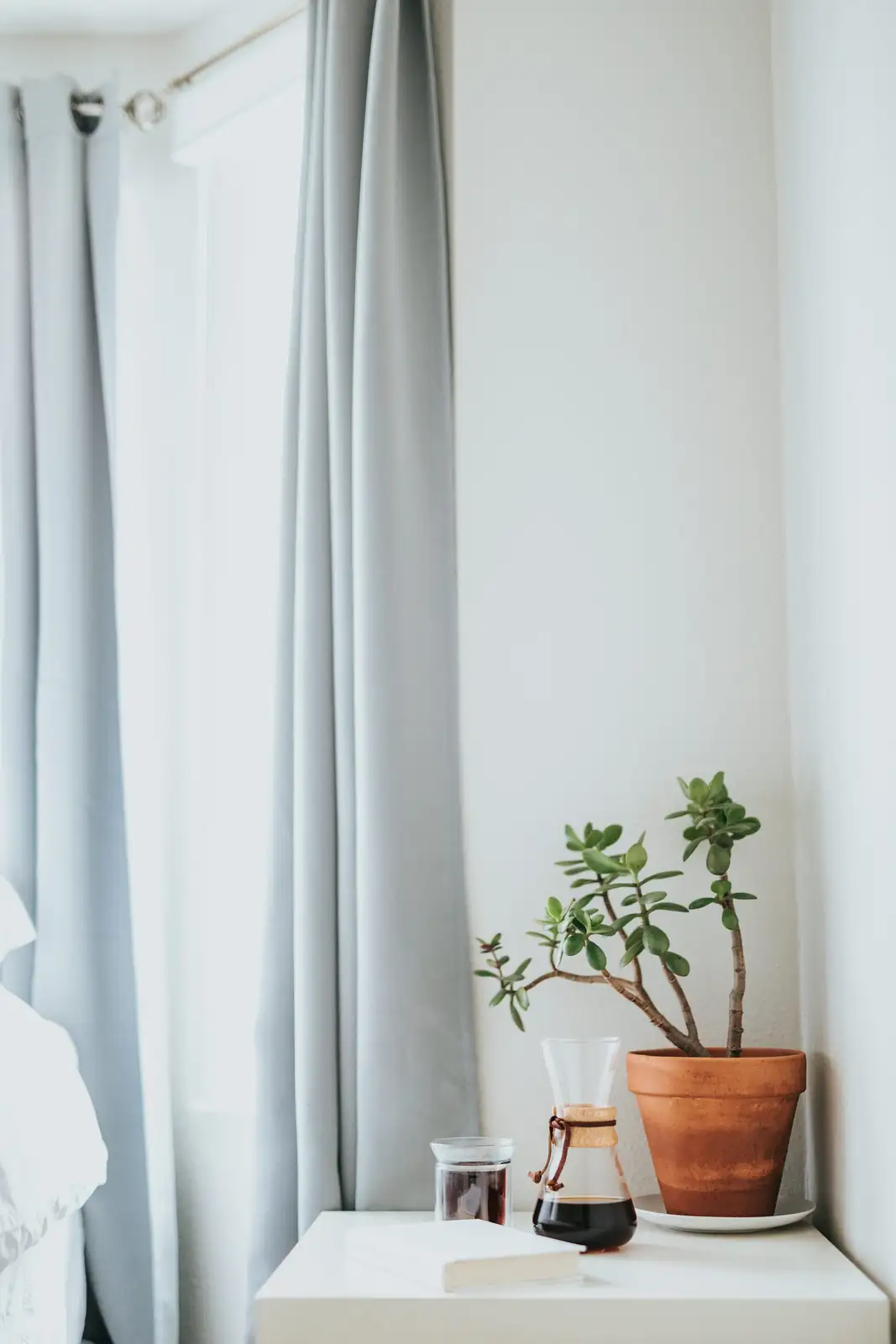
- Protection: Cacti’s spines are seen by some as tiny guardians that block negativity—suited to thresholds, entryways, or windows.
- Prosperity and vitality: Lush, plump-leaved succulents can be used to symbolize abundance and healthy growth.
- Popular placements often shared by feng shui enthusiasts:
- Southeast (wealth/prosperity) to encourage abundance
- East (health/family) to support harmony
- Grouping: Odd-numbered clusters (3, 5, 9) are commonly favored to amplify intention.
Note: Feng shui guidance varies by school. If you prefer soft, inviting energy for bedrooms or quiet reading nooks, choose smooth-leaved, rosette-form succulents over spiky cacti.
Gift Decoder: What your succulent says (and which to choose)
- For steadfast love
- Echeveria or Sempervivum rosettes: Promise, patience, and beauty that deepens with light.
- Jade plant (Crassula ovata): A classic symbol of prosperity and enduring bonds.
- For encouragement during tough times
- Haworthia: Shadow-tolerant, forgiving—“I believe in your steady strength.”
- Aloe: Healer energy; practical care meets quiet resilience.
- For celebration and new beginnings
- Offsetting varieties (pups galore): “May your blessings multiply.”
- String of hearts (Ceropegia woodii): A trailing reminder of connectedness and gentle romance.
- For protection and boundaries
- Small cacti (e.g., Mammillaria, Rebutia): “Your space and strength matter.”
Add a handwritten note to anchor the symbolism:
- “Like this plant, our care may be simple—but it’s steady.”
- “For the days that feel dry, keep this little well of green nearby.”
- “May this grow new leaves as your new chapter unfolds.”
A Tiny Care Card to Tuck Under the Pot (because meaning thrives with good care)
- Light: Bright light for 4–6 hours daily. Indoors, choose your sunniest window; acclimate gradually to avoid sunburn.
- Water: Soak and dry. Water thoroughly, then wait until soil is completely dry. In active growth (often spring/fall), water more; in winter, much less. When unsure, wait.
- Soil: Fast-draining, gritty mix—heavy on pumice/perlite/rock, light on peat/compost.
- Temperature & air: Warm, draft-free spots are ideal; avoid frost. Good airflow, low humidity.
- Repotting: Up one pot size when roots fill the container. Keep dry for a few days after repotting.
- Watch-outs: Overwatering is the big risk (root rot). Mealybugs can appear—wipe with alcohol swabs and isolate if needed.
- Safety note: Some—especially Euphorbia—have irritating sap. Keep unknown species away from kids and pets.
Quick FAQs for Givers and Receivers
- Why did the colors deepen after a week on the window?
- Stronger light and cooler nights can blush leaves red, purple, or bronze—a normal “stress color,” often prized by collectors.
- Can a succulent handle a low-light office?
- Some (like many Haworthia) cope with bright, indirect light. Otherwise, add a small grow light or pick a brighter desk.
- What if it grows tall and stretchy?
- It’s craving more light. Move it brighter (slowly), rotate the pot, and you can trim and re-root the top.
- How long will it live?
- With decent light and careful watering, many succulents can thrive for decades—fitting symbols for long relationships.
Why Succulents Make Unusually Meaningful Gifts
- Their biology mirrors their message: store up for the hard times, sip rather than rush, and keep going.
- Their growth is visible yet unhurried, like affection that deepens with time.
- Their forms—rosettes, strings, columns—turn daily resilience into sculpture you can water.
Give a succulent, and you’re offering a small, living promise: I honor your strength. I’m here, steadily. Let’s grow—at our own resilient pace.