

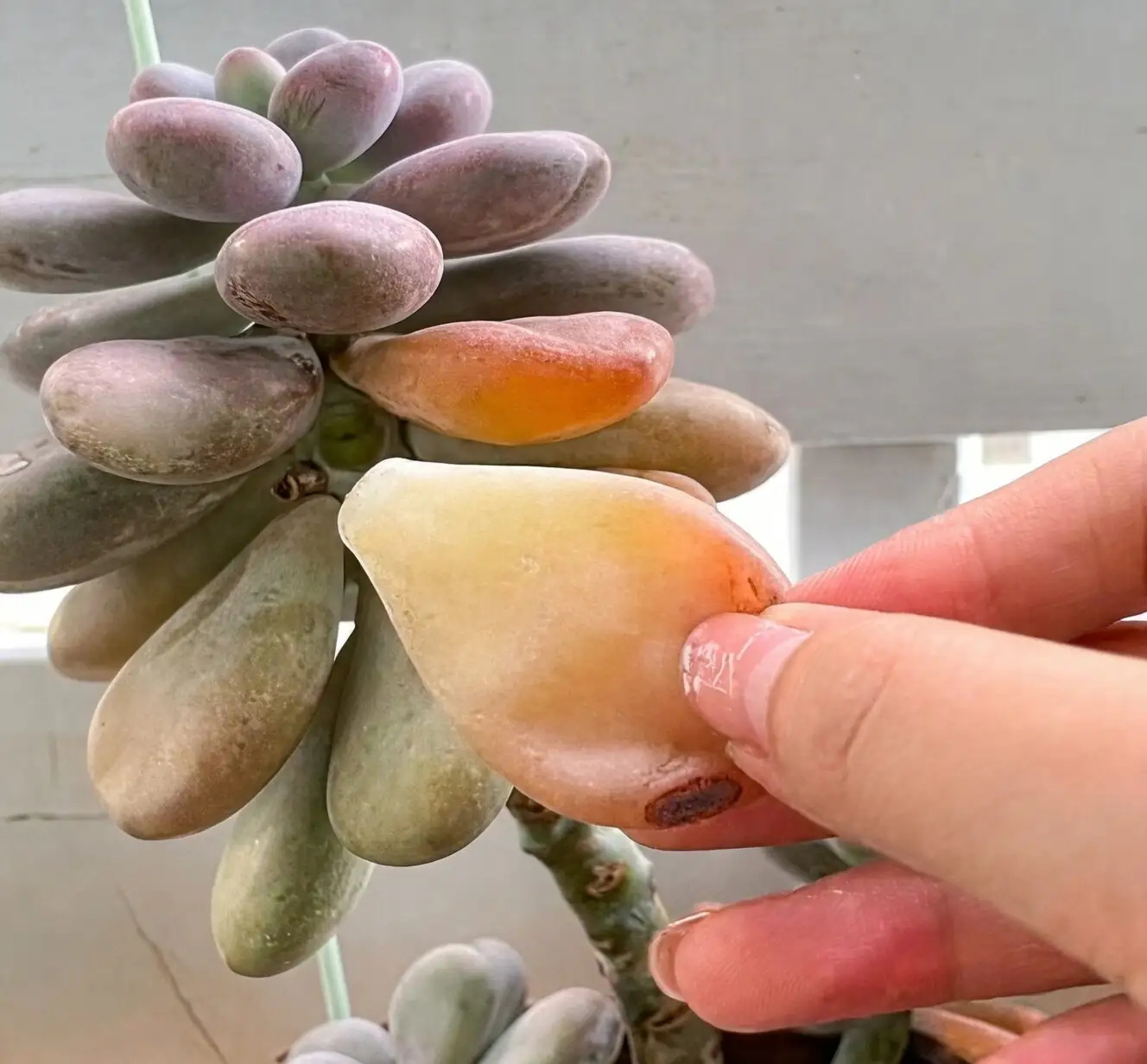
Overwatered succulent? Don’t panic—treat it like a quick emergency-room visit. You’ll unpot, read the roots like a diagnosis, trim and let the wounds callus, then repot into a gritty mix and restart watering the right way. With the right pot and soil, you’ll also stop the problem from coming back. Here’s your fast, field-tested playbook.
The 10-minute rescue kit
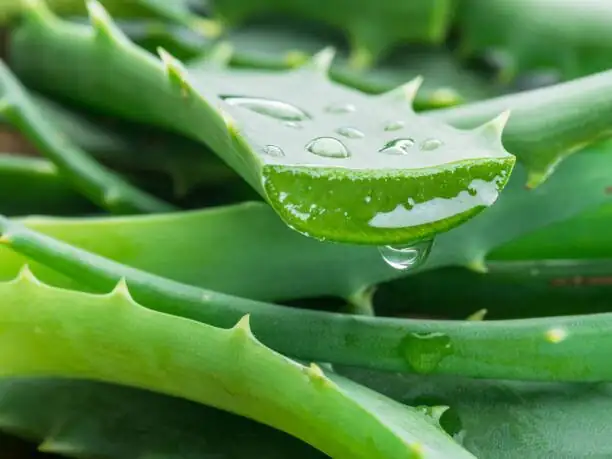
- Sharp scissors/pruners + isopropyl alcohol for sterilizing
- Paper towels, chopsticks, and a soft brush (an old toothbrush works)
- Sulfur powder or cinnamon (optional; helps keep fresh cuts clean)
- Gritty succulent mix (see recipe below)
- A pot with a drainage hole (unglazed terracotta or ceramic preferred)
- Mesh or a coffee filter to cover the drain hole (not a “drainage layer”)
Safety note: Some succulents, especially Euphorbia, bleed a milky sap that can irritate skin and eyes. Wear gloves and keep unknown plants away from kids and pets.
Step 1: Unpot and diagnose—fast but gentle
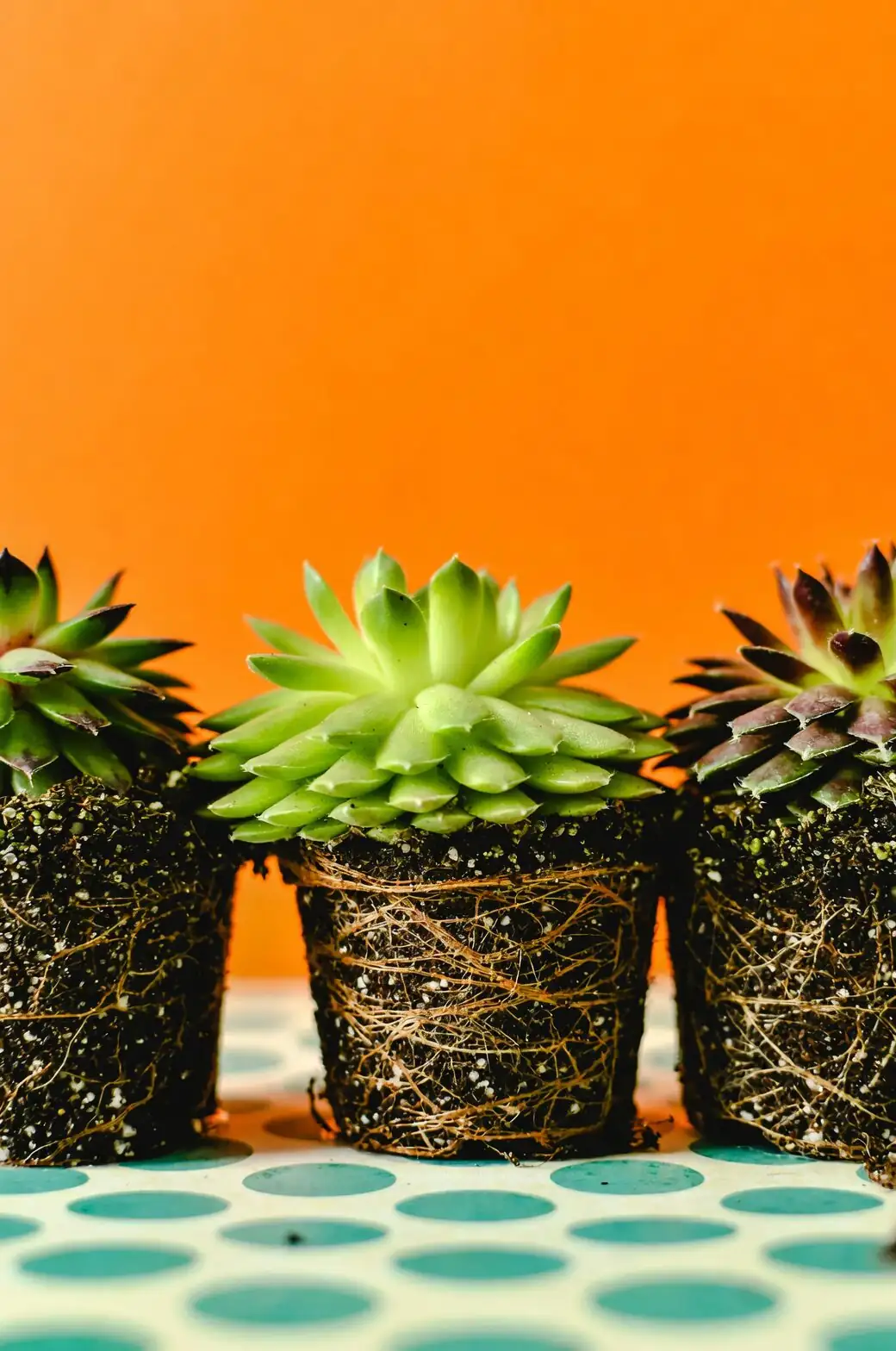
- Slide the plant out, support the base, and knock off wet soil. Use a brush/chopstick to free roots.
- Smell test: a sour, swampy odor often means rot.
- Root check:
- Healthy: white to tan, firm, wiry.
- Rotting: brown to black, mushy, slimy, or hollow.
- Stem check:
- Clean, firm tissue = saveable.
- Discolored, translucent, or squishy stem = the rot has climbed; you may need to cut the top and reroot it (see Special Cases).
Quick triage decisions:
- Mild rot (mostly healthy roots with a few mushy bits): Trim off the bad parts and proceed.
- Moderate rot (lots of black roots but a firm stem): Trim hard, then treat like a fresh cutting.
- Severe rot (soft base, rot in the stem): Decapitate above all damage and reroot the healthy top or individual leaves.
Step 2: Trim, sanitize, and callus
- Sterilize blades. Cut back to clean, pale tissue—no gray, brown, or black lingering at the cut.
- Peel away any mushy lower leaves until you reveal clean stem.
- Optional: Dust cuts with sulfur or cinnamon.
- Let cuts callus in bright, airy shade:
- Thin roots/stems: ~24–48 hours
- Thicker stems/cut surfaces: 3–5 days (longer for fat cacti or aloes)
Tip: Don’t rush this. A dry, papery callus is your infection shield.
“Drying technique” option: If roots are only slightly stressed and the stem is sound, leave the plant unpotted on a paper towel for 1–3 days to air out before repotting.
Step 3: Mix the gritty “rescue” soil
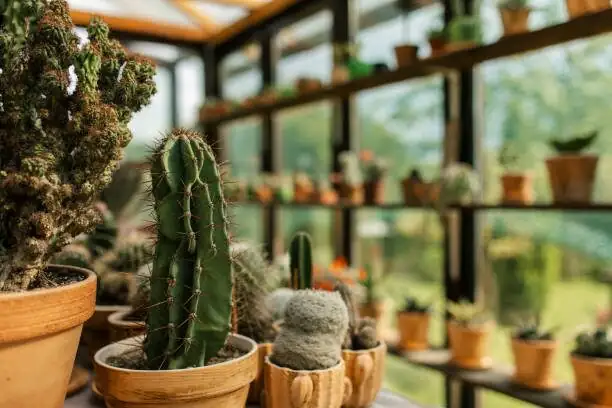
Succulents need air around roots and a potting mix that never stays soggy.
A simple, effective recipe:
- 10–20% organic matter (peat, coir, or fine bark)
- ~20% coarse sand
- 60–80% inorganic grit: pumice, perlite, lava rock, diatomaceous earth, akadama, or similar
Pro tips:
- Screen or rinse dusty fines out of mineral components—they clog air spaces.
- Match the plant to the mix:
- Rosette succulents and cacti (e.g., Echeveria, Crassula, many cacti): extra gritty at the high end of mineral content.
- Shade-tolerant, slower growers (e.g., many Haworthia): slightly more organic, but keep it airy and fast-draining.
Step 4: Choose a pot that prevents relapse
- Drainage hole is non-negotiable.
- Material:
- Terracotta/unglazed ceramic = breathable, dries faster (great for chronic overwaterers).
- Plastic = holds moisture longer; use only with very gritty mixes and careful watering.
- Size: Upsize no more than 2.5–5 cm (1–2 in) wider than the root ball or cutting. Oversized pots dry too slowly.
- Shape:
- Shallow/wide for shallow-rooted rosettes and clusters.
- Deeper pots for taprooted species.
- Don’t add a gravel “drainage layer.” It creates a perched water table. Instead, cover the hole with mesh to keep mix in place.
- Keep the crown/stem above the final soil line; never bury leaves.
Step 5: Repot and restart watering—by the calendar
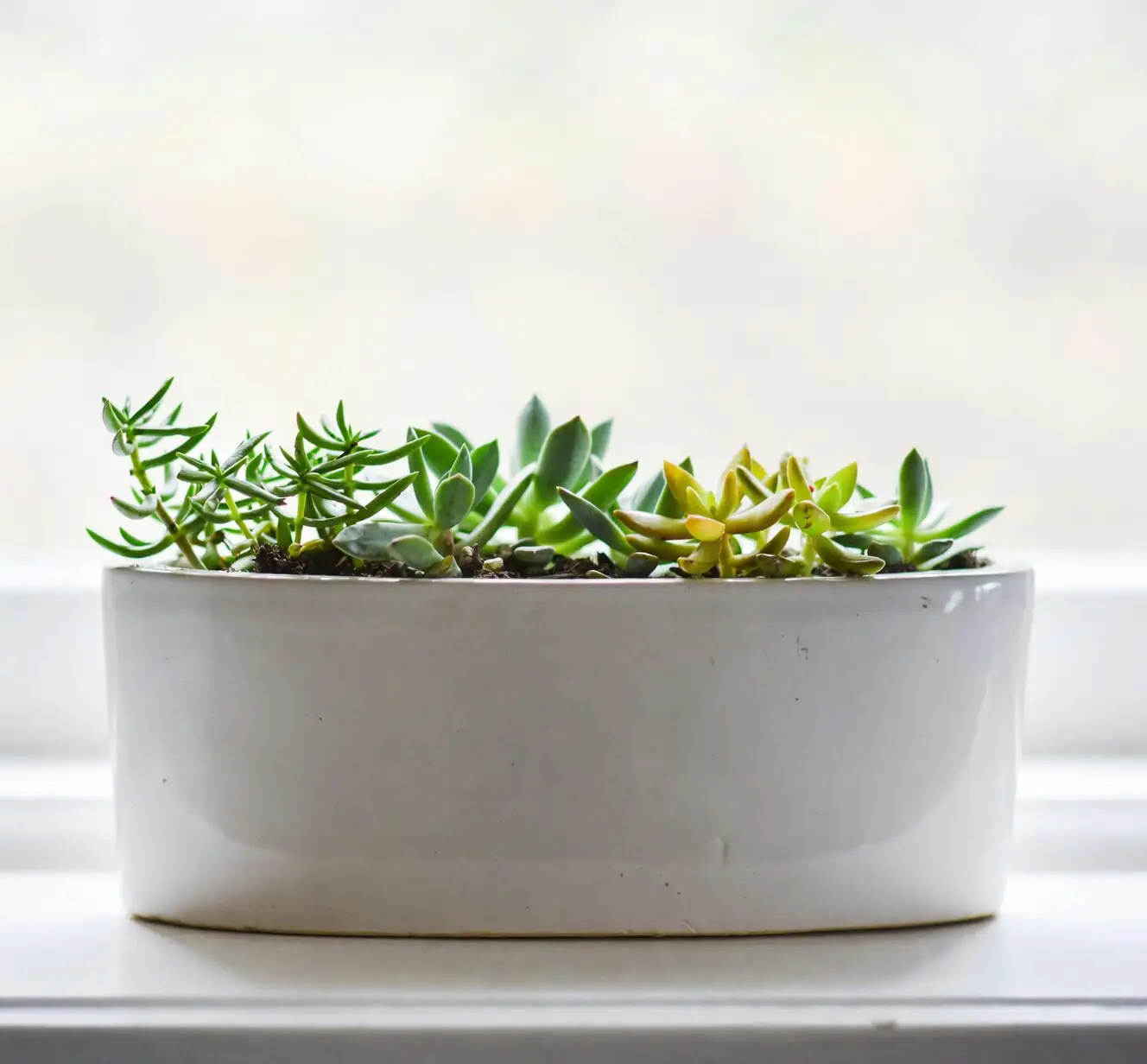
Potting-in:
- Start dry. Plant into dry gritty mix; don’t water yet.
- Gently tamp to settle; don’t compress the mix tight.
- Stake wobbly cuttings if needed; stability helps rooting.
Aftercare timeline:
- Days 0–3 (or up to 7 after big cuts): Bright, indirect light, excellent airflow, no water. Let calluses finish hardening.
- First drink:
- If you retained healthy roots: Wait ~3–7 days, then give a modest watering around the pot’s perimeter, not straight at the stem.
- If you’re rooting cuttings with no roots: Wait until you see new roots or firm resistance when you nudge the plant (often 2–3+ weeks). Then begin light perimeter watering.
- Transition to “soak and dry”:
- Once established, water thoroughly, then wait until the mix is completely dry before watering again.
- In hot summer, some types may need water more frequently once dry; evening watering helps in heat. In winter, reduce sharply—many can go much longer between drinks.
- How to judge dryness:
- Feel through the drain hole or use a wooden skewer as a dipstick.
- Learn pot weight when dry vs. wet.
- Watch the leaves: overwatered = mushy/translucent; underwatered = soft, wrinkled but not mushy.
Light and temperature while recovering:
- Aim for 4–6 hours of strong light daily, but acclimate to direct sun gradually to avoid sunburn.
- Most succulents thrive around 15–27°C (59–81°F). Provide airflow in extreme heat; protect from frost.
Special cases and “hero moves”
- Stem rot/soft base: Cut above all damage into clean tissue. Let the top callus, then reroot as a fresh cutting. Discard the infected base.
- Rosettes with a ruined base: Gently remove lower leaves, let the rosette callus, and set it on gritty mix to root from the stem.
- Leaf propagation backup: For many types (Echeveria, Graptopetalum, etc.), let a healthy leaf callus, then place on top of gritty mix; water sparingly once you see tiny roots/pups.
- Slow, shade-tolerant types (e.g., many Haworthia): Keep in bright indirect light; soil can include slightly more organic matter but must still drain fast. Water less during low-light months.
Prevention habits that keep roots clean
- Light: Bright light fuels compact, resilient growth; acclimate before full sun.
- Airflow and humidity: Favor drier air and circulation; stagnant, damp air increases rot risk.
- Watering rhythm: “Soak and dry,” always waiting for a complete dry-down. When in doubt, wait—most succulents tolerate a dry spell better than a soggy pot.
- Cleanliness: Remove dead leaves (they harbor pests like mealybugs). Inspect regularly.
- Pot hygiene: Empty saucers; avoid cachepots that trap water. Repot into fresh, airy mix when soil degrades, stepping up pot size modestly.
- Post-repot drought: Keep plants dry for a few days after repotting to let micro-wounds seal.
Quick diagnostic cheat sheet
- Overwatered/root rot clues:
- Soil stays wet for days; sour smell
- Leaves yellowing, translucent, or mushy
- Black/brown, mushy roots; stem soft at base
- Underwatered clues:
- Dry mix; leaves thin, soft, and wrinkled but not translucent
- Plant perks up after a thorough drink
Mini myth-busters
- “Add a layer of rocks for drainage.” False. It traps water higher in the pot. Use a uniformly gritty mix instead.
- “Ice cube watering is safe.” Not for warm-desert plants; cold shock and chronic under-watering patterns can stress roots.
- “Succulents love misting.” Most don’t need it; excess surface moisture plus poor airflow can encourage rot.
A quick word on what succulents are
“Succulent” describes a lifestyle, not a single lineage: water-storing plants occur across multiple families and genera (think Crassulaceae, Cactaceae, Euphorbiaceae, Asphodelaceae, Asparagaceae, and more). They’re champions of dry places, packing water into leaves, stems, or roots and often using CAM photosynthesis to breathe at night and conserve moisture by day.
Symbolism, briefly—and realistically
Succulents are widely gifted as symbols of resilience and perseverance—fitting, given their knack for thriving under tough conditions. That meaning is cultural rather than botanical in origin, popularized as these plants moved from deserts to windowsills worldwide. In other words: we see strength in their survival strategy, and we’ve turned that into a modern emblem of endurance.
—
Bottom line: When a succulent is overwatered, speed and simplicity save it. Unpot, cut to clean tissue, let it callus, repot into a gritty mix in a breathable, correctly sized pot, and restart with a true soak-and-dry routine. Add bright light, airflow, and patience, and your water-storing wonder will bounce back—stronger and more compact than before.