

Think of your succulents like hikers training for a high-altitude trek. They can absolutely thrive in full sun—compact, colorful, and tough—but only if they build stamina day by day. Rush the process, and you’ll come home with sunburned leaves and sagging rosettes. Take it step by step, and you’ll get tight growth, saturated reds and purples, and plants that shrug at summer.
Below is a clear, field-tested plan to move succulents from an indoor windowsill to outdoor full sun without scorch—plus how to read stress signals, quick shading hacks, and what to do when a heatwave rolls in.
Before You Start: Set Up for Success
Know your plant’s personality
- Desert-hardy types (many cacti, agaves) usually tolerate more direct sun once acclimated.
- Smooth- or thin-leaved succulents (e.g., many echeverias, crassulas) want bright light but need careful hardening to midday sun.
- Shade-leaning types (e.g., many haworthias, some gasterias) prefer bright indirect light; aim for morning sun plus afternoon bright shade.
- Variegated, crested, very small, newly rooted, or recently shipped plants are more sensitive—go slower.
Pick the right spot
- Morning sun is gentler. East exposure is your best on-ramp; west-facing afternoon sun is the harshest.
- “Bright shade” (no direct beams but still high ambient light) is perfect for midday protection while you acclimate.
- Aim eventually for 4–6 hours of good light daily for most succulents. Some sun-lovers can go longer once hardened.
Pots, mix, and airflow
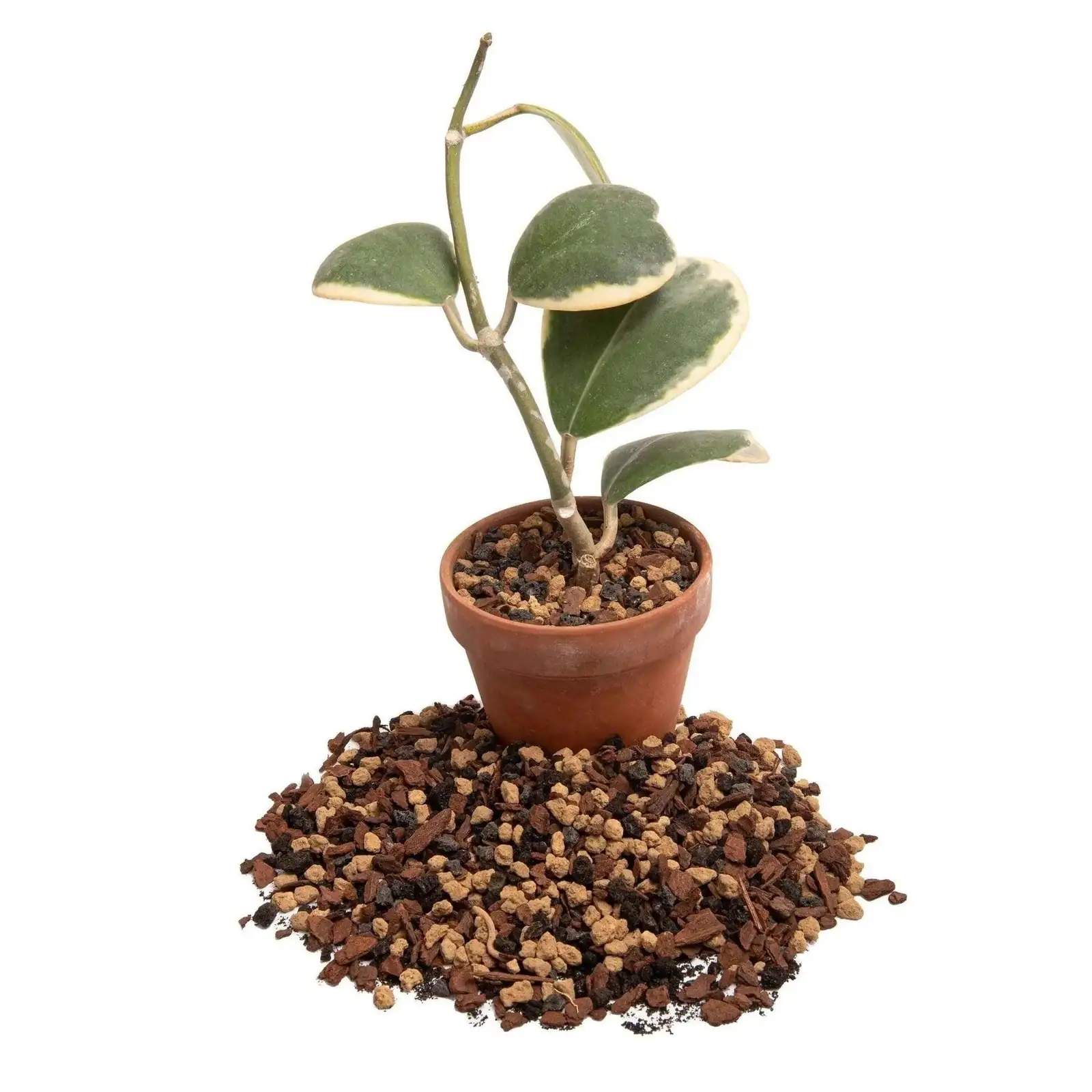
- Use a gritty, fast-draining mix: roughly 10–20% organic matter + ~20% sand + ~60–80% mineral materials (pumice, perlite, lava rock, etc.).
- Unglazed terracotta or light-colored pots shed heat better than black plastic.
- Space plants for airflow; still, humid corners increase rot risk.
Watering baseline
- Use soak-and-dry: water thoroughly, then wait until the mix is completely dry before watering again.
- In hot weather, some setups need water more often (even every ~4 days)—but only when fully dry, ideally in the evening.
- Don’t start acclimation right after a heavy watering on a scorchy day. Move plants in the cool morning or late afternoon.
The Two-Week Hardening Plan (Windowsill to Full Sun)
This plan assumes typical, non-desert succulents. If yours are shade-leaning, stop at morning sun + bright afternoon shade. If they’re desert-hardy, you can finish the full progression.
Pre-step (Days 0–1): Outdoor “open shade” only
- Move pots outside into bright shade all day (no direct sun). This introduces outdoor UV, airflow, and temperature swings.
- Rotate pots 90° daily for even orientation.
Week 1: Introduce gentle sun
- Day 1–2: 30–60 minutes of early morning sun (within 2 hours after sunrise), then bright shade.
- Day 3–4: 1–1.5 hours morning sun, then bright shade.
- Day 5–6: 2–3 hours morning sun. Watch noon; keep shaded after late morning.
- Day 7: 3–4 hours morning sun. Skip any midday beams.
Tips:
- If leaves feel hot to the touch or you see paling, hold at the current step for 1–2 extra days.
- Keep soil on the dry side of your normal cycle; water only after a full dry-down, preferably in the evening.
Week 2: Stretch the window and test midday
- Day 8–9: 4–5 hours total sun, allowing a touch of late-morning light. Provide bright shade from noon on.
- Day 10–11: 5–6 hours sun, including a short slice of midday if temps are moderate. Use 30–40% shade cloth as training wheels.
- Day 12–13: 6–7 hours sun. Remove shade cloth for the first half of the exposure, then re-cover for midday if needed.
- Day 14: Full target light. For sun-hardy types, this may include midday sun; for others, cap at morning sun + bright afternoon shade.
Graduation check:
- Rosettes are tight, not stretching.
- Hues deepen (red, purple, bronze edges) without bleached patches.
- Leaves are firm, not mushy; no crispy margins.
If any plant flags, roll back 2–3 days in the plan and proceed more slowly.
Read the Leaves: Helpful Stress vs. Harm
Good stress (what you want for color and compactness)
- Red or purple margins, bronzing, or deeper tones.
- Tighter rosettes and slower, stockier growth.
Caution signals (adjust right away)
- Paling or blotchy, translucent patches: early sunburn. Move to bright shade; resume more slowly.
- Crispy brown edges or corky tan spots: actual scorch. Damage won’t “heal,” but new growth can be fine—reduce exposure.
- Leaves draining/shriveling from heat/drought: common in hot spells; if soil is bone-dry, water in the evening and add afternoon shade.
- Mushy, sour-smelling leaves or blackened base: rot from overwatering or stagnant air. Unpot, trim rot, let callus, repot in gritty mix.
Under-lighting signs (give more light, gradually)
- Leggy, stretched stems; pale leaves reverting to green; rosettes opening wide and floppy.
Five-Minute Shading Hacks
- Clip-on window screens or old insect screens over benches.
- 30–40% shade cloth draped on a simple frame; increase to 50–60% for heatwaves.
- Patio umbrella, lawn chair, or lattice casting dappled light over plants.
- Lean a piece of cardboard or foam board on the sunniest side for instant “afternoon visor.”
- Tuck pots beside taller plants, a light-colored wall, or under a slatted table for moving shade.
- Floating row cover or an old sheet on scorching afternoons (allow airflow).
Pro move: Note your sun path. In North America, the south side gets the most sun; east = gentle mornings; west = brutal afternoons. Park sensitive plants where morning sun hits and afternoon shade arrives naturally.
Heatwave Playbook (35°C / 95°F and above)
- Pause acclimation. Keep plants in bright shade from late morning to late afternoon.
- Boost airflow. Outdoor fans on low, or space plants so air can move freely.
- Water only when completely dry, preferably in the evening so roots rehydrate overnight.
- Skip fertilizer. Tender, fast growth burns easier.
- Cool the roots. Use unglazed terracotta, avoid black pots and metal surfaces, and top-dress with light-colored gravel.
- Move off heat-shedding hardscape (baking concrete/metal) and away from reflective walls.
- Especially protect smooth-leaved succulents and shade-leaners (many haworthias, gasterias, some echeverias).
Yes, many succulents tolerate heat—but “heat + high-noon sun” is what scorches. Bright shade at peak heat keeps them compact and colorful without frying.
Fine-Tuning for Compact, Colorful Growth
- Light: Target 4–6+ hours daily. Morning sun + afternoon bright shade suits many species; desert-hardy types can take more once hardened.
- Temperature: Warm days with cooler nights (15–27°C / 59–81°F is comfy) bring out color. Above ~35°C / 95°F, add shade and airflow.
- Water: Soak-and-dry, then wait. In hot seasons, frequency rises only if pots truly dry faster. When uncertain, wait a few more days.
- Feeding: Lightly, once a month in active growth at half-strength. Skip in winter or during heat-induced slowdowns.
- Pruning/propagation: Remove old leaves for airflow; spring is prime time to trim and re-root.
- Repot smart: Size up just 1–2 inches. Keep dry for a few days afterward.
- Seasonal rhythm:
- Spring/fall: growth and color—regular soak-and-dry, light feeding.
- Summer: some types semi-dormant—less fertilizer, protect from harsh midday sun.
- Winter: brighter indoor light, much less water, protect from frost.
Troubleshooting Quick Answers
- My succulent is getting leggy.
- It needs more light. Increase exposure gradually; rotate the pot; consider morning sun or a grow light.
- I see pale, papery patches after a sunny day.
- Sunburn. Shift to bright shade, remove midday sun from the schedule, and ramp up more slowly.
- Leaves are wrinkling during a hot spell.
- If the mix is dry, water in the evening and add afternoon shade. If not dry, wait—overwatering in heat risks rot.
- White, cottony tufts in crevices?
- Likely mealybugs. Isolate, dab with alcohol, improve airflow, and monitor weekly.
- Can I harden off freshly repotted plants?
- Better to let wounds callus and roots re-establish first. Harden off after a brief settling period, keeping soil on the dry side of normal.
A Note on Safety
“Toxicity” varies widely across succulent groups. Many Euphorbia species have a milky latex sap that can irritate skin and eyes—keep unknown plants away from children and pets, and wear gloves when pruning.
Mini Guide: Match Exposure to Type
- Often sun-hardy (once acclimated): many cacti, agaves, some ice plants and senecios. Still protect in extreme midday heat during heatwaves.
- Prefer bright light with partial sun: many echeverias, crassulas, kalanchoes—great color with morning sun plus afternoon bright shade.
- Thrive in bright indirect light: many haworthias and gasterias—compact and glossy in filtered light; risk scorch in harsh sun.
Your Day-by-Day At-a-Glance
- Days 0–1: Outdoors, bright shade only.
- Days 1–2: 30–60 min morning sun.
- Days 3–4: 1–1.5 h morning sun.
- Days 5–6: 2–3 h morning sun.
- Day 7: 3–4 h morning sun.
- Days 8–9: 4–5 h total, stop before noon.
- Days 10–11: 5–6 h with brief midday; use 30–40% shade cloth.
- Days 12–13: 6–7 h; remove shade cloth part-time.
- Day 14: Target light achieved (full sun for sun-hardy; morning sun + bright shade for others).
- Any heatwave: pause, provide bright shade 11–4, resume later.
Follow the leaves, not the calendar. If they blush and stay firm, keep going. If they blanch or crisp, ease back. With a gentle ramp and smart shading, you’ll swap stretched, sleepy windowsill plants for tight, jewel-toned rosettes built for real sun.