

Succulents are nature’s canteens: plants that stash water in leaves, stems, or roots so they can power through long dry spells with style. If yours keep getting mushy (root rot) or stretched and floppy (legginess), it’s not bad luck—it’s rhythm. Dial in a few simple, repeatable habits and you’ll grow compact, colorful plants that shrug off drought and heat.
Here’s your action plan.
Light that builds compact, colorful plants
Succulents don’t just need light—they need enough light at the right pace.
- Aim for 4–6 hours of strong light daily.
- Indoors: brightest window you have (south or west is gold). Shade-tolerant types (like many Haworthia) do better in filtered light or east windows.
- Outdoors: morning sun + afternoon shade works for many; increase exposure gradually.
Safe acclimation (no sunburn, no drama)
- Week 1: Bright indirect light only.
- Week 2: Add 30–60 minutes of direct morning sun.
- Each following week: Increase direct sun by about 30–60 minutes.
- Watch for scorch (bleached or crispy patches) and back off if you see it.
- Rotate the pot a quarter turn weekly to keep rosettes tight instead of leaning.
Signs it needs more light: fast vertical stretch, wider internodes, pale green, downward-curving lower leaves.
Signs it’s getting too much too soon: pale, rough or brown patches on sun-facing leaves.
Tip: Grow lights help indoors—keep LEDs 20–30 cm (8–12 in) above the canopy for roughly 10–12 hours to mimic those 4–6 “good sun” hours.
Watering rhythms: soak-and-dry mastery
Most succulent trouble starts at the sink. Switch from frequent sips to deep drinks with full dry-downs.
The soak-and-dry method (your root-rot killer)
- Check dryness: plunge a wooden skewer or finger into the mix; lift the pot—light and crumbly = ready.
- Water at the base until you see a generous drain from the hole. Avoid soaking the leaves indoors.
- Wait until the mix is completely dry before watering again.
Pro moves
- Use pots with drainage holes every time.
- Terracotta dries faster (great for heavy-handed waterers); plastic holds moisture longer (better for hot, windy spots).
- Water in the evening during hot spells so roots can drink before daytime heat evaporates it.
Seasonal tweaks (the rhythm that prevents rot)
- Spring/fall (active growth for many): expect more frequent watering, but only after full dry-down.
- Summer heat: above ~35°C/95°F, growth can stall. Offer airflow, some midday shade, and water only after the mix is bone dry. In extreme heat, some setups dry fast enough to need water as often as every ~4 days—still only if fully dry.
- Winter: cut way back. Many succulents rest and need far less water. Bright light + cool nights = vivid colors, but keep roots on the dry side.
Thirst vs. drown
- Thirsty: leaves feel limp/wrinkled, soil is dust-dry, pot is featherlight.
- Overwatered: leaves are mushy/transparent, base is soft, soil smells sour—stop watering, unpot, remove rot, and reroot in a gritty dry mix.
Heat, cold, and airflow: stress without the mess
- Happy zone: roughly 15–27°C (59–81°F). Many love warm days ~21–29°C (70–85°F).
- Above 35°C (95°F): increase airflow, shade during harsh midday sun, and avoid waterlogged soil.
- Frost warning: most common house succulents are not frost-tolerant. Move inside or protect before freezing nights.
Humidity check: average indoor humidity is fine—stagnant, damp air is not. Keep air moving.
Soil that breathes: gritty mixes that dry fast
Fast-draining soil is non-negotiable if you want long-lived roots.
A reliable recipe (by volume)
- 10–20% peat moss or other organic matter
- ~20% coarse sand
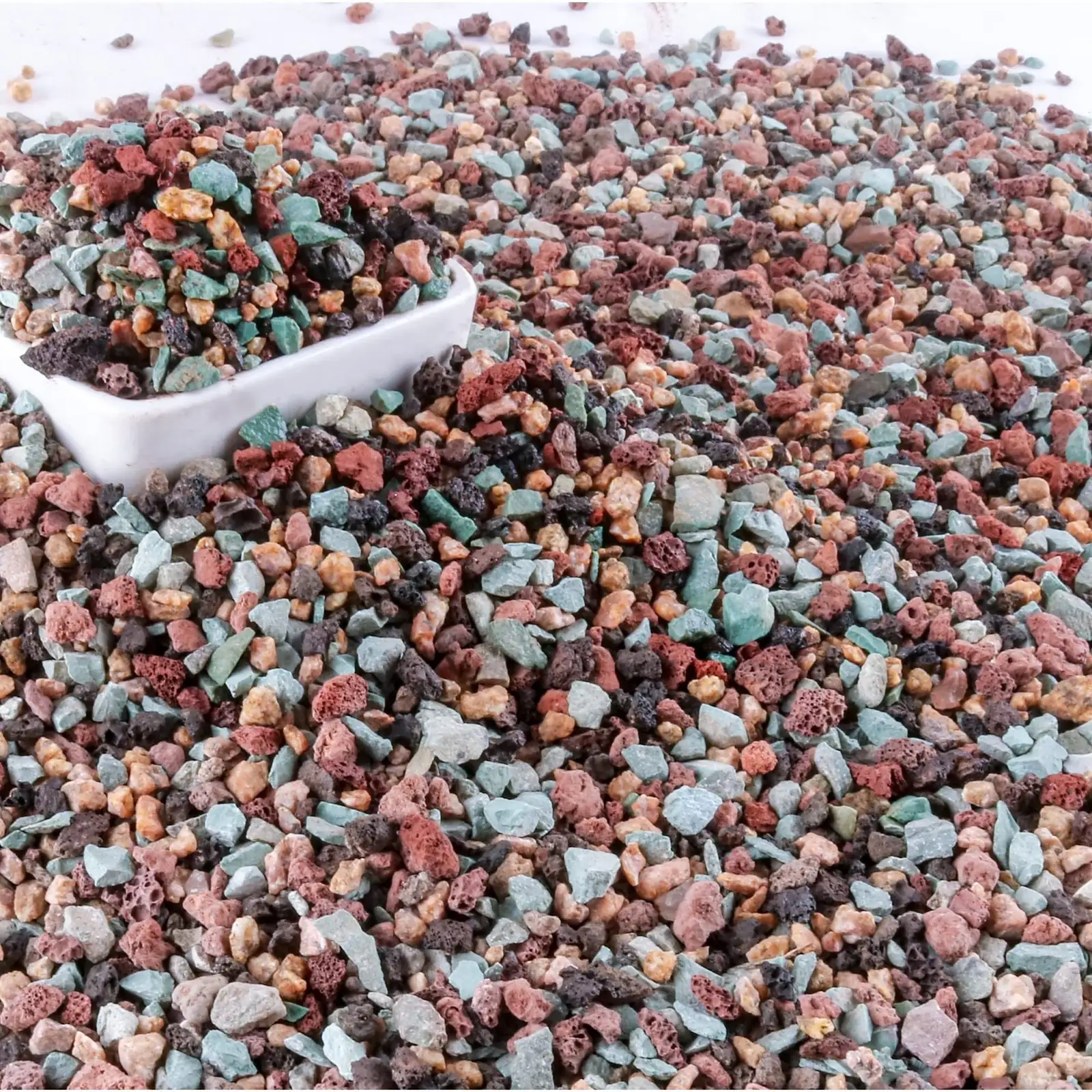
- 60–80% inorganic grit: pumice, perlite, volcanic rock, diatomaceous earth, akadama, or similar
Tips
- Go for chunky texture—grains 2–6 mm create air pockets roots adore.
- Skip water-retaining crystals. Succulents want air more than spongey soil.
- No “pebble layer” at the bottom; it doesn’t improve drainage—use a uniform, gritty mix top to bottom.
- Top-dress with rock chips to keep leaves dry and gauge dryness at a glance.
Repot timing and technique
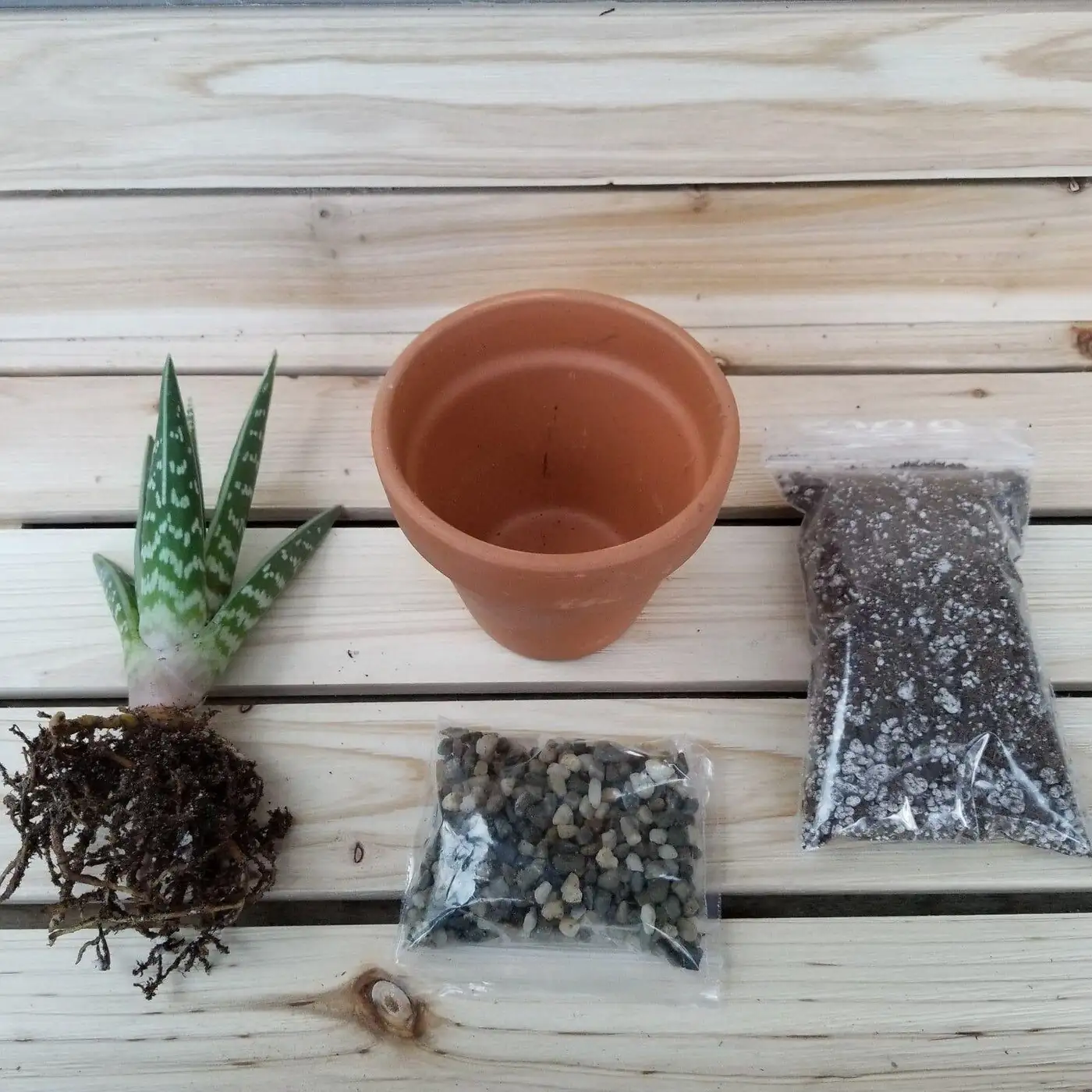
Repot to refresh tired soil or give crowded roots a small size bump.
- When: fall is often ideal; any mild season works during active growth. Avoid the coldest/darkest months.
- Size up modestly: 2.5–5 cm (1–2 in) wider than the current pot.
- Aftercare: keep the plant dry for 3–7 days to let any disturbed roots callus, then resume soak-and-dry.
- Signs it’s time: roots circling or emerging from the drain hole, soil collapses and stays soggy, growth stalls despite bright light.
Pot choice
- Must have a drainage hole.
- Terracotta + gritty soil = maximum forgiveness.
- Wider, shallower pots suit rosettes that spread (Echeveria, Sempervivum, many Crassulas).
Beat legginess for good: compact growth and easy makeovers
- Fix the light first: upgrade to brighter exposure with safe acclimation.
- Rotate weekly for even symmetry.
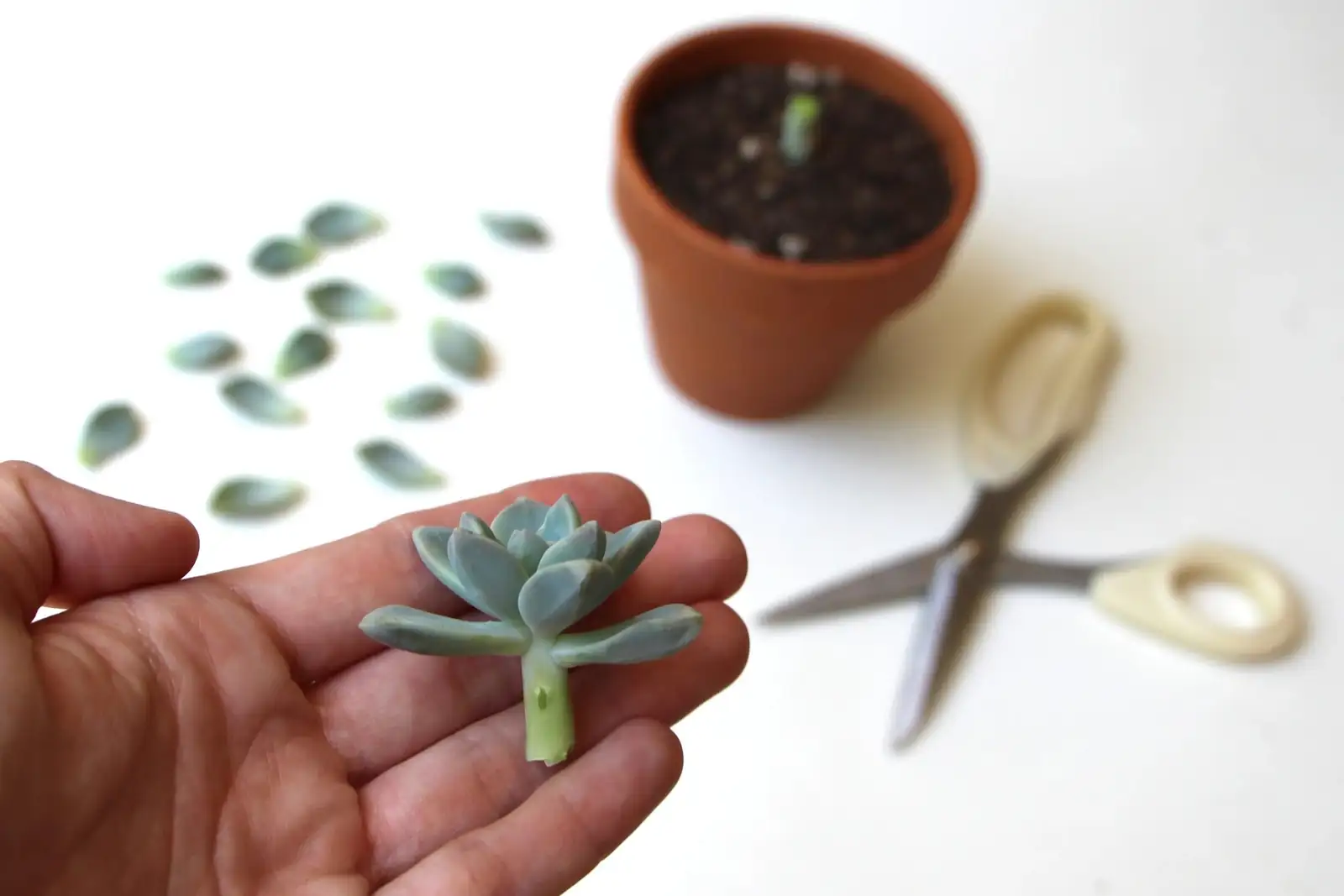
- Prune and re-root: behead stretched stems in spring; let the cut callus, then root in dry, gritty mix. The base often sprouts new heads; the top grows roots and becomes a tidy new plant.
- Use offsets: separate “pups” to restart compact rosettes.
Propagation basics
- Leaves/stems: allow a dry callus before placing on/in soil. Start dry, then mist the soil surface lightly only after roots appear—keep it airy.
Feeding without bloat
- During active growth, feed lightly: once monthly at about half-strength with a balanced, water‑soluble fertilizer.
- Pause feeding in winter or low light and during heat dormancy. Too much fertilizer can swell soft growth that burns easily.
A simple seasonal care calendar
- Spring/fall: growth on—bright light, soak-and-dry, light monthly feed, great time to prune and repot.
- Summer: watch heat; add airflow and midday shade, keep the soil airy, water after full dry-down (evening is helpful).
- Winter: brightest spot, much less water, no fertilizer, protect from cold.
Quick troubleshooting
- Root rot: soft base, black/brown roots, sour smell. Action: unpot, cut to healthy tissue, dust with sulfur/cinnamon if you like, reroot in dry gritty mix, then resume careful soak-and-dry.
- Leggy growth: not enough light. Action: increase light gradually, rotate, behead and re-root if needed.
- Sunburn: rough, bleached or brown patches. Action: pull back to filtered light, acclimate slower next time.
- Wrinkled leaves but firm stem: thirst. Action: one deep soak when soil is completely dry.
- Mealybugs/scale: cottony or armored specks in crevices. Action: isolate, dab mealybugs with alcohol swabs, use horticultural soap or systemic only as needed, improve airflow and don’t overfertilize.
Safety notes (people, pets, and you)
“Succulent” describes a lifestyle, not a single family. Toxicity varies. Many Euphorbia ooze a milky latex that can irritate skin and eyes and is harmful if ingested. If you can’t identify your plant, handle with care, wear gloves when pruning, and keep out of reach of pets and children.
Symbolism and “flower language”
Succulents are widely linked with resilience, perseverance, and quiet abundance—traits inspired by their ability to thrive on little. In feng shui‑style traditions they’re sometimes treated as protective, luck‑bringing accents. Remember: “flower language” is cultural storytelling, not a botanical property, but it’s a lovely reminder to cultivate patience and steadiness—the same virtues that make great plant parents.
Mini‑FAQ
- Why is my plant stretching? It’s begging for more light. Increase brightness gradually, rotate weekly, and consider trimming and re-rooting the top if it’s very elongated.
- How often should I water? There’s no universal schedule. Water only after the mix is completely dry, then soak thoroughly. Err dry over wet.
- Can succulents live indoors? Absolutely—give them the brightest window you have, or add a grow light. Choose shade‑tolerant kinds for lower‑light spots.
Fun facts to wow your guests
- “Succulent” spans 10,000+ species across 100+ plant families—cacti are just one branch.
- Many use CAM photosynthesis, opening stomata at night to save water.
- Some cacti throw spectacular blooms that last a single night—blink and you’ll miss them.
- South Africa’s Succulent Karoo is a global hotspot of succulent diversity.
The bottom line
Keep the cadence: bright light (safely ramped up), deep watering with full dry-downs, gritty soil with superb airflow, and seasonal tweaks for heat and rest. Make these habits automatic and you’ll banish root rot and legginess—for good.