

Step into a steamy room with a fern, and you can almost hear the rainforest exhale. Polypodiopsida—the fern clan—brings airy fronds, prehistoric poise, and a surprising amount of design range to bathrooms, kitchens, laundry nooks, and other humid corners. Below, a style-forward guide to picking the right varieties, layering textures, working that hanging-basket drama, composing plant-stand vignettes, and keeping everything lush with low-effort routines.
The humid-room brief (light, air, and comfort)
- Light: Bright, indirect light is the sweet spot. East- or north-facing windows are ideal; sheer-curtain a stronger exposure to avoid scorch. Direct, harsh sun = crispy tips.
- Temperature: 60–80°F (15–27°C). Shield from cold drafts and sudden swings.
- Humidity: 50%+ relative humidity keeps most fronds flawless. Bathrooms and kitchens naturally help, but a small humidifier or grouped plant “community” works wonders in drier homes.
- Surfaces: Use trays or cachepots to protect wood and stone. Choose finishes that complement your fern palette: soft matte glazes, textured stoneware, or brushed brass for contrast.
Pick your fern palette: varieties with a designer’s eye
Think of each fern as a “material” with line, texture, color, and scale. Mix them like you would fabric swatches.
Cascaders for hanging baskets and shelves
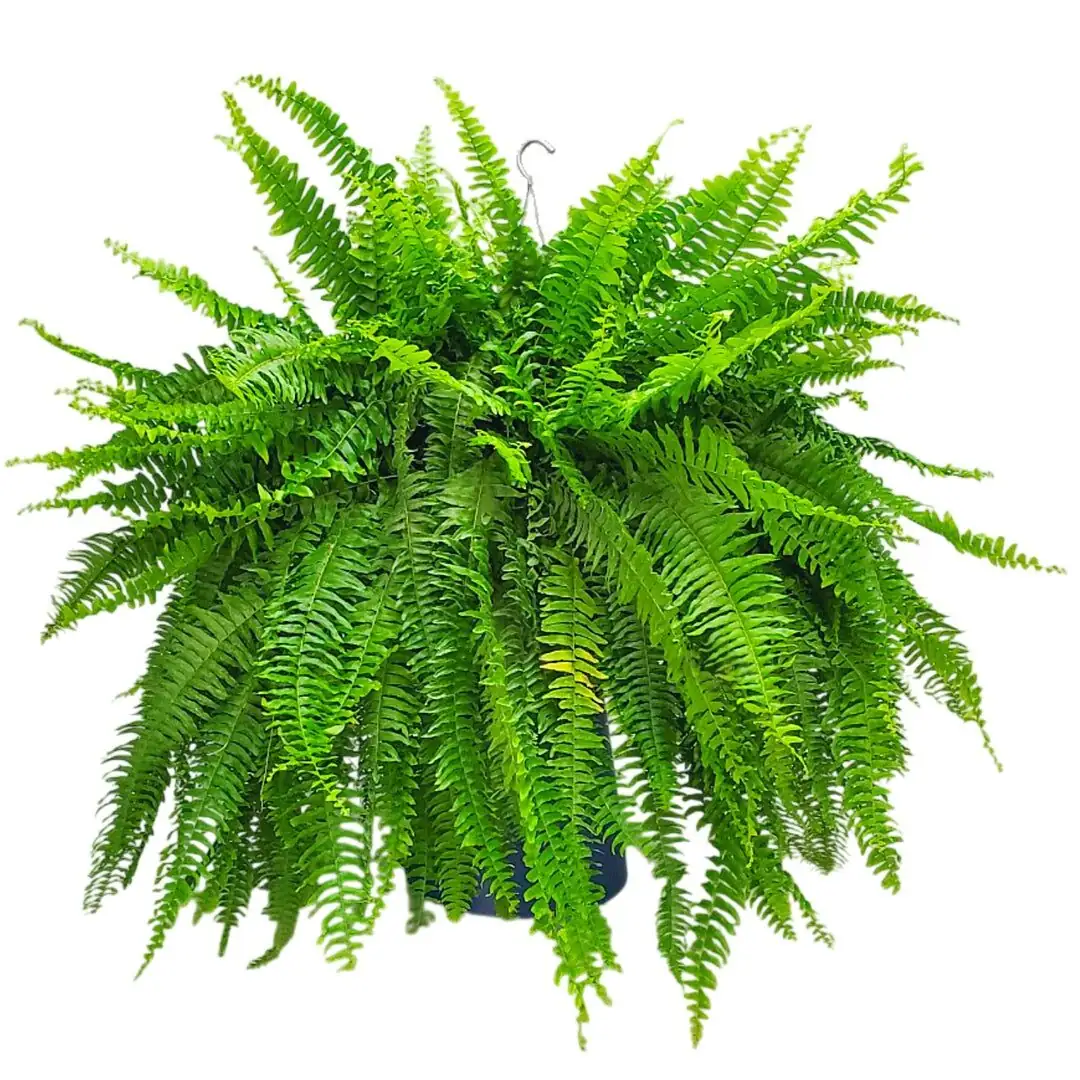
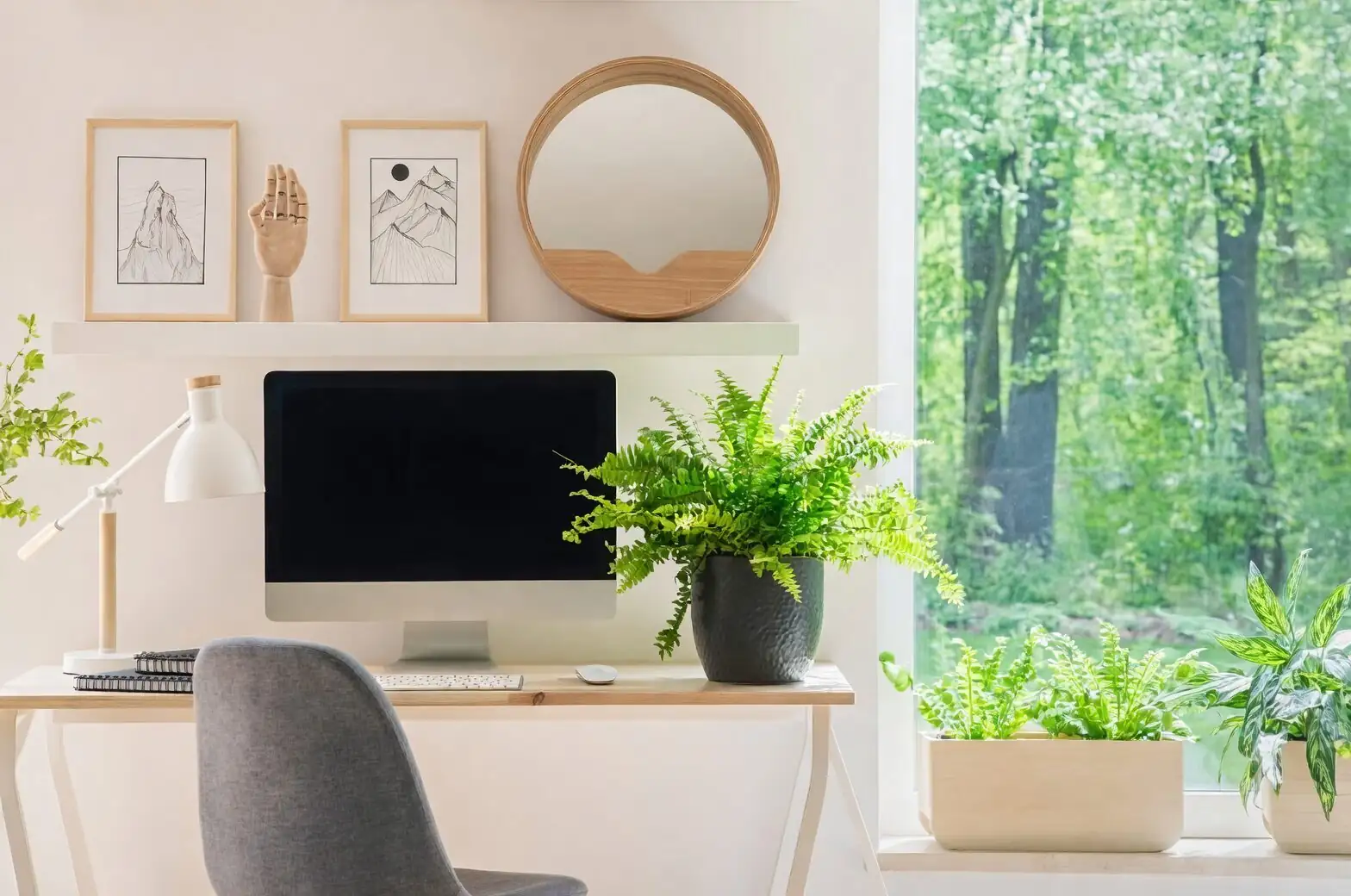
- Boston fern (Nephrolepis exaltata): The classic cloud of arching, feathery fronds. Luxe in a high-hung basket; perfect for softening edges. Pet-friendly and iconic.
- Lemon button fern (Nephrolepis cordifolia ‘Duffii’): A mini with button-like leaflets; great for small bathrooms or as a low shelf accent.
- Blue star fern (Phlebodium aureum): Blue-green, suede-like fronds add moody color and modern, wavy texture; a star in minimalist spaces.
- Rabbit’s foot fern (Davallia spp.): Delicate fronds plus fuzzy, creeping rhizomes that drape over pot rims—add playful texture.
- Kangaroo paw fern (Microsorum diversifolium): Glossy, lobed fronds for a slightly wild, sculptural cascade.
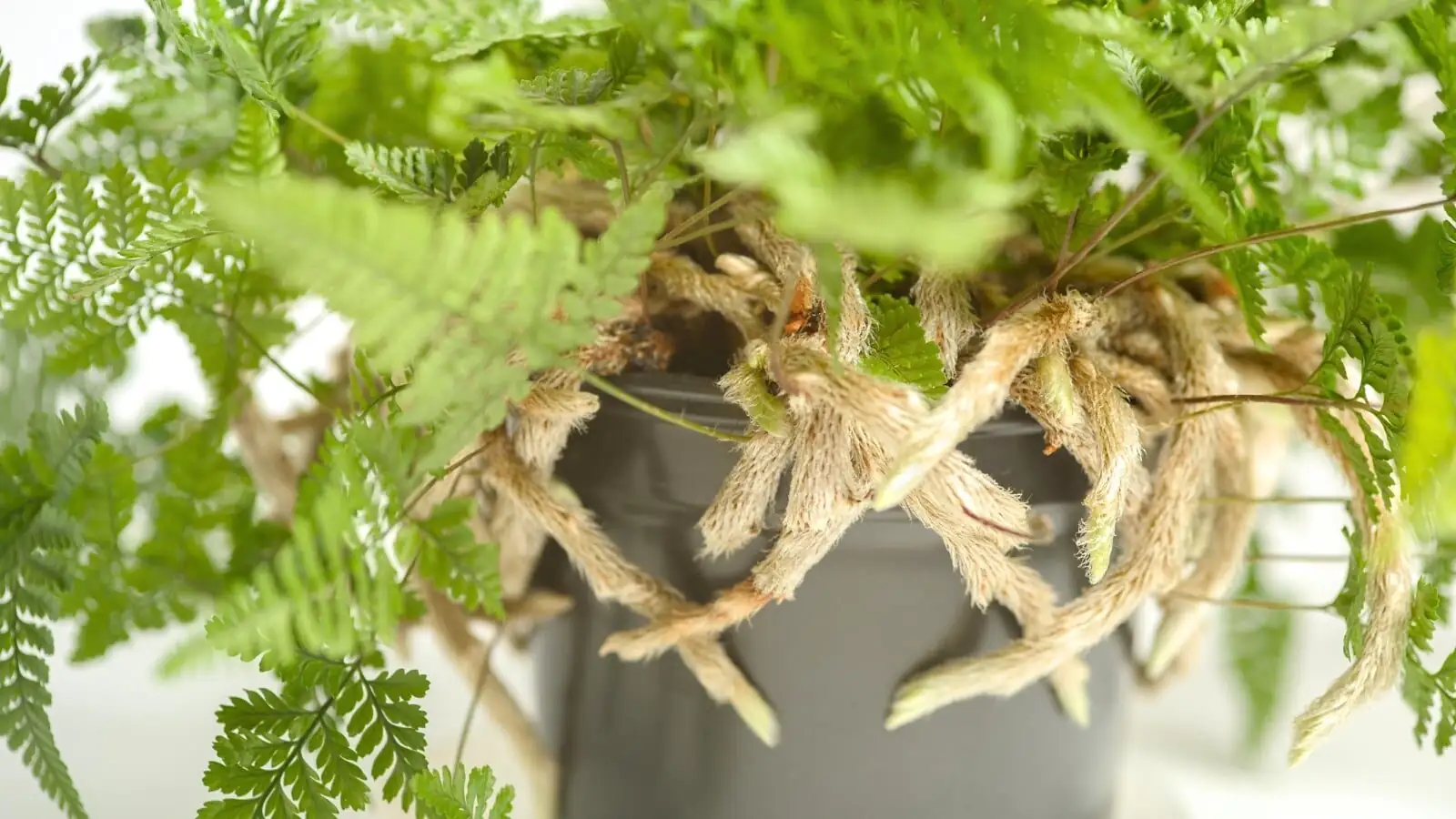
Design note: Pair frilly cascaders (Boston) with sleeker companions (Blue star) for tension and depth.
Upright anchors for stands and corners
- Bird’s nest fern (Asplenium nidus): Bold, glossy strap-like fronds that unfurl from a central cup—pure sculpture. Ideal on a low pedestal.
- Japanese holly fern (Cyrtomium falcatum): Leathery, sickle-shaped leaflets; durable, structured, and shadow-friendly.
- Maidenhair fern (Adiantum spp.): Fine, cloud-like grace on dark wiry stems. Demands steady moisture and humidity—rewarded with couture-level delicacy.
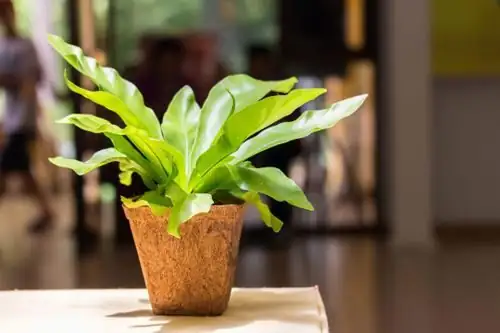
Design note: Use one upright “hero” in a calm pot (matte ivory, charcoal, or raw stone) and surround it with two to three softer companions.
Statement mountables
- Staghorn fern (Platycerium spp.): Architectural fronds mounted on a board or hoop. Ideal in bright bathrooms; channel a gallery wall with living sculpture.
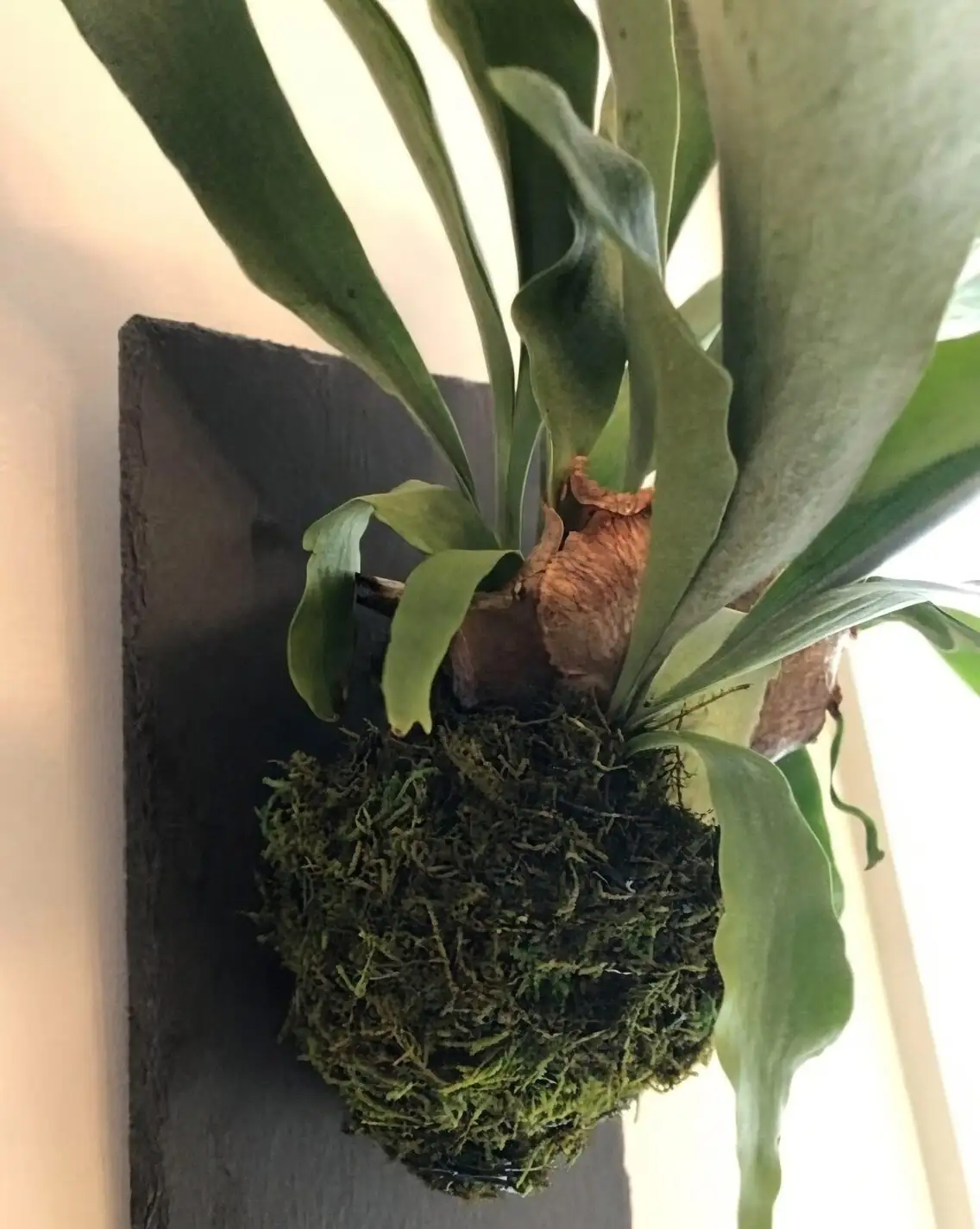
Design note: Mount above a towel bar or beside a mirror where steam brushes past but light stays bright and indirect.
Layer textures like a stylist
- Mix frond textures: feathery (Boston, maidenhair) + glossy (bird’s nest) + suede-blue (Blue star) + leathery (holly fern).
- Scale play: Tiny button fern in a tea-bowl pot next to a medium Boston, with a tall bird’s nest behind on a stand. The small-medium-large rhythm creates visual flow.
- Color story: Blue-greens (Phlebodium) cool shiny brass or black fixtures; limey new fronds pop against deep emerald tiles.
- Pot materials:
- Glazed ceramics retain moisture—good for thirsty ferns.
- Terra-cotta breathes—great if you tend to overwater (but may dry faster).
- Self-watering cachepots smooth out busy weeks.
Hanging-basket drama, done right
- Basket choice: Breathable hanging pots or moss-lined baskets keep roots aerated. If you use moss, water more thoughtfully; it dries faster.
- Height: Hang just above eye level so fronds kiss the air without brushing heads—luxurious, not ticklish.
- Placement: Near bright windows with filtered light. Avoid heat vents and harsh midday sun.
- Watering logistics: Take the basket to the sink or tub; water until excess drains. Let it drip before re-hanging to protect floors and hardware.
Plant-stand vignettes for small rooms
- The rule of three: Group in odd numbers. One upright anchor + one cascade + one compact accent.
- Tiered stands: A tripod stand with staggered heights frames fronds in layers—think fabric drape.
- Negative space: Leave breathing room between plants so each silhouette reads clearly.
- Microclimate bonus: Grouping gently boosts local humidity around the fronds.
Low-effort routines that keep fronds lush
Ferns are moderate in difficulty until you master two habits: steady moisture and decent humidity. After that, they’re blissfully consistent.
Watering
- Aim for evenly moist, never soggy soil. Check with a finger: water when the top 1 inch (2–3 cm) feels slightly dry.
- In spring/summer: Often 2–3 times per week, depending on pot, light, and airflow.
- In fall/winter: Dial back, but don’t let the root ball fully dry.
- Technique: Water at soil level with room-temperature water (rainwater is lovely). Repeatedly soaking fronds can encourage spotting—keep the crown tidy and the soil happy.
Humidity
- Target 50%+ RH. Bathrooms and kitchens help; otherwise, use:
- A small humidifier on low near your cluster
- Pebble trays with water below the pot (not touching the base)
- Grouping plants together to create a gentle humidity pocket
- Light misting is fine, but avoid keeping foliage chronically wet to reduce leaf spot risk; ensure gentle airflow.
Light and placement
- Bright indirect light is best; east/north windows are fern heaven.
- Signs to watch:
- Too much light = bronzing, crispy tips.
- Too little light = pale, slow, leggy growth.
Feeding
- During the growing season (spring/summer): Lightly feed monthly with a diluted liquid houseplant fertilizer at half strength.
- Fall/winter: Pause feeding. Fern roots prefer gentle nutrition over heavy doses.
Grooming and pruning
- Snip yellow or brown fronds at the base with clean scissors—this invites new growth.
- Dust gently with a soft brush or cool-lukewarm shower rinse (then let fronds dry with airflow).
Repotting and soil
- When: Every 1–2 years in spring.
- Pot: Ferns often prefer shallower pots; always choose a container with a drainage hole.
- Medium: Loose, airy, organic-rich, slightly acidic. Try a mix with peat or leaf mold plus perlite/coarse sand; add fine bark or fern fiber for extra aeration.
- Pro tip: Skip the gravel myth—no stones at the bottom. Use a coffee filter over the drainage hole to keep mix in place. Consider double-potting (a breathable inner pot nestled in a decorative outer pot with moist sphagnum between) for steadier moisture.
- Be gentle: Keep a touch of old soil around roots to soften transplant shock.
Propagation
- Division is easiest. In spring, split a healthy clump so each division has roots and fronds; pot individually. Spore sowing is possible but slow and fiddly at home.
Quick styling recipes to copy
- Spa-bath canopy:
- High-hung Boston fern + staghorn on a board + maidenhair on a low riser near the tub.
- Materials: Milk-glazed ceramics, oak, brushed brass.
- Kitchen soft-corner:
- Blue star fern on the counter’s far end (east light) + rabbit’s foot fern on a wall shelf for texture.
- Materials: Stoneware pots, linen tea towels, pale wood.
- Minimalist bedroom calm:
- Single bird’s nest fern on a matte white pedestal, flanked by a small lemon button fern on a stack of books.
- Tall-entry vignette:
- Upright ‘Kimberly Queen’ type Boston (Nephrolepis) in a floor pot + a trailing rabbit’s foot on a console + one sculptural object (vase or lamp) to balance.
Troubleshooting at a glance
- Brown, crispy tips: Usually low humidity or too much direct light. Move to bright, indirect light and raise humidity (humidifier, pebble tray, grouping).
- Wilting/drooping: Underwatering or root rot. Check the root zone: if dry, water thoroughly; if soggy or smelly, improve drainage, reduce watering, and consider repotting.
- Yellowing fronds: Often overwatering or low light. Adjust light and let the top inch dry between waterings.
- Pests: Scale, aphids, and spider mites can show up (mites less common with good humidity). Treat early with insecticidal soap or horticultural oil; maintain airflow.
- Leaf spot/anthracnose: Brown/black spotting from chronically wet foliage and stale air. Improve airflow, avoid keeping leaves wet, and use appropriate fungicides if needed.
Safety and serenity
- Most commonly grown house ferns are considered non-toxic to people and pets—great for families. Avoid nibbling, of course, and note that a few species (like bracken fern, typically not a houseplant) can be harmful if ingested.
- Very sensitive individuals may find spores mildly irritating—good ventilation helps.
Tiny botany lesson (and why the fronds feel magical)
- What they are: Ferns belong to the class Polypodiopsida—a vast lineage with around 381 genera across multiple families (including Polypodiaceae, Dryopteridaceae, Aspleniaceae).
- Ancient status: They’re living time-capsules, originating over 300 million years ago in tropical rainforests.
- How they grow: New fronds unfurl from coiled fiddleheads; many species carry tiny spore-producing structures (sporangia) on the frond undersides, arranged in patterns called sori. No flowers, no seeds—just elegant, spore-powered continuity.
Symbolism (a “flower language” for a plant with no flowers)
Ferns have long symbolized new life, resilience, fertility, and quiet protection—fitting for plants that predate flowering plants entirely. In Victorian Britain, “Pteridomania” (fern fever) put fronds everywhere: in jewelry, textiles, and garden grottoes. Folklore in parts of Europe imagined a mythical midsummer “fern flower” granting luck—a poetic irony, since ferns do not bloom. In New Zealand, the silver underside of some fronds guided night travelers and inspired the silver fern emblem—renewal, identity, and navigation writ in living design.
Care calendar
- Spring (Mar–May): Growth surges. Increase watering, begin monthly feeding, repot/divide if needed.
- Summer (Jun–Aug): Shield from harsh sun; maintain humidity; watch for heat stress.
- Fall (Sep–Nov): Gradually reduce watering; stop fertilizing as growth slows.
- Winter (Dec–Feb): Water sparingly but don’t let the root ball dry out; keep warm and away from drafts.
Bring it all together and your humid rooms stop being afterthoughts and become biophilic sanctuaries—soft, layered, and effortlessly lush. Let the fronds arch, the textures mingle, and the routine stay simple. Your space (and your shoulders) will drop a notch every time you walk in.