

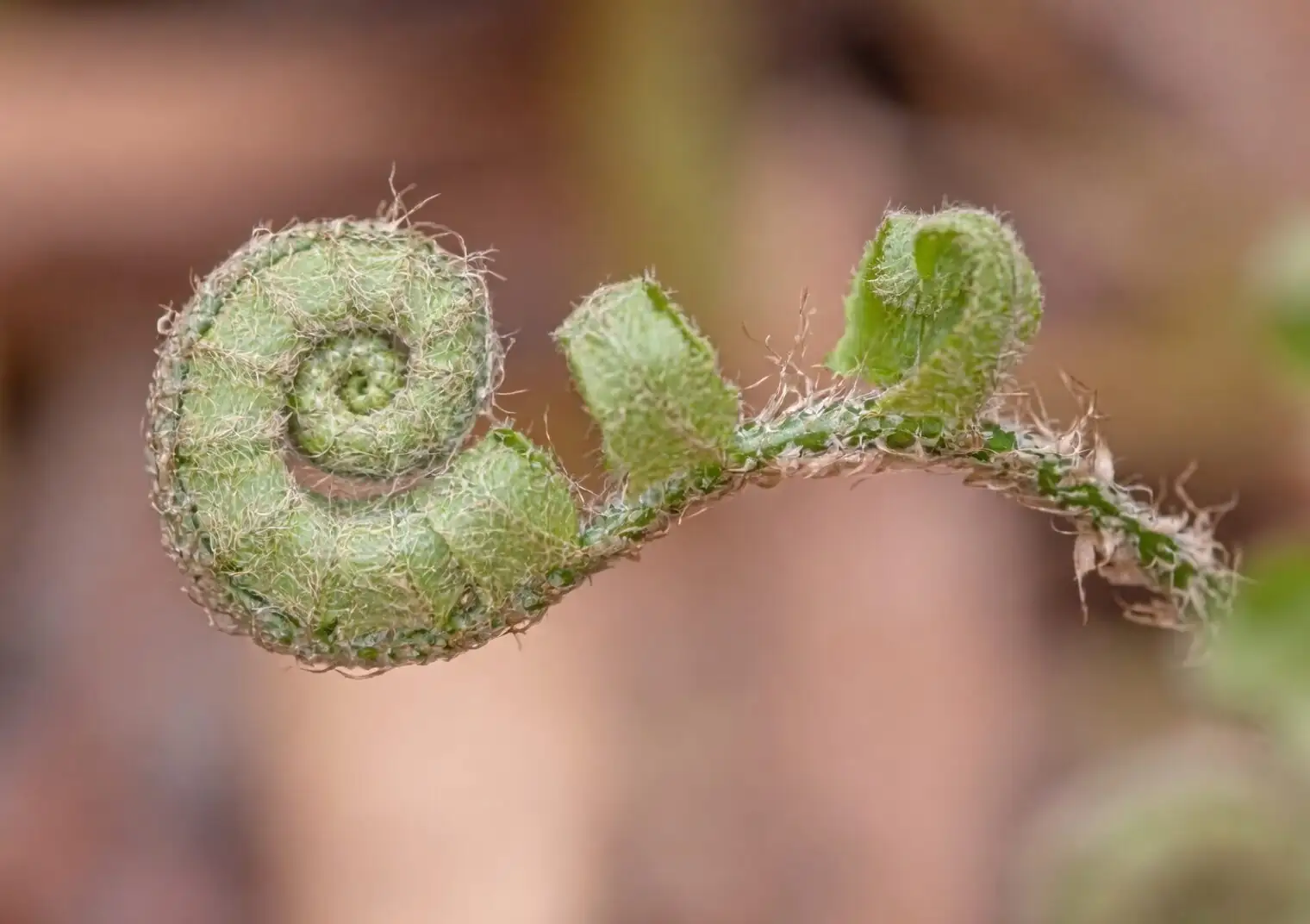
Ferns are paradoxes with fronds: ancient yet fresh, delicate yet enduring, quietly powerful in the symbolism they’ve gathered across cultures. Meet Polypodiopsida—the fern class—whose green “lace” has stood in for protection, renewal, and fertility from Victorian parlors to Slavic Midsummer bonfires and the silvered trails of New Zealand nights.
Ferns, briefly: the plant behind the poetry
Before we decode the meanings, a quick botanical grounding helps explain why ferns are such potent symbols.
- Scientific name: Polypodiopsida (often called “ferns,” “polypods,” or “pteridophytes”)
- Age and origin: Among the oldest plants on Earth, with a history stretching back more than 300 million years; globally distributed, richest in the tropics and subtropics
- Families and diversity: Multiple families (including Polypodiaceae, Dryopteridaceae, Aspleniaceae), approximately 381 genera, and roughly 10,560 known species worldwide
- Key traits: Fern “leaves” are fronds that unfurl from curled fiddleheads; ferns never make flowers or seeds—reproduction happens via tiny spores in sporangia, often clustered in sori under mature fronds
- Habit and home: From petite indoor companions to 20 m tree ferns, most prefer shade, steady moisture, and higher humidity—hence their reputation for refreshing bathrooms, kitchens, and calm, green corners
No flowers. And yet, one of the most famous fern legends is all about a flower. That tension—things unseen, renewal from coils of green, old life looping into new—powers much of the fern’s symbolism.
The Victorian language of ferns: sincerity, fascination, and protective tact
In 19th‑century Britain, a full‑blown fern craze—“Pteridomania”—spilled from conservatories into carving, ceramics, wallpaper, and jewelry. With that visual saturation, ferns slipped easily into floriography, the Victorians’ coded “language of flowers.”

- Sincerity and fascination: Ferns often signaled honest interest—“I am truly taken with you,” as opposed to fleeting flirtation. Their quiet, persistent growth made them a shorthand for genuine regard.
- Prudence and discretion: A tucked fern frond could temper ardor with a gentle “go carefully.” Ferns thrive out of harsh sun, and the metaphor carried: shielded feelings, protection from exposure.
- Enduring growth: The unfurling fiddlehead became an emblem of steady beginnings, resilience, and the promise of more—perfect for commitments, partnerships, and new homes.
Critical note on “flower language”: Floriography wasn’t a universal dictionary so much as a fashionable codebook trend, shifting between publishers and social circles. Yet ferns consistently clustered around meanings of sincerity, protection, renewal, and tact—values still associated with them today.
How to give a Victorian‑inspired fern today
- Occasions: Housewarmings, engagements, weddings, new jobs, “fresh start” milestones
- Varieties: Boston fern (lush classic), bird’s‑nest fern (bold, sculptural), maidenhair (ethereal, romantic), staghorn (statement mount)
- Presentation: Pair with a handwritten note translating your message—“For your new chapter: steady growth and sheltering green.”
The Slavic Midsummer “fern flower”: a bloom that never was—and why it matters
Across Baltic and Slavic folklore, there’s a magical claim: on Midsummer’s Eve, ferns bloom for a heartbeat, revealing a fern flower that grants luck, hidden treasure, or special insight. Of course, botanically, ferns do not flower. That impossibility is the point.

- The myth: The fern flower appears only briefly around the summer solstice and is fiercely guarded. The seeker who finds it may receive fortune, knowledge (even understanding animal speech in some tellings), or powerful luck—though the gift can come with risks.
- Fertility and courtship: In Baltic and Slavic traditions, “seeking the fern flower” during Midsummer carries a wink—young lovers wander into the woods, and the “flower” becomes a symbol of union and potential new life.
- Protection in the liminal: Midsummer sits between light and darkness. The “unseeable flower” suggests protection and guidance through threshold moments—rites of passage where courage, prudence, and hope are needed.
Why it endures: Because the fern never actually blooms, the legend recasts the true miracle as transformation itself—the uncoiling of possibility. That makes the fern a natural emblem for renewal and the kind of luck you earn by stepping bravely into change.
A Midsummer‑minded gift
- Bring a potted fern to a solstice gathering with a note: “For luck and fresh beginnings—your own fern ‘flower’ to tend all year.”
- Choose a spot with bright, indirect light to honor the mythic “blink” between day and night.
The New Zealand silver fern: guidance, renewal, identity
Flip certain New Zealand ferns and you’ll find a shimmering underside that catches moonlight—a natural reflector once used to mark paths for nighttime navigation. From that practical glow grew a national symbol.

- Guidance: The silver underside—turned up along forest tracks—helped travelers find their way. Today, the silver fern signals steady direction through uncertainty.
- Renewal and resilience: Like all ferns, it unfurls anew; as a national emblem it speaks to rebirth after hardship and collective endurance.
- Cultural identity: The silver fern’s silhouette is woven through contemporary New Zealand life, including many sporting emblems. It encapsulates belonging and shared purpose without shouting.
Gifting echo: Offer a fern to someone embarking on a journey—literal or figurative—framed as a living compass and a promise of renewal.
Turning symbolism into placement: where a gifted fern goes (and why)
Let the meaning guide the location—while keeping the plant’s needs front and center: bright, indirect light; steady moisture; and humidity (50%+ if possible).

- For protection (threshold magic)
- Place: Entryway console or a living‑room side table near, not in, direct sun. Avoid cold drafts.
- Why: A green “guardian” that filters the mood as people come and go—Victorian prudence meets welcome.
- Pick: Boston fern or bird’s‑nest fern—full, sheltering shapes.
- For renewal (daily reset)
- Place: Bathroom shelf or hanging basket by an east‑ or north‑facing window.
- Why: Water, steam, and the fern’s unfurling rhythm mirror fresh starts.
- Pick: Maidenhair fern for delicacy, or a compact nephrolepis for humidity bliss.
- For fertility and growth (love and legacy)
- Place: Bedroom or nursery corner with soft, indirect light; keep a comfortable distance from heaters or intense afternoon sun.
- Why: Quiet, sustained growth without glare; a nod to the Midsummer fern flower’s generative promise.
- Pick: Bird’s‑nest fern (symbolic “nest”) or a small, lush variety that feels intimate.
- For stamina and new chapters (work, study, or recovery)
- Place: Desk side, bookshelf, or plant stand in bright shade—never under scorching light.
- Why: Steady, evergreen focus; resilience without intensity.
- Pick: Asplenium or a hardy nephrolepis cultivar.
Tip: Group ferns or set them on a pebble tray for humidity; water when the top 2–3 cm of soil feels slightly dry, and keep the mix moist but never soggy.
Choosing the right fern for your message
- Sincerity and care: Boston fern—classic, generous, comforting
- Discretion and shelter: Bird’s‑nest fern—broad fronds, protective cup
- Romance and ephemerality: Maidenhair—lace‑fine leaflets that whisper
- Guidance and identity: A silver‑undersided fern or a striking sculptural species as a symbolic “wayfinder”
A final flourish: the eloquence of something that never blooms
Ferns ask us to look closer: to see flowers where there are none, to recognize strength in softness, and to honor beginnings that start curled and quiet. Whether you’re channeling a Victorian love note, a Slavic Midsummer dare, or the cool silver glow of a New Zealand trail marker, a fern makes a gift that protects, renews, and—yes—invites a little luck in.
Care in one breath:
- Light: bright, indirect; no harsh sun
- Water: keep evenly moist; never bone‑dry or waterlogged
- Humidity: 50%+ is ideal—bathrooms and kitchens shine
- Temperature: comfortable room temps; protect from drafts
- Safety note: Most common house ferns are non‑toxic to people and pets; avoid ingestion of bracken fern specifically
Give a fern, and you give more than greenery. You give a story—one that keeps unfurling.