

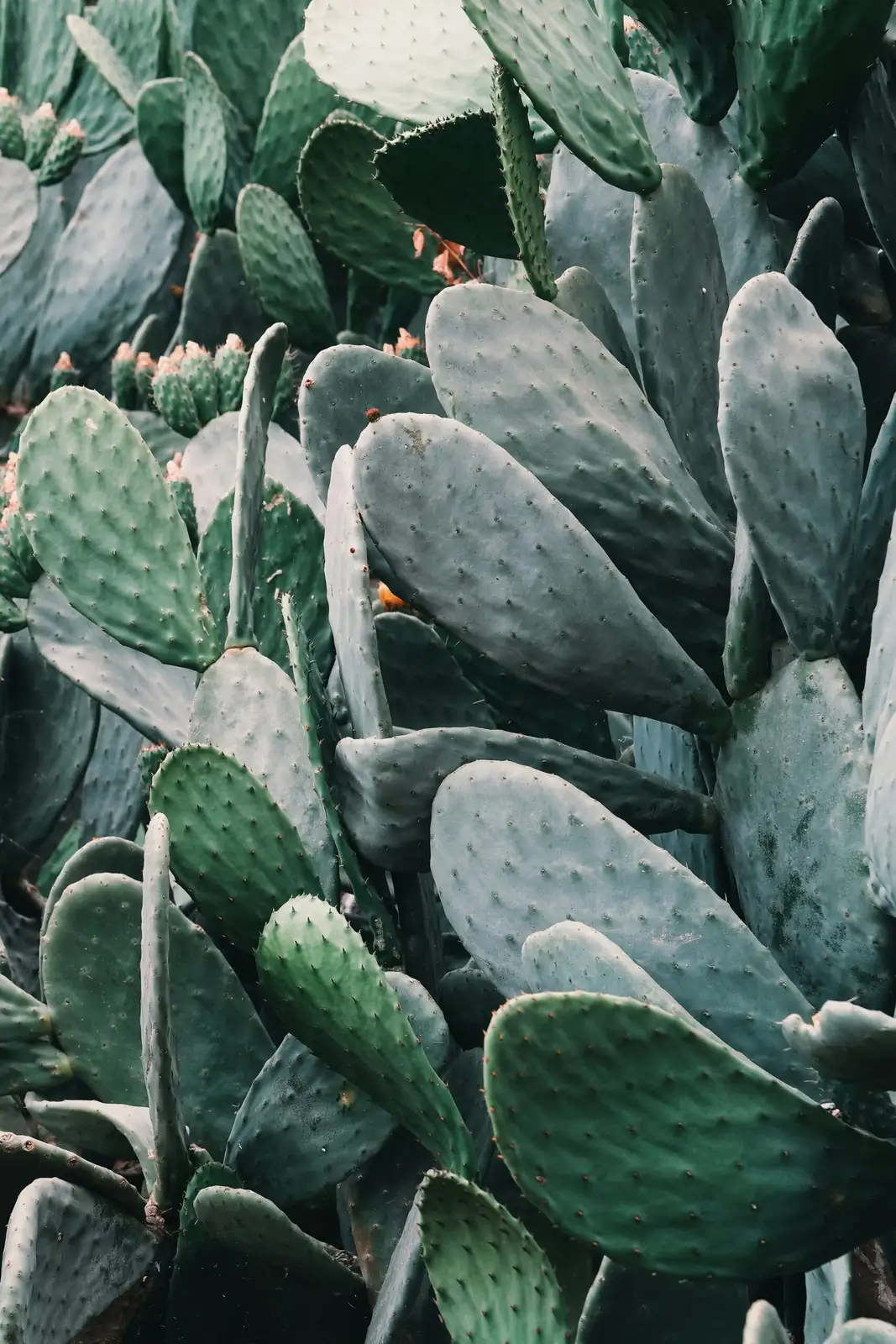
Picture a desert morning: a paddle-shaped cactus catching gold light, its spines haloed, and a dusting of white “cotton” on a pad that most gardeners would brush away. That cottony bloom is the calling card of an insect so small you could miss it—and so powerful it once dyed empires red. Welcome to the world of Opuntia dillenii (Ker Gawl.) Haw. and the cochineal dye that turned a spiny succulent into a global color industry.
Meet the plant behind the crimson: Opuntia dillenii
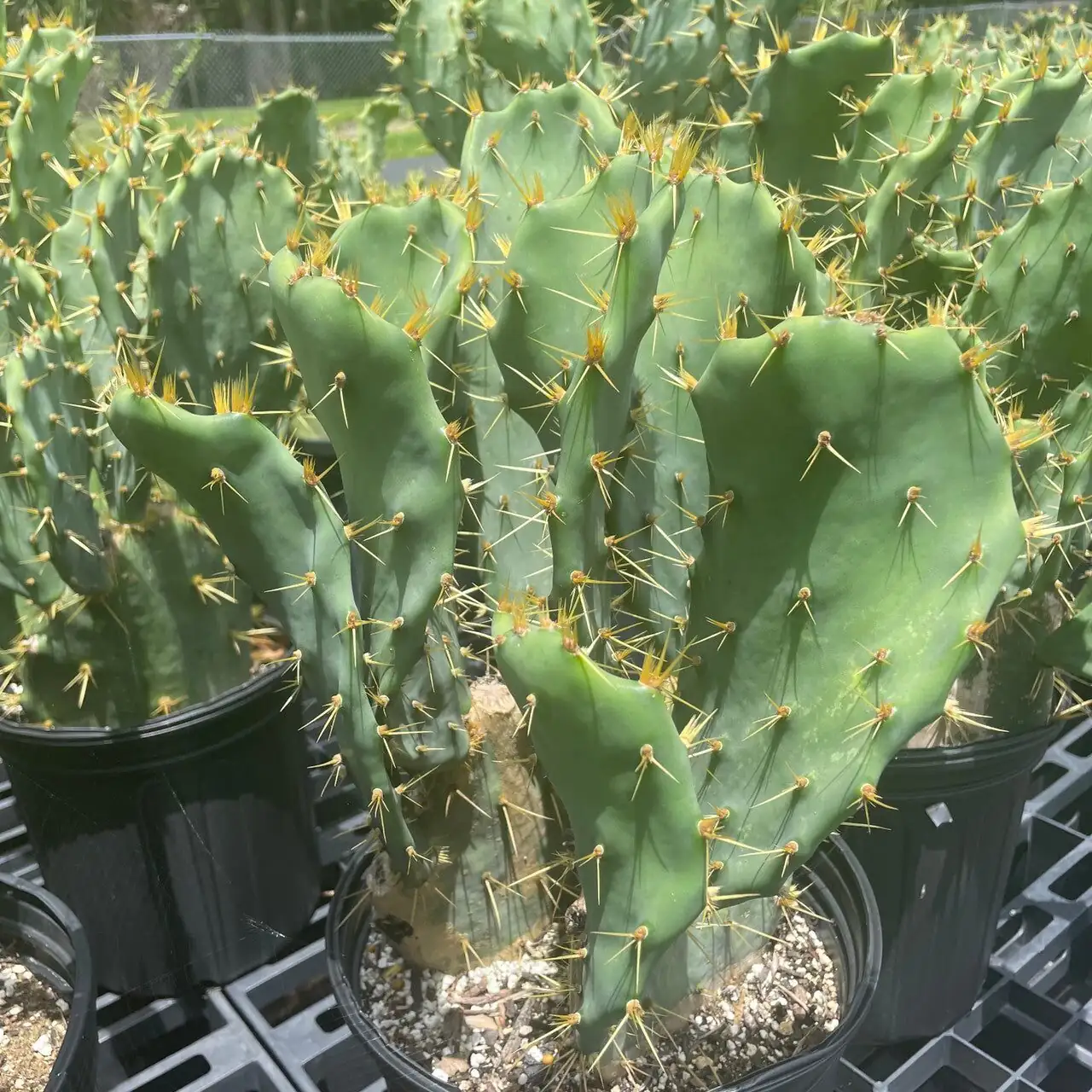
Opuntia dillenii is a member of the prickly pear clan—the paddle cacti often called nopal, paddle cactus, or simply Opuntia. Like its cousins, it’s a water-storing succulent with:
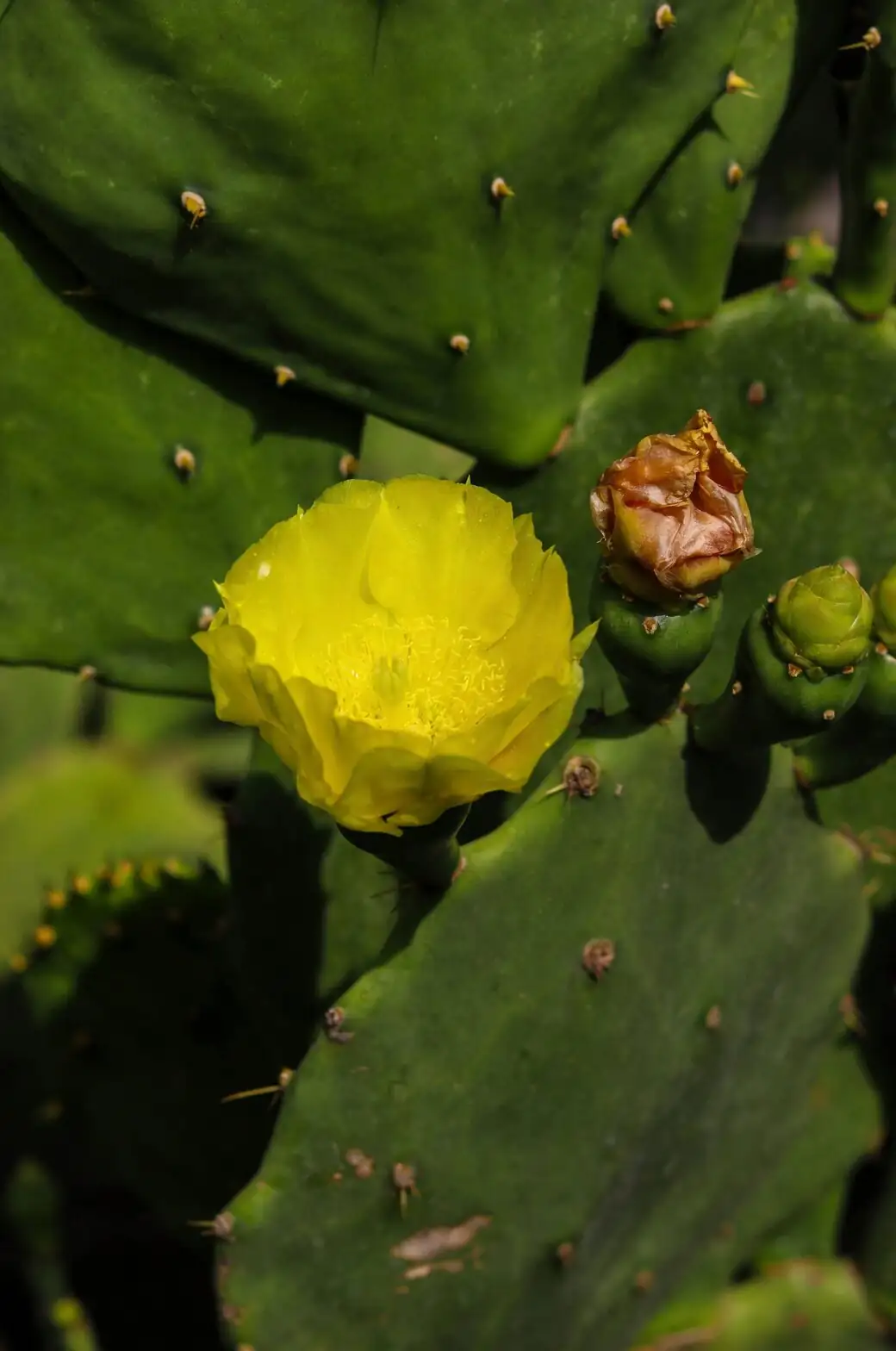
- Thick, fleshy green pads (stems) that do the photosynthesis
- Leaves transformed into spines to deter grazers and conserve water
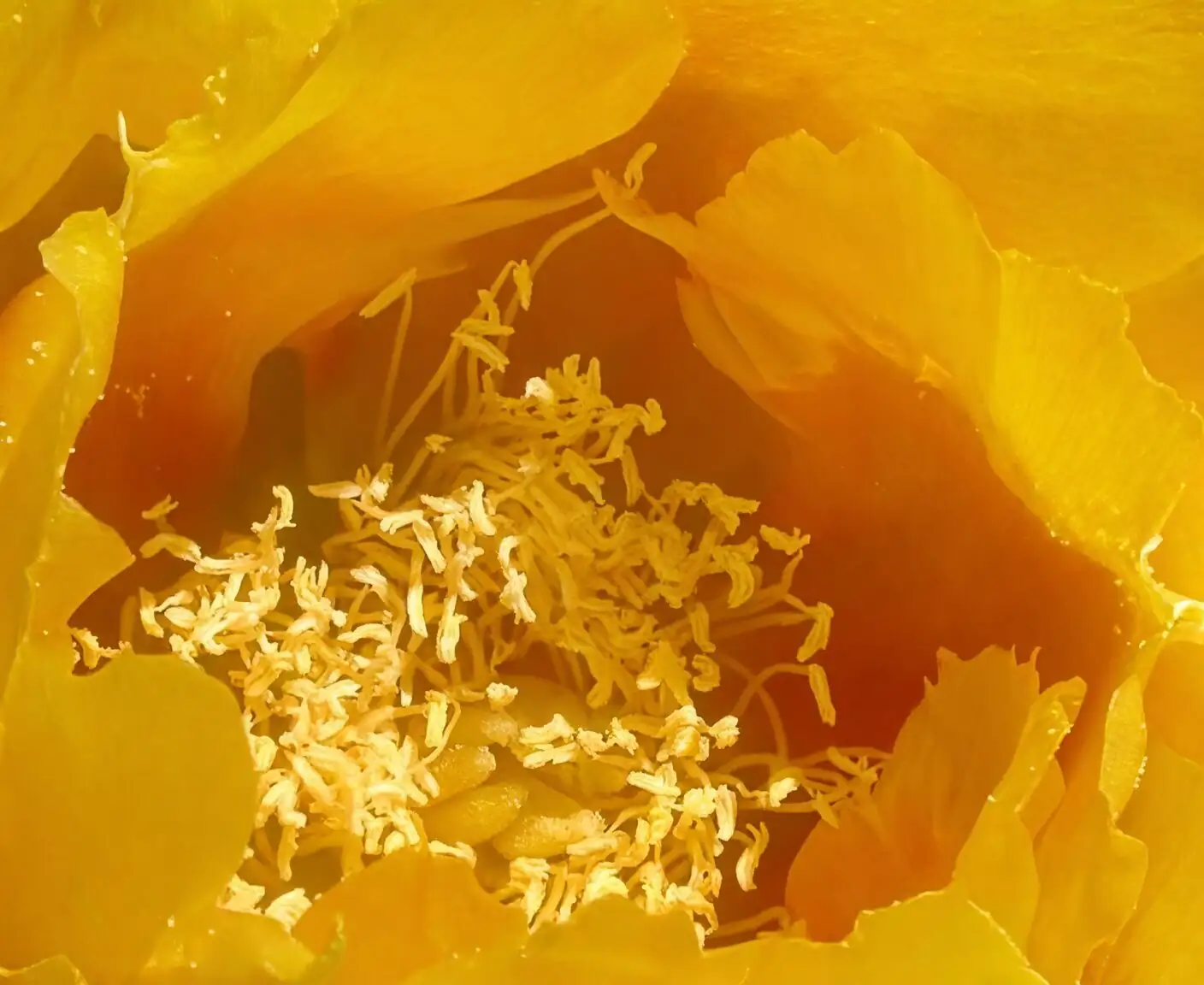
- Vivid, short-lived flowers in sunshine-friendly hues (commonly yellow, pink, red, or white) in spring and summer
- A native heritage rooted squarely in the Americas, with Mexico and Central America as major centers of diversity
Opuntias are desert athletes: drought-tolerant, heat-loving, and astonishingly adaptable. Those very traits made them the perfect living host for the cochineal insect—and a botanical backbone for one of history’s most storied dyes.
A living loom for insects: cochineal on Opuntia pads
The cochineal insect (Dactylopius coccus) is a tiny scale that feeds on Opuntia pads. The females settle in, cloak themselves in a white, cottony covering for sun protection and camouflage, and quietly convert cactus sap into carminic acid—the molecule behind cochineal’s saturated crimson.
- Host match: Several Opuntia species carry cochineal well, including the widely cultivated O. ficus-indica—and, in many regions, O. dillenii.
- What you see: White, dusty clumps or streaks on paddles. Rub them and you’ll get a startling little smear of red. That’s cochineal.
- What it takes: Roughly 25,000 live insects—or about 70,000 dried—to make a single pound of dye. Traditional harvesters time collections to when females are plump with eggs, then dry them (sun, steam, warm ovens, or acidic baths all have been used historically).
How a desert dye reshaped taste, trade, and art
Before the galleons: red in Mesoamerica and the Andes
Long before Europe fell in love with scarlet, Indigenous makers across the Americas nurtured cochineal:
- Mesoamerica (notably Oaxaca, Puebla, and Mixtec regions) perfected nopalerías—cactus groves managed specifically for cochineal production. Red held devotional, political, and ceremonial power.
- In the Andes, cochineal-dyed textiles appear as early as the Paracas period (around the third century BCE), with use intensifying during Huari and Tiwanaku times.
- Why it dazzled: Cochineal makes an extraordinarily bright, lightfast red that plays beautifully with different mordants, yielding a range from orange-scarlet to wine-dark crimson and plush purples.
Spain’s guarded secret—and a river of scarlet to the world
When Spain encountered cochineal after 1500, the dye quickly became its second-most valuable American export after silver. For centuries, the crown controlled supply tightly:
- Volume: Historical records point to about 250,000–300,000 pounds of cochineal shipped annually to Europe at the trade’s height.
- Routes: From New Spain’s ports (like Veracruz) to Seville on treasure fleets; from there to the dye houses and workshops of Europe—and onward through global networks, including the Canary Islands, and, via intercontinental trade, to Asia.
- Impact on taste: Cochineal fired the fashion imagination of European elites; it entered court dress, ecclesiastical robes, and luxury textiles. Painters prized cochineal-based lakes for luminous glazes on silks, velvets, and royal finery. Its influence touched military dress too, helping to define iconic scarlets in European uniforms, especially for high-status garments.
By the late 18th and early 19th centuries, secrecy gave way to broader cultivation experiments beyond the Americas (famously in the Canary Islands). Then came synthetic aniline dyes in the mid–19th century, and the cochineal trade ebbed.
A color that wouldn’t die
Cochineal never vanished. It survived where beauty and tradition mattered more than mass industry:
- It remained cherished by Indigenous weavers and dyers, notably in Oaxacan villages such as Teotitlán del Valle, where natural-dye rug traditions keep the color alive.
- It shifted into food and cosmetics as “carmine” or “cochineal extract.” If you’ve tasted a vividly red candy or admired a ruby lipstick made with carmine, you’ve encountered this history.
- Today, Peru and the Canary Islands are major producers, and a new wave of small-batch dyers is reviving cochineal for its unmatched brilliance and ecological story.
The botany behind brilliant red: why Opuntia works
Opuntias like O. dillenii make cochineal cultivation practical:
- Water-smart physiology: Pads store water and keep metabolism efficient in hot, dry air—creating a stable “pasture” for scale insects.
- Architecture: Regularly spaced areoles (tiny growth nodes) anchor spines and also the cochineal colonies, which spread along the pad surface.
- Propagation: Pads root easily; growers can expand nopalerías quickly with cuttings.
- Toughness: Heat and drought tolerance mean low inputs and resilience in arid climates.
Color on cloth, canvas, and page
Cochineal’s reds are famously versatile:
- Textiles: From feathered capes and cotton huipiles in Mesoamerica to silk brocades in Europe.
- Paint and ink: As carmine and related lakes, it enriched manuscript illuminations, Renaissance and Baroque painting glazes, and later artist palettes.
- Signal and status: Across cultures, saturated red read as power, holiness, and luxury. Cochineal amplified that signal like a bell in sunlight.
Collapse and comeback: synthetics, carmine, and a slow-dye revival
- The crash: Synthetic dyes undercut cost and standardization in the 19th century, shrinking cochineal’s industrial role.
- The pivot: Cochineal found steady use in foods and cosmetics as a “natural” colorant—though not vegan—and as a premium pigment for artists and artisan dyers.
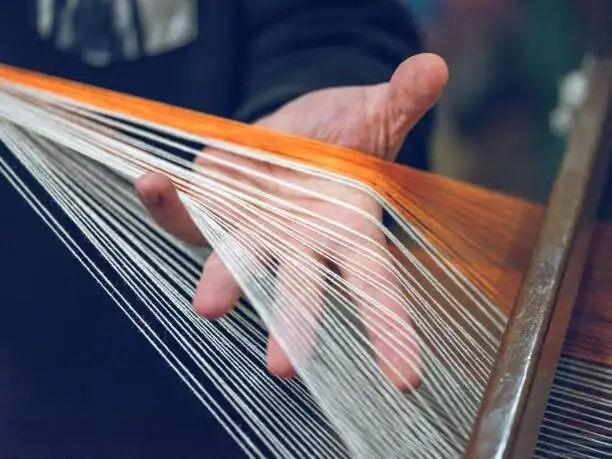
- The revival: Today’s slow-fashion and heritage craft movements prize cochineal for its provenance, performance, and story. Workshops teach time-honored methods—careful grinding, simmering with alum or iron, and layering color to achieve those gemstone reds and purples.
Ethical cochineal today: navigating beauty, biodiversity, and belief
Cochineal is natural, but it’s not neutral. Ethical dye-making weighs insect life, cultural equity, and landscape health.
- Transparency and consent
- Labeling: Carmine/cochineal should be clearly labeled in foods, cosmetics, and textiles. This matters for vegans and for people with carmine sensitivity.
- Cultural credit: Seek dyestuffs and textiles sourced through community-led cooperatives, especially in Oaxaca and Andean regions, with fair pay and authorship acknowledged.
- Ecology and cultivation
- Grow where Opuntia belongs: Opuntias are native to the Americas; in some regions elsewhere they can become invasive. Support cultivation in appropriate climates and under local regulations.
- Low-impact practices: Favor growers who minimize pesticides, protect pollinators, and maintain on-farm biodiversity.
- Animal ethics and alternatives
- Reality check: Cochineal requires killing insects; there’s no truly “humane” version, only “low-impact” methods (e.g., quick thermal processing).
- Plant-based reds: If you need vegan color, consider madder (Rubia tinctorum) for reds and corals, or combine tannin-rich barks and flowers for rose to russet tones. Note that some plant reds are less lightfast than cochineal; test and protect from UV.
- How to source
- Look for traceable origin (named producer/community and harvest year).
- Prefer small-batch suppliers who document processing methods.
- If traveling, buy directly from weaving families and dyers; ask to see the dyestuffs, not just the finished goods.
Want to grow an Opuntia host at home?
You can grow an Opuntia like O. dillenii for its sculptural beauty—and, if regulations and ecology allow, to learn the cochineal process on a very small scale.
- Light: Bright, direct sun—at least 4–6 hours daily. More sun, better shape and bloom.
- Temperature: Sweet spot is 20–30°C (68–86°F). Protect from frost; keep winter temps above about 5°C (41°F).
- Air and humidity: Dry air is ideal. High humidity plus wet soil invites rot.
- Soil: Fast-draining cactus mix or sandy, gritty blend. Never let water pool around roots.
- Water: Soak thoroughly, then wait until the mix is bone-dry before watering again. In warm, bright weather that might mean weekly; in winter, every 4–6 weeks or less.
- Feeding: Lightly in spring–summer (1–2 times per month) with diluted cactus fertilizer; skip in fall–winter.
- Propagation: Easiest by pad cuttings—let a fresh cut callus for a few days, then set in dry mix and wait to water until rooting begins.
- Pests and safety: Mealybugs, scale (including cochineal), and spider mites can appear; spot-treat with alcohol swabs or insecticidal soap. Cacti are generally non-toxic, but spines can injure—place thoughtfully.
Note: If you notice white, cottony patches and you’re not cultivating cochineal intentionally, treat promptly; left unchecked, they can weaken the plant.
Flower language, symbolism, and what this red really means
Victorian “flower language” popularized tidy meanings for almost every bloom—a charming code, if historically more marketing than anthropology. For cacti, the symbolism that endures doesn’t come from a dictionary of floriography; it rises from the plant’s biology.
- Resilience and endurance: A cactus makes a life from sun and stone, a model of perseverance.
- Protection: Spines signal boundaries—and the wisdom of conserving what matters.
- Steadfast love: In many traditions, a cactus’s long life and quiet, cyclical flowering embody loyalty and patient care.
Set beside that, cochineal red has long signified vitality, authority, and the sacred. When a cactus hosts the insect that yields that red, the metaphor deepens: out of a hard landscape, a color of astonishing warmth.
A small insect, a spiny host, and a world dyed red
Opuntia dillenii and its kin did more than survive in arid lands—they midwifed a hue that dressed emperors, marched on parade grounds, and glowed in tapestries and paintings. Today, as makers rediscover cochineal in ethical, small-batch ways, the story continues: a collaboration between plant and insect, craft and culture. If you keep a paddle cactus on your windowsill, you’re tending not just a desert sculpture—you’re sharing space with a quiet architect of world color.