

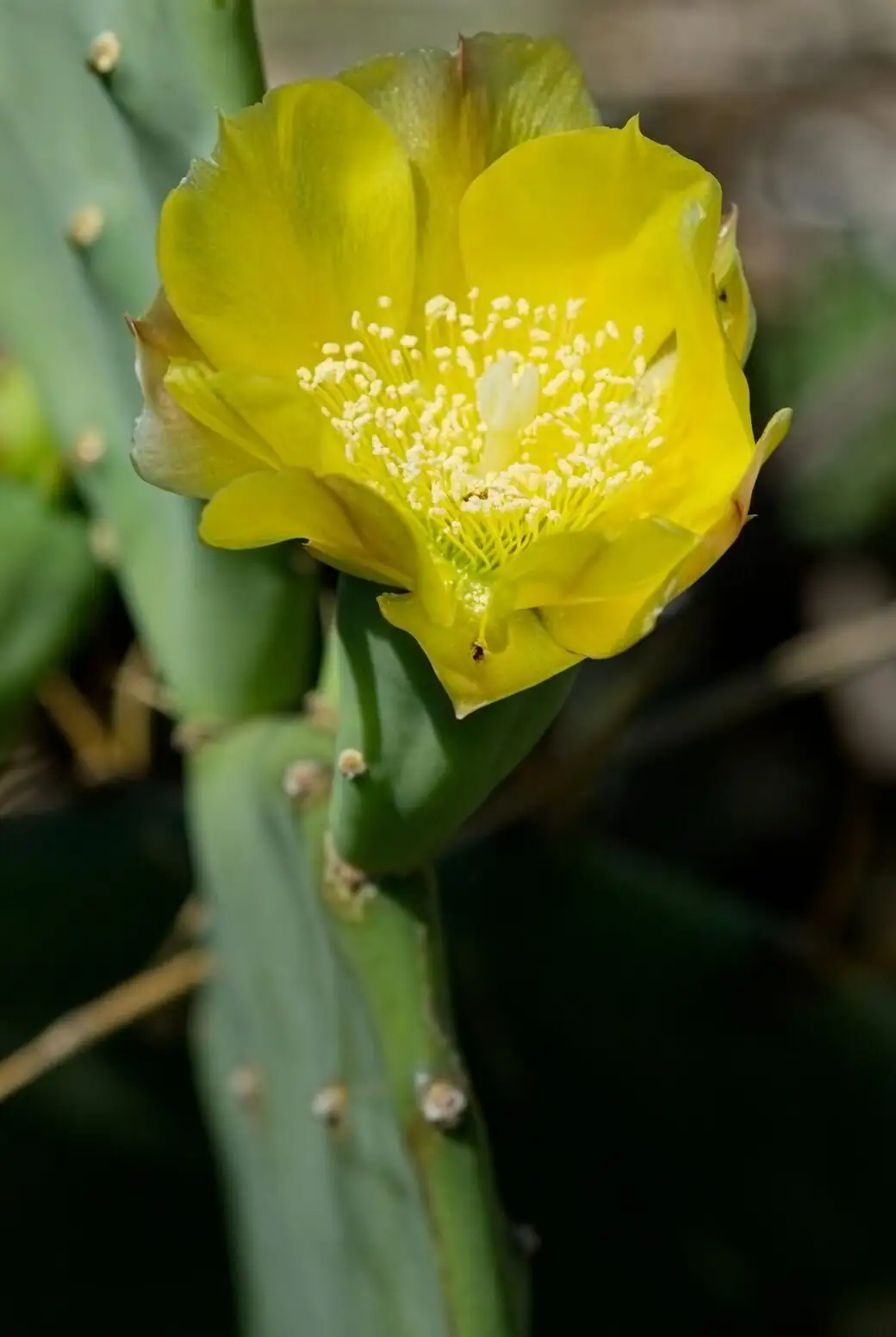
Meet Opuntia dillenii—the paddle cactus with pop-science secrets tucked into every pad, bristle, and bloom. Think of it as a compact desert laboratory: its “leaves” are really power‑packing stems, its flowers are here‑and‑gone fireworks, and those tiny hair-like glochids? They’re brilliantly booby-trapped micro-spines.
The pad that breathes at night: how a cactus photosynthesizes without leaves
Those flat green “paddles” (cladodes) are actually stems doing double duty—storing water and capturing sunlight.
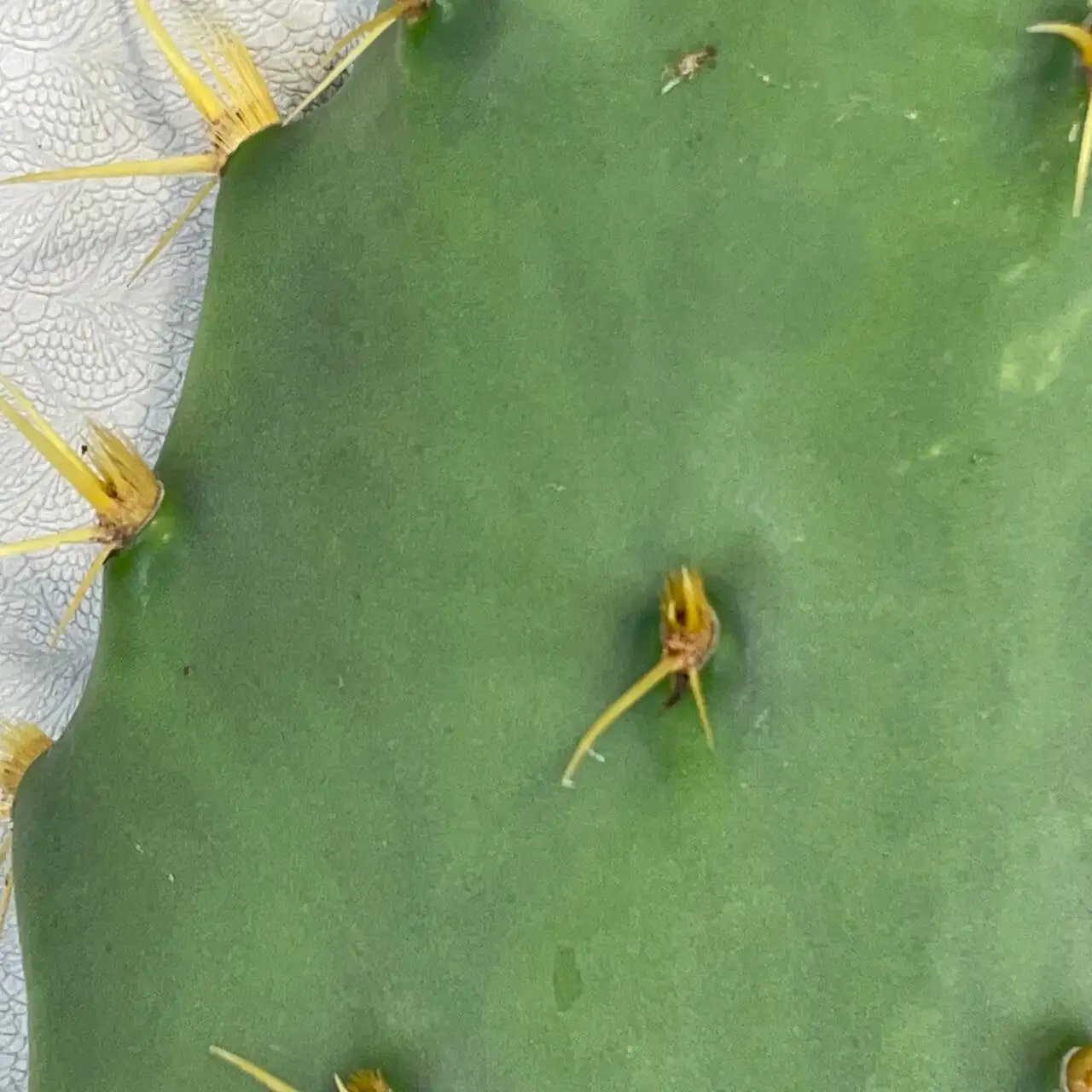
- CAM metabolism, the night shift: Unlike leafy plants that open pores (stomata) by day, Opuntia dillenii practices crassulacean acid metabolism (CAM). It opens stomata at night to take in CO₂ (cooler air = less water loss), stashes it as organic acids, then closes tight by day and uses sunlight to turn those acids into sugars.
- Built-in water vault: The pads’ fleshy tissues hold water like living canteens, their waxy skin lowers evaporation, and chlorophyll packed through the pad keeps photosynthesis humming even when the air is bone-dry.
- Morning sour, afternoon sweet: In many Opuntia, nighttime acid storage slightly lowers pad pH, then de-acidifies as the sun powers sugar-making the next day—a biochemical tide that lets the plant sip, not spill, its water reserves.
Areoles: the cactus’s tiny command centers
Those neat little cushions dotting the pads are called areoles—specialized growth hubs unique to cacti.
- Multi‑tool buds: From a single areole, the plant can grow spines, flowers, new pads, and even roots.
- Nature’s “snap‑to‑grow” feature: If a segment breaks off and lands on soil, areoles can sprout roots—one reason Opuntia dillenii spreads so successfully in warm, dry regions.
- Precision spacing: Areoles are arranged in a regular grid, placing spines and flowers just far enough apart to maximize defense, reduce self-shading, and make room for pollinator landings.
Glochids: the microscopic menace with macro impact
Opuntia’s sneakiest defense isn’t the big spines—it’s the tiny, hair‑like glochids clustered in the areoles and on fruits.
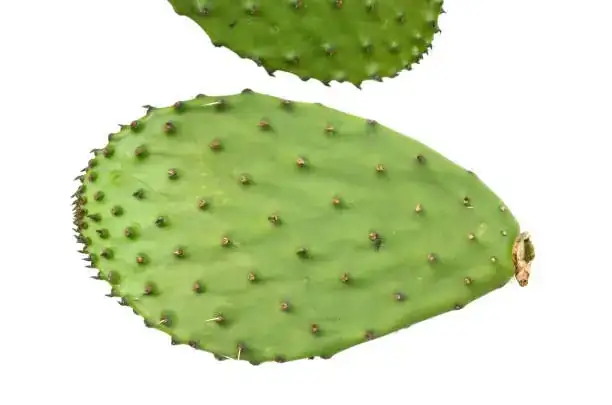
- What they are: Fragile, short bristles with backward-facing barbs. They detach at a whisper and slide into skin with ease, where the barbs resist removal and cause irritation.
- Why they work: Their small diameter and micro‑barbs distribute pressure so they penetrate readily, then snag—deterring herbivores far more effectively than looks suggest.
- Safety smarts:
- Handle with tongs or thick gloves.
- If you get stuck: pull any visible bristles with fine tweezers, then press on and lift off a strip of adhesive tape (or a layer of rubber cement once dry) to catch the rest. Avoid rubbing, which pushes them deeper.
Blink‑and‑you‑miss‑it blooms: why cactus flowers can be fleeting
Opuntia dillenii produces showy, often yellow, bowl‑shaped flowers about 5–10 cm across, typically from spring into summer. They can be gloriously brief—sometimes open for just a day.
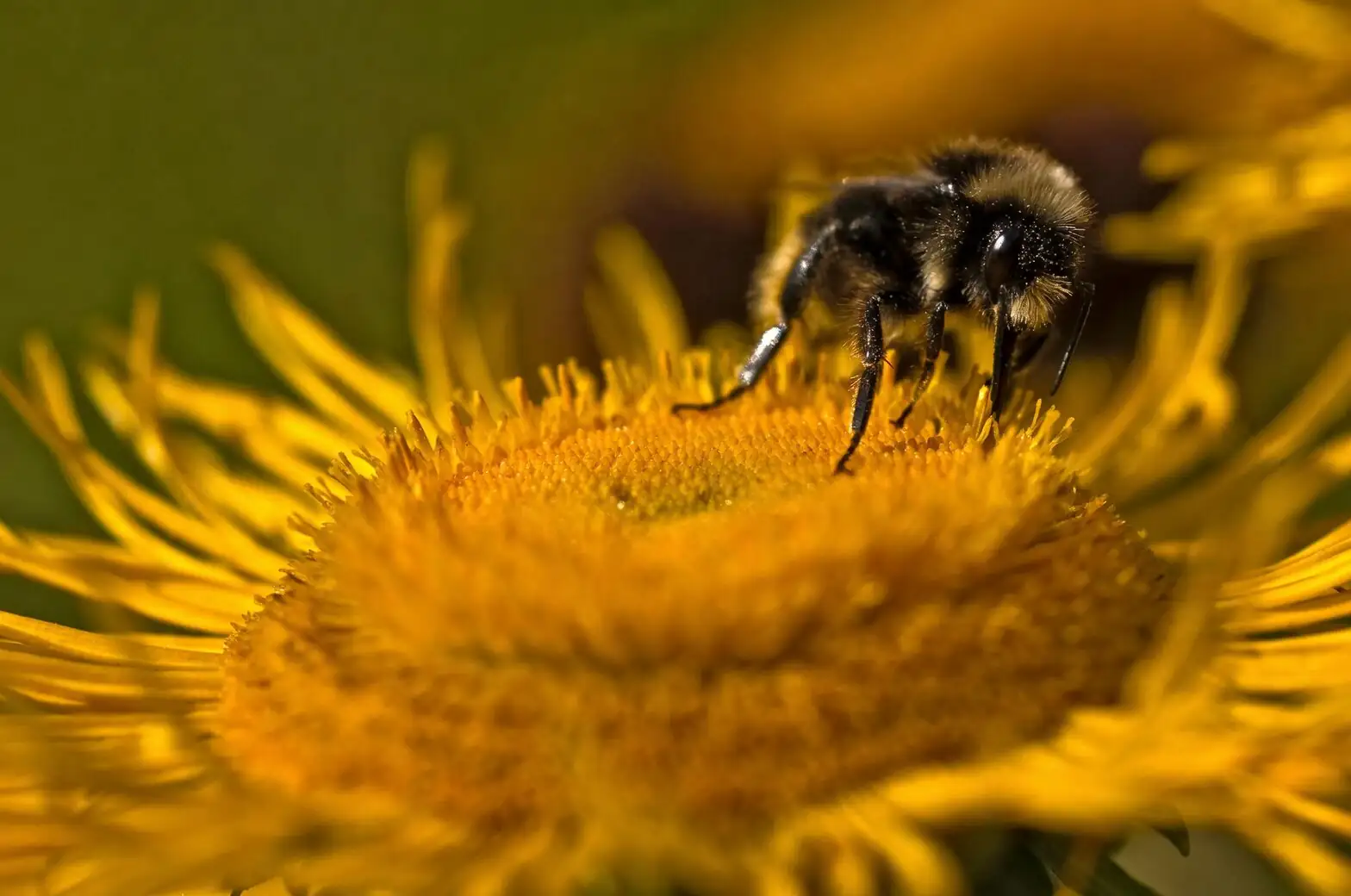
- Desert economics: A short bloom conserves water and energy. The plant times opening for peak pollinator traffic (often sunny, bee‑busy hours), then quickly withdraws its investment before heat and UV degrade delicate tissues.
- Precision pollination: Bright pigments and abundant pollen lure bees, and once fertilization’s likely, keeping petals open costs more than it pays. Mission accomplished—close shop.
Fruits, color, and chemistry: the betalain bonus
After pollination, fleshy fruits mature and often blush reddish‑purple thanks to betalain pigments.
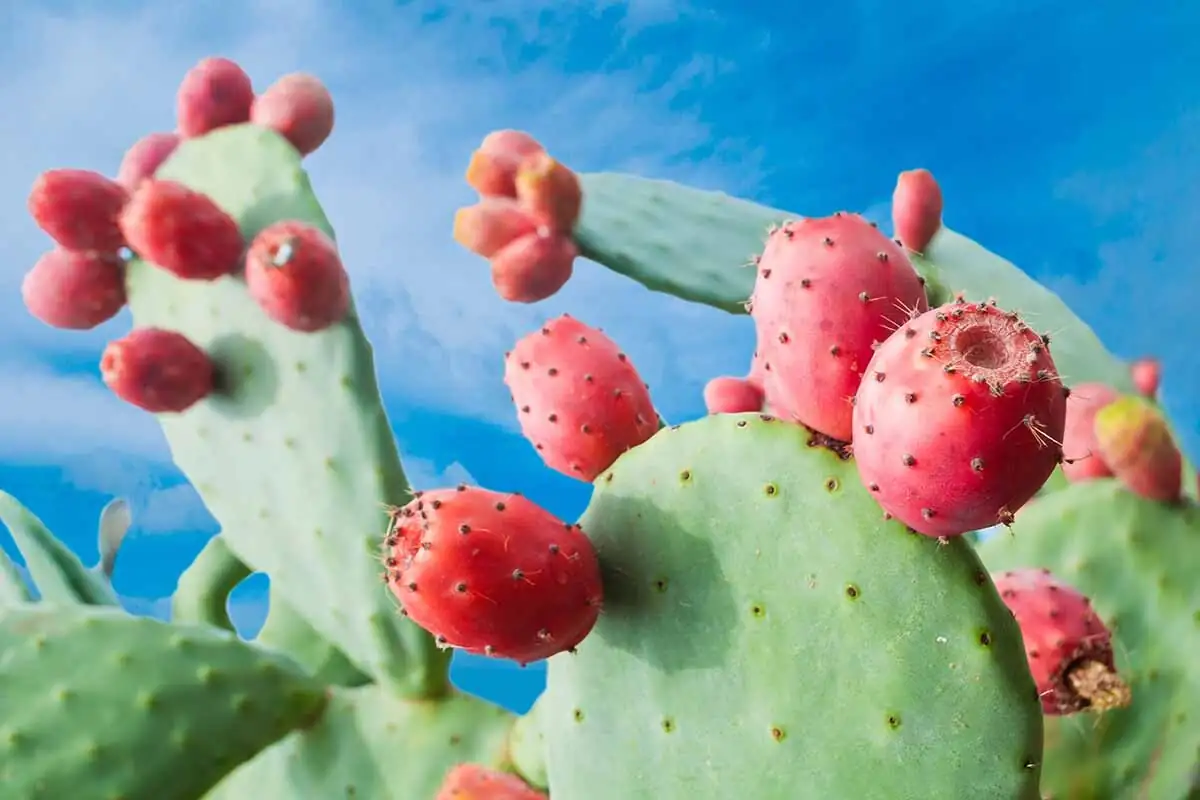
- Betalains vs. anthocyanins: In cacti, betalains play the color lead—offering antioxidant punch and vivid hues. In some places, O. dillenii fruits are eaten or used for natural coloring.
- More than pretty: Alongside betalains, Opuntia tissues can carry flavonoids, other phenolics, vitamin C, and minerals—part of why prickly pears feature in traditional remedies. (Use responsibly and with local guidance.)
Where it comes from—and how it travels
Native to parts of the Americas (including the southeastern USA, Mexico, the Caribbean, and nearby regions), Opuntia dillenii thrives in bright, dry habitats, often near coasts on sandy soils.
- Built to disperse:
- Seeds hitch rides in animal guts—pulp gets eaten, seeds get widely dropped.
- Pads break off, float or snag on fur, then root from areoles wherever they land.
- A word to gardeners: In warm climates, this vigor can turn invasive. Grow thoughtfully and never dump garden waste into natural areas.
Grower’s quick-start guide
Want a tough, architectural plant with a wow-factor bloom? This species rewards basic desert care.
- Light: Bright, direct sun is best—at least 4–6 hours daily. Indoors, a sunny window; outdoors, full sun with brief afternoon shade in extreme heat to avoid sunburn.
- Temperature: Loves 20–30°C (68–86°F); tolerates hotter summer days with cooler nights. Protect from frost; keep above about 5°C (41°F) in winter.
- Water: Soak and dry. Water thoroughly, then wait until the mix is completely dry. Typical rhythm:
- Spring/fall: every 2–4 weeks
- Summer: weekly if heat dries the mix fast
- Winter: every 4–6 weeks or even less
- Soil: Fast‑draining cactus mix with sand or perlite—never let roots sit wet.
- Feeding: Spring–summer only, 1–2× per month at 1/4–1/2 strength. Stop in fall/winter.
- Propagation: Easiest by pad cuttings—let a fresh cut callus 2–3 days, then set in dry mix and water lightly after 10–14 days once rooting starts. Seeds are slower but fun.
- Safety: Non‑toxic but spines and glochids are prickly hazards. Site away from high‑traffic areas.
Symbolism and stories: resilience with a velvet bloom
Across the Americas, cacti symbolize endurance and protection—life thriving where others fail. In Mexican lore, a cactus famously marks the founding of Tenochtitlan, an image now on the national flag. If you’re into “flower language,” think of Opuntia’s message as layered and modern rather than ancient dogma: resilient love behind protective boundaries, and rare moments of brilliance (those fleeting blooms) that reward patience and care.
Bite‑size wow facts
- Areoles are exclusive to cacti—mini growth portals that can make spines, flowers, pads, and even roots.
- Many cactus flowers are one‑day wonders, timing their show for peak pollinator hours to save water.
- Glochids are microscopic, barbed bristles that detach on contact—small but mighty for defense.
- The “leaves” you see aren’t leaves at all—pads are photosynthetic stems running CAM metabolism.
- Opuntia fruits often owe their magenta glow to betalains, the same pigment family that colors beets.
Opuntia dillenii is a masterclass in elegant efficiency—proof that in the desert, smart design beats brute force every time.